
Auvergne-Rhône-Alpes · France
Lyon
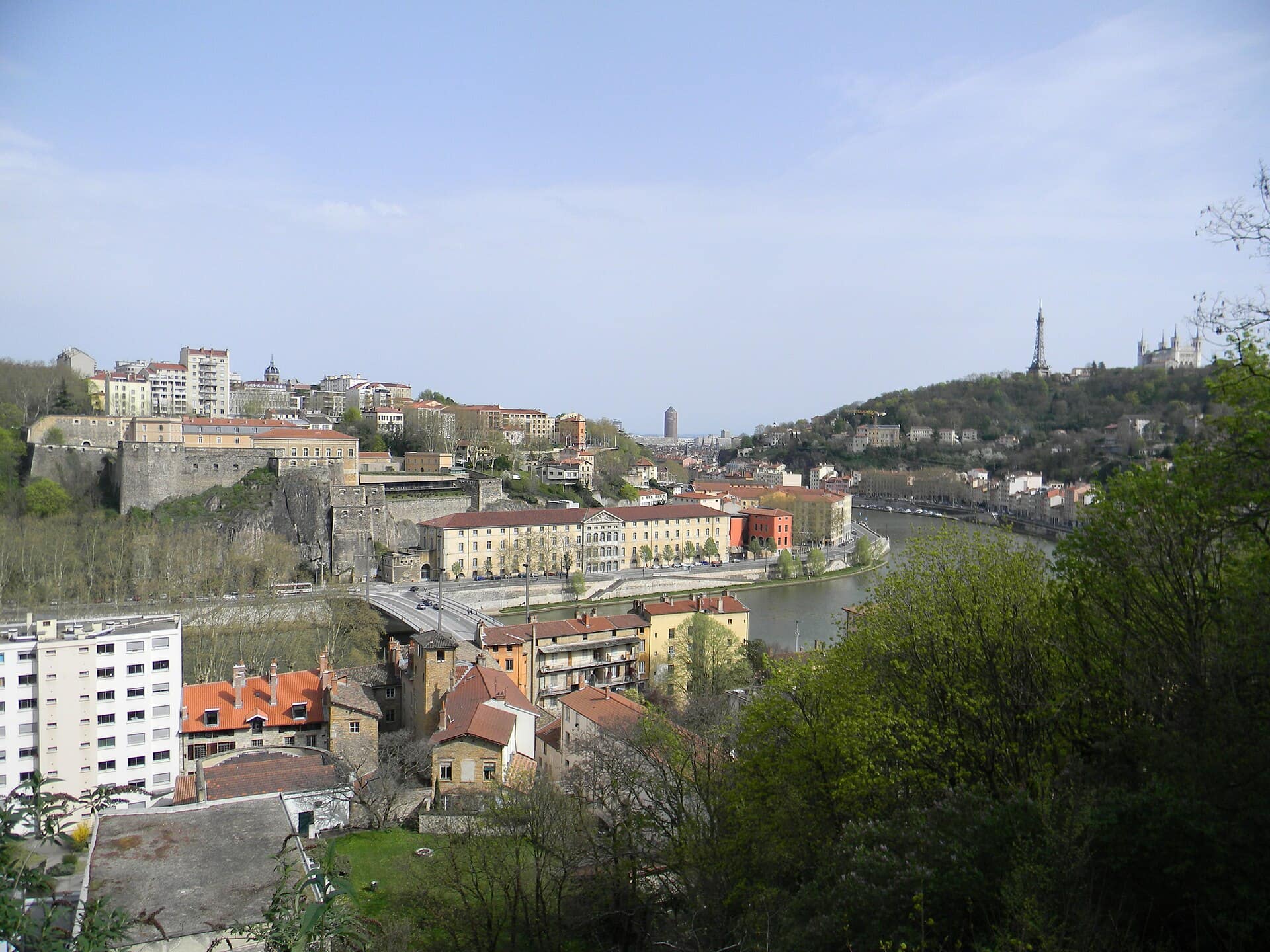
France's third city, built on the tongue of land where the Saône runs into the Rhône and on the two hills above it — Fourvière, where the Romans put their capital of the Gauls, and the Croix-Rousse, where nineteenth-century silk weavers put their looms. The whole historic core, from Roman ruins to Renaissance courtyards to the silk workers' quarter, is a single UNESCO site.
Lyon is organised around two things almost nobody mentions in the same breath: silk and eating. The canuts — the silk weavers of the Croix-Rousse — built the tall-windowed workshops that still line the hill, revolted twice in the 1830s, and left the city a network of covered passageways, the traboules, cut through private buildings so a bolt of silk could cross a block without getting wet. The food culture came out of the same century by a different door: the mères lyonnaises, women who cooked in bourgeois houses and then opened their own, taught the city that a restaurant could be a small, loud room with one person's name on it. The bouchon is what that turned into, and there is a label — a Gnafron puppet on the door — because there are more imitations than originals.
Plan your trip
Lyon Tour Itineraries
Timed, walkable day plans — plus the best season to go.
Where to shoot
Lyon Photo Spots
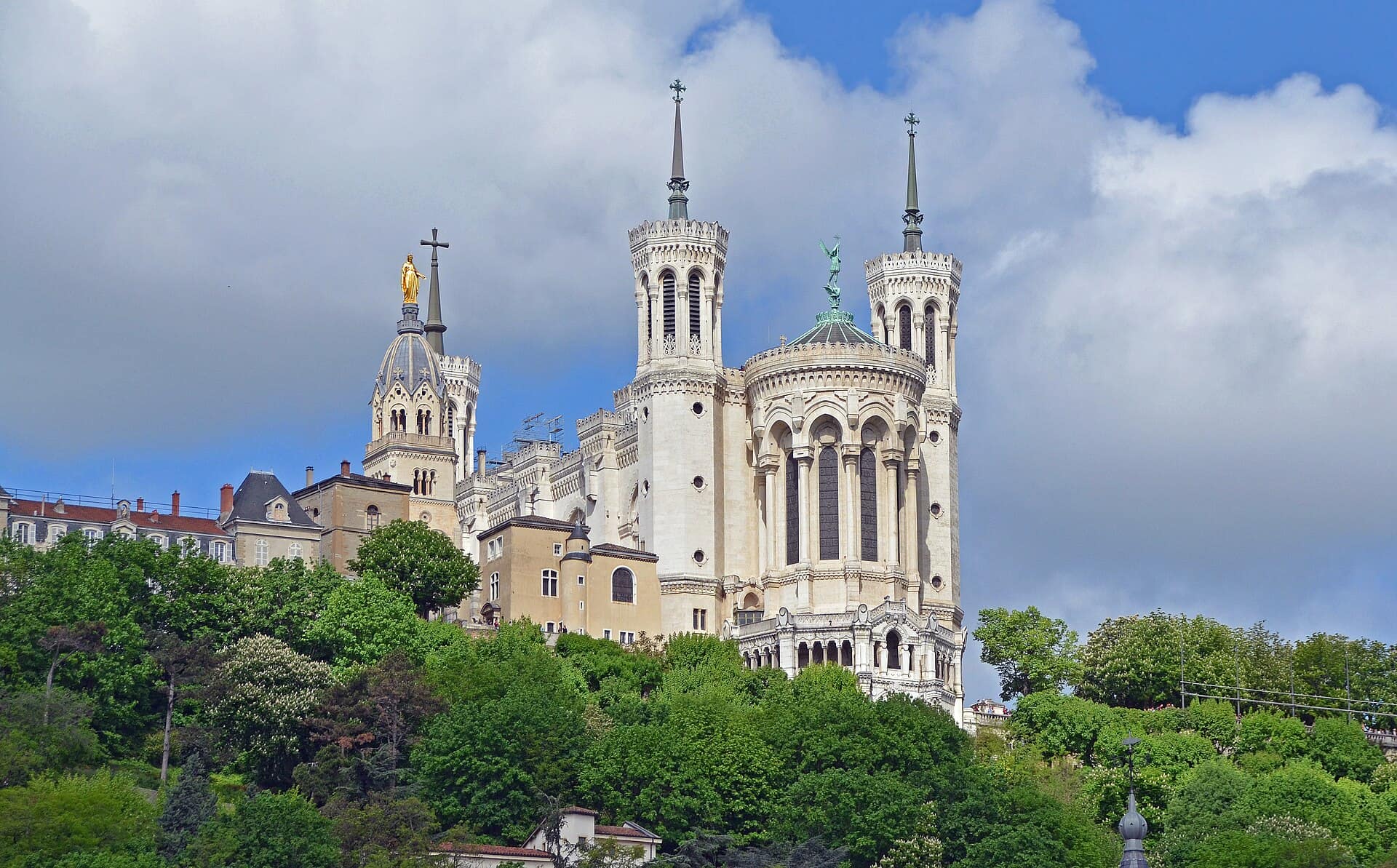 High crowd
Entry Free — the rooftop tour is separately ticketed
Basilique Notre-Dame de Fourvière
- Best timeThe hour before sunset from the esplanade, when the light comes across the city towards you and the rivers pick it up — the basilica's own façade is better in the morning, when the sun is on it
- ColorsIvoryCamelDeep red
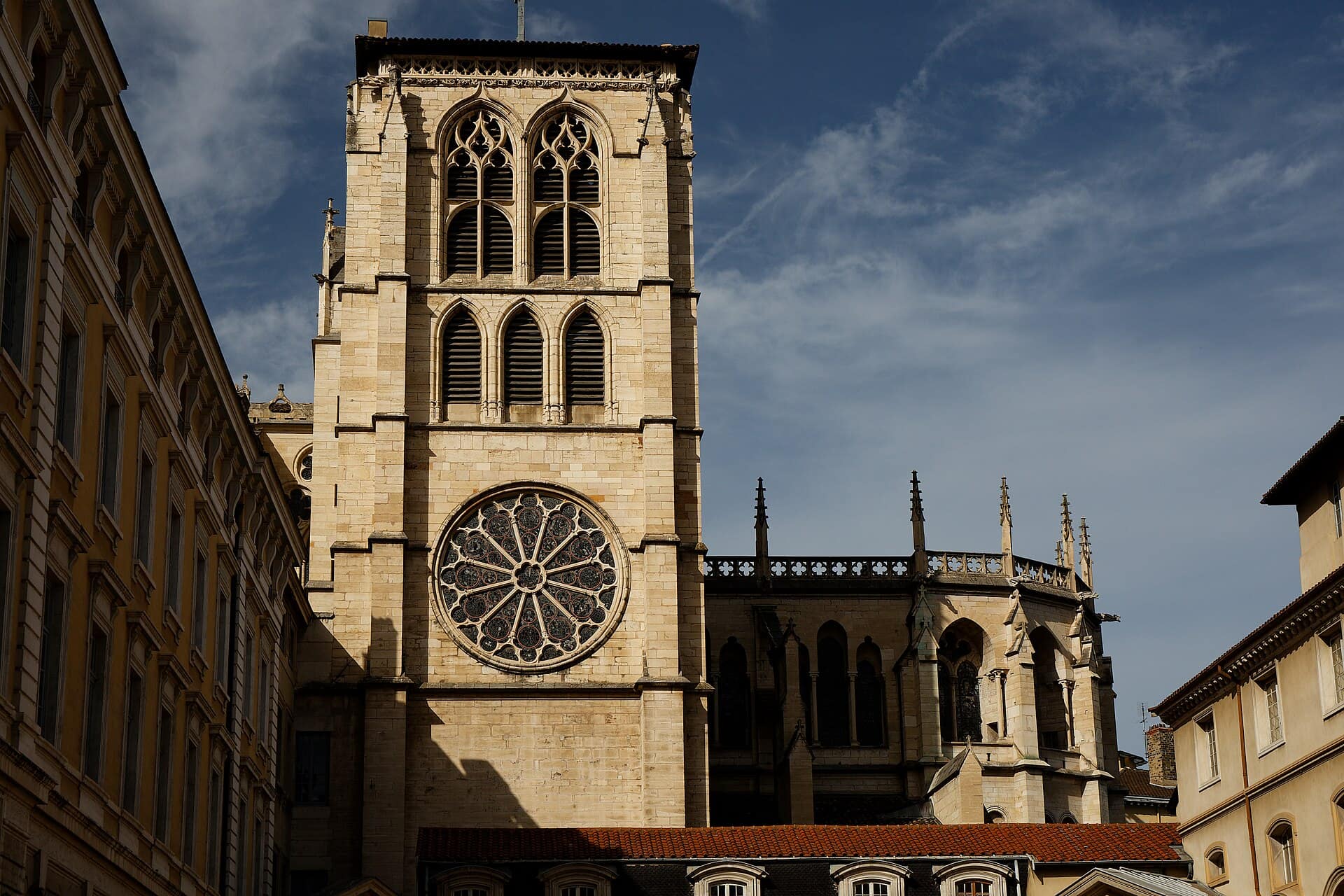 Medium crowd
Entry Free
Cathédrale Saint-Jean-Baptiste
- Best timeAfter dark, when the west front is floodlit and the square in front of it empties — the interior is dim at every hour and the clock is best watched rather than photographed
- ColorsCharcoalIvoryDeep green
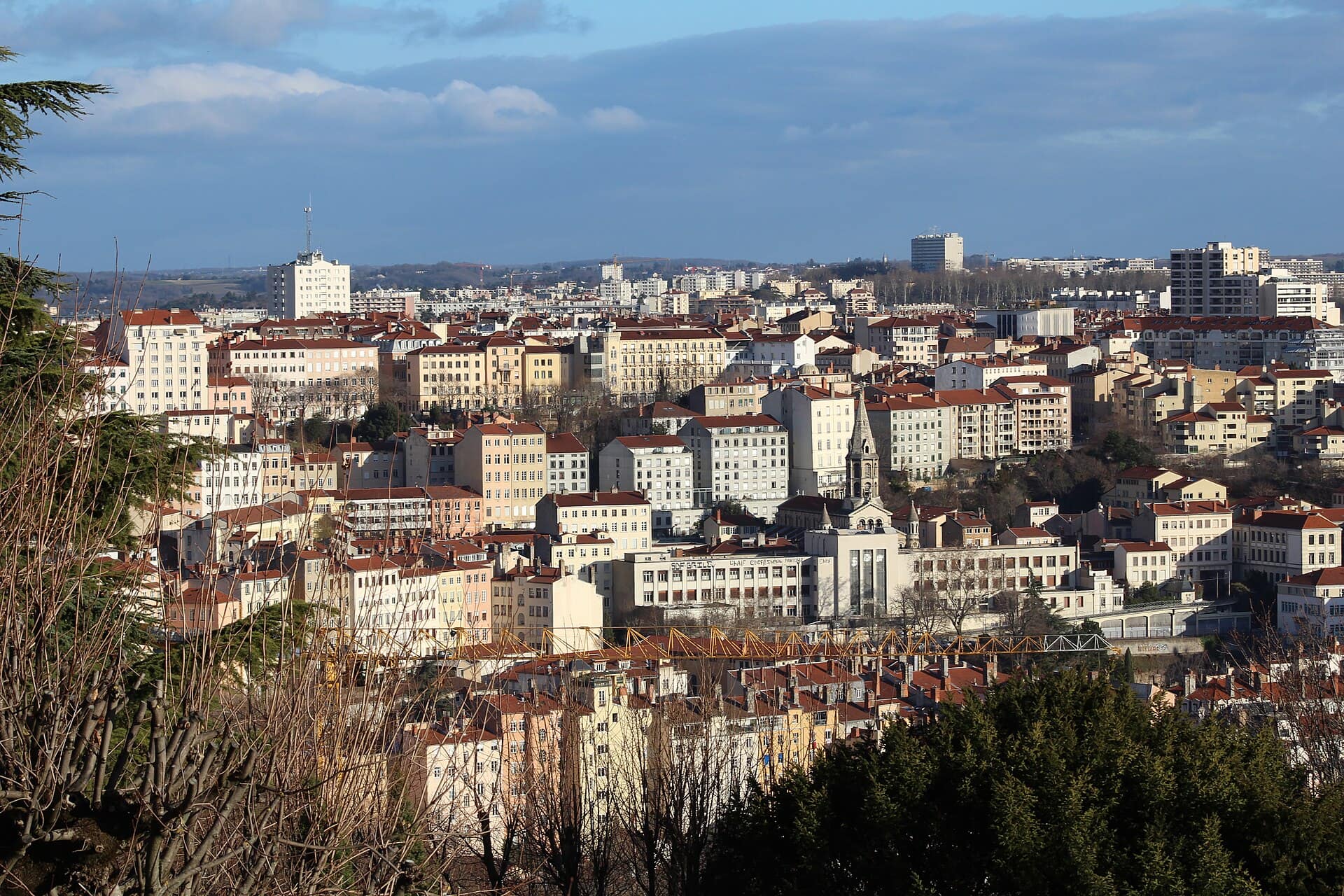 Low crowd
Entry Free
La Croix-Rousse
- Best timeSunset from the Gros Caillou terrace at the top of the hill, looking east over the roofs and the Rhône with the Alps behind on a clear day
- ColorsRustCreamDenim blue
 Medium crowd
Entry Free
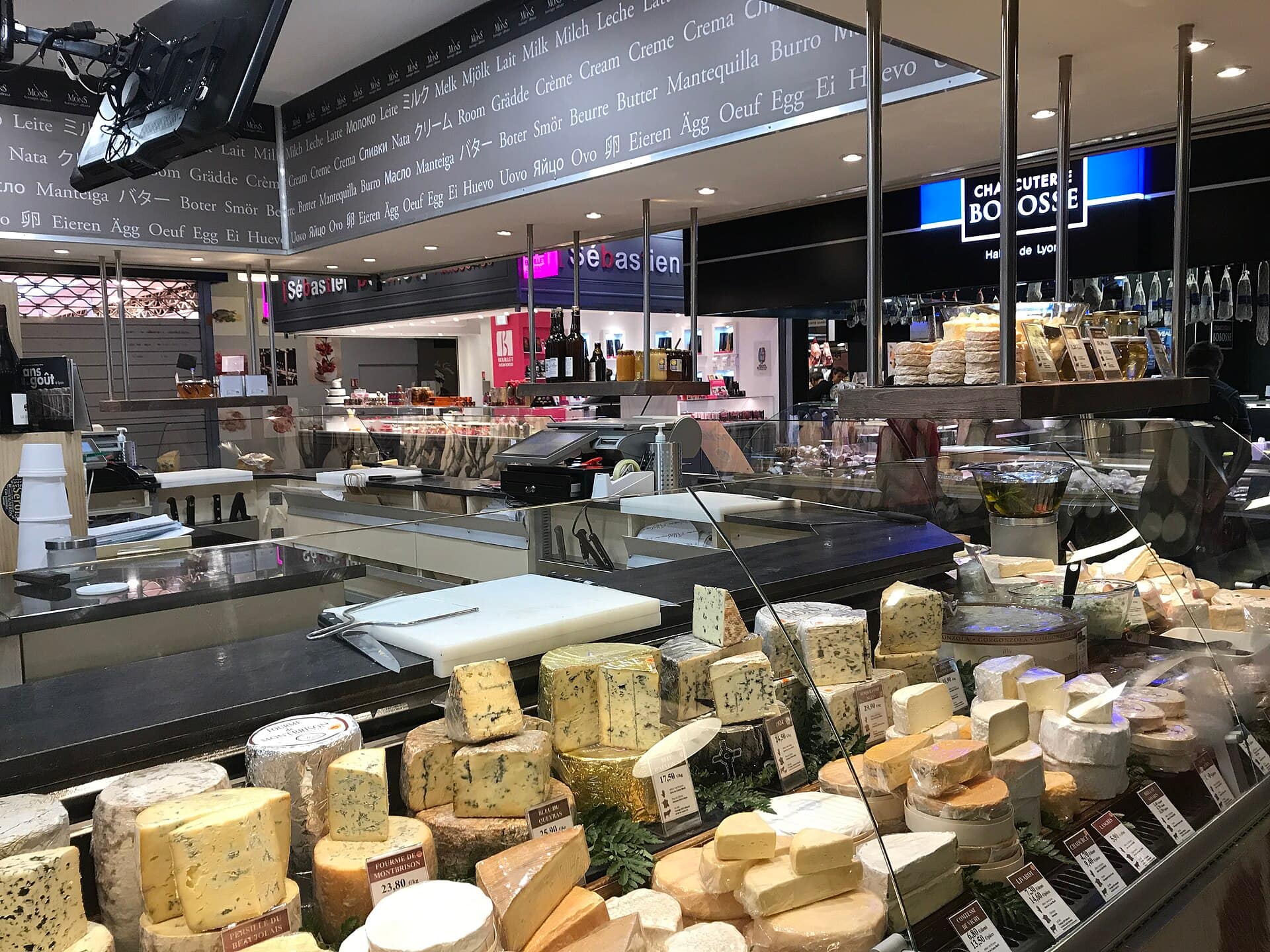
Les Halles de Lyon – Paul Bocuse
- Best timeLate morning, when every counter is dressed and the oyster stalls are working, and before the lunch crowd fills the aisles
- ColorsWhiteBurgundyCamel
 Low crowd
Entry Around €8, with the garden free
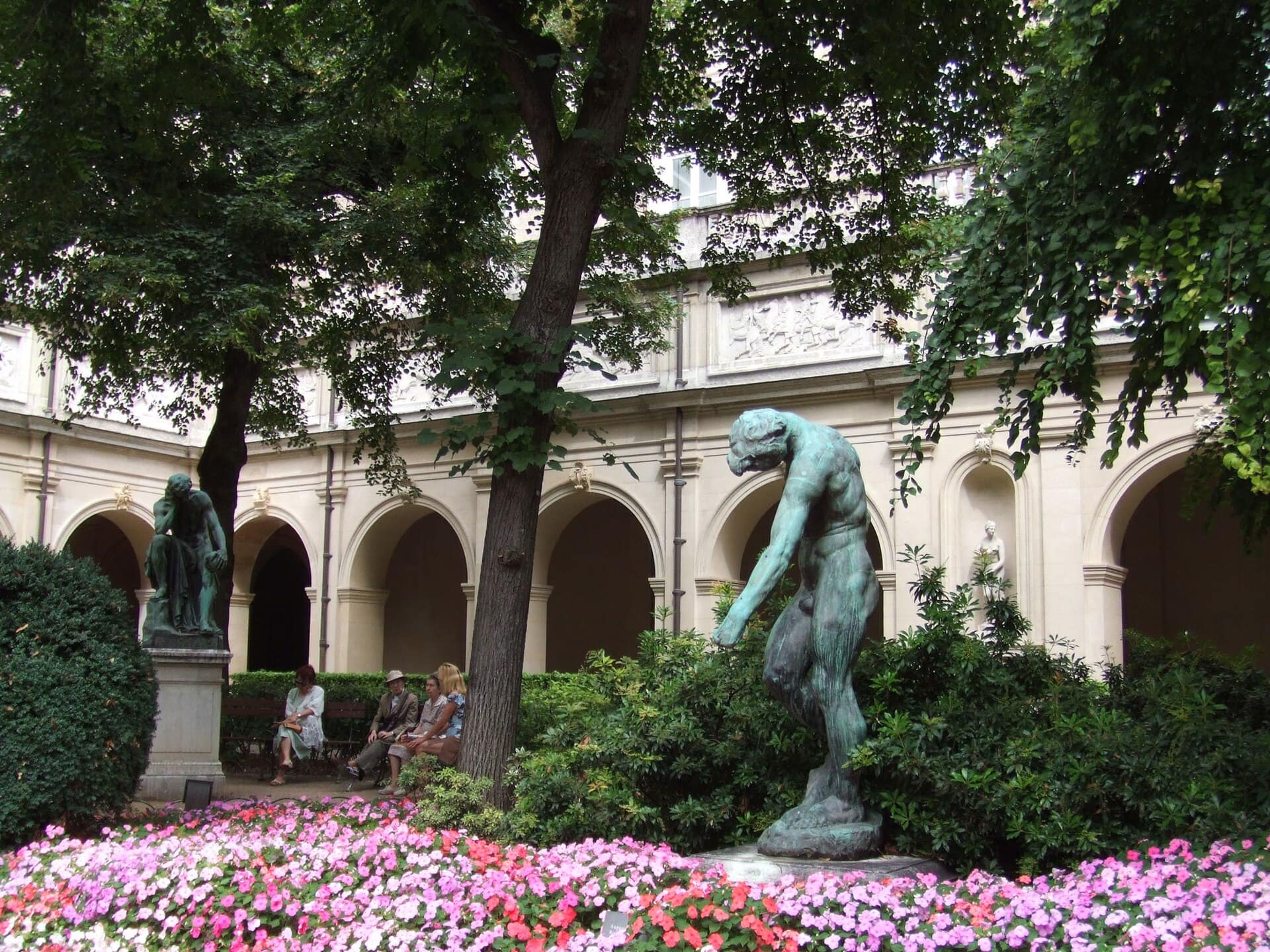
Musée des Beaux-Arts
- Best timeMidday in the cloister garden, when the sun reaches the bottom of the courtyard and the arcades are lit on one side
- ColorsIvoryBlackSage
 Medium crowd
Entry Free, including the botanical garden and the zoo
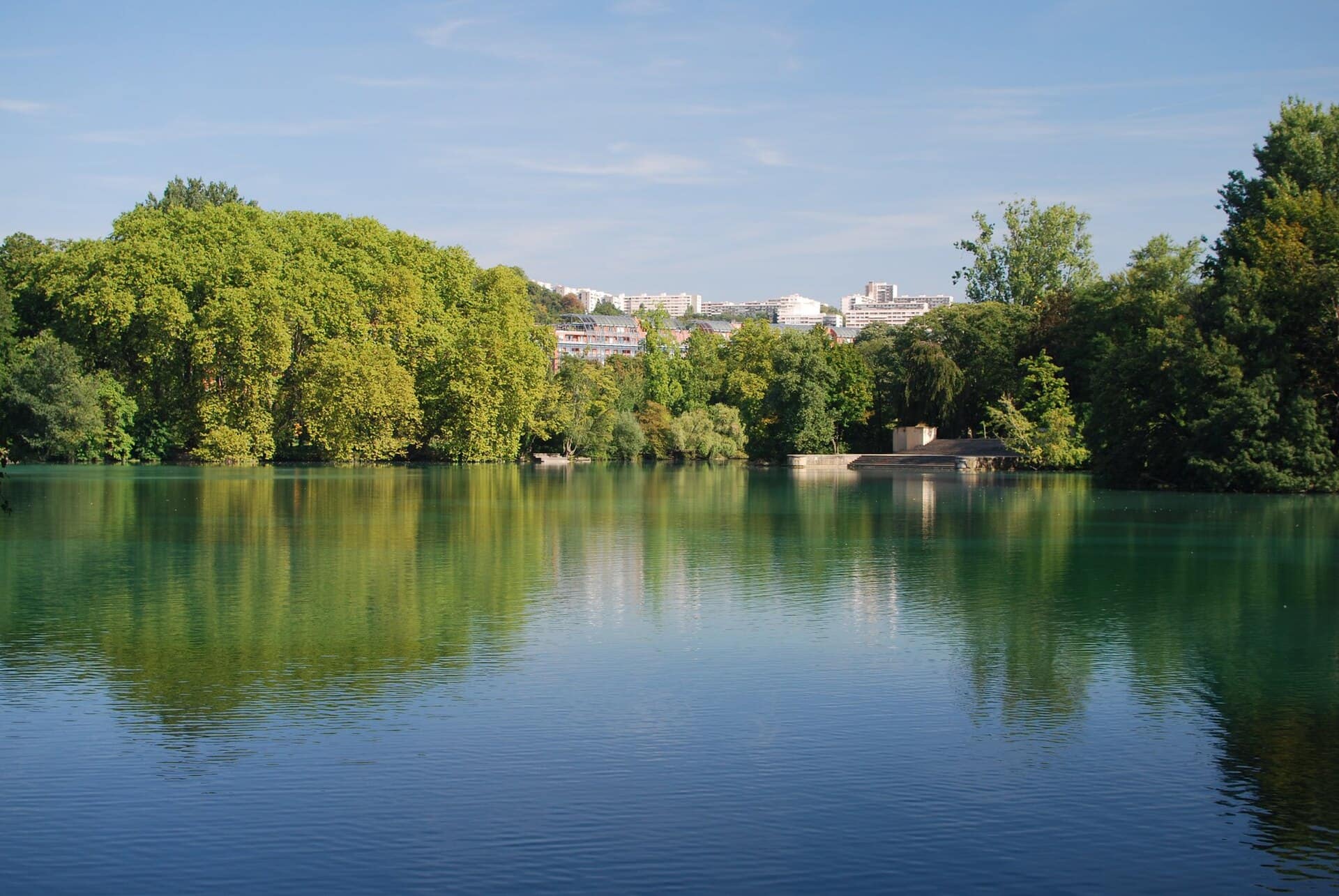
Parc de la Tête d'Or
- Best timeEarly morning, when the mist is still on the lake and the rose garden has nobody in it — the park is at its emptiest before eight
- ColorsCreamForest greenRose pink
For the feed
Trending Wear in Lyon
Modern, Instagram-friendly looks
Dressed to stand still in December
€60–200
Layers for a continental city, not a Mediterranean one
€80–220
Shoes for two hills and a lot of stairs
€60–180
Rooted in the city
Lyon Traditional Wear
Local, cultural, handcrafted outfits
Taste the city
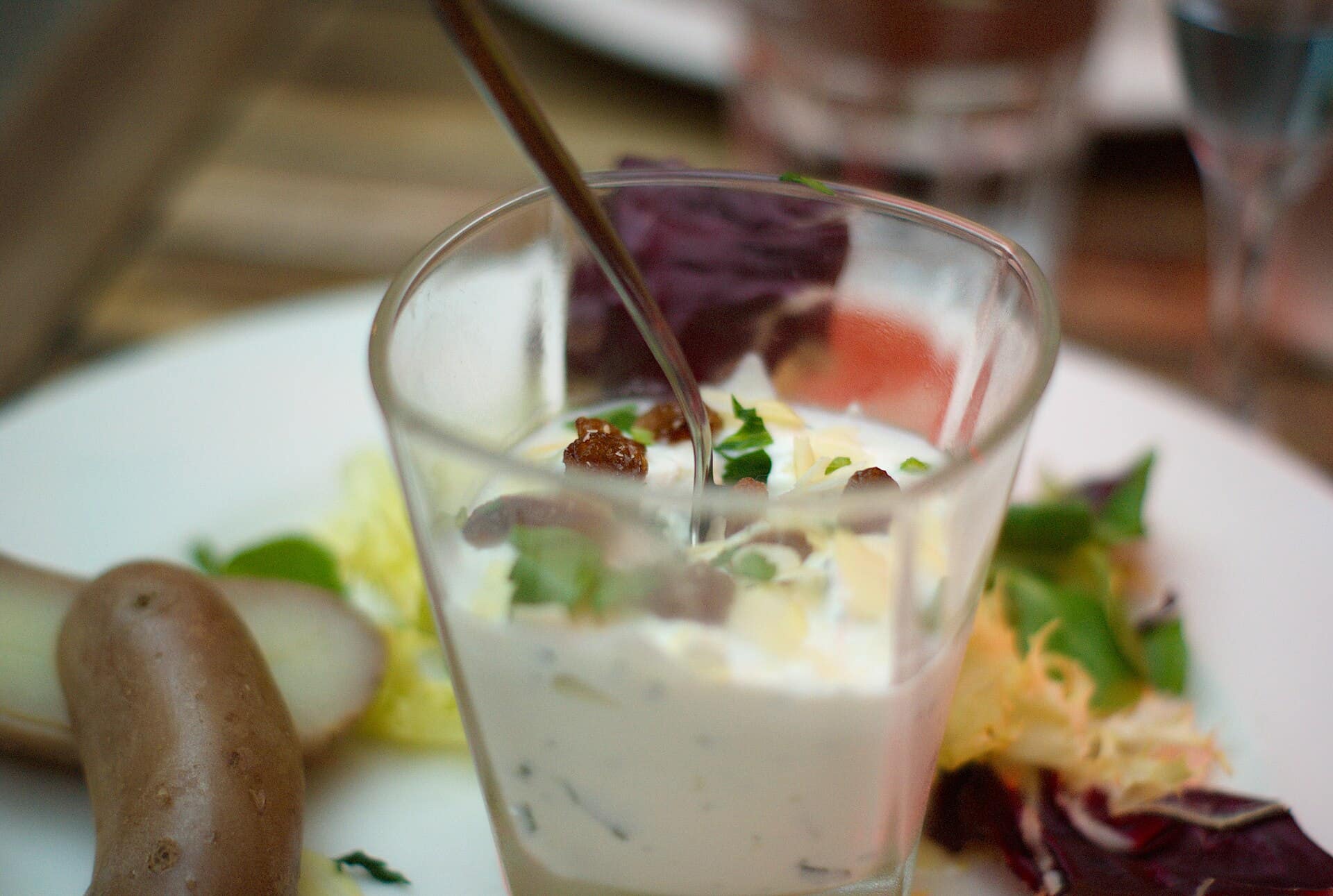
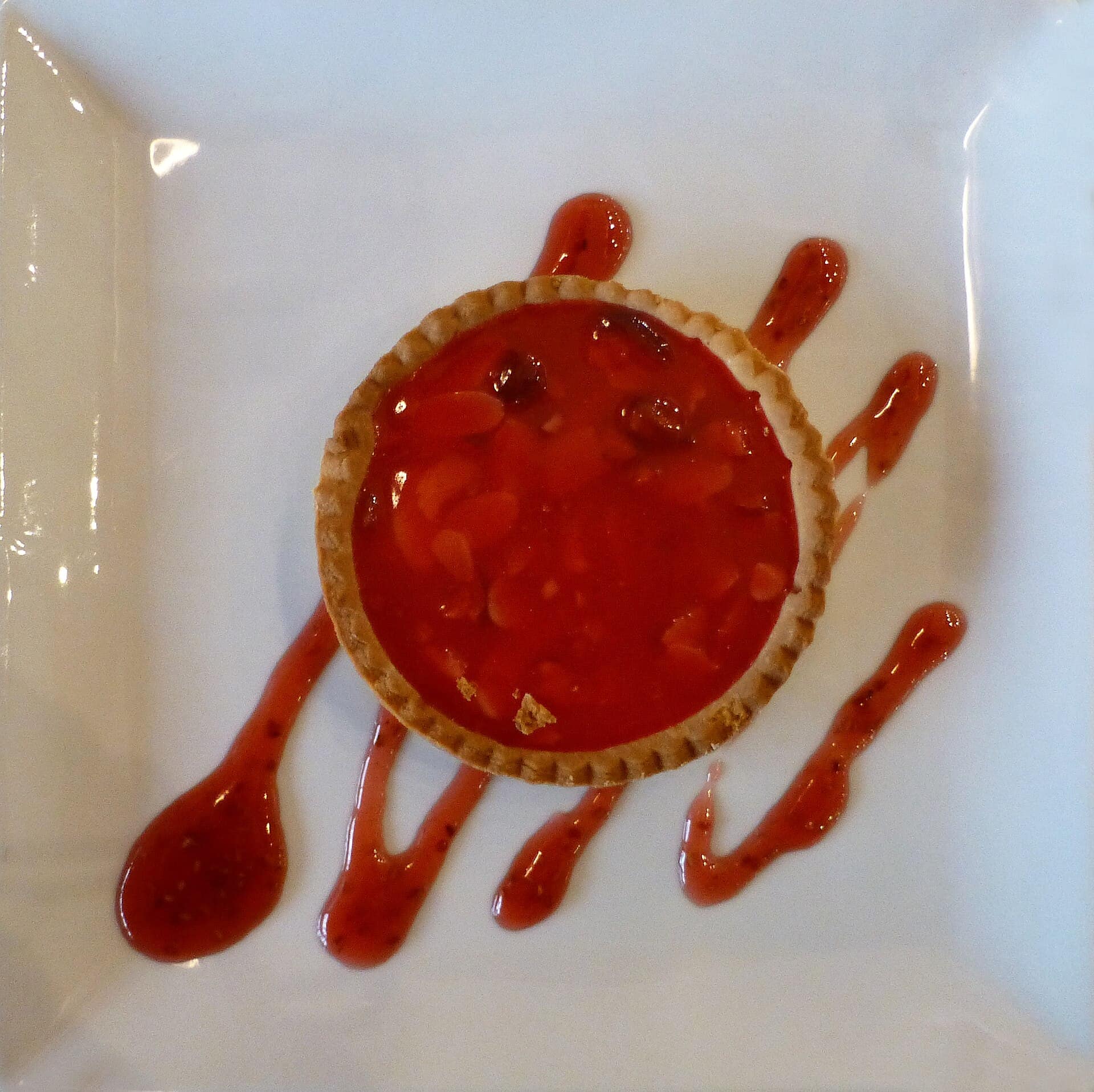
Food to Eat in Lyon
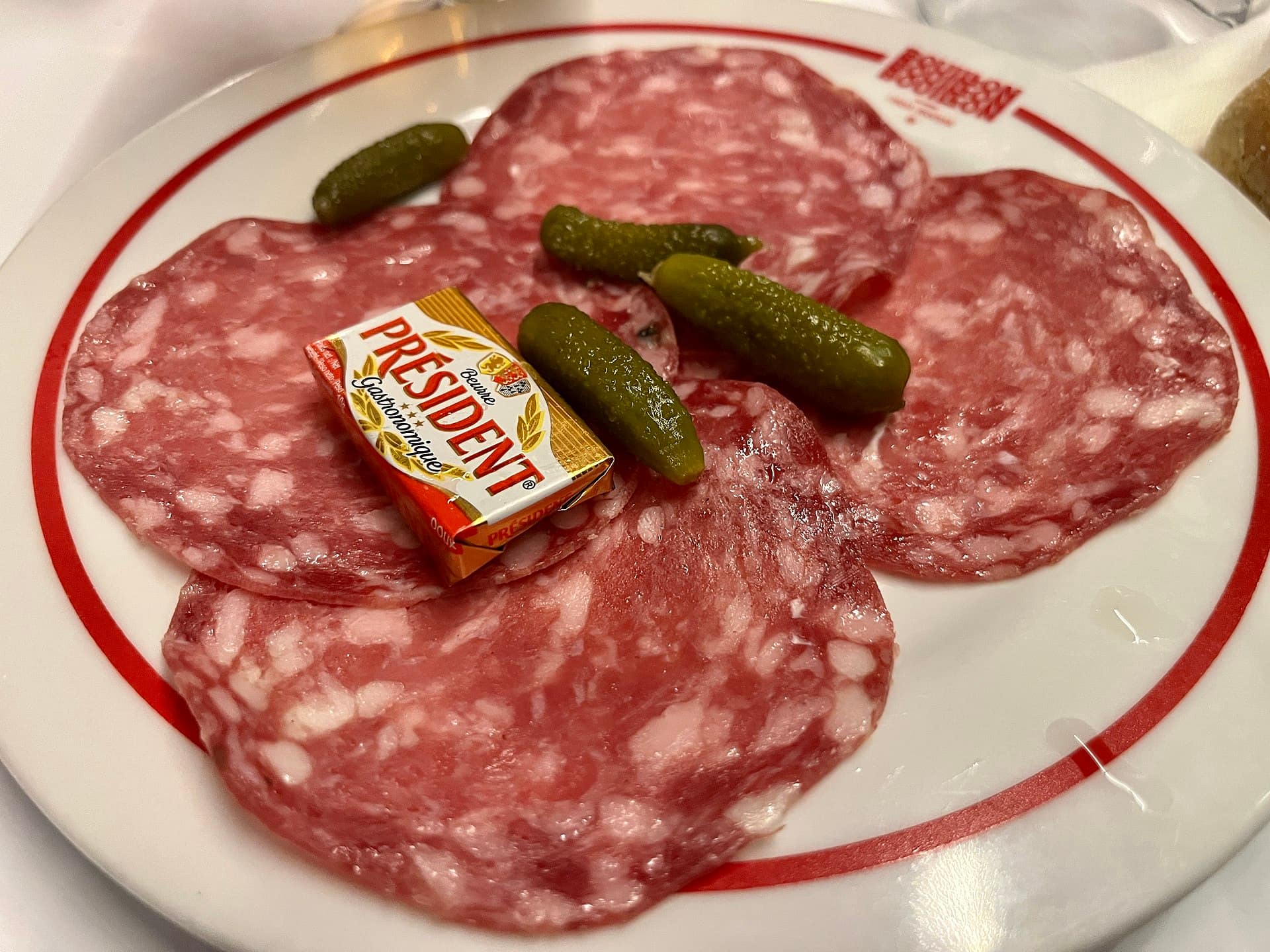
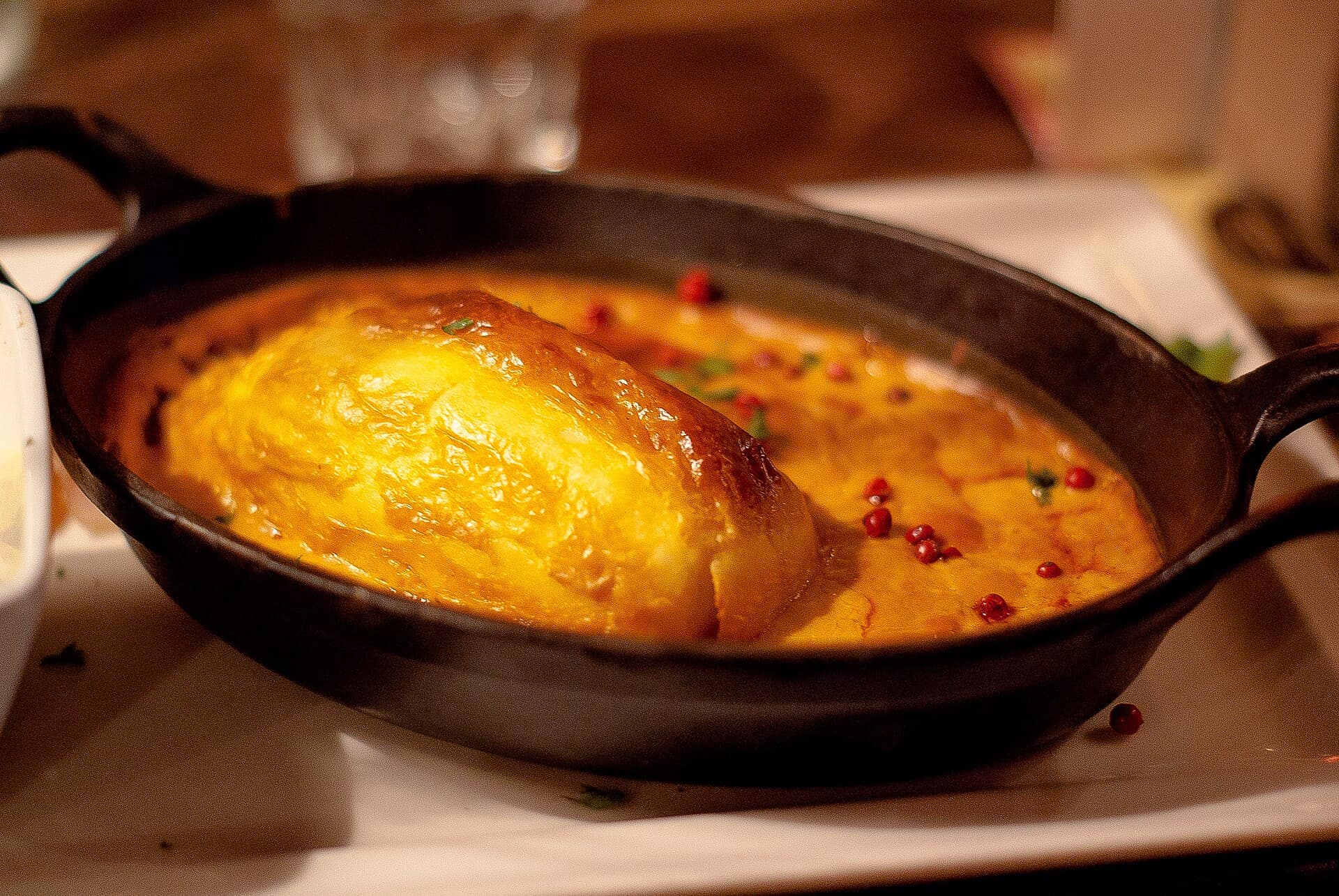
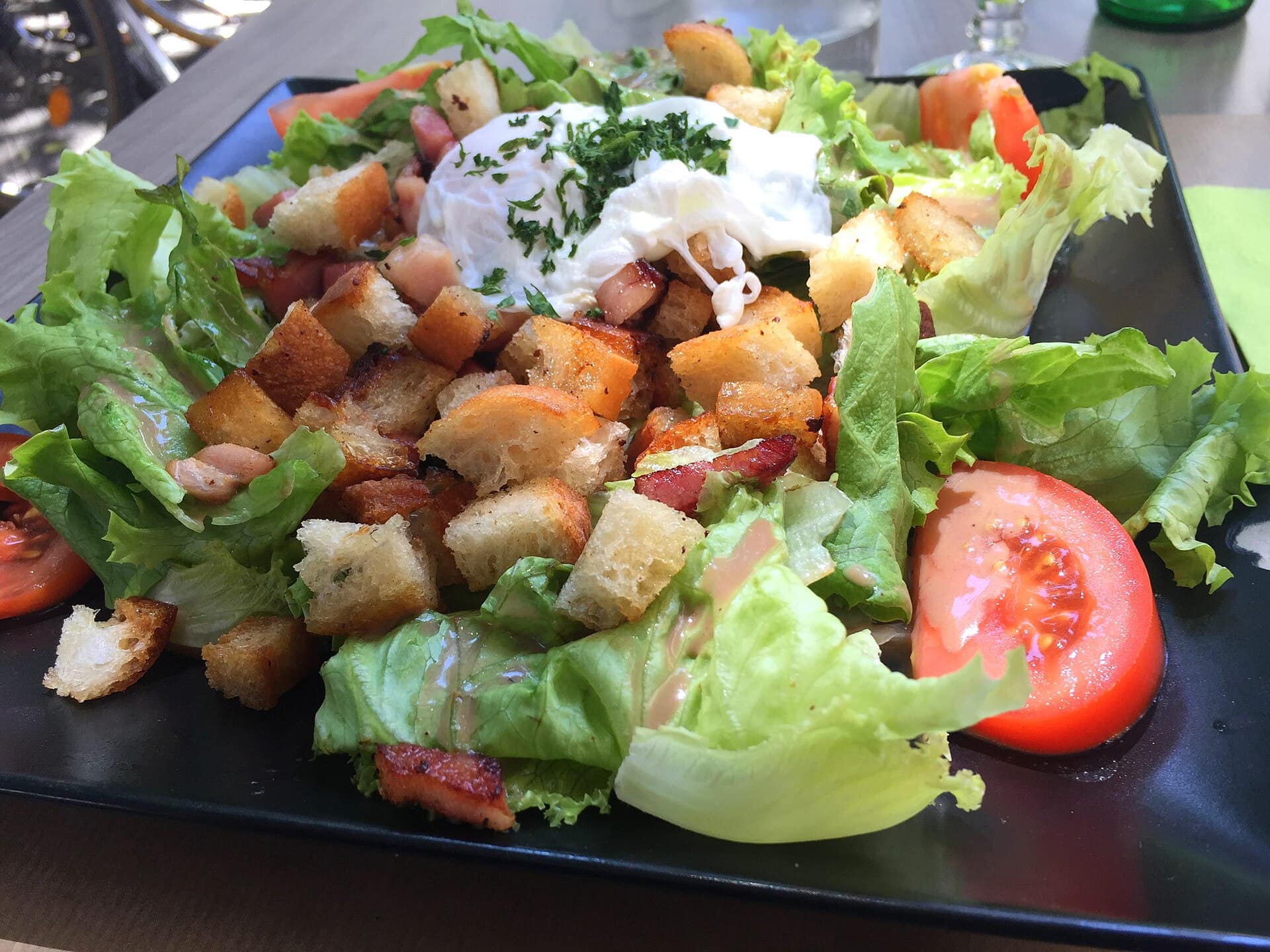
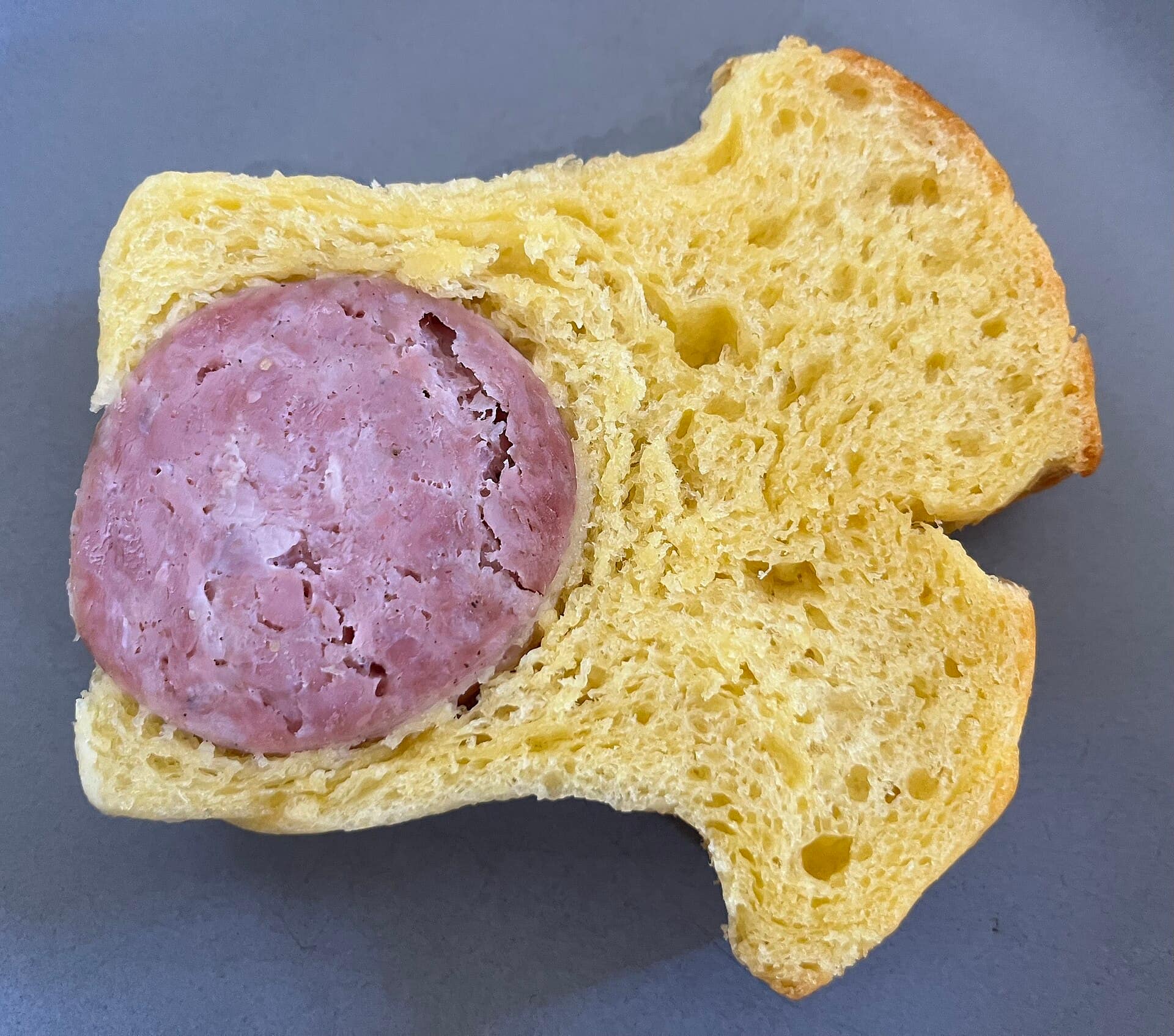
Trusted tables
Where to Eat in Lyon
Café Comptoir Abel
Rue Guynemer, Ainay — across the Saône from Vieux Lyon
Café des Fédérations
Rue du Major Martin, Presqu'île
Chez Hugon
Rue Pizay, Presqu'île
Daniel et Denise Saint-Jean
Rue Tramassac, Vieux Lyon
The counters at Les Halles Paul Bocuse
Cours Lafayette, Part-Dieu
Questions
Lyon — FAQ
What is Lyon famous for?
France's third city, where the Saône runs into the Rhône — Vieux Lyon, one of the largest Renaissance quarters in Europe, and the food: Les Halles Paul Bocuse, salade lyonnaise, saucisson brioché and tarte aux pralines.
How many days are enough for Lyon?
Two: Vieux Lyon, the traboules and Fourvière above it one day; the food halls, the museums and the Parc de la Tête d'Or the next.
What is the best time to visit Lyon?
May to early July, and September to October.
How do I get around Lyon?
A metro covers the long, flat distances; the two rivers and the presqu'île between them give the centre its shape, and the old quarter is walked street by street.
What are the traboules?
Covered passages cut through the buildings of Vieux Lyon, opening into courtyards with spiral stairs and galleried loggias — Renaissance shortcuts that thread the quarter's four parallel streets together.