What to Wear in Paris
What works in Paris is set by two things: the weather you will actually be standing in, and how much of the day you spend around monuments, markets and museums, where covered shoulders and knees are expected. Paris has four real seasons — summers that can be hot, winters cold enough for a proper coat — so the month you travel decides what you pack far more than the city does.
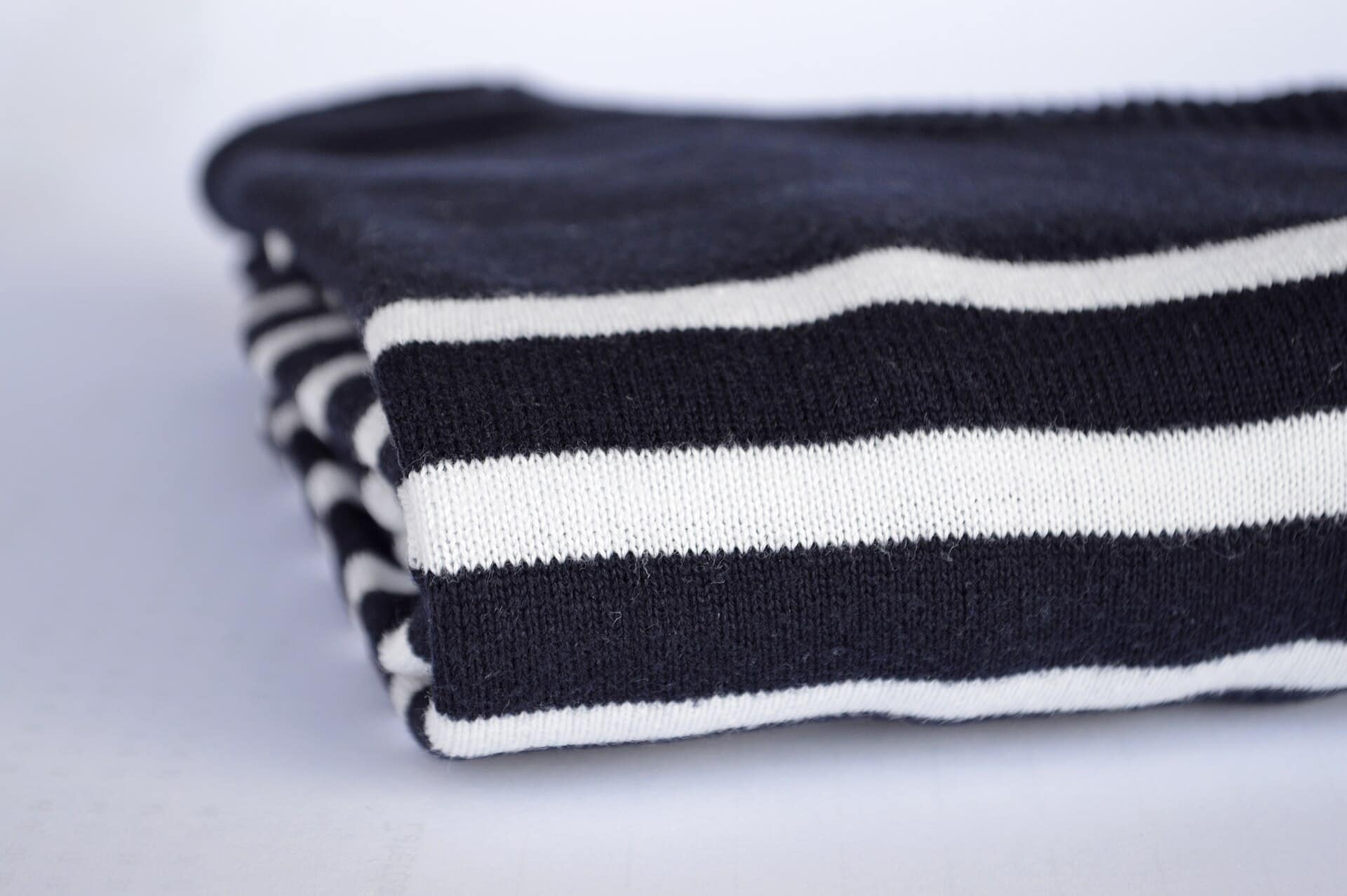
The traditional wear recorded for Paris is La marinière. It began as French Navy uniform: an 1858 decree specified the knitted shirt for seamen in Brittany, and the stripes are usually said to have made a man overboard easier to see in the water. Chanel took it off the docks and into fashion in the 1910s after seeing it in Deauville. It is still made in France by the old Breton knitwear houses, and buying one of those rather than a printed souvenir version is the difference between a garment and a fancy-dress top.
Colours that photograph well here: Camel, Charcoal, Navy and Ecru. For everyday looks the Layers for a city that changes its mind and One layer that covers a cathedral and a dinner options are the easiest starting point.
On footwear — something that survives a wet pavement; suede does not.
Across the year: spring (Mar – May) — light layers — warm afternoons, cold mornings, comfortable walking shoes; summer (Jun – Aug) — light clothes, sunglasses and sun cream, breathable shoes or sandals; autumn (Sep – Nov) — mid-weight layers and something rainproof, closed shoes with grip; winter (Dec – Feb) — a proper winter coat, hat and gloves, insulated, waterproof shoes.
Trending wear
Modern, Instagram-friendly looks
Layers for a city that changes its mind
€80–250
One layer that covers a cathedral and a dinner
€50–200
Shoes for twelve kilometres and 300 stations of stairs
€60–200
Traditional wear
Local cultural outfits