
What to Wear in Agartala
Agartala's weather is warm and humid for most of the year, so light, breathable clothing is the starting point. Winter brings cool mornings and evenings, while the long monsoon brings heavy rain and wet roads.
You will also spend time at temples and at the palace museum, so clothes that cover your shoulders and knees are useful every day. For photos, a handwoven Tripuri rignai or a Bengali cotton saree stands out against the white palace walls and green lakesides.
Trending wear
Modern, Instagram-friendly looks
Traditional wear
Local cultural outfits
What to Wear in Agartala During Winter
Winter (November to February) is the most comfortable season. Days are mild and dry, but early mornings and nights can feel cool, especially in December and January. A light sweater or shawl is usually enough.
Best Winter Outfits for Agartala
- Cotton shirts, T-shirts or kurtas
- Jeans or light trousers
- A light sweater, jacket or shawl for mornings and evenings
- A long skirt or cotton saree for temple visits
- Comfortable walking shoes
What to Wear in Agartala During Summer
Summer (March to May) is hot and very humid, and afternoon thunderstorms are common in April and May. Choose loose, breathable fabrics and light colours.
Best Summer Outfits for Agartala
- Loose cotton or linen shirts and kurtas
- Light trousers, palazzos or long skirts
- A cap or wide-brimmed hat and sunglasses
- A small umbrella for sudden showers
- Sandals or breathable shoes
What to Wear in Agartala During the Monsoon
The monsoon (June to September) brings heavy rain and high humidity. Roads can flood and paths at Unakoti and Sepahijala get slippery. Choose quick-drying clothes and avoid heavy fabrics like denim.
Best Monsoon Outfits for Agartala
- A light rain jacket or poncho
- Quick-drying trousers and tops
- A compact umbrella
- Waterproof sandals or shoes with a good grip
- A spare set of clothes on day trips
Best Colours to Wear in Agartala
Bright colours such as red, maroon, teal and saffron stand out against the white walls of Ujjayanta Palace and the green lakes and forests around the city. The traditional Tripuri rignai often uses red, black and white patterns, which also photograph well. For temple visits, soft cream, white or pastel cotton looks neat and respectful.
Footwear Tips for Agartala
You will remove your shoes at temples, so slip-on sandals or shoes are the most practical choice in the city. For Unakoti, wear shoes with a good grip, as the site has long flights of steps that can be wet. In the monsoon, choose waterproof sandals that dry quickly instead of canvas shoes.
Questions
Agartala — FAQ
What should I wear in Agartala?
Light cotton clothes suit Agartala for most of the year. Carry a light sweater or shawl for winter evenings, rain gear in the monsoon, and clothes that cover your shoulders and knees for temple visits.
Is it cold in Agartala in winter?
Not very. Days are mild, but early mornings and nights in December and January can feel cool. A light sweater, jacket or shawl is usually enough.
What is rignai?
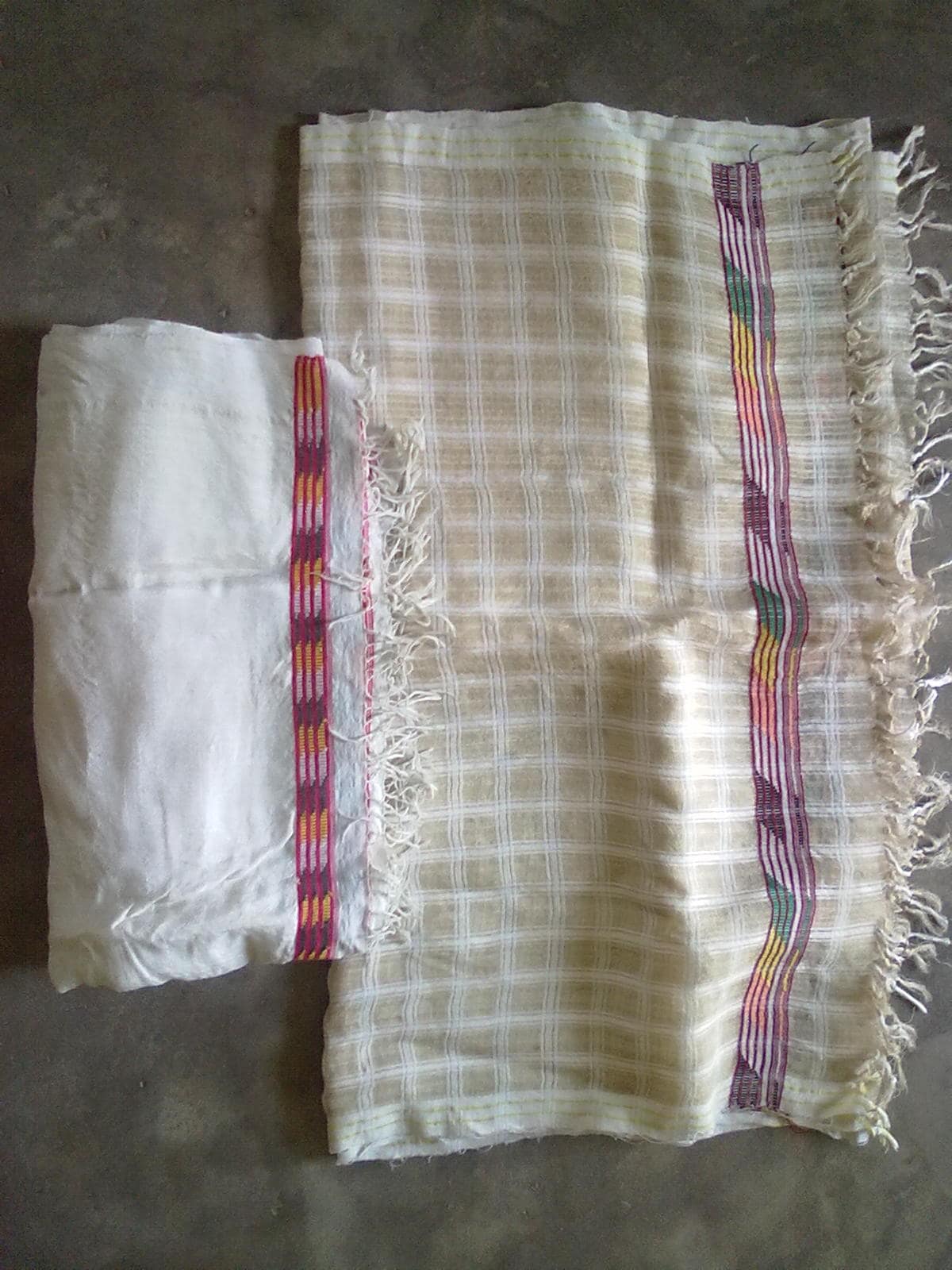
The rignai is the traditional wrapped lower garment worn by Tripuri women, usually handwoven in bold patterns. It is often worn with a risa, a woven cloth across the chest or shoulders.
What should I wear for Unakoti?
Wear light, comfortable clothes and shoes with a good grip, as the site has many steep steps. Carry a rain jacket or umbrella in the monsoon, when the steps and forest paths get slippery.
What should I wear for photos in Agartala?
A handwoven rignai and risa, a Bengali cotton saree or a bright kurta in red, teal or maroon looks great against the white Ujjayanta Palace and the lake at Neermahal.