
What to Wear in Badami
Badami is hot and dry for most of the year, and much of your time will be spent climbing steps, walking on bare rock and visiting temples. Loose, light cotton clothes that cover your shoulders and knees are the most practical choice, and they are also right for the Banashankari Temple and the shrines at Pattadakal.
For photos, warm colours work best against the red sandstone and the green lake. A cotton kurta, a light dupatta or stole, or a traditional Ilkal saree from nearby Ilkal all look good in the cave temples.
Trending wear
Modern, Instagram-friendly looks
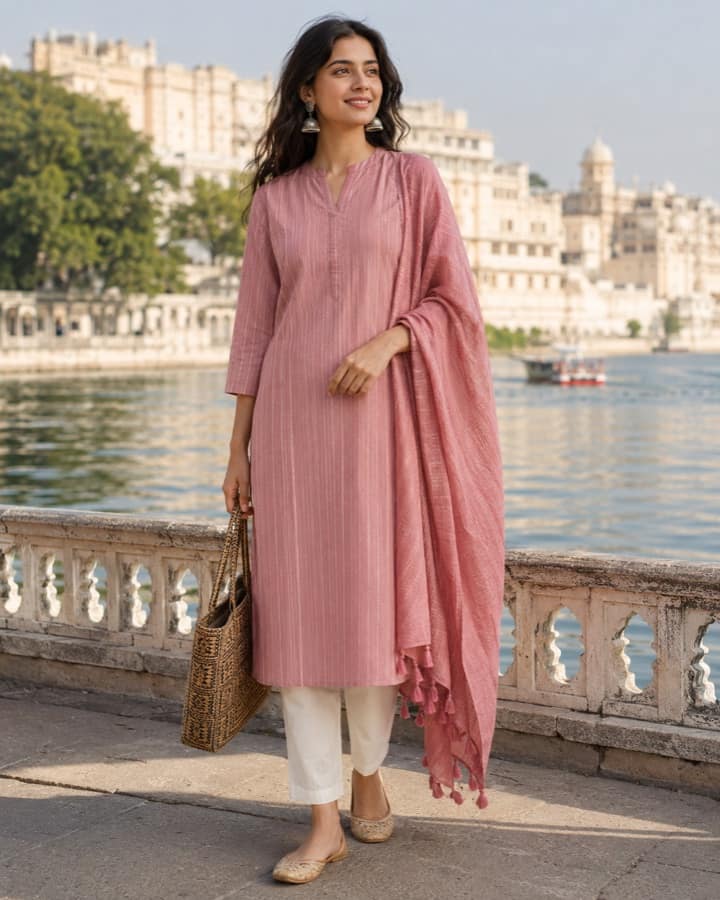
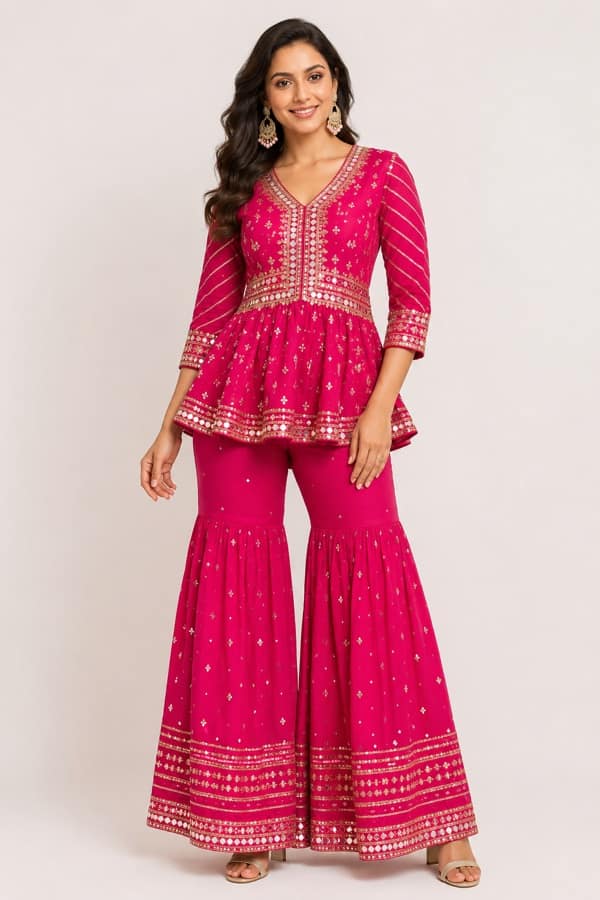
Traditional wear
Local cultural outfits
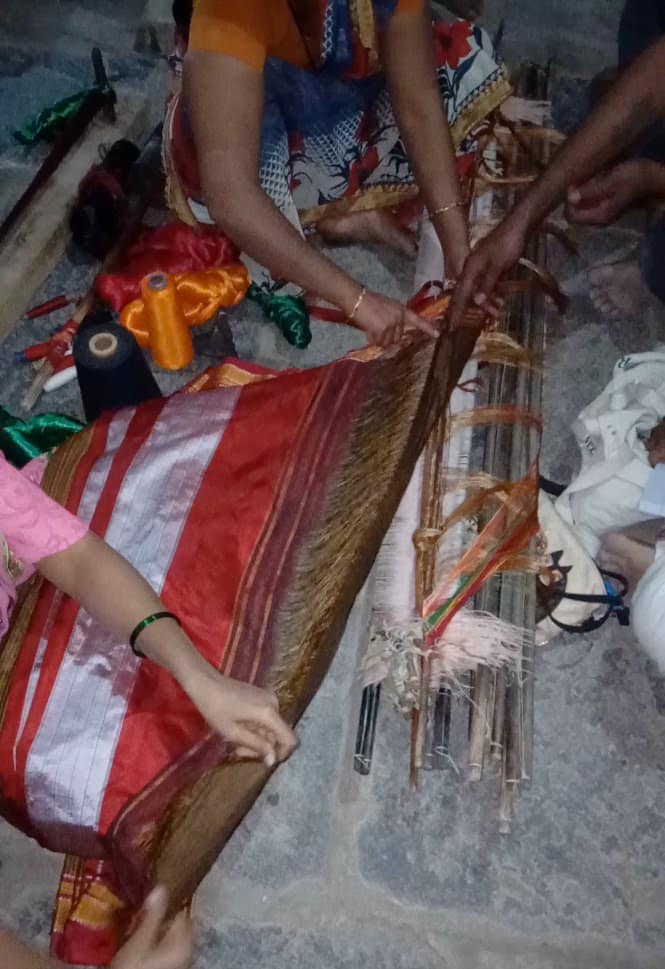
What to Wear in Badami During Winter
Winter (October to March) is the main travel season. Days are warm and sunny, while early mornings and evenings can feel cool, especially in December and January.
Best Winter Outfits for Badami
- Cotton kurtas or shirts with loose trousers
- Long skirts or dresses with covered shoulders
- A light jacket, shawl or sweater for early mornings
- A stole or dupatta for temple visits
- Sunglasses and a cap for the midday sun
What to Wear in Badami During Summer
Summer (April to June) is very hot, and temperatures often pass 40 °C by midday. Dress for the heat and plan sightseeing for early morning and late afternoon.
Best Summer Outfits for Badami
- Loose, light-coloured cotton or linen clothes
- Full-length trousers or long skirts to protect your legs from sun and hot rock
- A wide-brimmed hat or cap
- Sunglasses and sunscreen
- A thin cotton scarf to cover your head and neck
What to Wear in Badami During the Monsoon
The monsoon (July to September) is warm and humid, with on-and-off showers rather than all-day rain. Rock steps and the paths around the lake can get slippery.
Best Monsoon Outfits for Badami
- Quick-drying tops and trousers
- A light rain jacket or compact umbrella
- Shoes or sandals with a firm grip
- A small towel or spare T-shirt
Best Colours to Wear in Badami
Warm, earthy shades such as rust, mustard, ochre and deep red match the sandstone cliffs, while white, cream and teal stand out well against the green water of Agastya Lake. The traditional Ilkal saree, in deep red, maroon or mustard with its Kasuti embroidery, suits the temple backdrops.
Footwear Tips for Badami
You will climb many stone steps at the cave temples and a steep, uneven path to the fort. Wear comfortable walking sandals or trainers with a good grip. Choose shoes that are easy to take off, as you will remove them at temple entrances. Bare stone gets very hot in the afternoon sun, so thick socks help when you have to walk without shoes.
Questions
Badami — FAQ
What should I wear in Badami?
Loose, light cotton clothes that cover your shoulders and knees are the best choice. They keep you cool in the heat and are suitable for the temples. Add a hat, sunglasses and good walking shoes.
Is there a dress code for the Badami caves?
There is no strict dress code for the cave temples, but they are religious monuments, so modest clothing that covers your shoulders and knees is respectful. The Banashankari Temple is an active temple, so dress modestly there too.
Do I need warm clothes in Badami in winter?
Only a light layer. Winter days are warm and sunny, but a light jacket, sweater or shawl is useful for early mornings and evenings in December and January.
What shoes are best for Badami?
Walking sandals or trainers with a good grip are best for the cave steps and the fort climb. Pick shoes you can slip off easily at temple entrances.
What is the Ilkal saree?
The Ilkal saree is a traditional handloom saree woven in Ilkal, near Badami in Bagalkot district. It is known for its distinctive pallu and is often decorated with Kasuti embroidery, a folk embroidery style from north Karnataka.