
What to Wear in Bijapur (Vijayapura)
Bijapur sits on the dry Deccan plateau, and for most of the year the main thing to dress for is the sun. Days are hot, shade is limited between monuments, and even winter afternoons can feel warm. Loose, light-coloured cotton that covers your shoulders and knees is the most comfortable choice, and it also works for visiting the mosques and tombs.
For photos, colours like cream, rust, maroon and indigo sit well against the grey-brown stone of Gol Gumbaz and Ibrahim Rauza. If you want a local touch, look for an Ilkal saree, a handloom saree woven in the nearby town of Ilkal and known for its red pallu.
Trending wear
Modern, Instagram-friendly looks
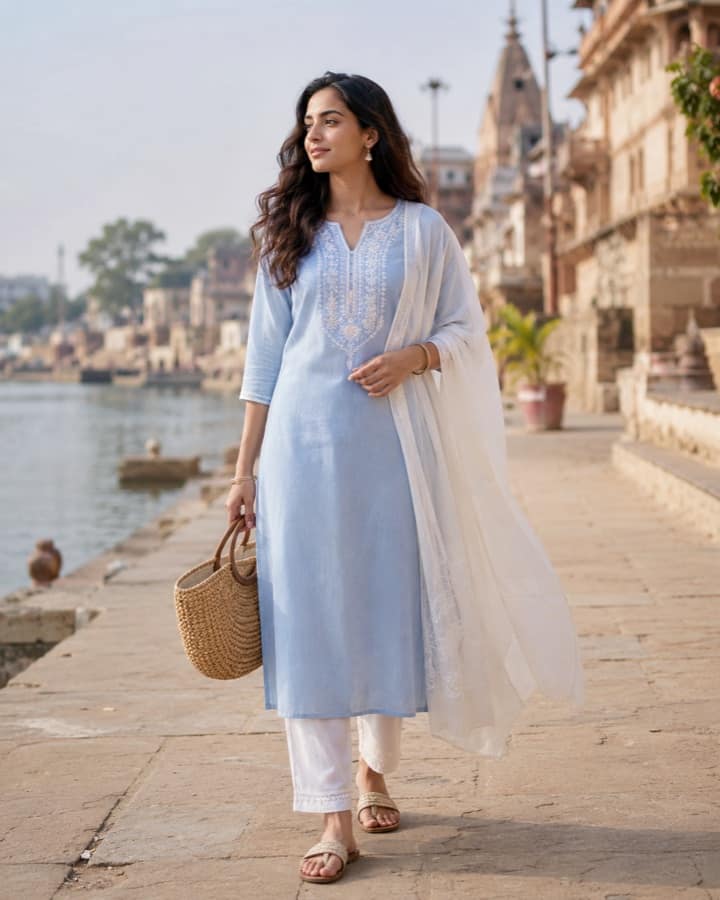
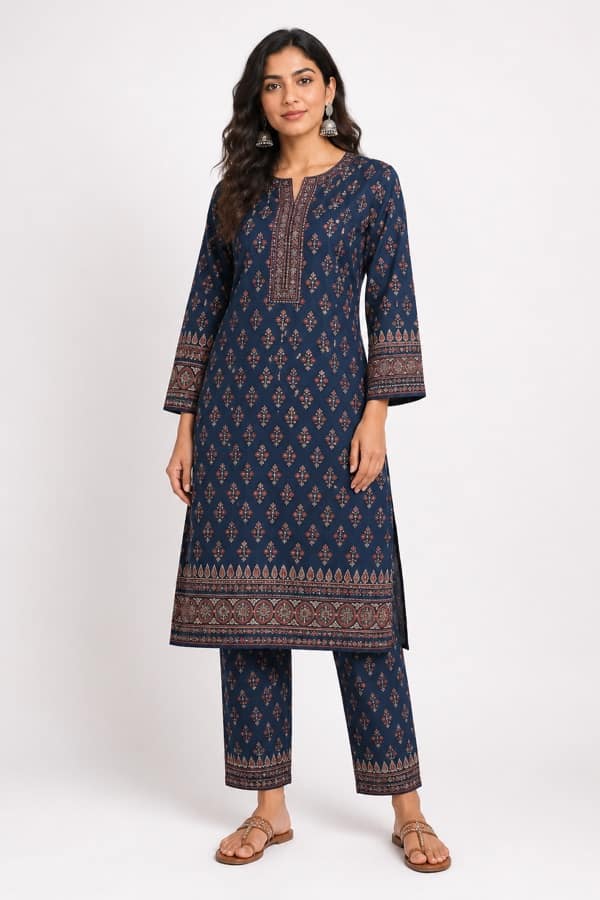
Traditional wear
Local cultural outfits
What to Wear in Bijapur During Summer
Summer (April to June) is very hot, with afternoons often above 40 °C. Wear the lightest, loosest clothes you have and keep your head covered in the sun.
Best Summer Outfits for Bijapur
- Loose cotton or linen shirts with light trousers
- Cotton kurtas with palazzos or churidars
- Long, loose cotton dresses or skirts
- A wide-brimmed hat or cap
- Sunglasses and a light scarf or dupatta for sun and dust
What to Wear in Bijapur During Winter
Winter (October to March) is the most pleasant time to visit. Days are warm and dry, while early mornings and evenings are cool, especially in December and January.
Best Winter Outfits for Bijapur
- Cotton kurtas or shirts with jeans or trousers
- Light cotton dresses with a shrug or cardigan
- A light jacket or shawl for early mornings
- A cap and sunglasses for the midday sun
What to Wear in Bijapur During the Monsoon
The monsoon (June to September) brings warm, humid days with passing showers. Bijapur gets less rain than much of Karnataka, but paths around the monuments can still be muddy.
Best Monsoon Outfits for Bijapur
- Quick-drying cotton or synthetic tops
- Light trousers that dry fast
- A compact umbrella or light rain jacket
- Sandals or shoes with a good grip
Best Colours to Wear in Bijapur
Warm, earthy colours such as cream, rust, mustard and maroon match the stone of the monuments, while indigo, deep green and royal blue stand out against the pale sky and walls. Avoid very dark colours in summer, as they absorb the heat.
Footwear Tips for Bijapur
You will walk a lot on uneven stone, gravel and dusty ground, and climb narrow stairs at Gol Gumbaz. Comfortable sandals or breathable walking shoes work best. Choose footwear that is easy to slip off, as you need to remove it at the Jama Masjid and inside some tombs. Stone floors can get very hot by midday, so a pair of socks helps in summer.
Questions
Bijapur (Vijayapura) — FAQ
What should I wear in Bijapur?
Light, loose cotton clothes that cover your shoulders and knees are best. Add a hat and sunglasses for the sun, and comfortable sandals or walking shoes for the monuments.
What should I wear to visit the Jama Masjid in Bijapur?
Wear loose clothing that covers your arms and legs. Women should carry a scarf to cover their head inside, and everyone removes their shoes before entering the mosque.
Do I need warm clothes in Bijapur in winter?
Only a light layer. Days stay warm in winter, but a shawl or light jacket is useful for early mornings and evenings in December and January.
What is an Ilkal saree?
The Ilkal saree is a handloom cotton or cotton-silk saree from the town of Ilkal in north Karnataka, known for its red pallu and traditional patterns. It carries a GI tag and makes a good souvenir from this region.
What should I wear for photos in Bijapur?
Flowing kurtas, sarees or long dresses in cream, rust, maroon or indigo look great against the domes and arches. Keep patterns simple so the architecture stays part of the picture.