
 Mild
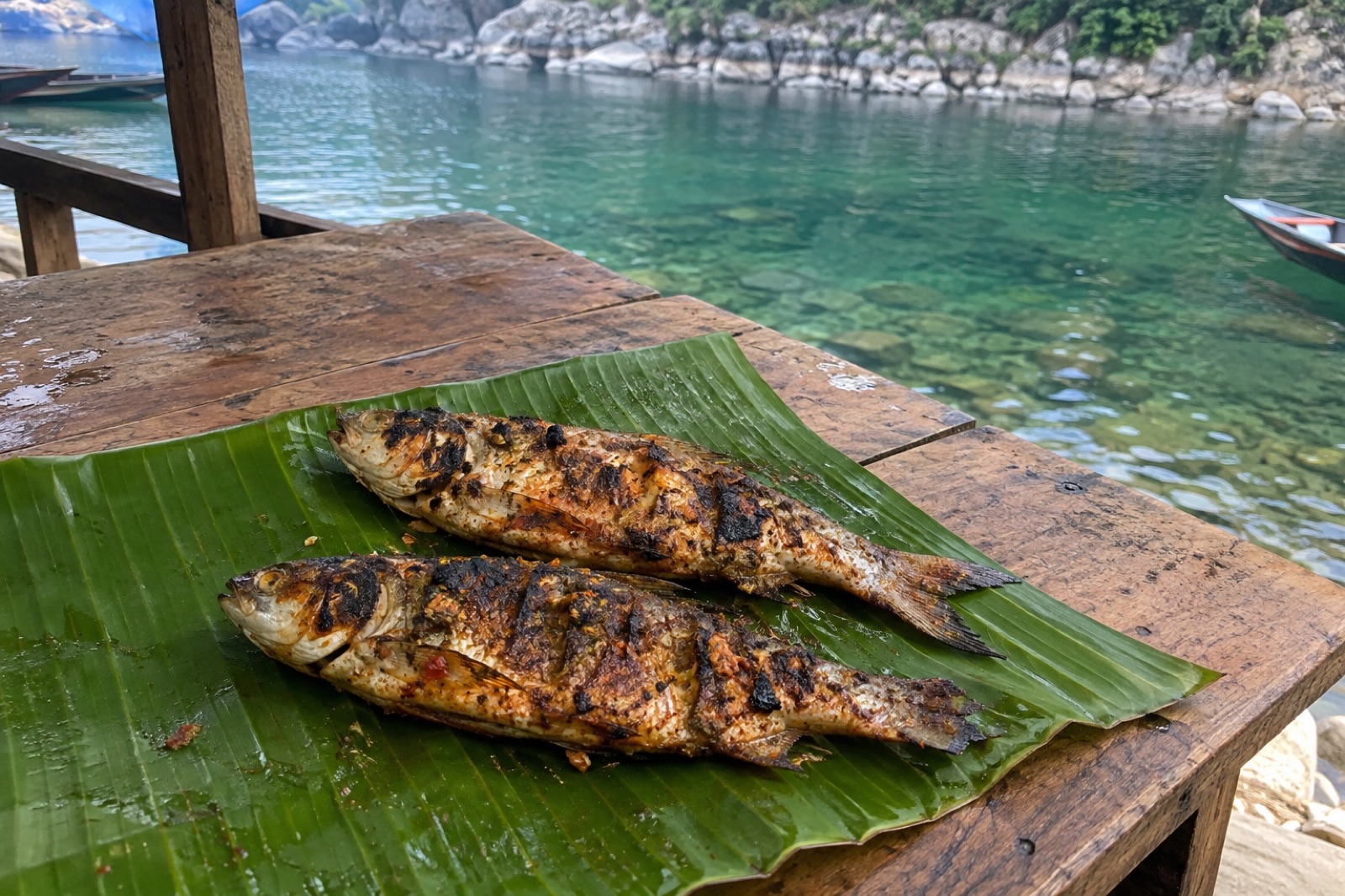
Grilled River Fish
Non-vegFresh fish from the Umngot, grilled or fried with light Khasi spices — a riverside specialty of the Dawki camps.
₹150–350
Best around: Shnongpdeng
Eat in Dawki
Search Dawki dishes by craving — grilled river fish, jadoh, momos and more.
Food in Dawki is Khasi and Jaintia home cooking, served in small roadside eateries and at the river camps. Expect rice, pork, fermented flavours and fresh fish, and not much fuss.
Popular cravings
Diet
Best for
5 Dawki dishes found
MildFresh fish from the Umngot, grilled or fried with light Khasi spices — a riverside specialty of the Dawki camps.
₹150–350
Best around: Shnongpdeng
 Medium spice
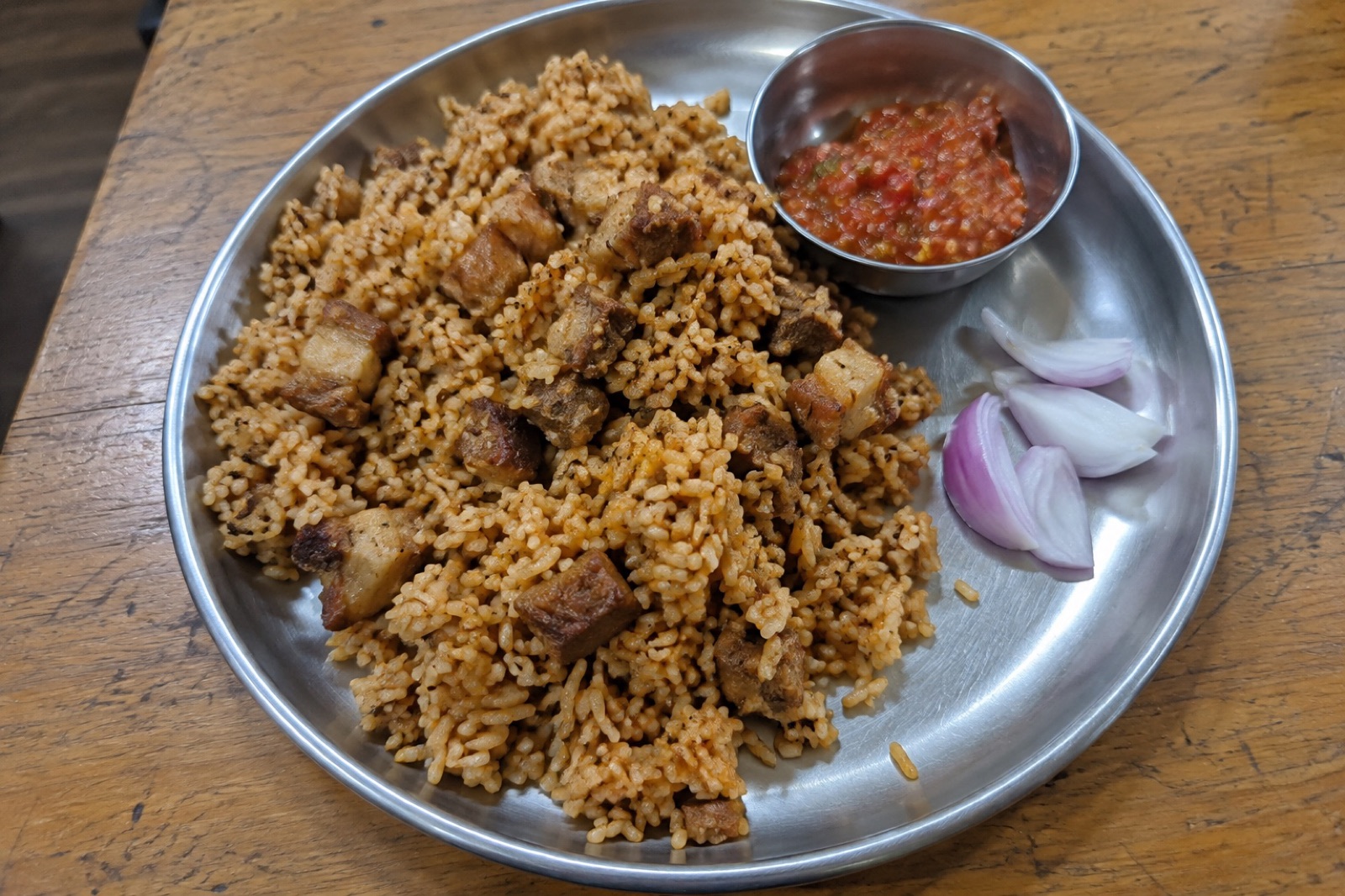
The signature Khasi dish — red rice cooked with pork (or chicken) and its blood, ginger and spices, deeply flavourful and eaten with sides — a staple of the Khasi-Jaintia table.
₹80–220
Best around: Dawki and Shnongpdeng
 Mild
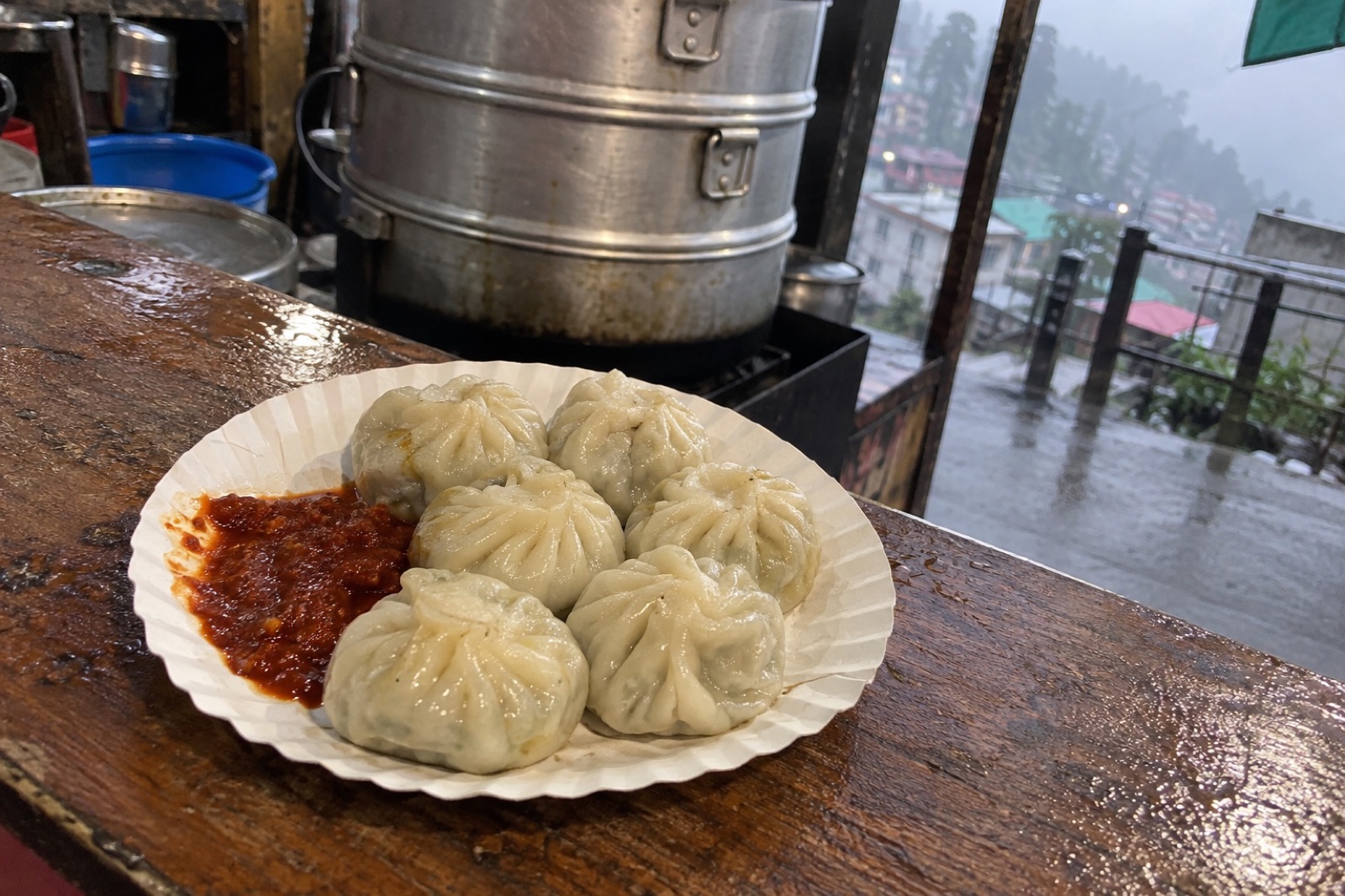
Steamed dumplings with pork, chicken or vegetable filling and a fiery chutney — the ubiquitous hill snack, everywhere in Meghalaya.
₹60–180
Best around: Dawki
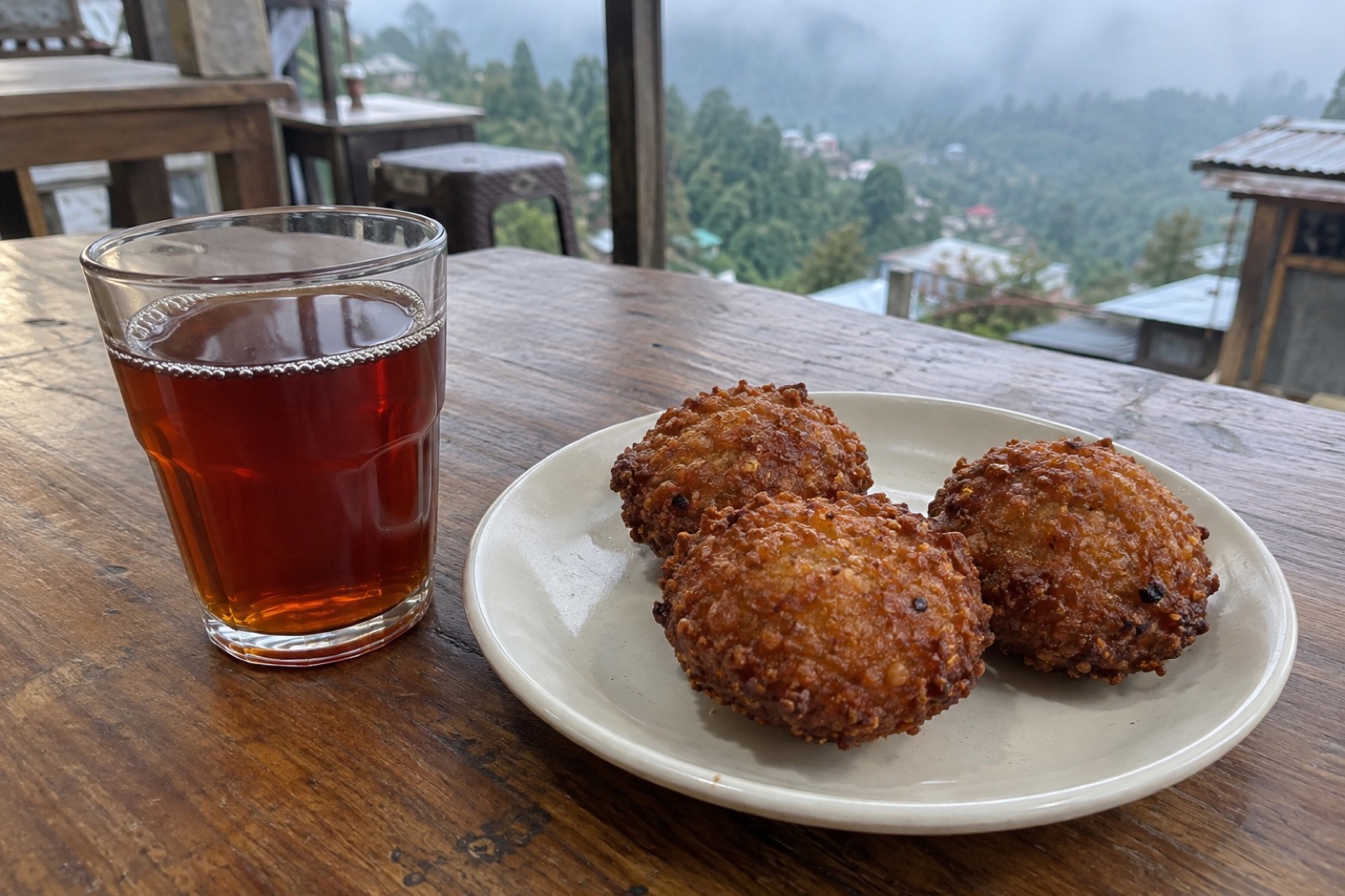
Khasi red tea (sha saw) with pukhlein — a sweet rice-and-jaggery fritter — the classic teatime pairing of the hills.
₹30–120
Best around: Dawki
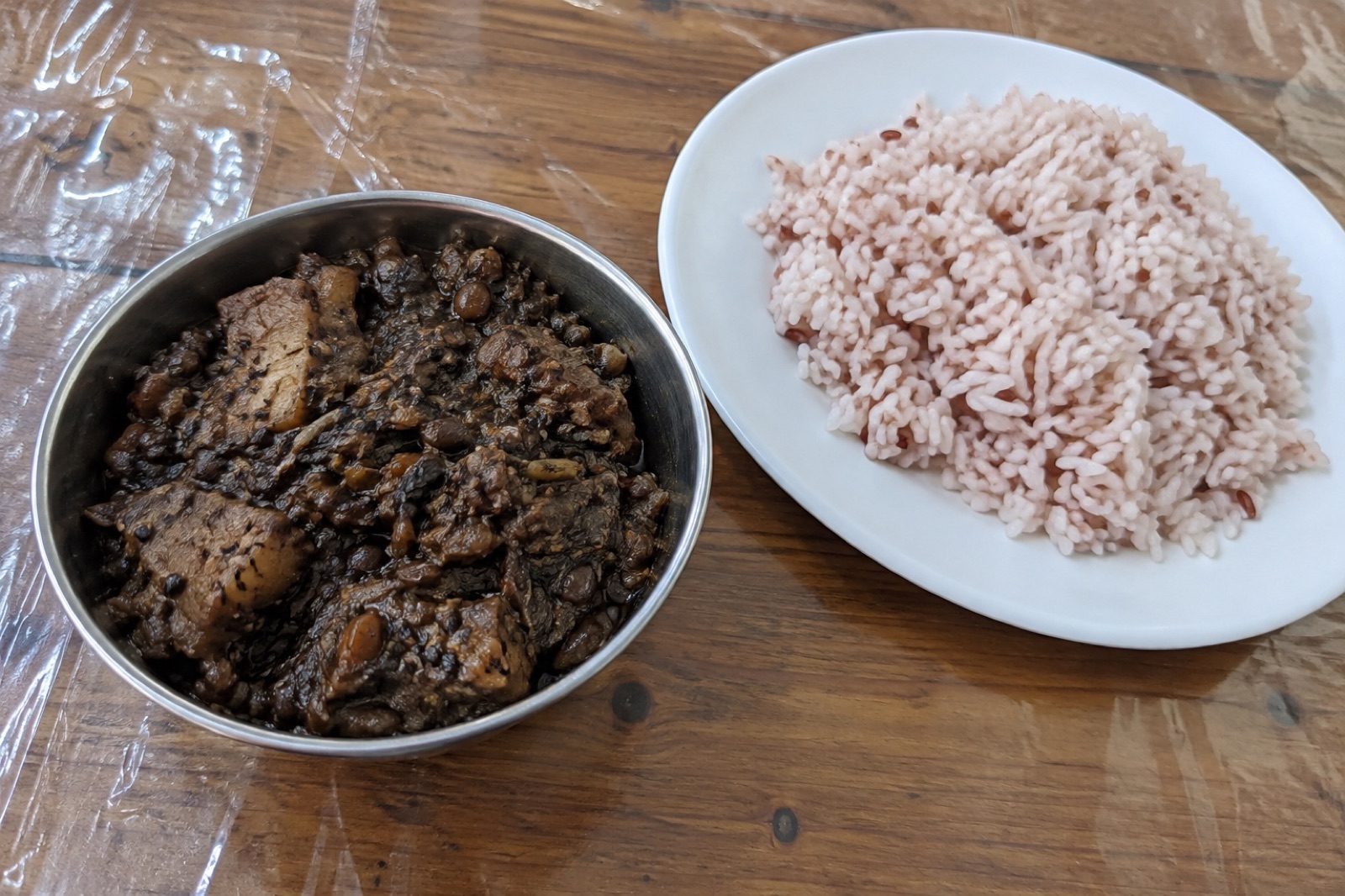 Medium spice
A pungent Khasi dish of fermented soybean paste cooked with pork, black sesame and spices — an intense, umami-rich delicacy.
₹100–250
Best around: Dawki
A Khasi meal is built on rice, with a meat or fish dish and a sharp chutney on the side. Portions are simple and filling, and flavours come from ginger, black sesame, local herbs and fermented soybean rather than heavy spice.
Jadoh is the dish to try first. It is red rice cooked with pork, or sometimes chicken, and ginger. Some versions are cooked with blood, which gives a darker colour and a deeper taste. Ask which kind you are getting if that matters to you. It is lunch food, and stalls often run out by mid-afternoon.
Tungrymbai is fermented soybean paste cooked with pork and black sesame. It has a strong smell and a rich, savoury taste, a bit like a very earthy miso. It is worth trying with plain rice, even if the smell puts you off at first.
At the camps around Shnongpdeng, fish is grilled or fried with light spices. It is often the best meal of the trip, eaten on the riverbank. Ask the camp in the morning so they can get it ready for lunch or dinner.
Momos, steamed dumplings with pork, chicken or vegetable filling, are everywhere and make a quick meal between boat rides. For an afternoon break, order red tea (sha saw), which is black tea without milk, usually sweet, with pukhlein, a fried rice-flour and jaggery sweet.
Khasi food leans heavily on pork. Vegetarians will usually find rice, dal, mixed vegetables and vegetable momos, but choice is thin. Say clearly that you want no meat and no meat stock, and carry snacks for long days.
Eat lunch in Dawki or at your camp. There is very little on the road back to Shillong until Pynursla. Small places usually take cash only. See where to eat in Dawki for the kitchens listed here.
Questions
Usually not very. The heat comes from the chutney on the side, often made with fiery local chillies, so you can take as much or as little as you like.
Some versions are. Jadoh can be plain red rice cooked with pork, or cooked with pork blood for a darker, richer dish. Ask at the counter.
Simply rather than well. Rice, dal, vegetables and vegetable momos are usually available, but most local dishes contain pork or fish. Carry snacks.