
What to Wear in Jabalpur
Jabalpur is warm for most of the year and very hot from April to June, so loose, light cotton is the base of any outfit here. Winter nights are the exception: in December and January they can drop to around 10 °C, so pack a warm layer.
Much of your sightseeing is on steps and rocks, from the ghat at Bhedaghat to the climb to Madan Mahal Fort, and several stops are temples. Choose clothes that cover your shoulders and knees, and shoes with a good grip that you can slip off easily. For photos, strong colours such as saffron, maroon or teal stand out well against the white marble.
Trending wear
Modern, Instagram-friendly looks
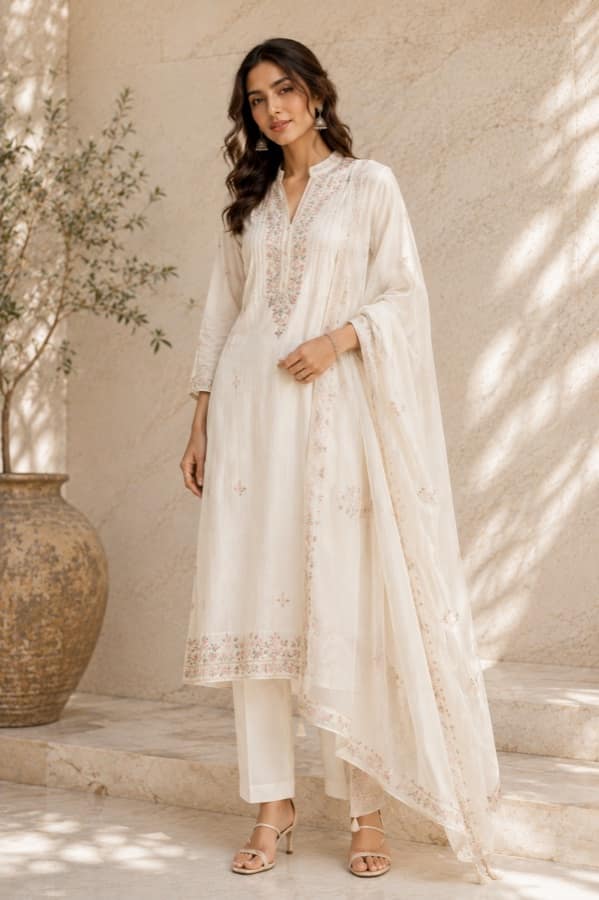
Traditional wear
Local cultural outfits
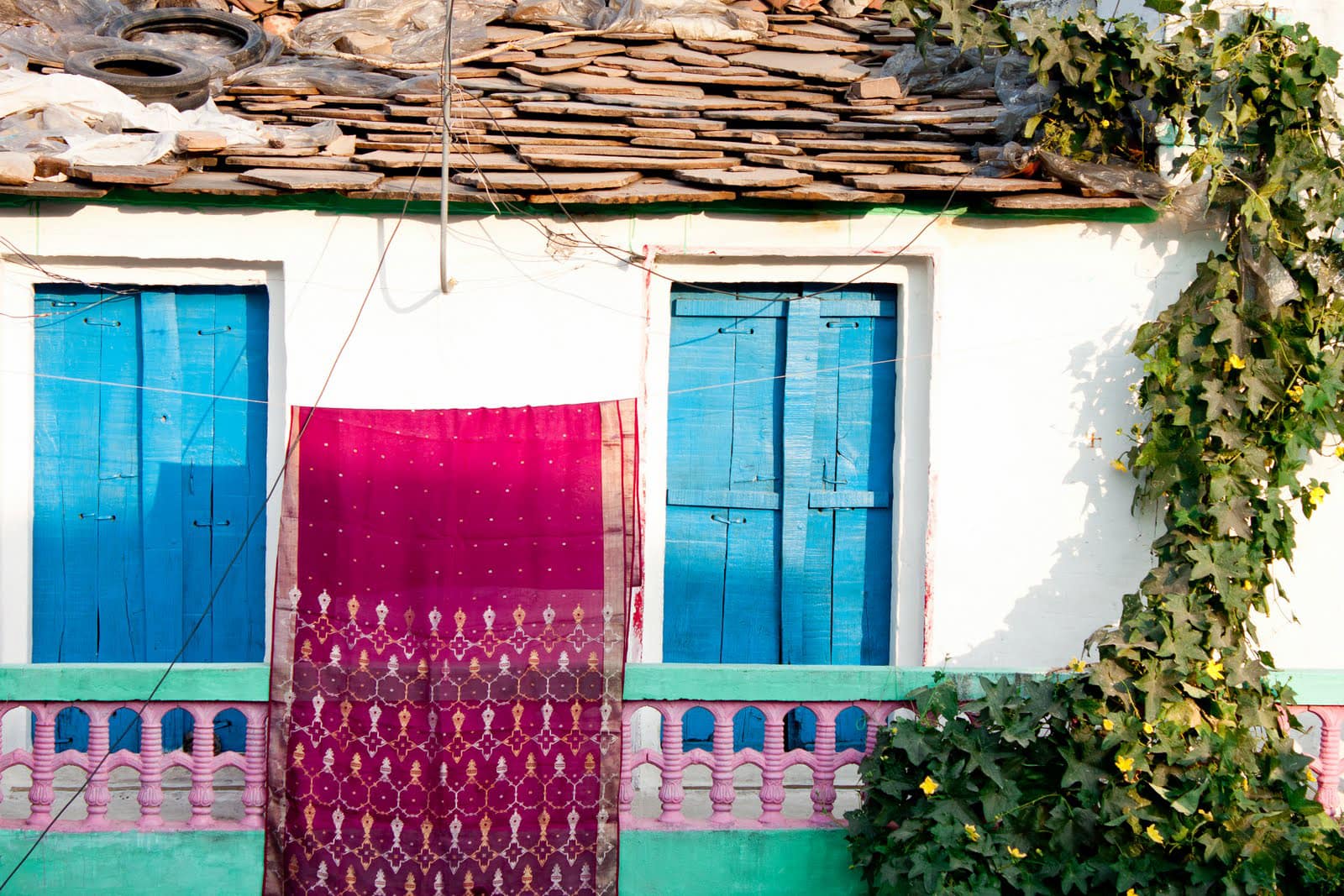
What to Wear in Jabalpur During Winter
Winter (October to March) is the most comfortable season. Days are warm and sunny, but mornings and nights turn cool, especially in December and January. If you go on to Kanha or Bandhavgarh, early-morning safaris in open jeeps can be very cold.
Best Winter Outfits for Jabalpur
- Cotton shirts, T-shirts or kurtas with jeans or trousers
- A sweater, fleece or light jacket for mornings and evenings
- A shawl or stole, which also covers you at temples
- A warm jacket, cap and gloves for dawn safaris
- Sunglasses for bright days
What to Wear in Jabalpur During Summer
Summer (April to June) is very hot and dry, with May afternoons often above 40 °C. Cover up against the sun rather than wearing less, and plan sightseeing for the early morning and late afternoon.
Best Summer Outfits for Jabalpur
- Loose, light-coloured cotton or linen clothes
- A thin long-sleeved shirt to protect your arms on the boat
- A wide-brimmed hat or cap
- Sunglasses and sunscreen
- A cotton scarf or dupatta for the sun and for temple visits
What to Wear in Jabalpur During the Monsoon
The monsoon (July to September) brings heavy rain and humid days. The boats at Bhedaghat are usually closed, so pack for the city and for wet streets.
Best Monsoon Outfits for Jabalpur
- Quick-dry tops and trousers
- A light rain jacket or poncho and a compact umbrella
- A spare set of clothes for a long day out
- Waterproof sandals or shoes with a good grip
Best Colours to Wear in Jabalpur
The white marble at Bhedaghat is a bright, pale backdrop, so strong colours such as saffron, maroon, teal, red or mustard stand out well in photos. At the Chausath Yogini Temple and Madan Mahal, earthy rust, olive or cream suit the old stone. For a traditional look, Madhya Pradesh's best-known handloom saris, Chanderi and Maheshwari, photograph well at the temples and ghats.
Footwear Tips for Jabalpur
Wear sandals with a back strap or comfortable walking shoes with a good grip. You take steps down to the boats at Panchvati Ghat and up to the Chausath Yogini Temple, and the path at Madan Mahal is rocky and uneven. Choose footwear that is easy to take off at temples, and avoid smooth soles and high heels, as the steps near the river can be wet.
Questions
Jabalpur — FAQ
What should I wear in Jabalpur?
Loose, light cotton clothes work for most of the year, with a sweater or jacket for winter evenings. Cover your shoulders and knees for temple visits, and wear shoes with a good grip for the steps at Bhedaghat.
What should I wear in Jabalpur in winter?
Wear light clothes by day and add a sweater, fleece or light jacket for the mornings and evenings. Nights in December and January can drop to around 10 °C, and early safaris at Kanha or Bandhavgarh need a warm jacket, cap and gloves.
What should I wear for the boat ride at Bhedaghat?
Wear light, comfortable clothes and carry a cap or hat for sunny days. Sandals with a back strap are best for stepping in and out of the boat. Tuck in long scarves or dupattas, and wear the life jacket over your clothes.
What shoes are best for Jabalpur?
Sandals with a back strap or walking shoes with a good grip are best. The steps down to the boats and up to the Chausath Yogini Temple can be steep, and footwear you can slip off quickly is useful at temples.
What should I wear for photos at the Marble Rocks?
Strong colours such as saffron, maroon, teal or red stand out against the pale marble and the river. A Chanderi or Maheshwari sari or a bright kurta makes a good traditional choice.