
Best Photo Spots in Kasol
Kasol is a place for river, forest and mountain photos. The Parvati river runs right past the village, the path to Chalal winds through tall pines, and a short drive brings you to the steam rising around the gurudwara at Manikaran.
Go further up the valley and the scenery gets bigger: the snow peaks behind Tosh and the high meadow at Kheerganga. Whether you like landscapes, village life or quiet café corners, these are the best photo spots in and around Kasol.
Entry Free
Chalal Village
- Best timeMorning, when the forest trail is quiet and light comes through the trees.
- ColorsOliveRustCream
 Medium crowd
Entry Free (camps extra)
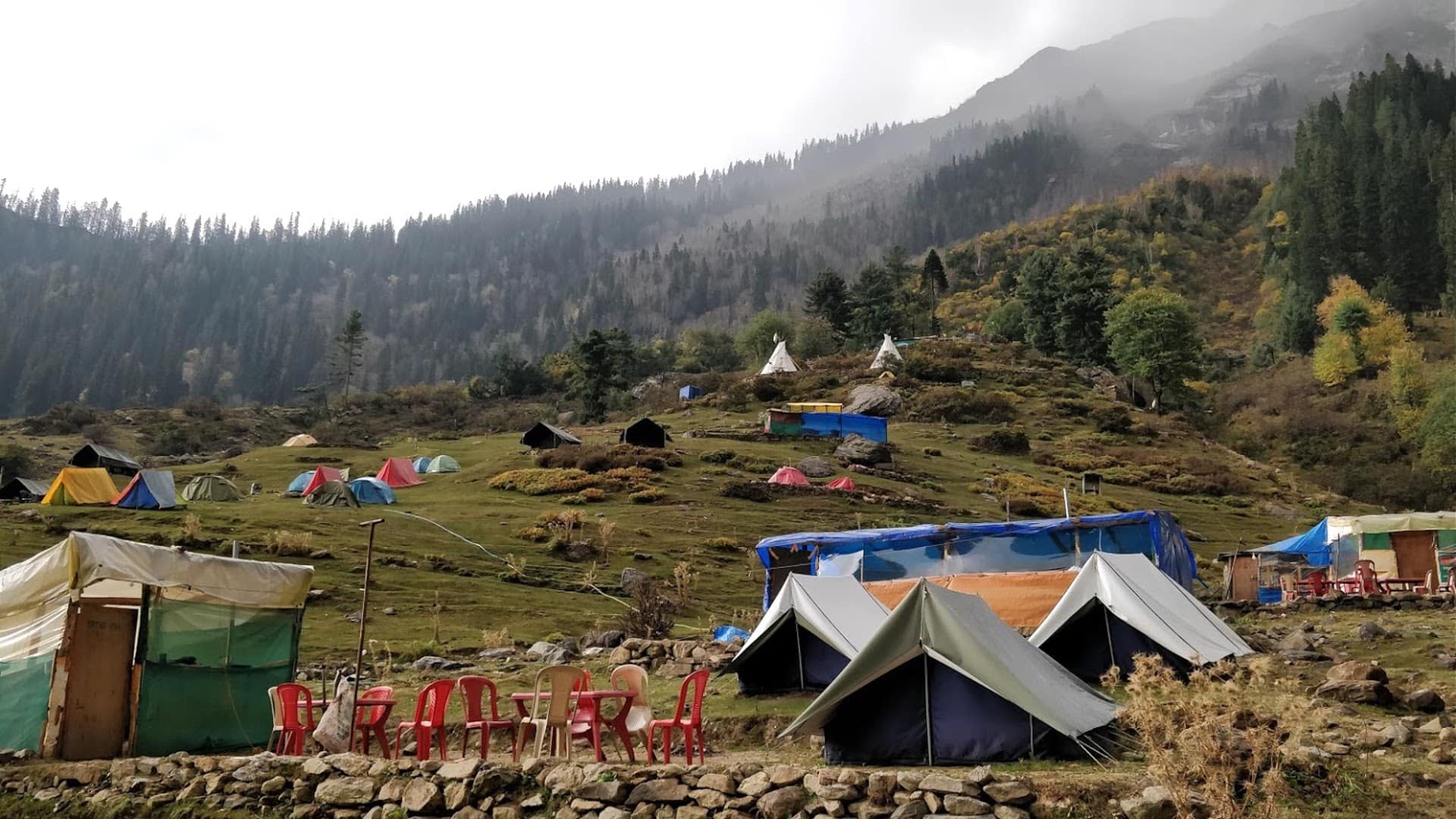
Kheerganga
- Best timeLate morning, after the climb, when the sun is on the meadow and the peaks are usually clear.
- ColorsRedOliveForest green
 High crowd
Entry Free
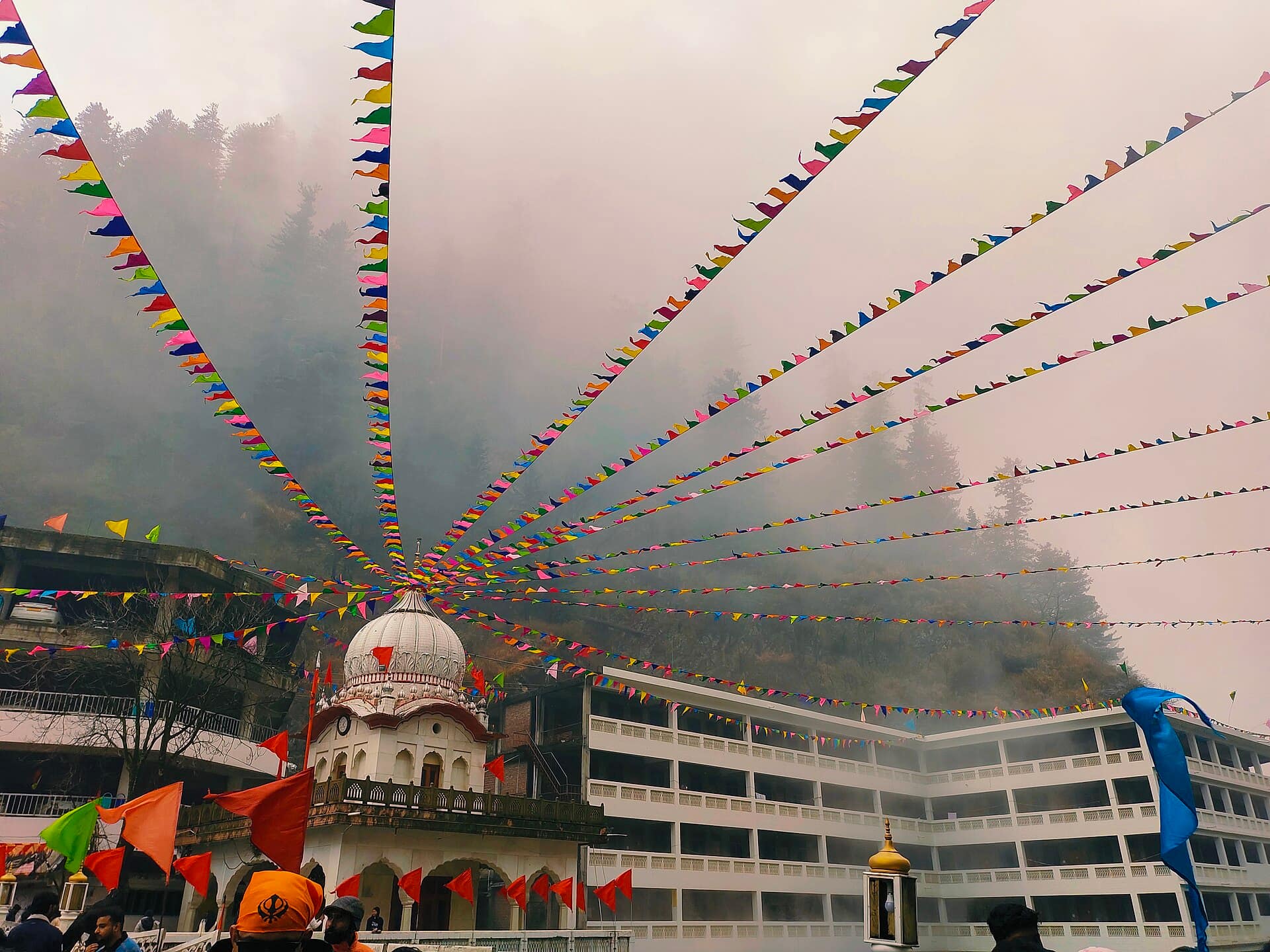
Manikaran
- Best timeEarly morning, when steam rises from the springs and the gurudwara is calm.
- ColorsSaffronWhiteBlue
 High crowd
Entry Free
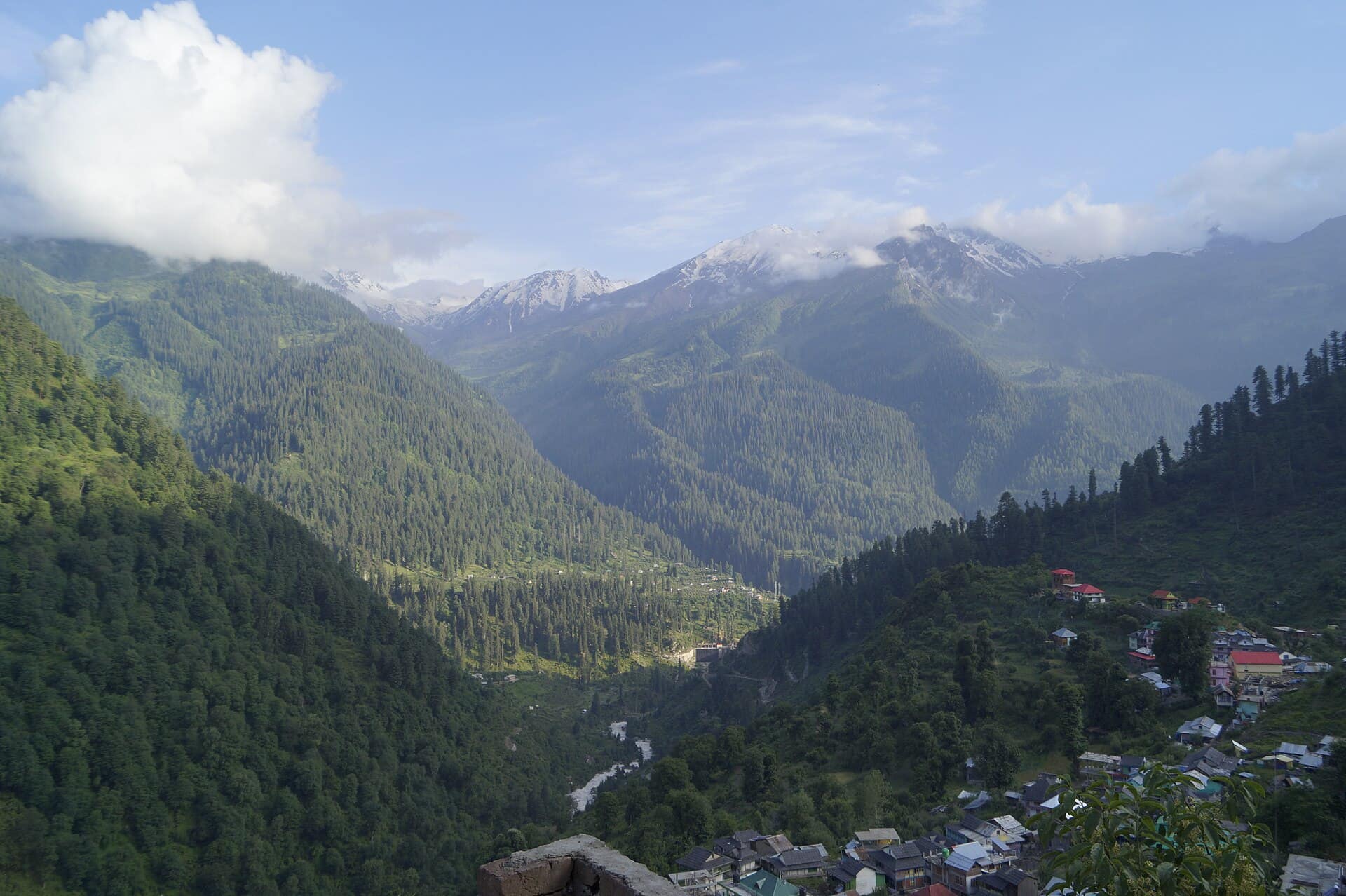
Parvati Valley
- Best timeMorning for soft light along the river; late afternoon for warm light on the pine slopes.
- ColorsRustOliveCream
 Medium crowd
Entry Free
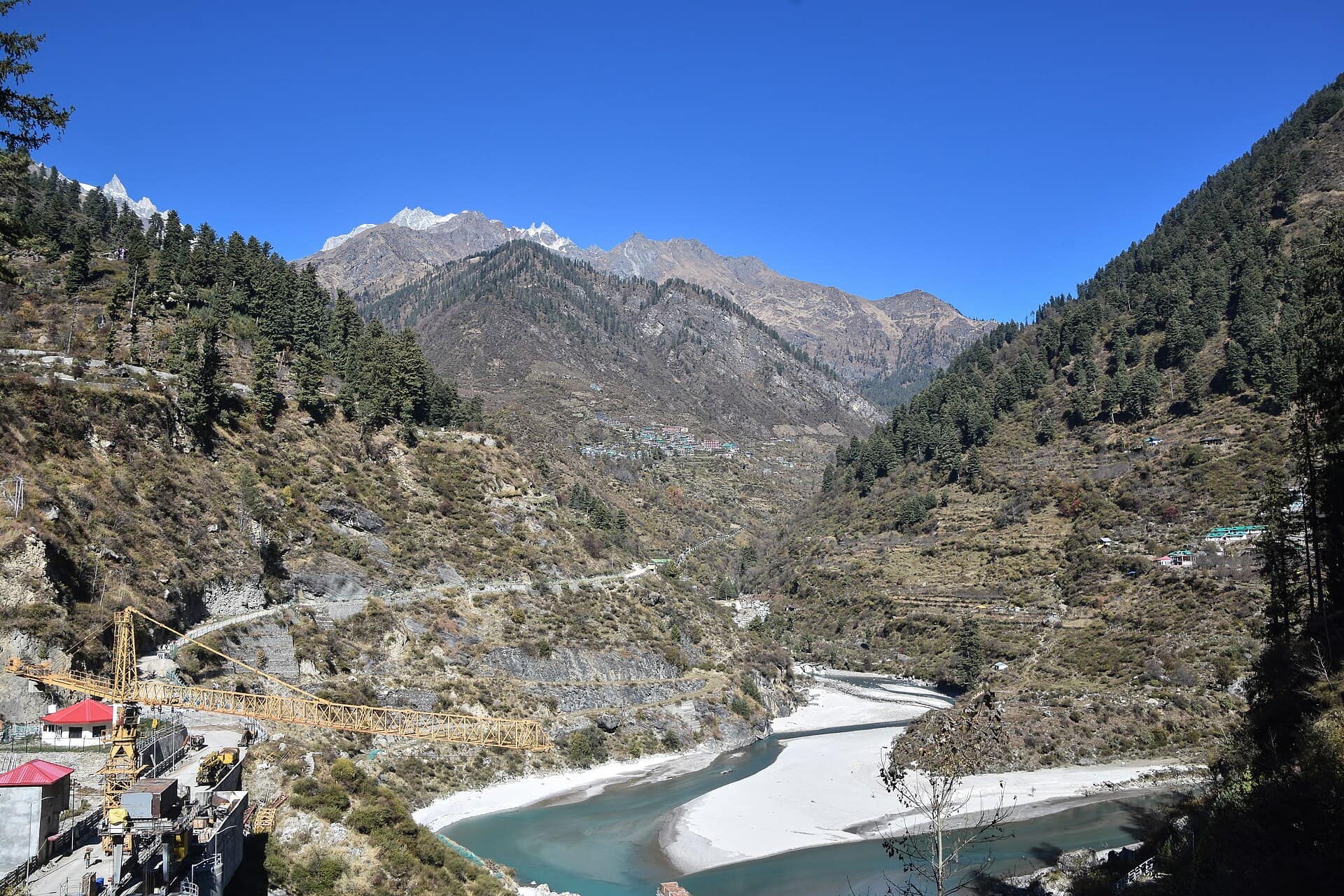
Tosh Village
- Best timeEarly morning, when the snow peaks are clear and the village is waking up.
- ColorsRustCreamForest green
Why Kasol Is Great for Photography
The Parvati Valley is narrow and steep, so almost every frame has layers in it: the river in front, pine forest on the slopes and bare peaks above. Kasol and Chalal give you the river and forest, Manikaran adds temples, a gurudwara and clouds of steam, and Tosh and Kheerganga give you open mountain views.
Because the valley is deep, the sun reaches the river late and leaves it early. Mornings are often clear, while clouds tend to build around the peaks as the day goes on.
Photography Tips for Kasol
- Shoot the peaks early: Tosh and Kheerganga are usually clearest in the morning, before clouds gather.
- Use the steam at Manikaran: The steam from the springs shows up best on cool mornings and against dark backgrounds.
- Expose for the sky by the river: The bright sky and dark forest are hard to balance, so let the shadows go a little dark.
- Stay back from the water: The Parvati is fast and cold, and river rocks are slippery. Do not climb onto rocks in the current for a photo.
- Ask before photographing people: This applies to villagers in Tosh and to pilgrims at Manikaran.
- Carry a power bank: Batteries drain faster in the cold, and charging points on the Kheerganga trail are not guaranteed.
Best Time for Photography in Kasol
March to June usually brings clear skies, long days and snow still on the peaks above Tosh. September to November is often the clearest time of all, with crisp air and autumn colours in the valley. The monsoon makes the forest very green, but rain, cloud and landslides make it the hardest season for mountain views.
For more ideas on what to wear in your photos, see what to wear in Kasol.
Questions
Kasol — FAQ
What are the best photo spots in Kasol?
The best photo spots in and around Kasol are the Parvati river in Kasol, Chalal village, Manikaran, Tosh village and Kheerganga. Together they cover river scenes, pine forests, a gurudwara with hot springs and snow-peak views.
What is the best time of day for photos in Kasol?
Early morning is best for clear views of the peaks and for steam at Manikaran. Late afternoon gives soft light on the river, though the sun leaves the valley floor early because the mountains are so steep.
Is Kasol good for Instagram photos?
Yes. The river by the cafés, the pine trail to Chalal and the snow peaks behind Tosh are some of the most shared scenes in the Parvati Valley.
Can I take photos inside Manikaran Gurudwara?
Rules can vary, so check with the staff or signs before photographing inside. The steaming springs and the outside of the gurudwara by the river make good photos, and you should never photograph people bathing.
Where can I see snow near Kasol?
The peaks above Tosh and Kheerganga carry snow for much of the year. In winter, snow can fall in the higher villages, but it is less likely in Kasol itself.