
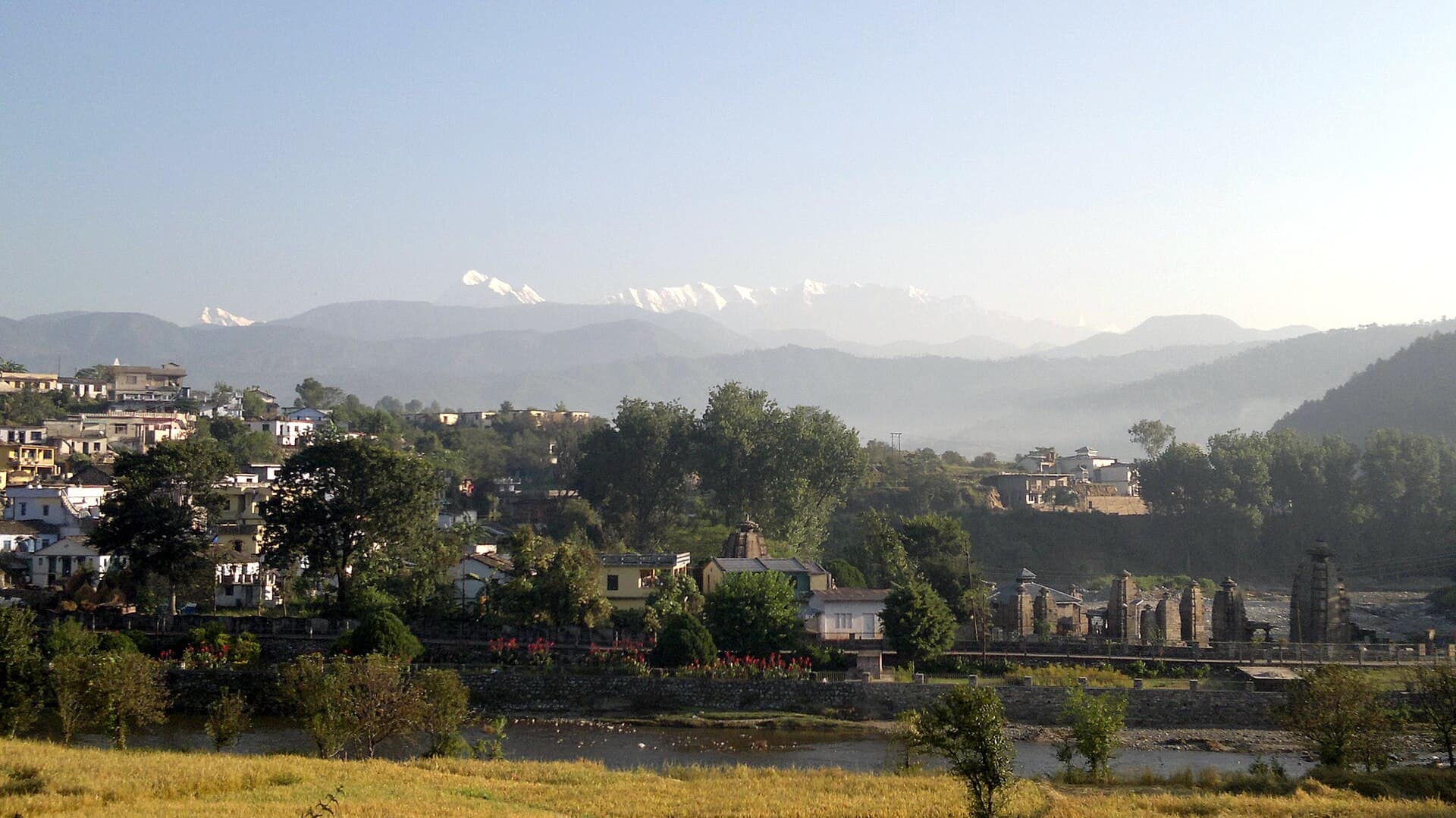
Photo spot in Kausani
Baijnath Temple
Kausani, Uttarakhand
A cluster of 12th-century Katyuri stone temples on the Gomti river near Kausani, dedicated to Shiva as Baijnath (Vaidyanath), with fine carved shrines.
Best time
Early morning for soft light on the carved stone and fewer visitors; late afternoon for long shadows across the courtyard.
Best angle
Walk down to the river steps and take a photo looking back up at the stone temples, with the Gomti in the front of the frame.
Entry fee
Free
Opening hours
6:00 AM – 7:00 PM
Crowd level
Low
Best outfit colors
Overview
Best time to visit Baijnath Temple
Early morning for soft light on the carved stone and fewer visitors; late afternoon for long shadows across the courtyard. Crowds here are typically low. Arrive a little early to claim your angle and catch the softest light before the day tips over.
Poses & angles
Photo tips for Baijnath Temple
Walk down to the river steps and take a photo looking back up at the stone temples, with the Gomti in the front of the frame. Work a few of the pose ideas below, shoot wide for context and tight for detail, and give yourself a couple of extra minutes to get the frame right.
Before the stone temples
By the Gomti riverbank
Outfit guide
What to wear at Baijnath Temple
For photos at Baijnath Temple, saffron, maroon and cream work beautifully — they stand out against the setting without fighting it. Pick one hero colour and keep the rest of the look calm so you stay the subject of the frame.
Best outfit colors for photos
Trending wear for this spot
Popular modern looks travellers are wearing across Kausani.
Traditional wear for this spot
Timeless, cultural looks that suit Baijnath Temple.
Eat nearby
Food near Baijnath Temple
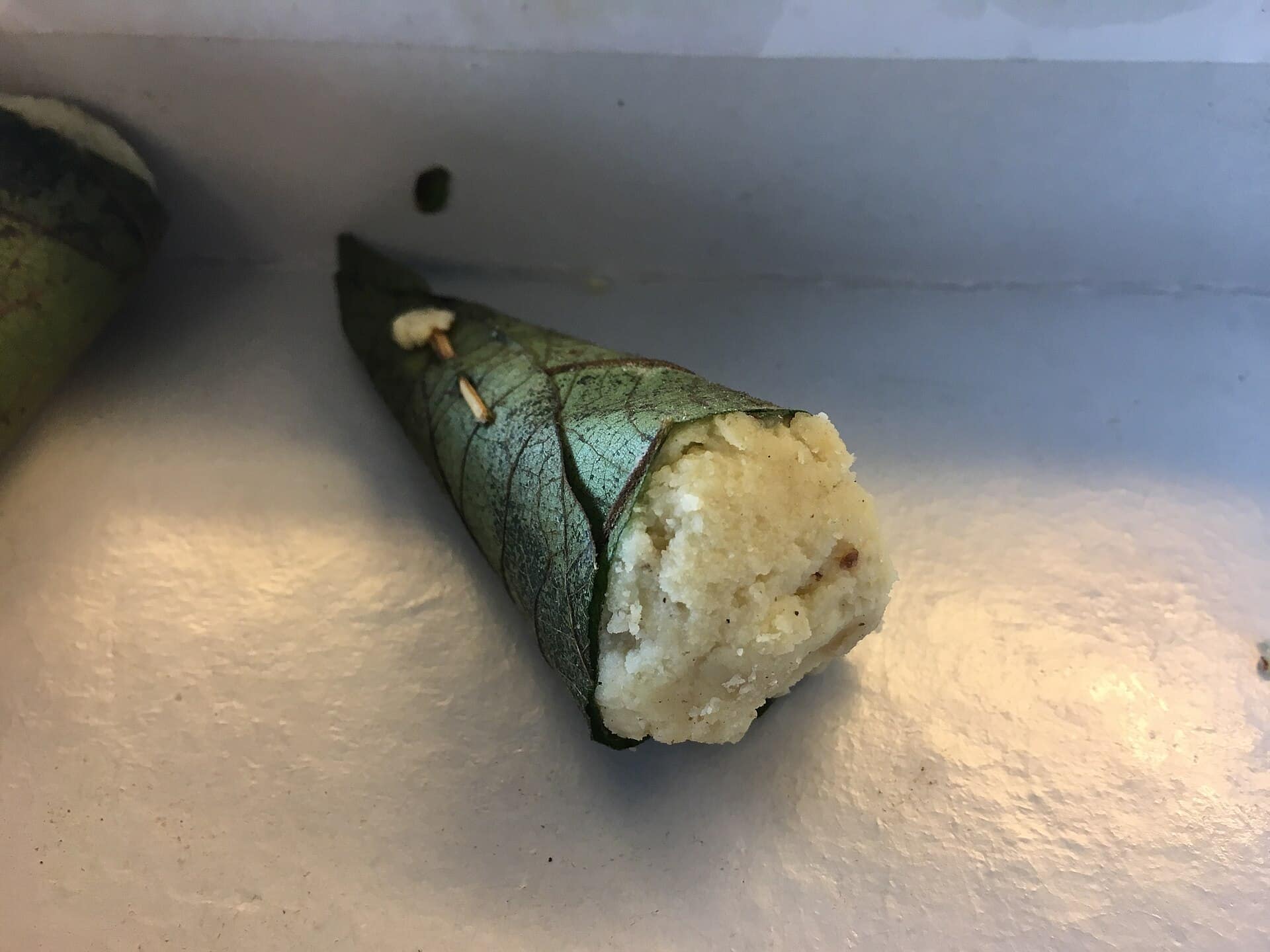
Round out the visit with something to eat. Look for singori nearby.
Special dishes to try
Search food by craving
Good to know
Local tips
Go in the early morning, when the courtyard is quiet and light shows the carving.
Do not take photos inside the main sanctum; shoot the outer walls and courtyard instead.
Take off your shoes before entering and carry socks for cold stone in winter.
Look for the carved stone Parvati, the best-known image in the complex.
Walk down the stone steps to the river for the view back up to the temples.
Buy fish food only from the stalls by the lake and never try to fish.
Combine the visit with Bageshwar, about 20 km further on the same road.
The old Katyuri capital
About 16 km from Kausani, down in the Garur valley, the small town of Baijnath was once Kartikeyapura, capital of the Katyuri kings who ruled much of Kumaon and Garhwal for several centuries. Their main legacy is the temple group on the left bank of the Gomti river, now a protected monument looked after by the Archaeological Survey of India.
The temples
The complex has 18 stone temples of different sizes, set around a paved courtyard. The main temple is to Shiva as Vaidyanath, lord of healers, from which the name Baijnath comes. Its most famous image is a finely carved stone Parvati. A life-size Bhairava sits outside the main shrine. Inscriptions found here date to about 1202, and the main temple lost its tower in a raid in the 1740s. Worship continues, so this is a living temple as well as a monument.
The river side
The temples are approached from the river by a flight of stone steps, said to have been built on the orders of a Katyuri queen. Beside the complex is a lake made in 2016, where the fish, including golden mahseer, are protected. Feeding them is a local custom; fishing is not allowed.
Visiting
Photography is not allowed inside the main sanctum, but the courtyard, the carved outer walls and the river steps are open to cameras. Take off your shoes before entering the courtyard and dress modestly. The site is busiest on Maha Shivratri and Makar Sankranti.
Getting there
Baijnath is on the road from Kausani to Bageshwar, via Garur, and is easy to combine with a trip to Bageshwar. It is lower and warmer than Kausani, so you may shed a layer.
Questions
Baijnath Temple — FAQ
What is the best time to visit Baijnath Temple?
Early morning for soft light on the carved stone and fewer visitors; late afternoon for long shadows across the courtyard. Walk down to the river steps and take a photo looking back up at the stone temples, with the Gomti in the front of the frame.
Is there an entry fee at Baijnath Temple?
Entry to Baijnath Temple is free.
What are the opening hours of Baijnath Temple?
Baijnath Temple is open 6:00 AM – 7:00 PM.
What should I wear at Baijnath Temple?
Saffron, maroon and cream photograph especially well here. Explore the trending and traditional outfit ideas on this page for full looks.
How crowded does Baijnath Temple get?
Crowd levels are typically low. To miss the busiest window: early morning for soft light on the carved stone and fewer visitors; late afternoon for long shadows across the courtyard.
What food should I try near Baijnath Temple?
Try singori at spots close by.
How far is Baijnath from Kausani?
About 16 km by road, via Garur. The drive usually takes 30 to 45 minutes.
Who built the Baijnath temples?
The Katyuri kings, whose capital was here. Inscriptions in the complex date to about 1202.
Is there an entry fee at Baijnath?
No, entry is free. Offerings and donations are optional.
Is photography allowed at Baijnath?
Yes in the courtyard and outside the temples, but not inside the main sanctum.