

Must-try in Manali
Siddu
Manali, Himachal Pradesh
A steamed wheat bun stuffed with spiced walnuts or poppy seeds, served hot with ghee or dal — Himachali comfort food.
Taste
Savoury, wholesome
Spice level
Mild
Best time to eat
Lunch
Price range
₹60–150
Food type & tags
Best paired with
Chaas or lassi
The dish
What is Siddu?
Expect it to be savoury, wholesome, with a mild kick.
The story
Why is Siddu famous in Manali?
A beloved cold-weather staple of the Himachal hills.
When to go
Best time to eat it
Siddu is best enjoyed at lunch, ideally with chaas (spiced buttermilk) or a sweet lassi. Many spots make fresh batches through the day, so it’s easy to fit into your plan.
Where to eat
Best places to try Siddu
Trusted Manali spots — hours and directions.
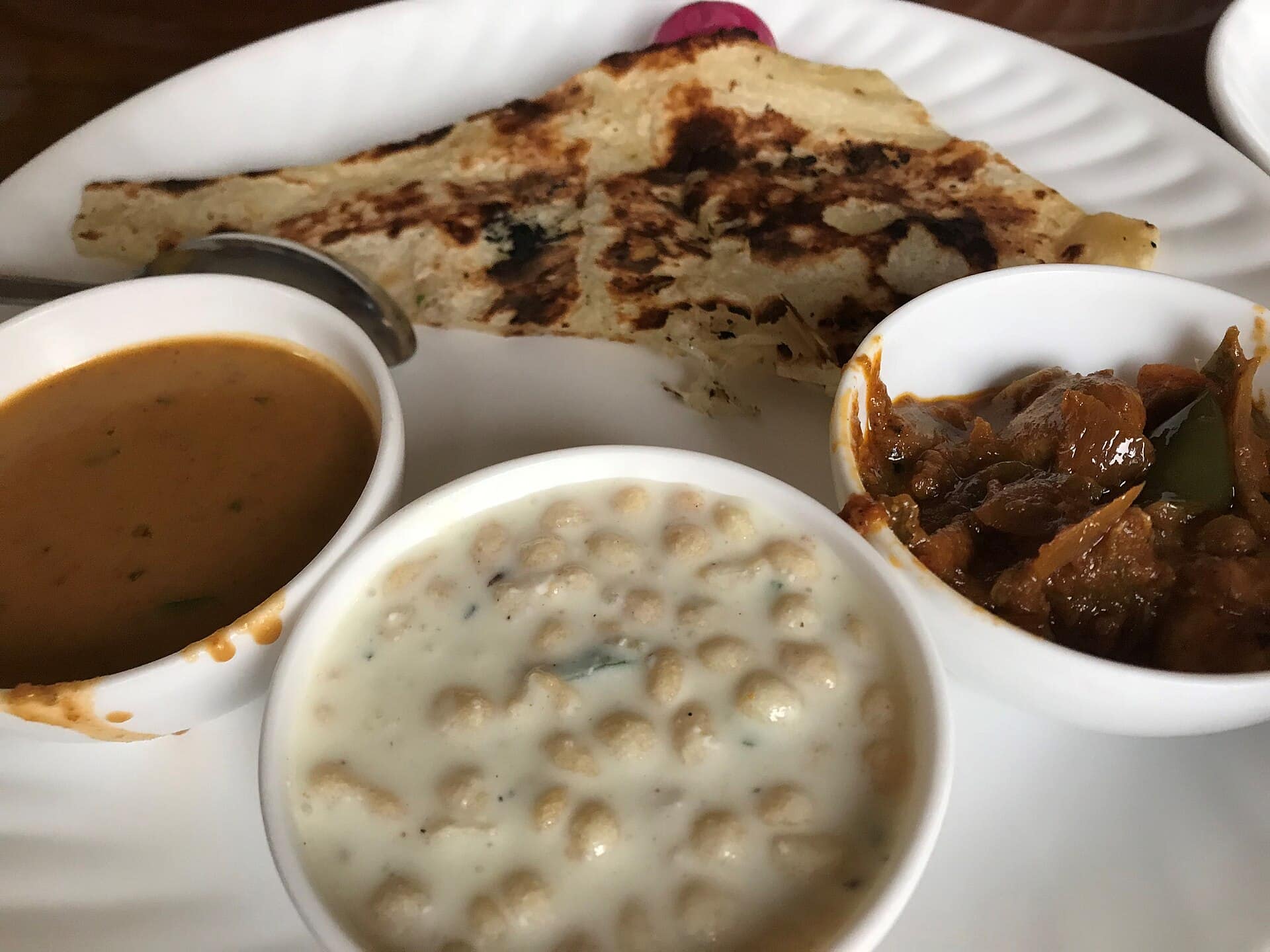 Representative photoRepresentative photo
Perfect pairing
What to eat with Siddu
Siddu pairs best with chaas (spiced buttermilk) or a sweet lassi. It’s a vegetarian special, so keep the rest of the plate light and let the dish be the star.
Make a morning of it
Pair it with a photo spot
Eat well, then shoot nearby in Manali.
Hadimba Temple
Morning for soft light and fewer crowds; evening for a warm, peaceful feel.
Fuel up on Siddu, then shoot Hadimba Temple.
See photo spotOld Manali
Morning — fewer crowds, soft natural light and a peaceful atmosphere
Fuel up on Siddu, then shoot Old Manali.
See photo spot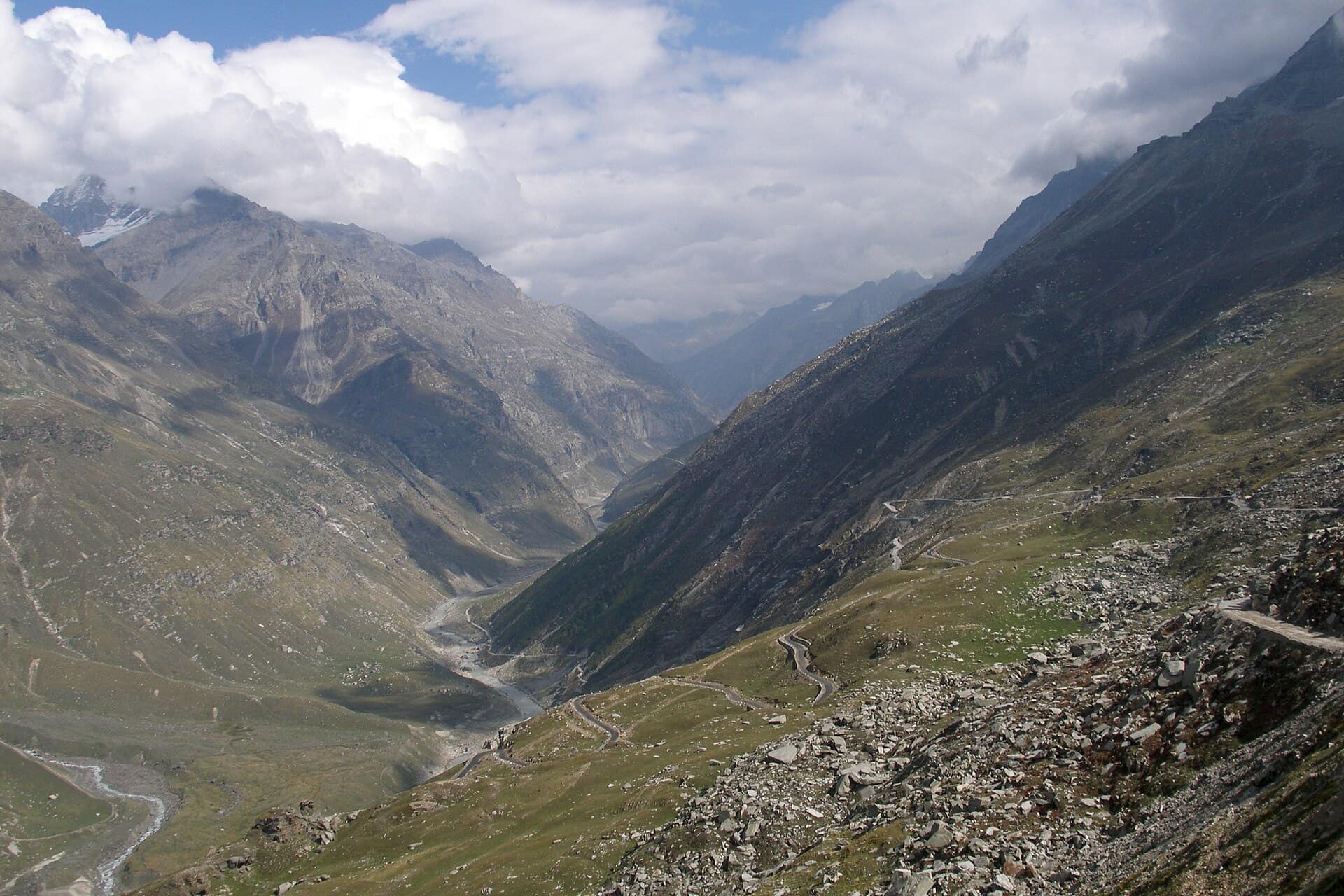
Rohtang Pass
Set off at first light and shoot mid-morning, before cloud builds over the pass — check the day's road status first
Fuel up on Siddu, then shoot Rohtang Pass.
See photo spotWant something else?
Search Manali food by craving
Siddu in Manali
On the celebration table in Manali, Siddu holds its place - savoury, wholesome, vegetarian, and exactly the kind of thing worth crossing town for.
The short version: A steamed wheat bun stuffed with spiced walnuts or poppy seeds, served hot with ghee or dal — Himachali comfort food
🍛 What it is
A steamed wheat bun stuffed with spiced walnuts or poppy seeds, served hot with ghee or dal — Himachali comfort food - that is the whole idea of it, and everything else on this page follows from there.
It sits in the city's food life as a occasion dish - eaten at lunch, served the way the locality serves it, and priced the way the locality prices it.
Locally it is filed under: pahari, home-style - which is the vocabulary to use when asking for it.
📜 Where it comes from
In Manali, a beloved cold-weather staple of the Himachal hills.
Dishes like this travel badly and reproduce badly - the version in Manali is the reference version, made for the local palate at local prices.
👅 The taste, honestly
The register of it is savoury, wholesome - that is the honest one-line tasting note, and it holds from the first bite to the last.
The heat is gentle - a warmth rather than a challenge.
As a occasion dish dish it is made to accompany rather than dominate - which tells you what to order around it: it sits beside a drink or a main without competing.
🕐 When to eat it
Locals eat it lunch - and matching the local clock is half the pleasure of the dish.
For a proper meal dish, the meal-time rhythm applies: the kitchen is at its sharpest in the run-up to the peak, and the plate you get at the height of service is the plate to judge.
🥣 Ordering it well
In India, order at the busiest counter you can find - queue length is the review system, and the place with the line is the place with the turnover.
At pure-vegetarian places, the whole menu is safe ground - and in Manali that is most of the city's best food anyway.
💰 What it costs
The local range is ₹60–150 in Manali - within it you are paying the local price; far above it, you are paying for something else.
It is a budget-friendly item - kind to every wallet, and no less authentic for it.
Carry small notes - the smallest transactions run smoothest with the smallest denominations.
🤝 Eating it like a local
The Indian table habits apply: eaten with the right hand by tradition (cutlery always available), shared plates going around the table, and the order of eating - savoury first, sweet last - treated as common sense.
And the pairing instinct: keep the rest of the order simple and let one dish carry the meal.
Questions
Siddu — FAQ
What is Siddu?
A steamed wheat bun stuffed with spiced walnuts or poppy seeds, served hot with ghee or dal — Himachali comfort food.
Is Siddu veg or non-veg?
Siddu is vegetarian. Spice level: mild.
Where can I try the best Siddu in Manali?
Try Café 1947. See the "Best places to try it" section above for hours and directions.
What should I eat with Siddu?
Pair it with chaas (spiced buttermilk) or a sweet lassi.
When is the best time to eat Siddu?
Siddu is usually eaten at lunch.