
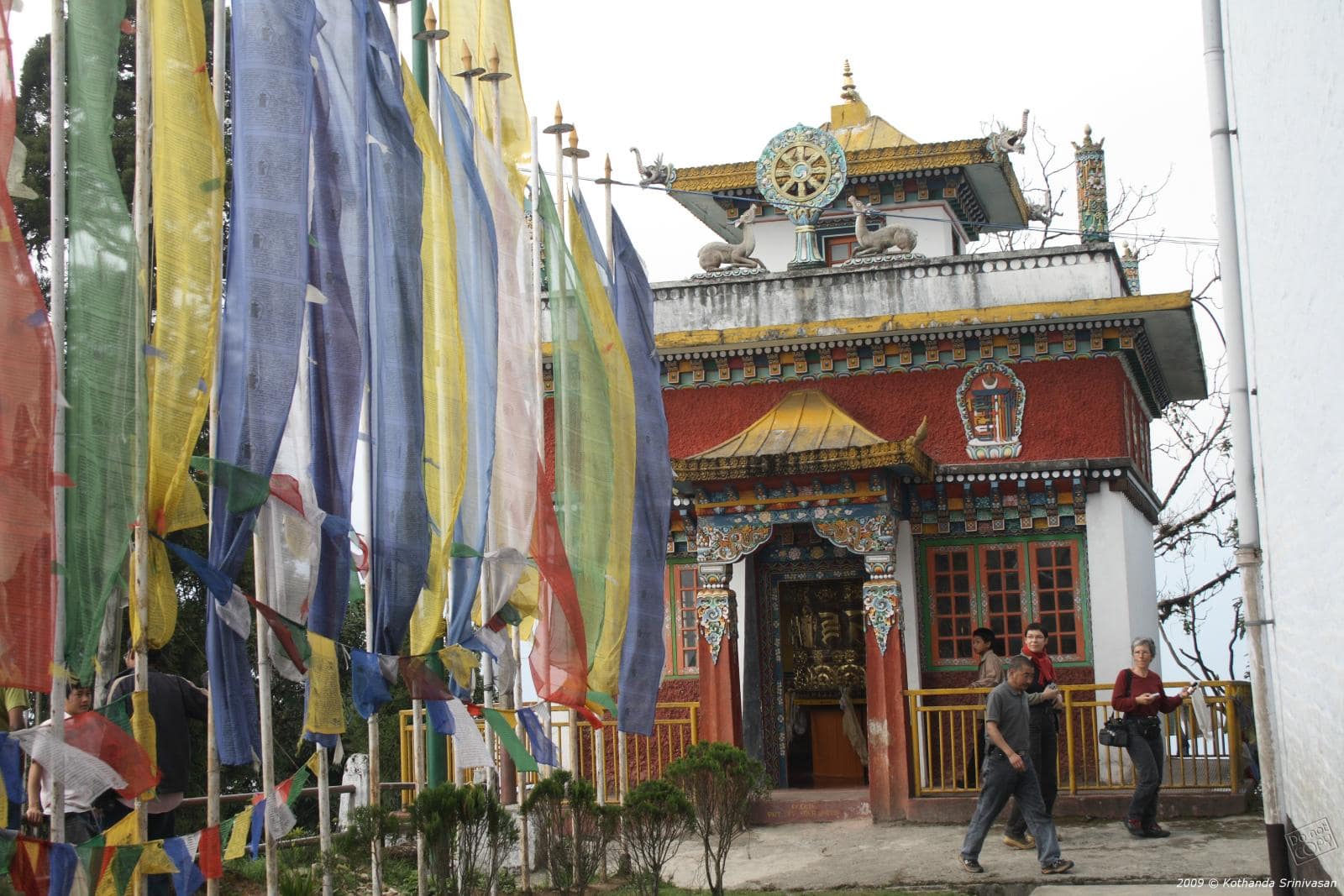
Photo spot in Pelling
Pemayangtse Monastery
Pelling, Sikkim
One of Sikkim's oldest and most important Nyingma monasteries (1705), 'Perfect Sublime Lotus', with ancient murals, sculptures and a remarkable seven-tiered wooden model of the heavenly palace.
Best time
Early morning, when the peaks are clear behind the roof and the courtyard is quiet; late afternoon for warm light on the painted front.
Best angle
Stand at the far side of the courtyard and take a straight-on photo of the painted front with the prayer flags and the mountains above the roof.
Entry fee
Nominal
Opening hours
7:00 AM – 5:00 PM
Crowd level
Medium
Best outfit colors
Overview
Best time to visit Pemayangtse Monastery
Early morning, when the peaks are clear behind the roof and the courtyard is quiet; late afternoon for warm light on the painted front. Crowds here are typically medium. Arrive a little early to claim your angle and catch the softest light before the day tips over.
Poses & angles
Photo tips for Pemayangtse Monastery
Stand at the far side of the courtyard and take a straight-on photo of the painted front with the prayer flags and the mountains above the roof. Work a few of the pose ideas below, shoot wide for context and tight for detail, and give yourself a couple of extra minutes to get the frame right.
At the monastery courtyard
With Kanchenjunga behind
Outfit guide
What to wear at Pemayangtse Monastery
For photos at Pemayangtse Monastery, maroon, saffron and cream work beautifully — they stand out against the setting without fighting it. Pick one hero colour and keep the rest of the look calm so you stay the subject of the frame.
Best outfit colors for photos
Trending wear for this spot
Modern, camera-ready looks picked for Pemayangtse Monastery.
Traditional wear for this spot
Timeless, cultural outfits worn across Pelling.
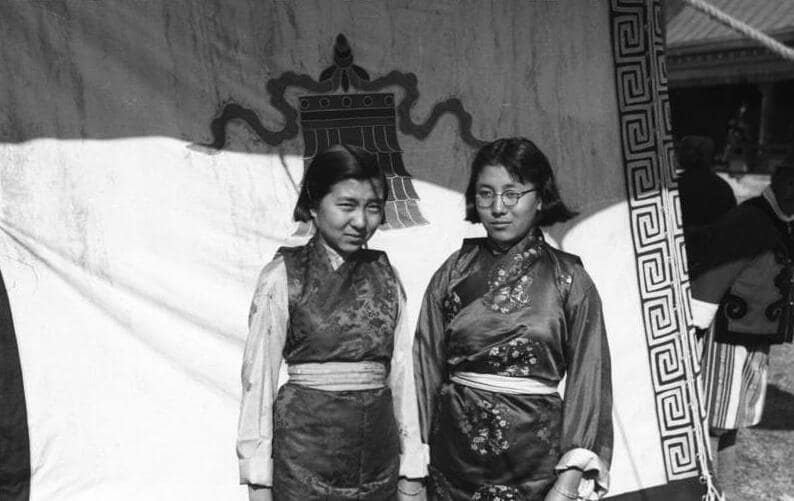
Eat nearby
Food near Pemayangtse Monastery
Round out the visit with something to eat. Look for thukpa nearby, or settle in at one of the 1 restaurants close by.
Special dishes to try
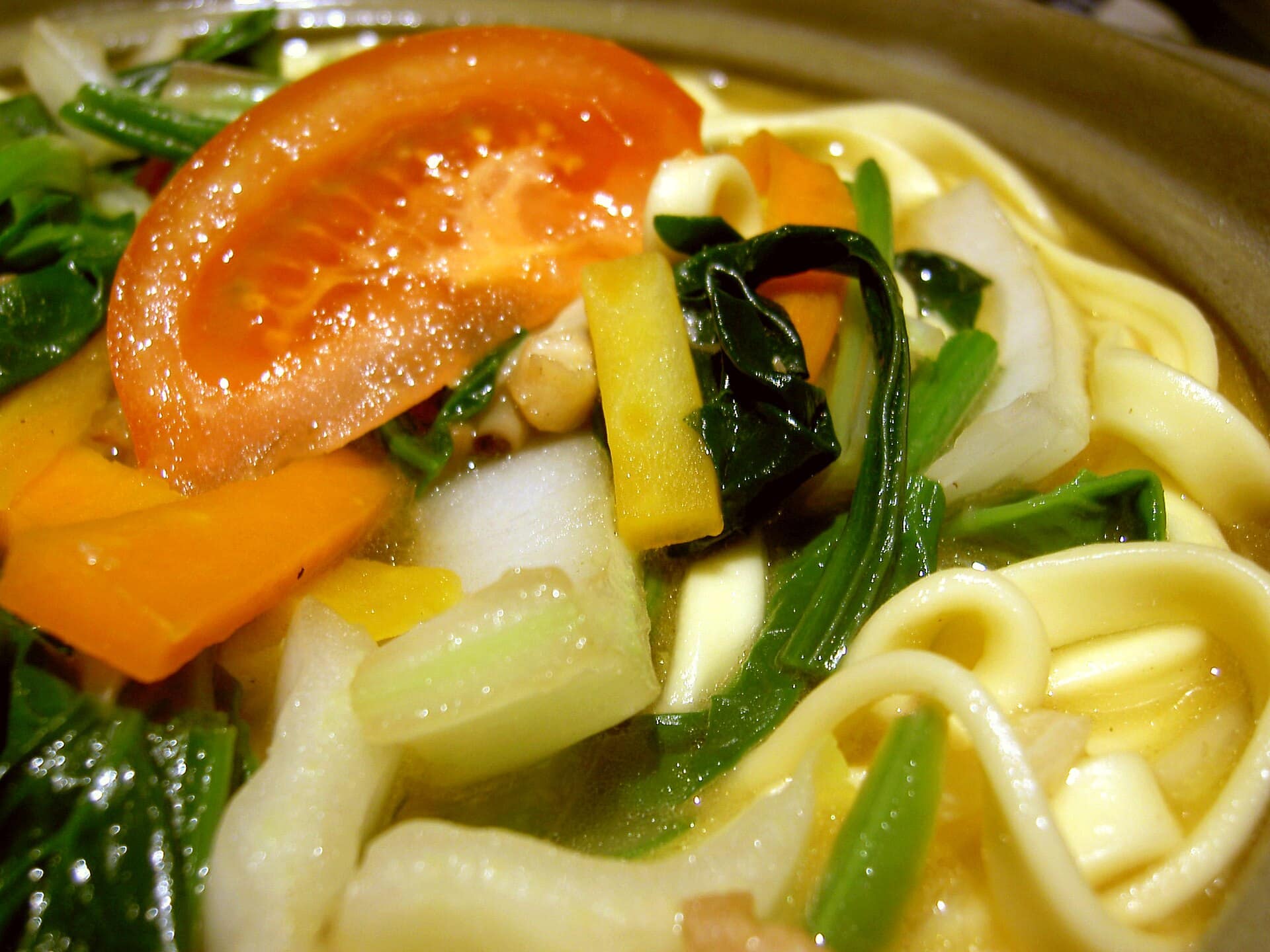
Restaurants & food places nearby
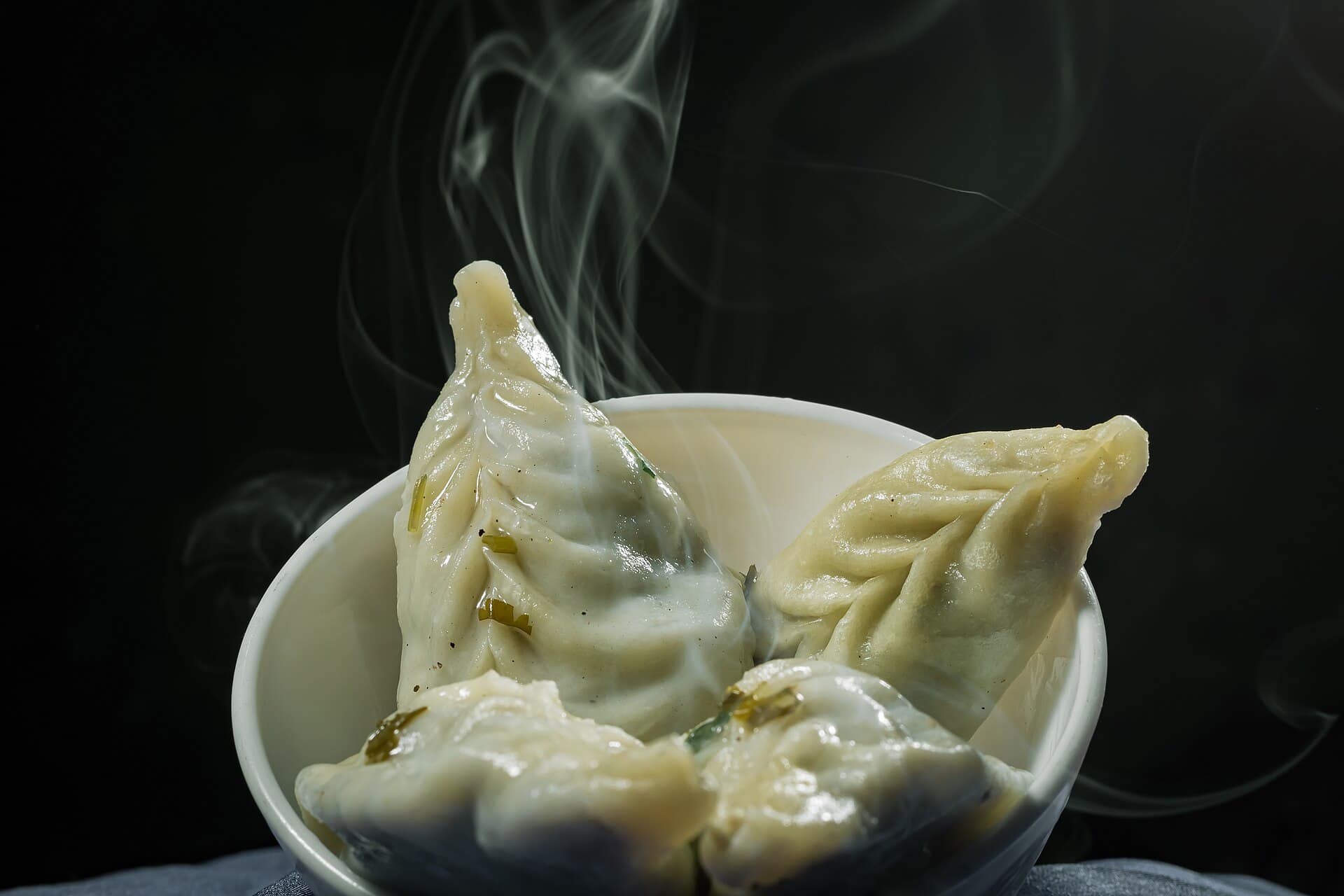
Search food by craving
Good to know
Local tips
Go early in the morning, when the monks are at prayer and the peaks are still clear behind the roof.
Keep your camera away inside the halls and ask a monk if you are unsure where photos are allowed.
Climb to the top floor for the Zangdok Palri, as many visitors miss it.
Wear long trousers or a long skirt and shoes you can slip off at the door.
Walk round the building and the prayer wheels clockwise, as pilgrims do.
Walk on down to the Rabdentse gate afterwards, as it is only a short way along the road.
Check the Tibetan calendar for the February cham dances and arrive early for a place in the courtyard.
The royal monastery
Pemayangtse stands on a hilltop about 2 km from Upper Pelling, at around 2,085 metres. Its name means "perfect sublime lotus". The lama Lhatsun Chempo founded it as a small shrine in the 17th century, and it was enlarged into its present form around 1705. It leads the Nyingma order in Sikkim. Its monks were traditionally chosen from Bhutia families, and its head lama had the right to anoint the kings who ruled from Rabdentse, just below.
What is inside
The main building has three storeys. The ground-floor prayer hall has painted doors and windows and a large image of Guru Rinpoche in a fierce form. The walls are covered in murals of deities and saints. On the top floor is the Zangdok Palri, a many-tiered wooden model of Guru Rinpoche's heavenly palace, full of small painted figures. A lama spent about five years making it. Earthquakes in 1913 and 1960 damaged the building, and it has been repaired several times.
Visiting
The monastery is ticketed with a small fee and keeps daytime hours; opening times vary a little, so check locally. Photography is restricted inside the halls. Shoot the courtyard, the painted front and the view instead. Dress modestly and take your shoes off at the door.
The dances
The biggest day of the year is the cham, held on the last two days of the Tibetan year, usually in February. Masked monks dance in the courtyard, a large embroidered scroll is shown, and the event closes with fireworks.
Combine it
The gate to the Rabdentse ruins is a short way down the road, so most people do both in one morning. Sanga Choeling is on the ridge across town.
Questions
Pemayangtse Monastery — FAQ
What is the best time to visit Pemayangtse Monastery?
Early morning, when the peaks are clear behind the roof and the courtyard is quiet; late afternoon for warm light on the painted front. Stand at the far side of the courtyard and take a straight-on photo of the painted front with the prayer flags and the mountains above the roof.
Is there an entry fee at Pemayangtse Monastery?
Entry to Pemayangtse Monastery is nominal.
What are the opening hours of Pemayangtse Monastery?
Pemayangtse Monastery is open 7:00 AM – 5:00 PM.
What should I wear at Pemayangtse Monastery?
Maroon, saffron and cream photograph especially well here. Explore the trending and traditional outfit ideas on this page for full looks.
How crowded does Pemayangtse Monastery get?
Crowd levels are typically medium. To miss the busiest window: early morning, when the peaks are clear behind the roof and the courtyard is quiet; late afternoon for warm light on the painted front.
What food should I try near Pemayangtse Monastery?
Try thukpa, available at nearby restaurants.
How old is Pemayangtse Monastery?
It was founded as a small shrine in the 17th century and enlarged into its present building around 1705. It has been repaired after earthquakes in 1913 and 1960.
What does Pemayangtse mean?
It means "perfect sublime lotus". In local belief it is one of four sacred points of Sikkim, representing the heart.
How far is Pemayangtse from Pelling?
About 2 km from Upper Pelling. You can walk in around half an hour on the road or take a short taxi ride.
Can I watch the monks pray?
Usually yes, quietly from the side of the hall during morning prayers. Do not photograph the prayers or walk in front of the monks.