

Temple in Thanjavur
Brihadisvara Temple (the Big Temple)
Thanjavur, Tamil Nadu
Rajaraja Chola's temple, finished in 1010 CE and still in worship a thousand years later — the anchor of the UNESCO 'Great Living Chola Temples'. The vimana over the sanctum rises about 66 m and is capped by a single stone of roughly 80 tonnes, which is the detail nobody has satisfactorily explained.
Photo: Rainer Halama — CC BY-SA 4.0, via Wikimedia Commons
Overview
Who it's to, and what's expected
Deity
Shiva as Brihadisvara
Tradition
Shiva temple
- Entry
The temple is open to visitors of all faiths, including access to the inner sanctum during darshan hours. Visitors are expected to dress modestly, covering their shoulders and knees.
- Footwear
You must leave your footwear at the cloakroom located near the eastern entrance, where a small custodial fee may be charged.
- Access
The principal difficulty is exposure rather than structure. The temple's vast stone courtyard is fully open with almost no shade, so the barefoot walk across it in Tamil Nadu heat is a real constraint and an early or late visit matters considerably. Steps occur at the sanctum and across the enclosure, and the colonnaded galleries involve long distances. Note that shawls and lungis can be borrowed at the entrance for visitors who are under-dressed, and footwear goes to the cloakroom near the eastern entrance for a small custodial fee.
Usually visited with
Time your visit
The darshan clock
A single opening-hours line cannot express a midday closure or an evening ceremony.
6:00 AM
Opening hours
The temple is open daily from 6:00 AM to 12:30 PM and from 4:00 PM to 8:30 PM.
Rules, timings and fees change — confirm locally before you rely on this.
How long this takes
Ways in
The difference between a twenty-minute visit and a three-hour one.
General darshan
- Free entry, and unusually open: visitors of all faiths may enter including access to the inner sanctum during darshan hours, unlike Puri's Jagannath or Bhubaneswar's Lingaraja which restrict entry to Hindus
- Go early for the coolest courtyard, the best light on the vimana's east face, and the most devotional atmosphere before tour groups arrive
Abhishekam and puja
- Ritual runs through the day at fixed points
- Photography is prohibited during abhishekam ceremonies and in the inner sanctum, and phones must be silenced inside the colonnade - so the ritual is something to watch rather than record
Brahmotsavam and Maha Shivratri
- The temple's principal observances, with the deity taken in procession and heavier attendance across a thousand-year-old living shrine
At the gate
Before you go in
What gets refused, and what you cannot take past the door.
What to wear
Visitors are expected to dress modestly, with both men and women required to keep their shoulders and knees covered. If needed, shawls and lungis can be borrowed at the entrance.
Phones and cameras
Still photography is allowed in the courtyard and exterior, but prohibited in the inner sanctum and during abhishekam ceremonies. Phones must be silenced inside the colonnade, and tripods require an ASI permit.
Rules, timings and fees change — confirm locally before you rely on this.
When not to come — unless you mean to
Festival windows
These follow lunar calendars and move by weeks each year, so the windows are months, not dates.
Maha Shivratri
Brahmotsavam
Rajaraja Chola commemorations
Best visiting season
Practicalities
The things that go wrong
Book through official channels, and treat anyone promising a guaranteed slot as a warning sign.
What to watch for
- Inflating the cloakroom charge
- Footwear goes to the cloakroom near the eastern entrance where a small custodial fee may be charged - 'small' is the operative word, and anyone demanding substantially more is inflating it
- Claiming non-Hindus cannot enter
- Brihadisvara is open to visitors of all faiths including access to the inner sanctum during darshan hours, which is unusual by Indian standards and is often wrongly assumed to be restricted
- Charging an entry fee
- The temple is free; ASI involvement covers the protected fabric rather than general admission
- Guides asserting a definitive method for raising the 80-tonne capstone
- The conventional account is a ramp several kilometres long, but no archaeological trace of one has been identified and the surrounding terrain does not obviously support it - the stone's weight and height are certain, the method is not
- Offering paid photography inside the sanctum or during abhishekam
- Both are prohibited, and tripods anywhere require an ASI permit that cannot be arranged on the spot
- Selling shawls or lungis at the gate when they can be borrowed
- The temple borrows them at the entrance for visitors who are under-dressed - a provision Tirumala, for instance, does not offer
- Third parties claiming Gangaikonda Cholapuram or Darasuram is closed or not worth the trip
- All three form the UNESCO Great Living Chola Temples listing and are within reasonable driving distance of each other
General guidance
Planning the visit
Customary practice and what Thanjavur's climate means for a barefoot visit — not rules posted at this temple. Anything specific to Brihadisvara Temple (the Big Temple) is above.
Circling the shrine
At most Shaiva temples the circuit around the sanctum is not completed in a full circle — the channel draining the abhishekam is not crossed. Walk to it, turn, and come back the way you came. Watching what the queue in front of you does is the reliable guide.
Come in winter
Winter is when Thanjavur is most comfortable to walk around, which matters here because a temple visit is done on foot and barefoot. Locally the window is given as december to february.
Stone gets hot — go early
You will be barefoot from the shoe rack onwards, often across an open courtyard. Between late morning and mid-afternoon in the hot months that stone is genuinely painful to stand on. Socks help, and are permitted almost everywhere shoes are not.
Arriving by train
Thanjavur has a railway station, and auto-rickshaws wait outside it. Agree the fare or use a meter before you set off, and expect to be dropped a short walk from the temple rather than at its door.
No airport here
Thanjavur has no airport of its own, so the last leg is by road or rail. Plan the return the same way — the last bus out is often earlier than visitors expect.
Outfit guide
What to wear at Brihadisvara Temple (the Big Temple)
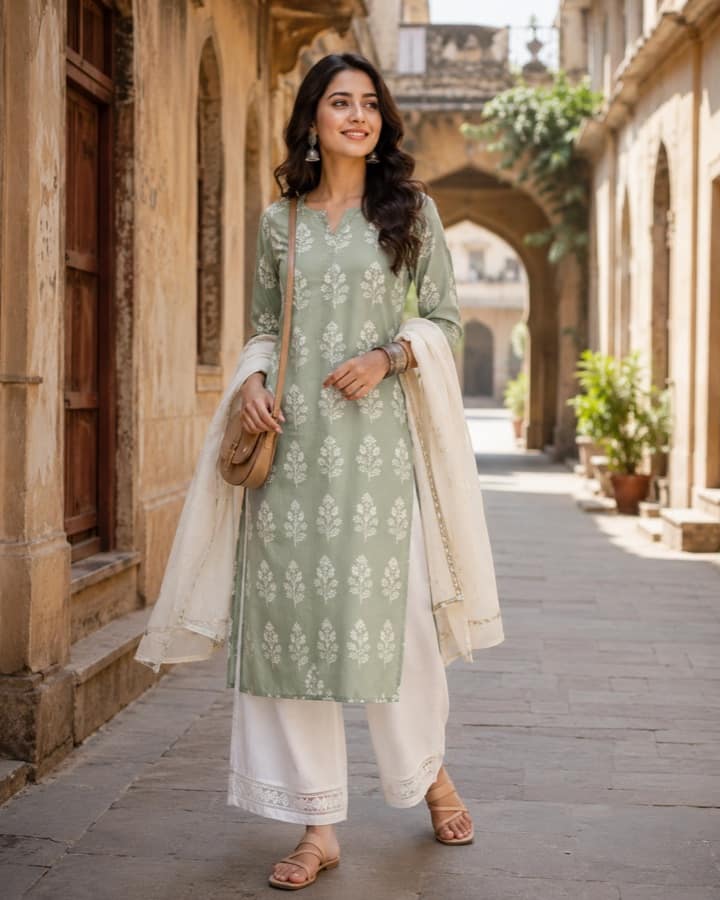
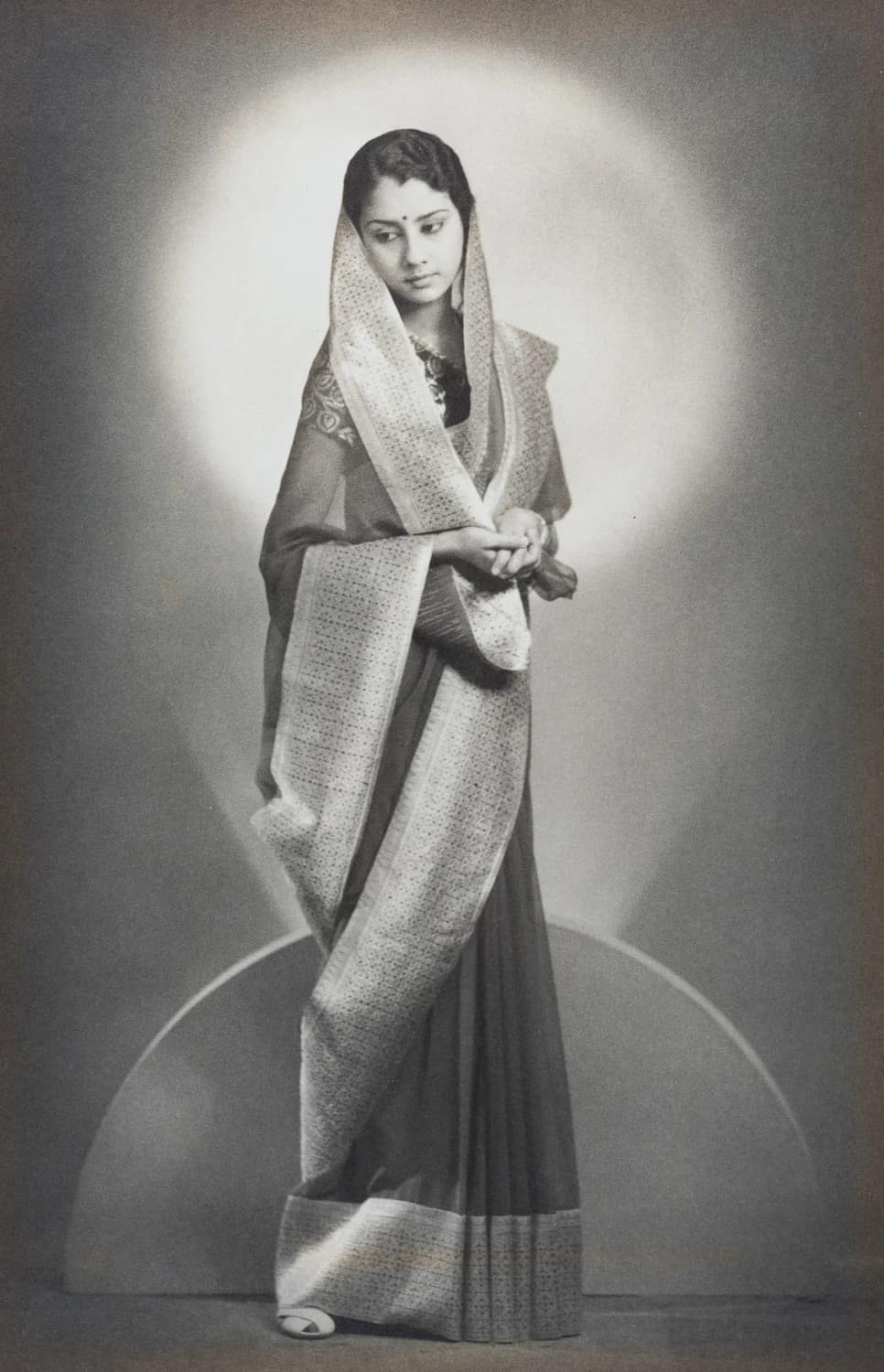
Cover shoulders and knees — the rules above win over anything here.
Trending wear for this spot
Modern, camera-ready looks picked for Brihadisvara Temple (the Big Temple).
Traditional wear for this spot
Timeless, cultural looks that suit Brihadisvara Temple (the Big Temple).
Brihadisvara Temple, Thanjavur (the Big Temple)
Brihadisvara is Rajaraja Chola's temple, finished in 1010 CE, and it is still in worship a thousand years later. It anchors the UNESCO listing of the Great Living Chola Temples — a phrase that does real work here, because this is a monument that never stopped being a temple.
The vimana over the sanctum rises about 66 metres and is capped by a single stone of roughly 80 tonnes, which is the detail nobody has satisfactorily explained.
🗿 The 80-tonne capstone
The kumbam — the bulbous finial crowning the tower — is carved from a single block of granite weighing around eighty tonnes, and it sits sixty-six metres above the ground.
The question every visitor asks is how it got there. The conventional account is that a ramp several kilometres long was built to haul the stone up, since no lifting technology of the period could have raised it. No archaeological trace of such a ramp has been identified, and the surrounding terrain does not obviously support one, which is why the explanation remains an inference rather than a finding.
🏛️ Chola imperial architecture
Brihadisvara is the supreme statement of Chola power, built by Rajaraja Chola I at the height of an empire that controlled much of south India and projected power into Sri Lanka and South-East Asia.
The building's defining features:
- A vimana that dominates rather than recedes. In most South Indian temple traditions the gateway towers (gopurams) grow larger over centuries while the sanctum tower stays modest. Brihadisvara inverts that: the vimana is the colossal element, and the gopurams are comparatively small. Later Dravidian architecture went the other way, which is why this temple reads so differently from, say, Meenakshi at Madurai.
- A vast, disciplined enclosure with long colonnaded galleries
- A colossal monolithic Nandi facing the sanctum
- Extensive Chola inscriptions covering the temple's endowments, its musicians and dancers, its administration and its bronze commissions — an unusually complete documentary record for an eleventh-century building
- Bronze processional sculpture of the period, including the celebrated Nataraja type, whose finest examples were made for temples of this class
The inscriptions matter more than they look. They record how the temple was funded, staffed and run, which is rare, and they are a primary source for Chola society rather than only for its art.
🛕 A living temple — and what that means for a visit
Unlike Khajuraho's monuments or Konark's historic monument, Brihadisvara is in continuous worship. That has practical consequences:
- The temple is open to visitors of all faiths, including access to the inner sanctum during darshan hours. This is a significant openness by Indian standards — Puri's Jagannath and Bhubaneswar's Lingaraja both restrict entry to Hindus, and Brihadisvara does not.
- Worship happens while you are there. Abhishekam, offerings and processions run alongside tourism.
- Photography is restricted during ritual — see below.
That combination of UNESCO monument and active shrine is exactly what the "Great Living Chola Temples" designation describes, and it makes the visit different from a museum experience: you will see the building used, not only displayed.
📷 Photography — a nuanced rule
- Still photography is allowed in the courtyard and on the exterior.
- It is prohibited in the inner sanctum and during abhishekam ceremonies.
- Phones must be silenced inside the colonnade.
- Tripods require an ASI permit.
That is a more permissive regime than at most active temples — the courtyard and exterior, which is where the vimana and the Nandi are, can be photographed freely. The restriction applies to ritual, which is the sensible line.
👔 Dress, and a loan system that helps
Visitors are expected to dress modestly, with both men and women required to keep their shoulders and knees covered.
Usefully, shawls and lungis can be borrowed at the entrance if needed. That is a genuine provision and not something every Indian temple offers — Tirumala has no wrap system at all and turns people away, whereas Brihadisvara covers the gap. A traveller in summer clothing can still enter here, which is worth knowing.
👟 Footwear
Footwear must be left at the cloakroom near the eastern entrance, where a small custodial fee may be charged. Note the specificity: the eastern entrance, and a fee that is legitimate but small. Anyone charging more is inflating it.
The stone courtyard is vast and fully exposed, so the barefoot walk across it in Tamil Nadu heat is a real consideration — another reason for an early or late visit.
🕒 Hours
The temple opens around 6:00 AM and follows the standard South Indian pattern of a morning session, a midday closure for the deity's rest and offerings, and an evening session, with puja and abhishekam at fixed points in the day.
Go early. The courtyard is at its coolest, the light is best on the vimana's east face, and the temple is at its most devotional before the tour groups arrive.
🎟️ Entry
Entry to the temple is free, as at most active South Indian temples, with the ASI's involvement covering the monument's protected fabric rather than general admission.
🌸 Festivals
The temple's annual Brahmotsavam and Maha Shivratri (February or March) are its principal observances, with the deity taken in procession. Rajaraja Chola's birthday and the temple's thousand-year anniversary commemorations have both been marked here, the millennium in 2010 being the most significant recent occasion.
📍 The Great Living Chola Temples
Brihadisvara is the first of three, and the UNESCO listing groups it with:
- Airavatesvara at Darasuram — the third and most finely carved, with its stone-chariot mandapa and musical steps, and this record's own pairing
- Gangaikonda Cholapuram — built by Rajaraja's son Rajendra I, with a vimana that deliberately echoes this one on a reduced scale
The three are within reasonable driving distance of each other in the Kaveri delta, and doing all three in sequence is the single best introduction to Chola architecture anywhere — you see the imperial statement, its successor's answer, and the later refined miniature.
Thanjavur also holds the Maratha palace and its museum, with a notable bronze collection, and is a natural base.
⚠️ Practical notes
- Go at opening. For the heat, the light and the devotional atmosphere.
- Borrow a shawl or lungi at the entrance if you are under-dressed — the provision exists.
- Use the eastern-entrance cloakroom for footwear and expect a small legitimate fee.
- Photograph the courtyard and exterior freely; never during ritual.
- Read the inscriptions or take a guide who will — they are the temple's documentary treasure.
- Combine with Darasuram and Gangaikonda Cholapuram for the full Chola picture.
- October to March; the delta is brutally hot from April.
Last verified: 2026. Timings, entry arrangements and any charges are published by the temple itself and do change - confirm them with the temple's own official website or counter before travelling rather than relying on any third-party listing.
Questions
Brihadisvara Temple (the Big Temple) — FAQ
Who is Brihadisvara Temple (the Big Temple) dedicated to?
Brihadisvara Temple (the Big Temple) in Thanjavur is dedicated to Shiva as Brihadisvara.
Who can enter Brihadisvara Temple (the Big Temple)?
The temple is open to visitors of all faiths, including access to the inner sanctum during darshan hours. Visitors are expected to dress modestly, covering their shoulders and knees.
What is the dress code at Brihadisvara Temple (the Big Temple)?
Visitors are expected to dress modestly, with both men and women required to keep their shoulders and knees covered. If needed, shawls and lungis can be borrowed at the entrance.
Do I have to take my shoes off at Brihadisvara Temple (the Big Temple)?
You must leave your footwear at the cloakroom located near the eastern entrance, where a small custodial fee may be charged.
Can I take photos inside Brihadisvara Temple (the Big Temple)?
Still photography is allowed in the courtyard and exterior, but prohibited in the inner sanctum and during abhishekam ceremonies. Phones must be silenced inside the colonnade, and tripods require an ASI permit.
Is Brihadisvara Temple (the Big Temple) wheelchair accessible?
The principal difficulty is exposure rather than structure. The temple's vast stone courtyard is fully open with almost no shade, so the barefoot walk across it in Tamil Nadu heat is a real constraint and an early or late visit matters considerably. Steps occur at the sanctum and across the enclosure, and the colonnaded galleries involve long distances. Note that shawls and lungis can be borrowed at the entrance for visitors who are under-dressed, and footwear goes to the cloakroom near the eastern entrance for a small custodial fee.
Checked, not remembered
Sources
Every rule and timing above traces back to one of these.