
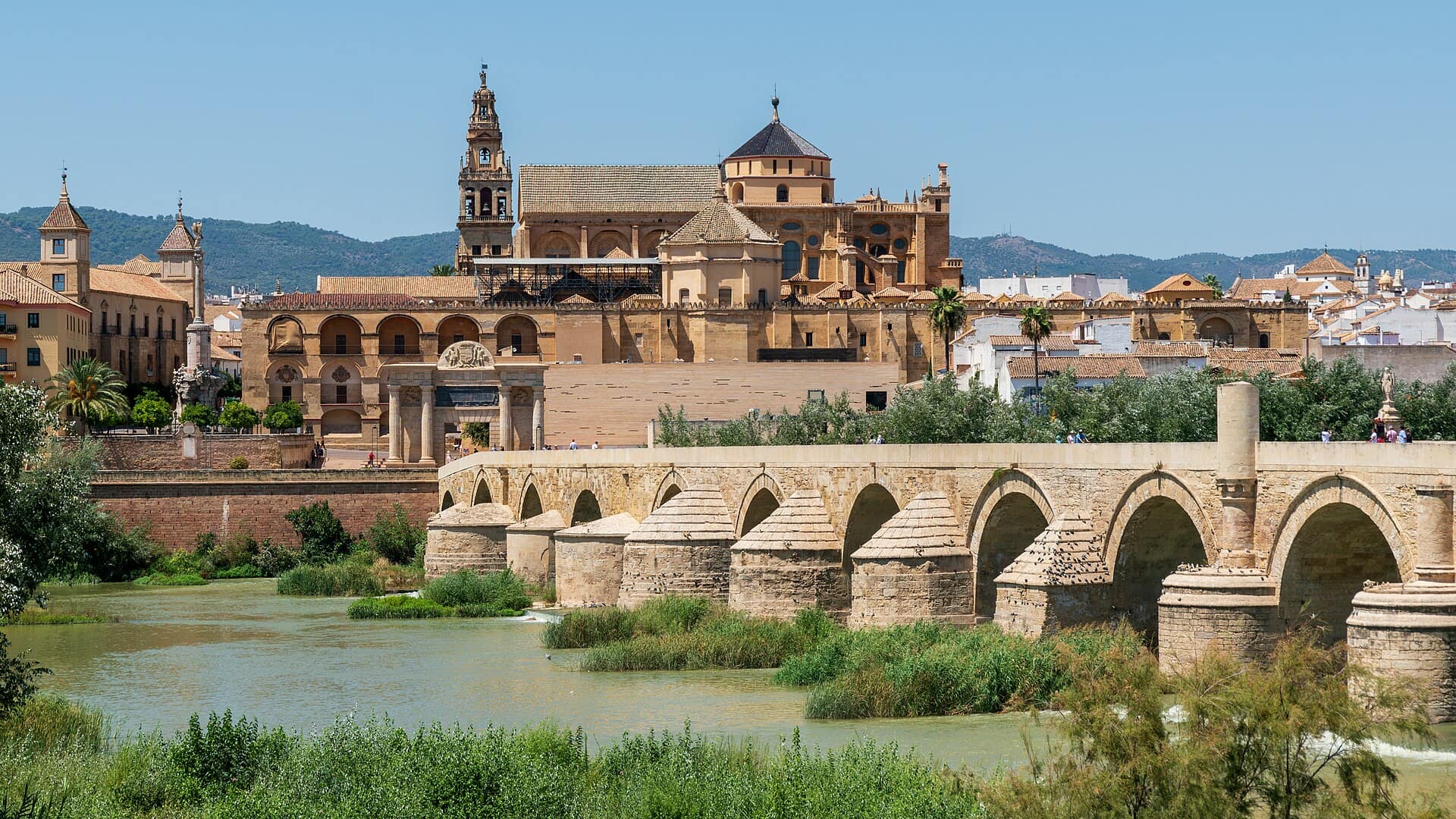
Andalucía · Spain
Córdoba
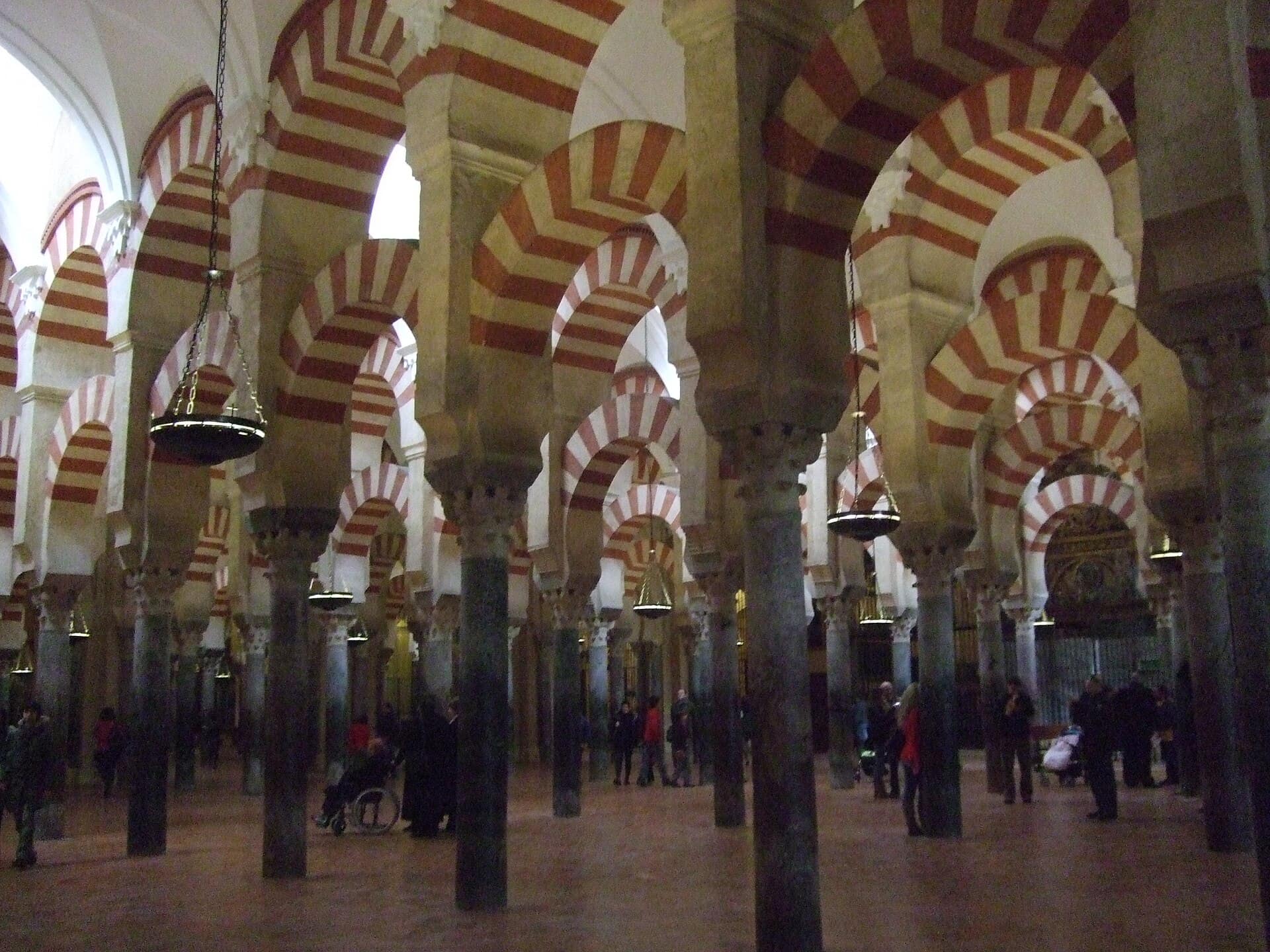
Capital of Roman Baetica, then of a caliphate that made it the largest city in western Europe, and left behind a mosque with a cathedral built inside it rather than over it. The old city is small enough to cross on foot and is a UNESCO site in its own right.
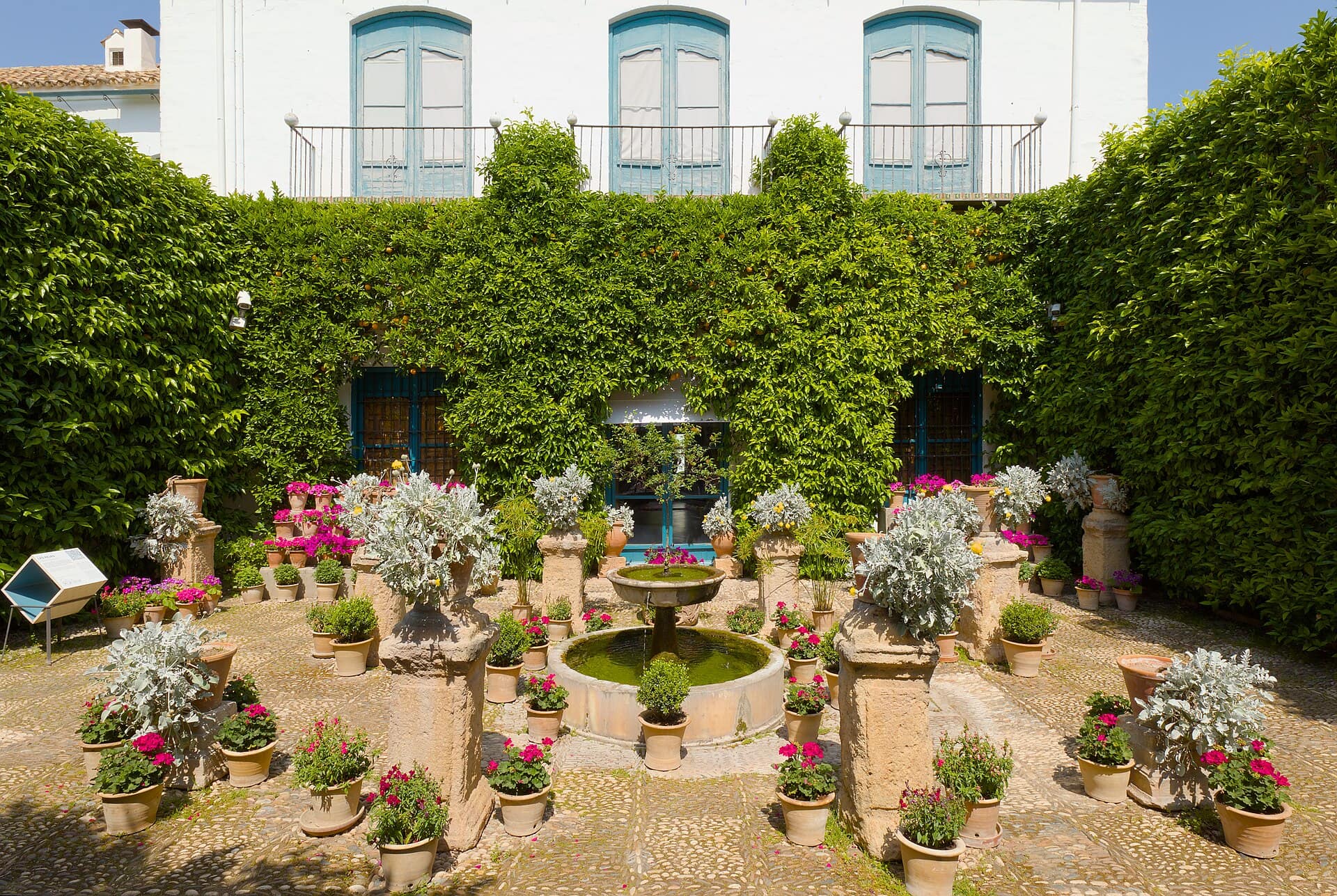
Córdoba's private courtyards are the city's real signature — whitewashed, potted floor to ceiling, and inscribed by UNESCO as intangible heritage in 2012. For about two weeks in May their owners open them to anyone who walks in, for nothing, and compete over them. The rest of the year a dozen are visitable at the Palacio de Viana. The three-faith history everyone quotes is real, but the patio is the part that is still lived in.
Plan your trip
Córdoba Tour Itineraries
Timed, walkable day plans — plus the best season to go.
Where to shoot
Córdoba Photo Spots
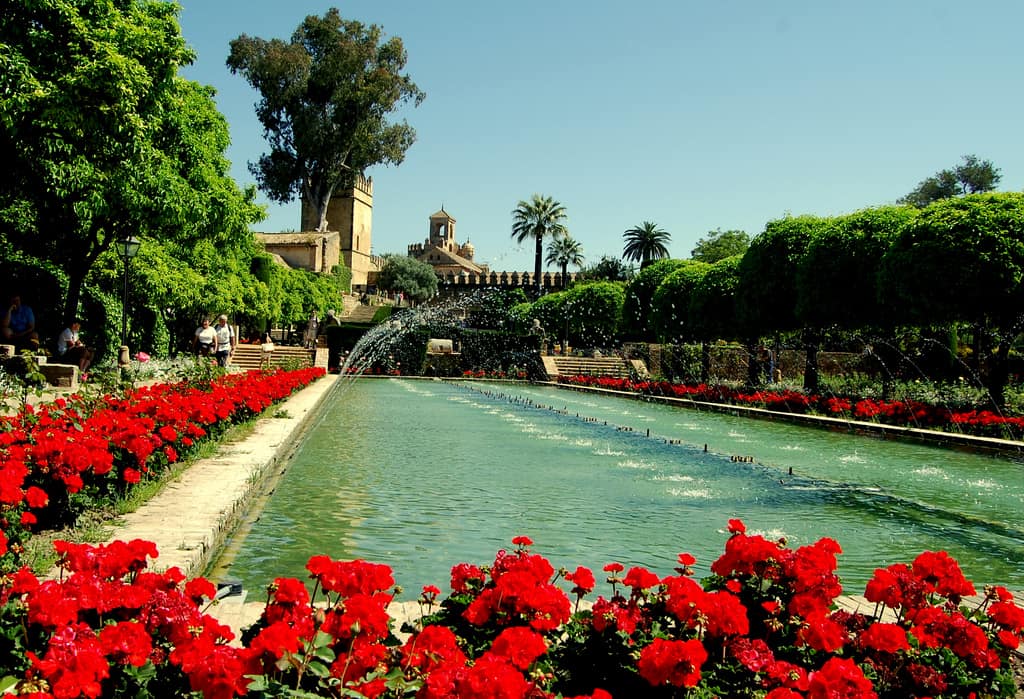 Medium crowd
Entry Around €5
Alcázar de los Reyes Cristianos
- Best timeLate afternoon, when the low sun runs the length of the garden pools and the hedges throw shadow across the water
- ColorsWhiteSageTerracotta
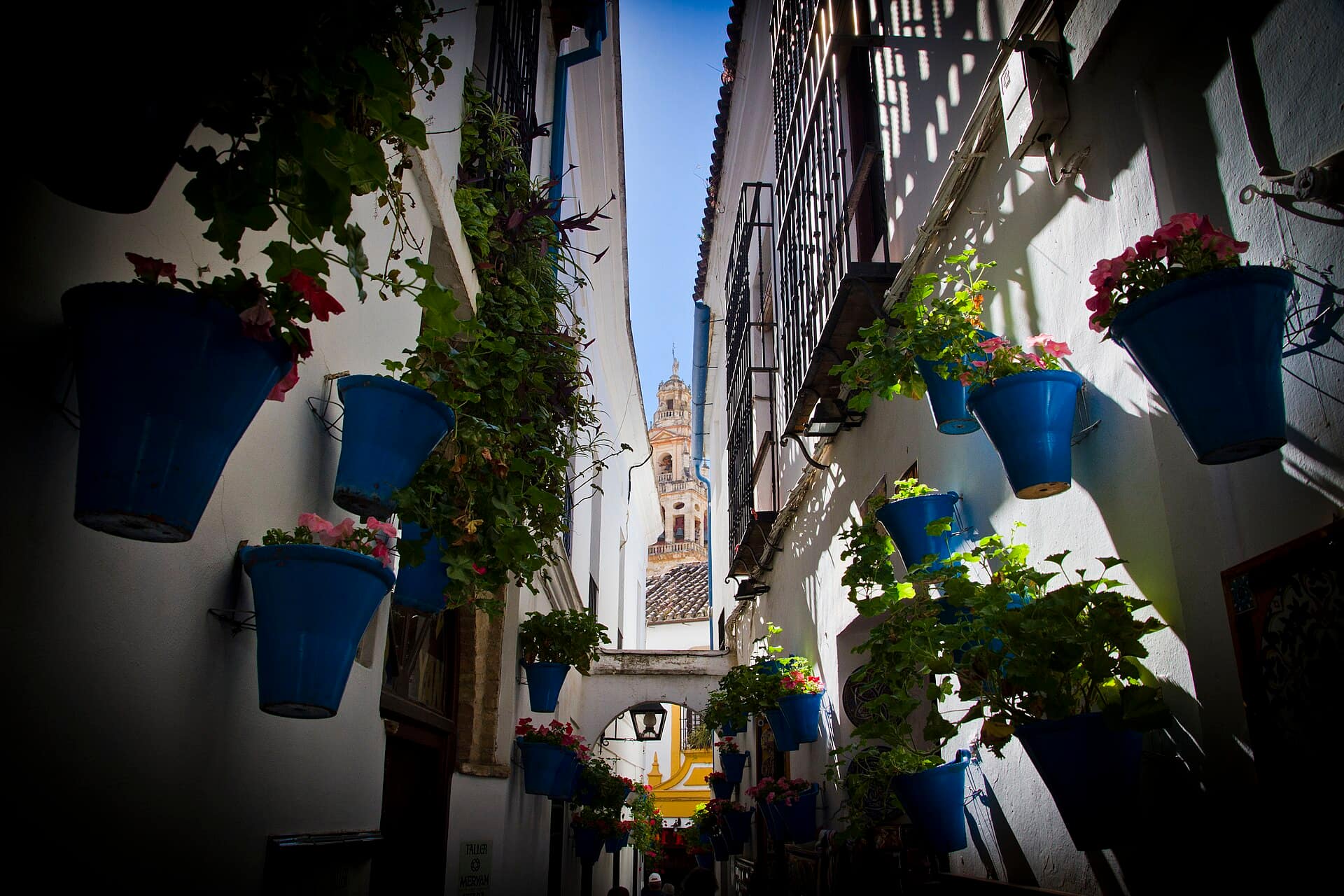 High crowd
Entry Free to walk; the synagogue is separately ticketed
La Judería
- Best timeEarly morning, before the tour groups — the Calleja de las Flores is impassable by eleven and the light drops into it around mid-morning
- ColorsWhiteCobaltYellow
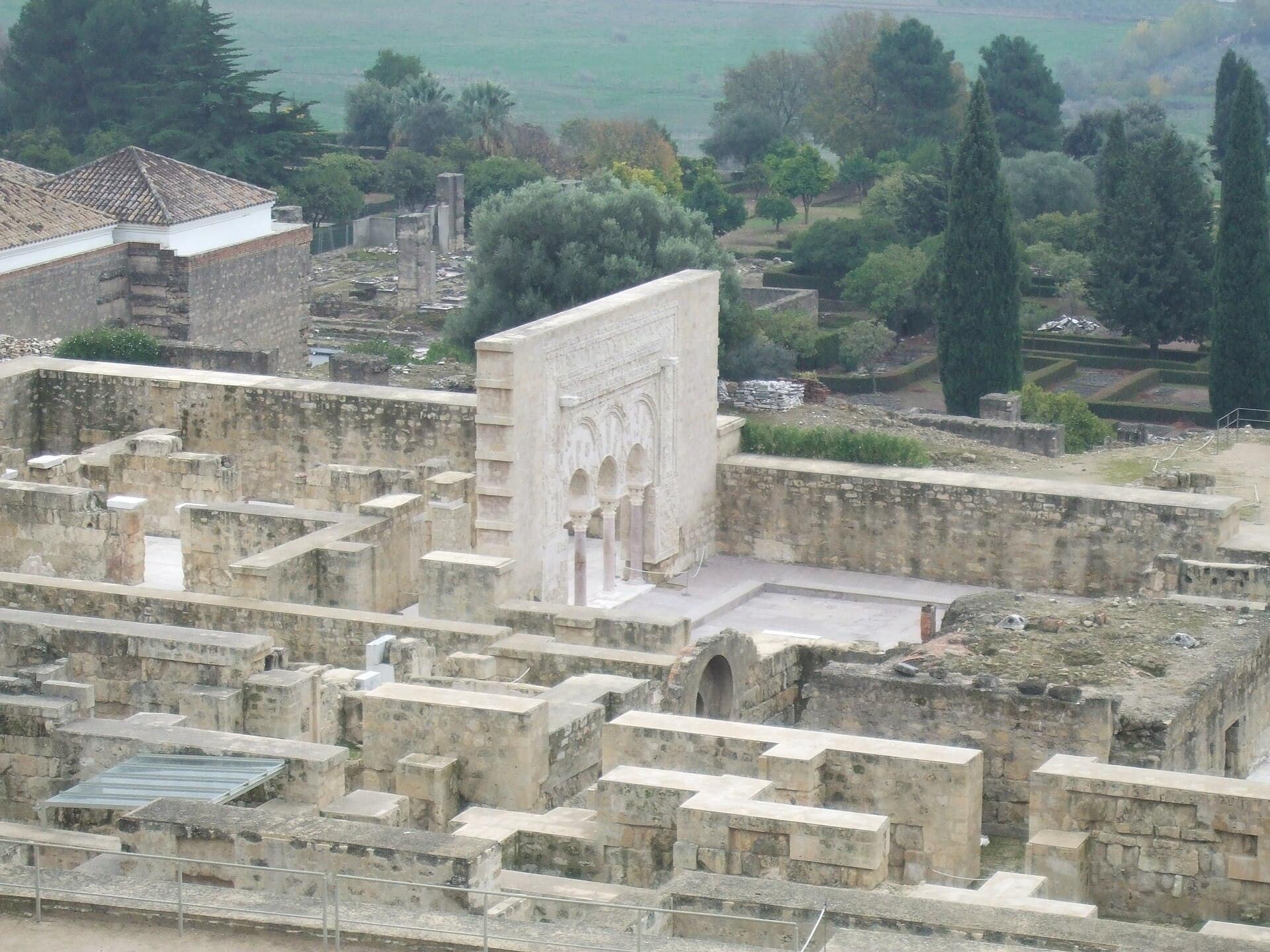 Low crowd
Entry Free for EU citizens on production of ID; a small charge otherwise, plus the shuttle
Medina Azahara
- Best timeThe 9:00 opening, when the hillside is still in soft light and the site is empty — it is east-facing and glares by midday
- ColorsSandOliveWhite
 High crowd
Entry Around €15, with the bell tower ticketed separately
Mezquita-Catedral
- Best timeEarly morning, in the free 8:30 window — the arches are lit from the side and the hall is close to empty
- ColorsWhiteCreamTerracotta
 Low crowd
Entry Around €8 for the patios, more with the house
Palacio de Viana
- Best timeLate morning, when the sun is high enough to reach the bottom of the deeper courtyards but has not flattened them
- ColorsWhiteCobaltEmerald
 Medium crowd
Entry Free
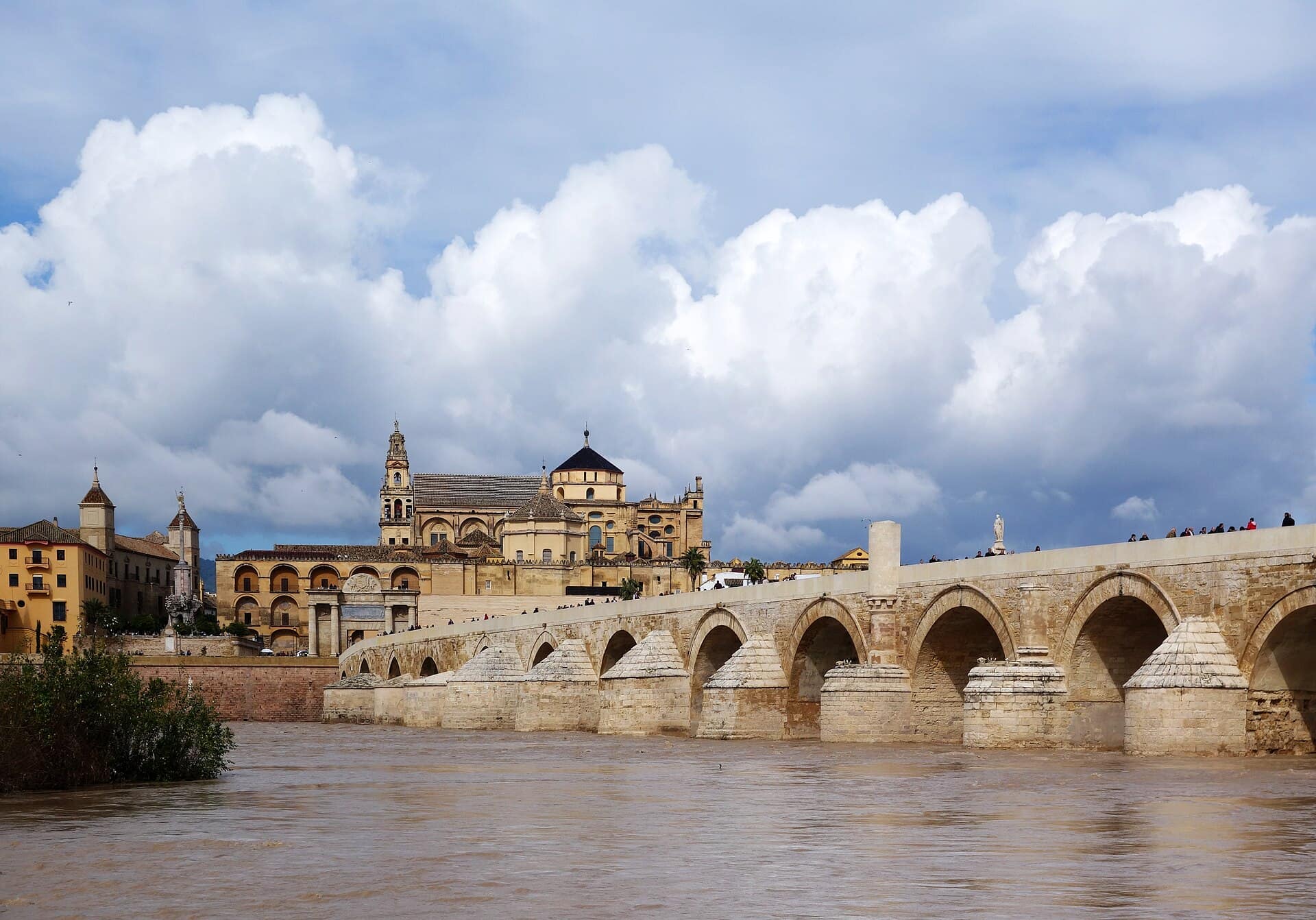
Puente Romano
- Best timeSunset and the blue hour after it, when the Mezquita's floodlights come up and the river holds the reflection
- ColorsWhiteSandRust
For the feed
Trending Wear in Córdoba
Modern, Instagram-friendly looks
Rooted in the city
Córdoba Traditional Wear
Local, cultural, handcrafted outfits
Taste the city
Food to Eat in Córdoba
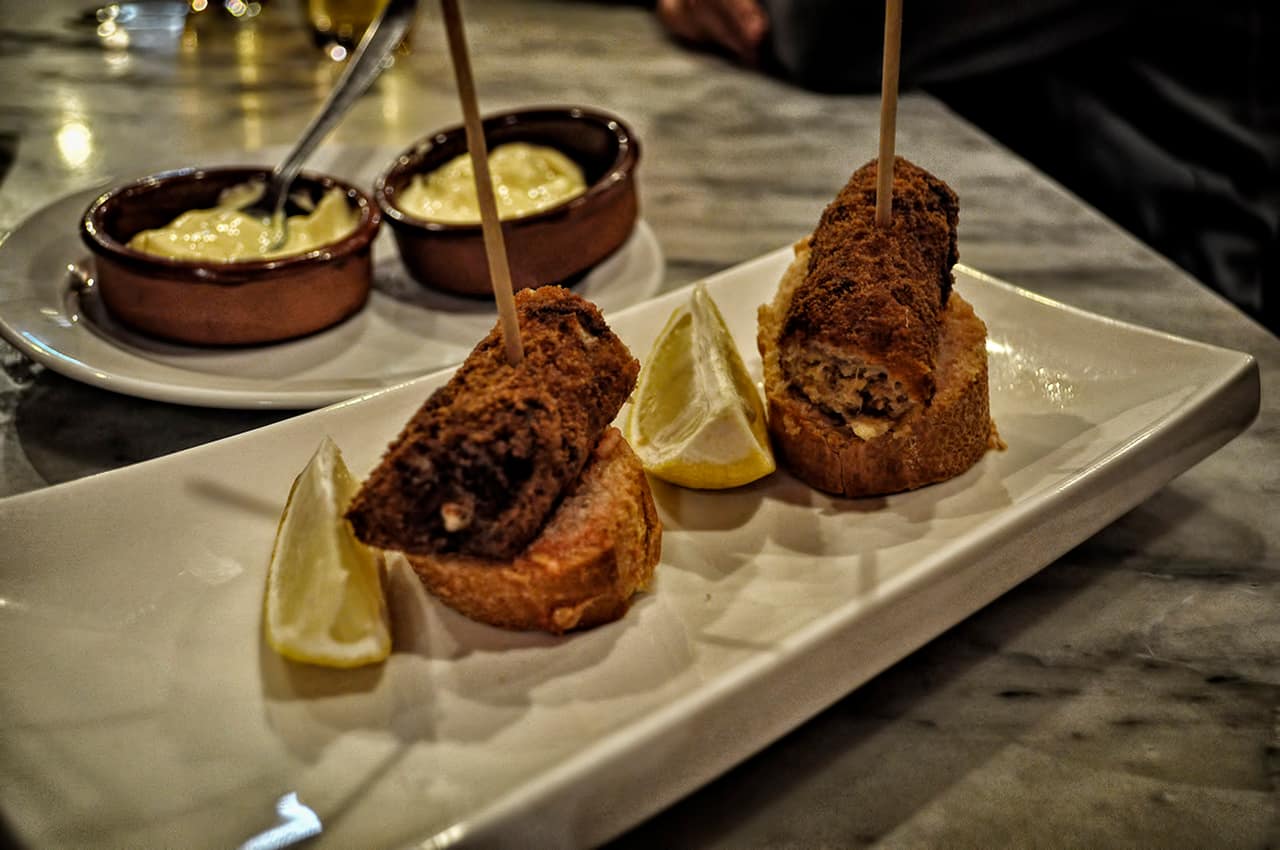
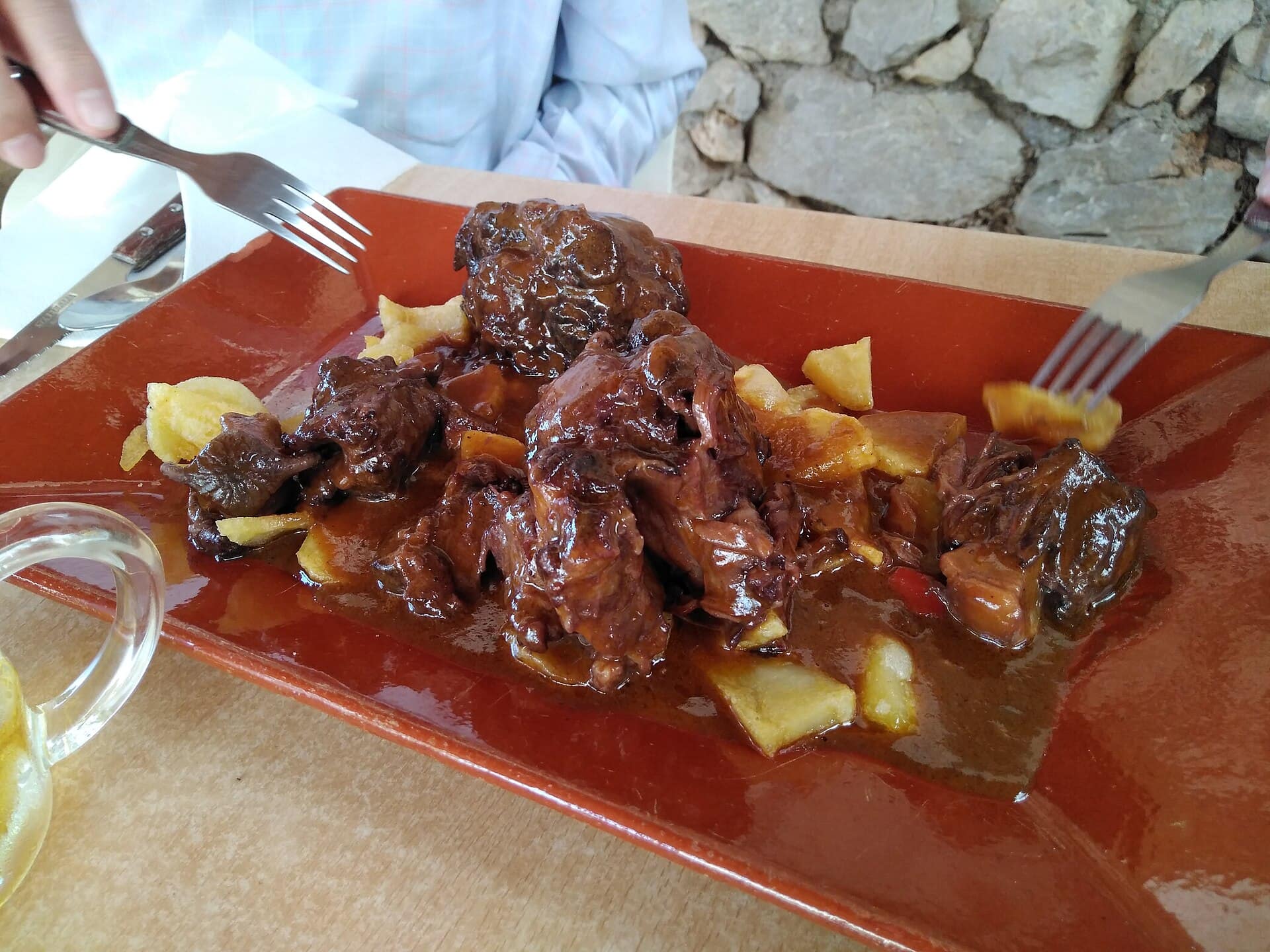

Trusted tables
Where to Eat in Córdoba
Bodegas Campos
San Pedro
El Churrasco
Judería
Taberna Salinas
Centro
Taberna San Miguel "Casa El Pisto"
Plaza San Miguel
Questions
Córdoba — FAQ
What is Córdoba famous for?
The Mezquita — the great mosque of the western caliphate with a cathedral built into its centre — the flower-filled patios of the Judería, and Medina Azahara, the ruined caliphal palace-city up the hill.
How many days are enough for Córdoba?
Two: the Mezquita and the old quarter one day; Medina Azahara and the Alcázar's pools and fountains the next.
What is the best time to visit Córdoba?
April to early June, and late September to early November.
How do I get around Córdoba?
The old city is compact and walked — the Judería, the Mezquita and the Roman bridge are minutes apart. Medina Azahara, up the hill, is a short bus ride out.
What is the Mezquita?
Halls of jasper and marble carrying the red-and-white double arches of the tenth-century mosque, with a cathedral built into its centre. It is the one thing everyone comes to Córdoba for.