
Andhra Pradesh · India
Araku Valley
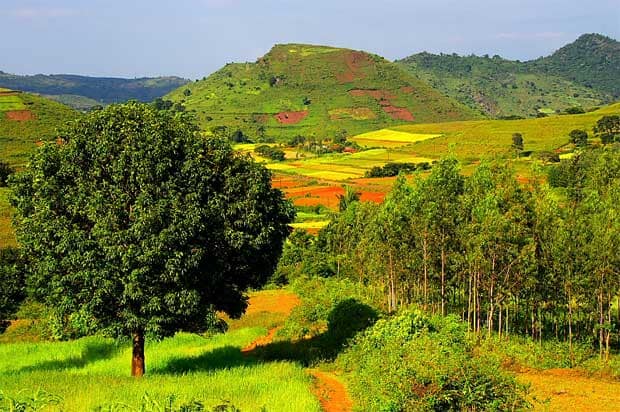
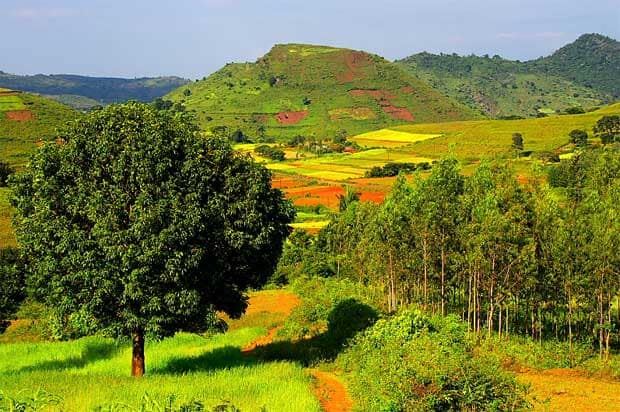
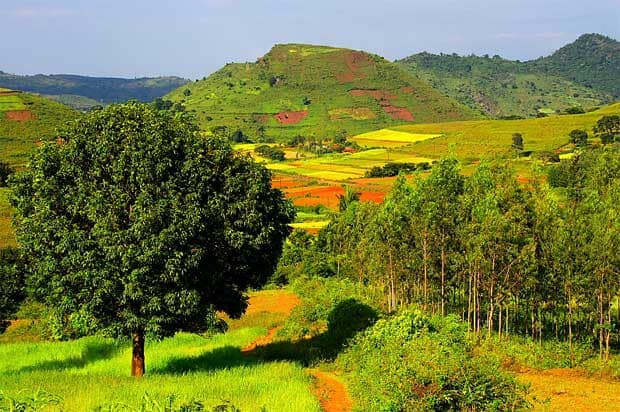
A lush green hill valley in the Eastern Ghats near Visakhapatnam — famed for its terraced coffee plantations, tribal culture and the spectacular million-year-old Borra Caves, reached by a scenic mountain train.
Araku is coffee-and-tribal Andhra: emerald coffee plantations, the vast Borra limestone caves, the Dhimsa-dancing tribal communities and their museum, waterfalls and gardens, and tribal-Andhra food.
Plan your trip
Araku Valley Tour Itineraries
Timed, walkable day plans — plus the best season to go.
Where to shoot
Araku Valley Photo Spots
 Medium crowd
Entry Nominal
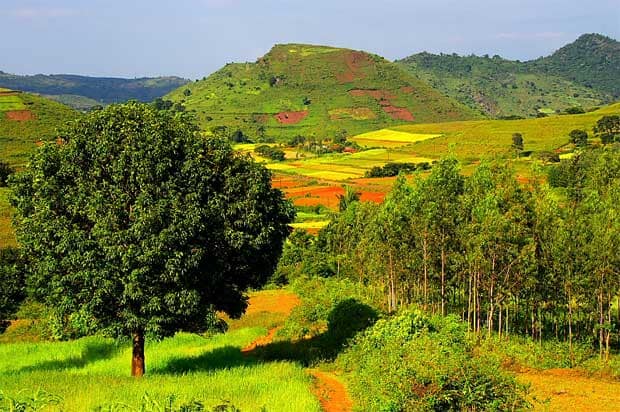
Araku Tribal Museum
- Best timeLate afternoon, when soft side-light falls on the mud walls; morning for an empty lawn and a clean shot of the front.
- ColorsRustCreamForest green
 Medium crowd
Entry Free
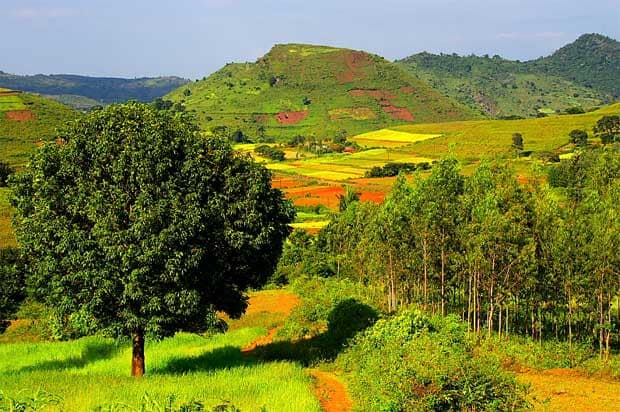
Araku Valley Coffee Country
- Best timeEarly morning in winter, when mist lies in the valley and the light is soft; late afternoon for warm light on the red earth and coffee slopes.
- ColorsForest greenRustCream
 High crowd
Entry Ticketed
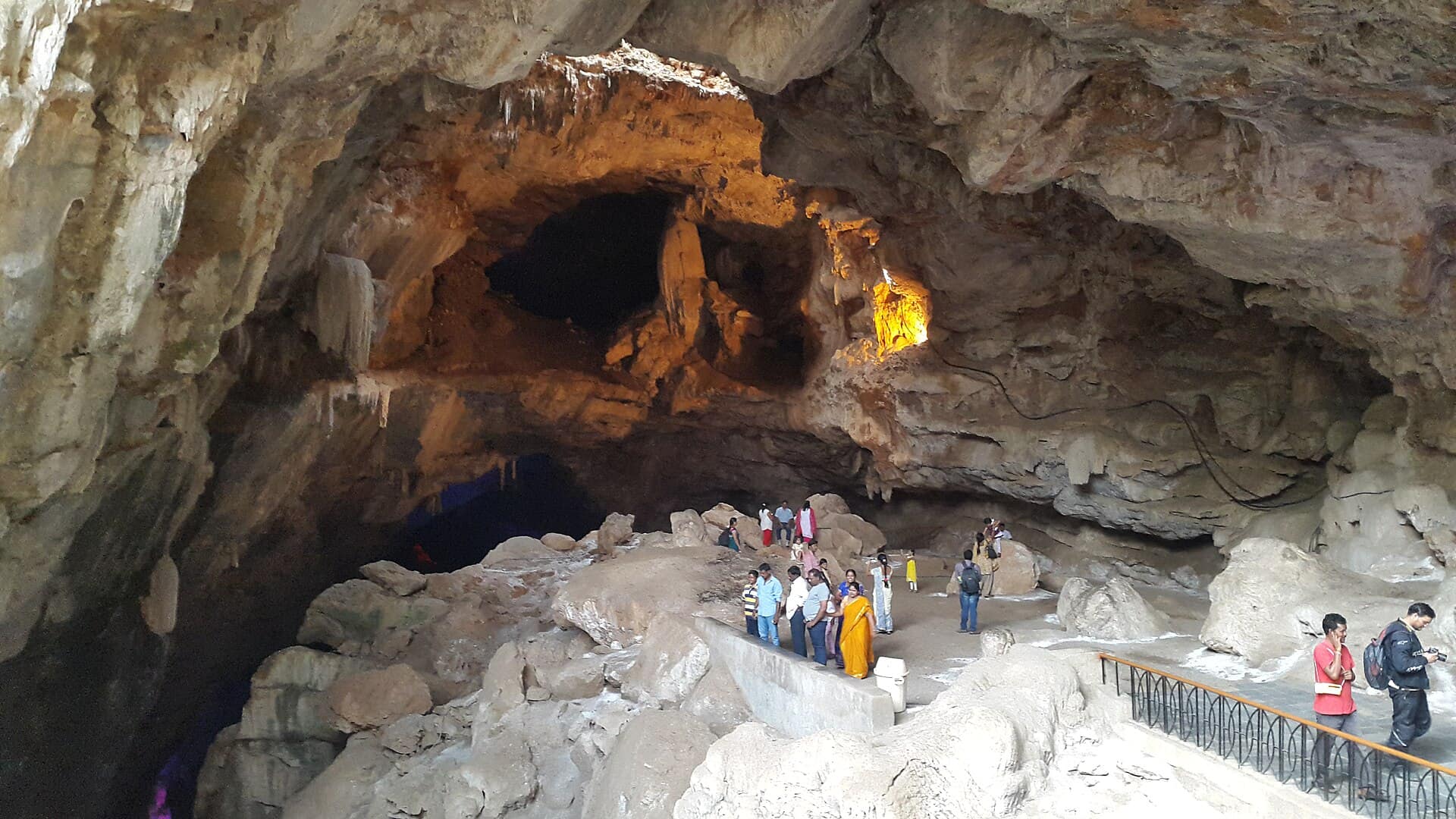
Borra Caves
- Best timeRight at opening time, before the crowd fills the main chamber; late afternoon for a quieter walk and fewer people in the frame.
- ColorsRustCreamOlive
 Medium crowd
Entry Nominal
Katiki Waterfalls
- Best timeLate morning, when the sun reaches down into the forest gorge; early afternoon on overcast days for even light on the water.
- ColorsForest greenRustCream
 Medium crowd
Entry Nominal
Padmapuram Gardens
- Best timeLate afternoon, when soft light brings out the flower colours; early morning for dew on the roses and an empty garden.
- ColorsRoseCreamForest green
For the feed
Trending Wear in Araku Valley
Modern, Instagram-friendly looks
Rooted in the city
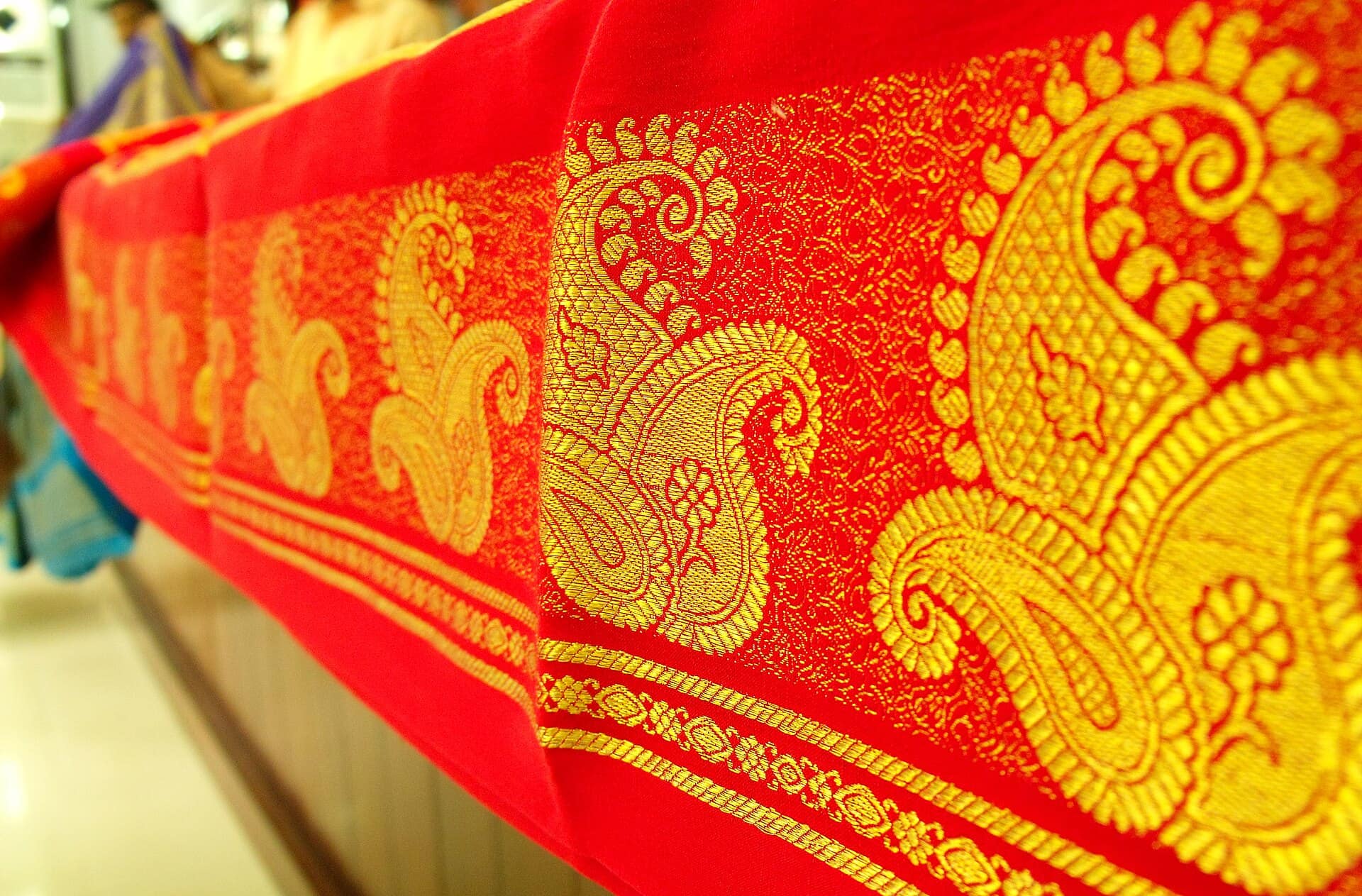
Araku Valley Traditional Wear
Local, cultural, handcrafted outfits
Taste the city
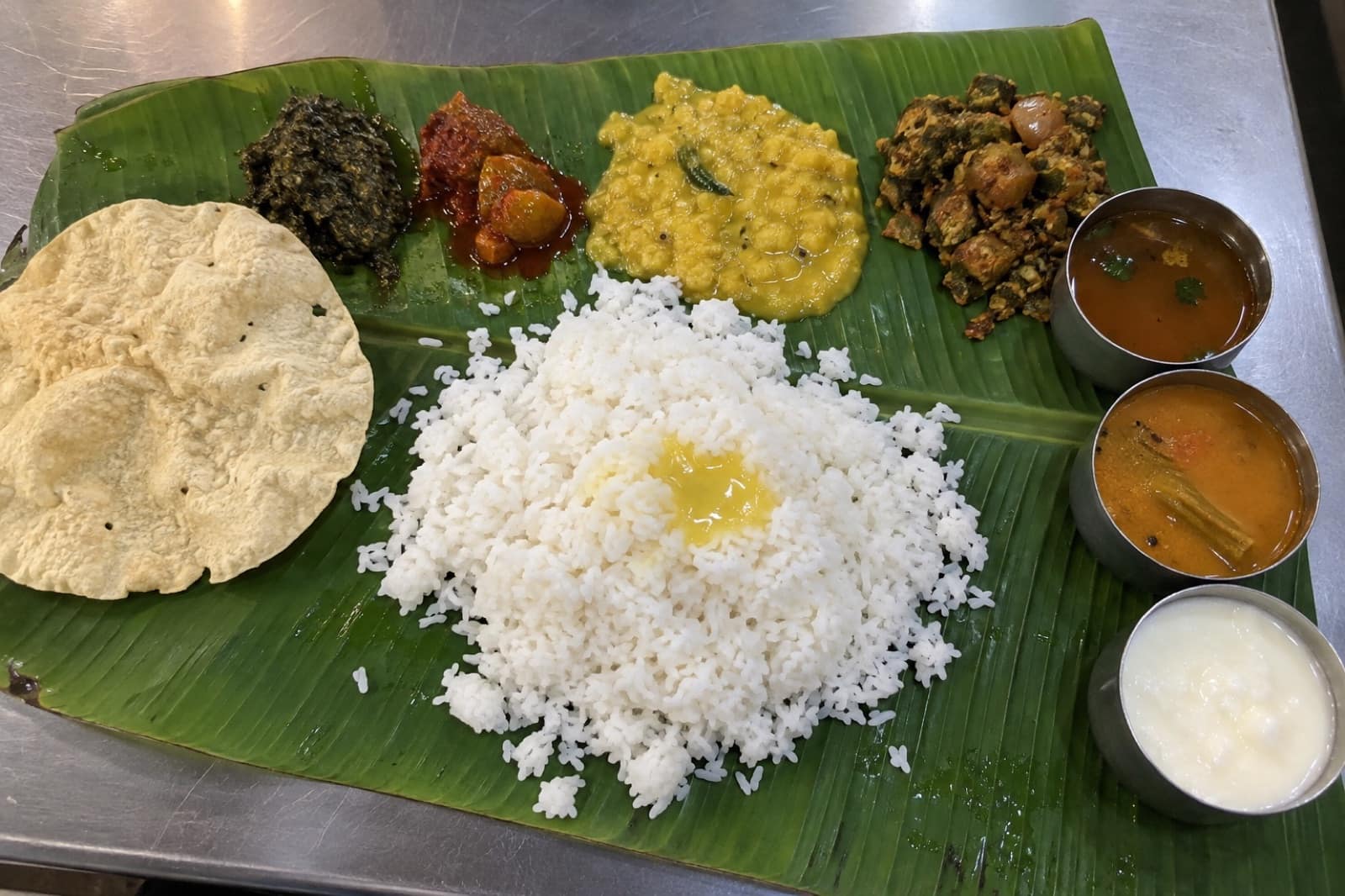
Food to Eat in Araku Valley

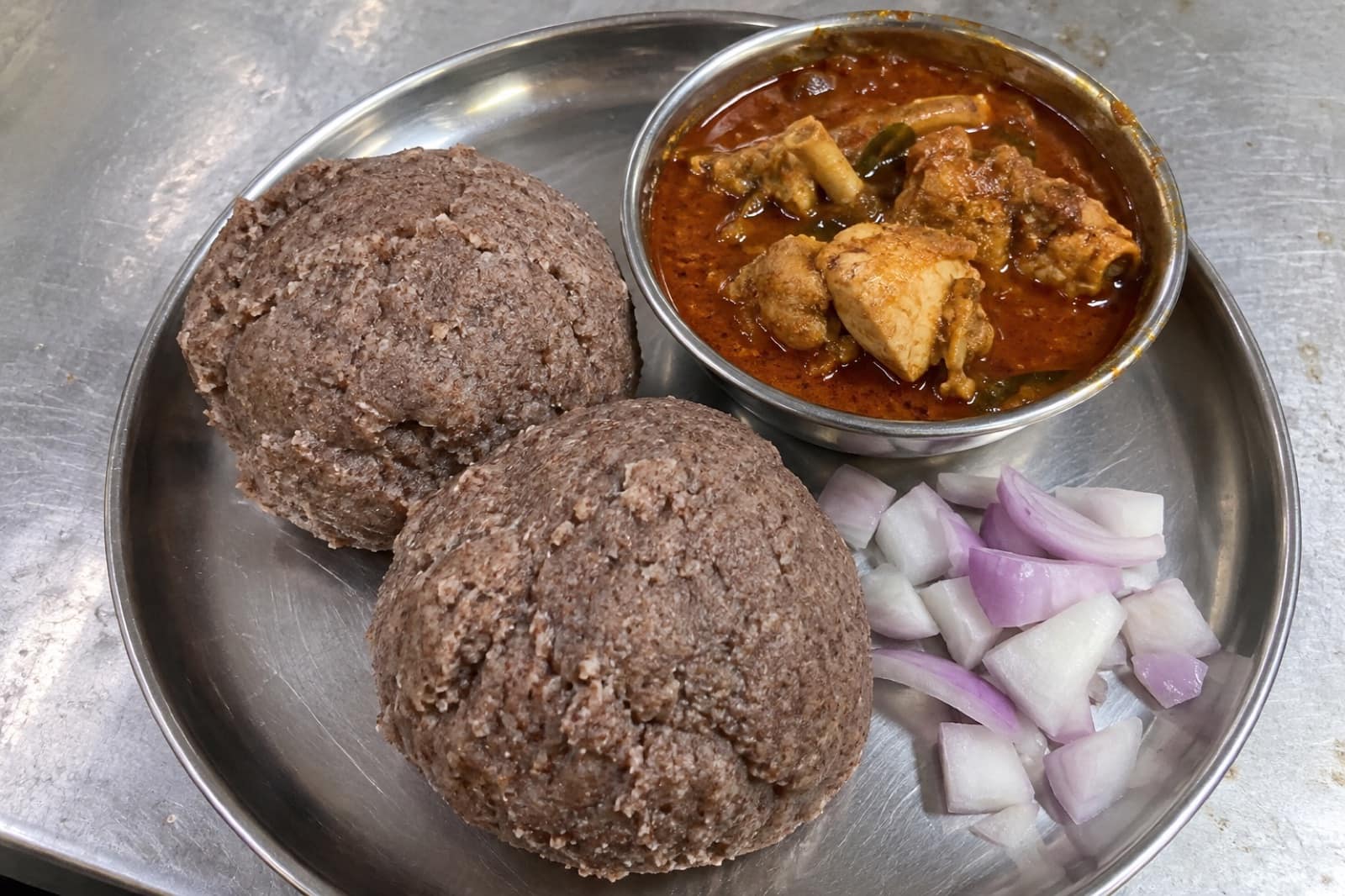
Trusted tables
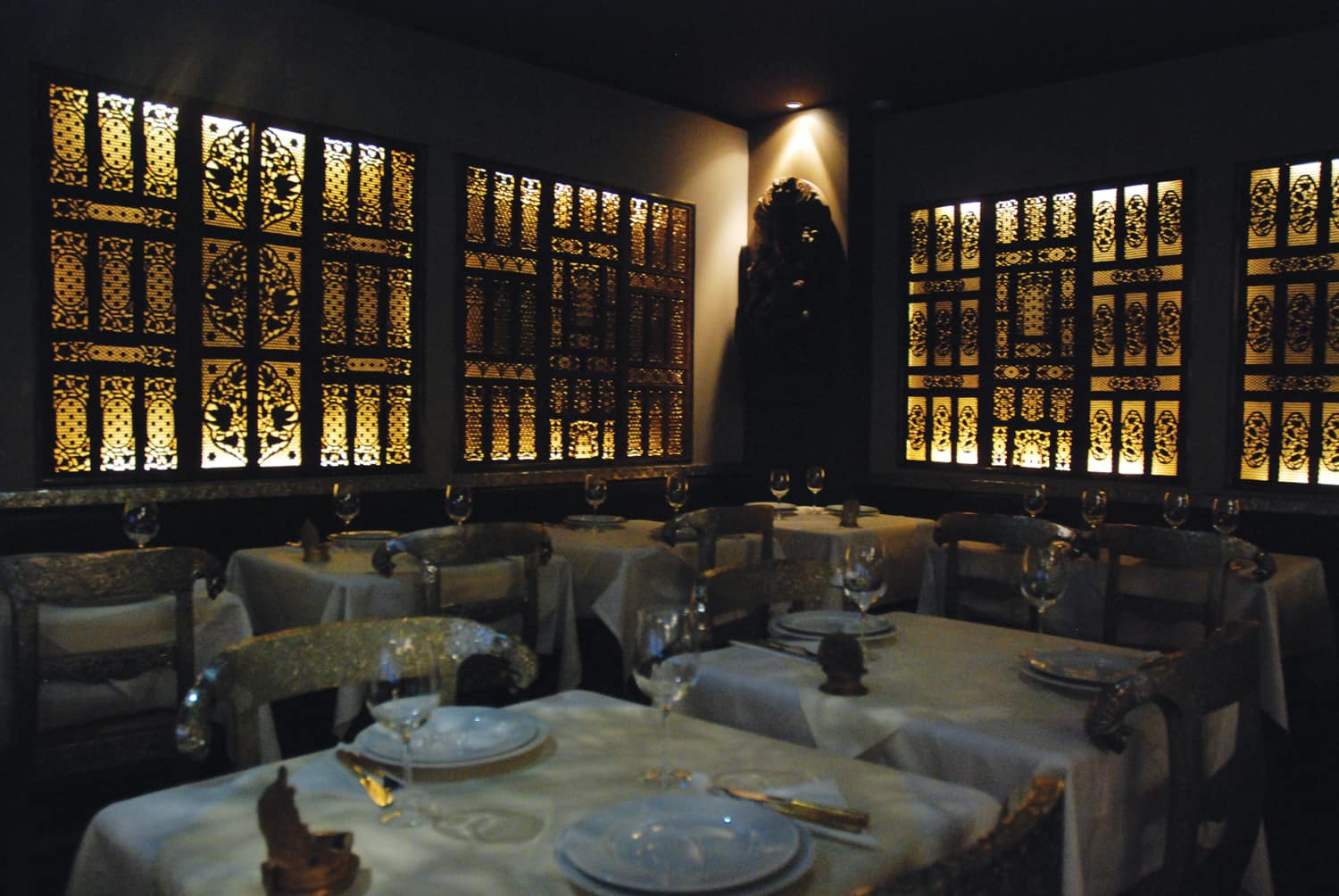
Where to Eat in Araku Valley
 Representative photo
APTDC Mayuri Restaurant
Araku
Representative photoAraku Coffee House
Araku
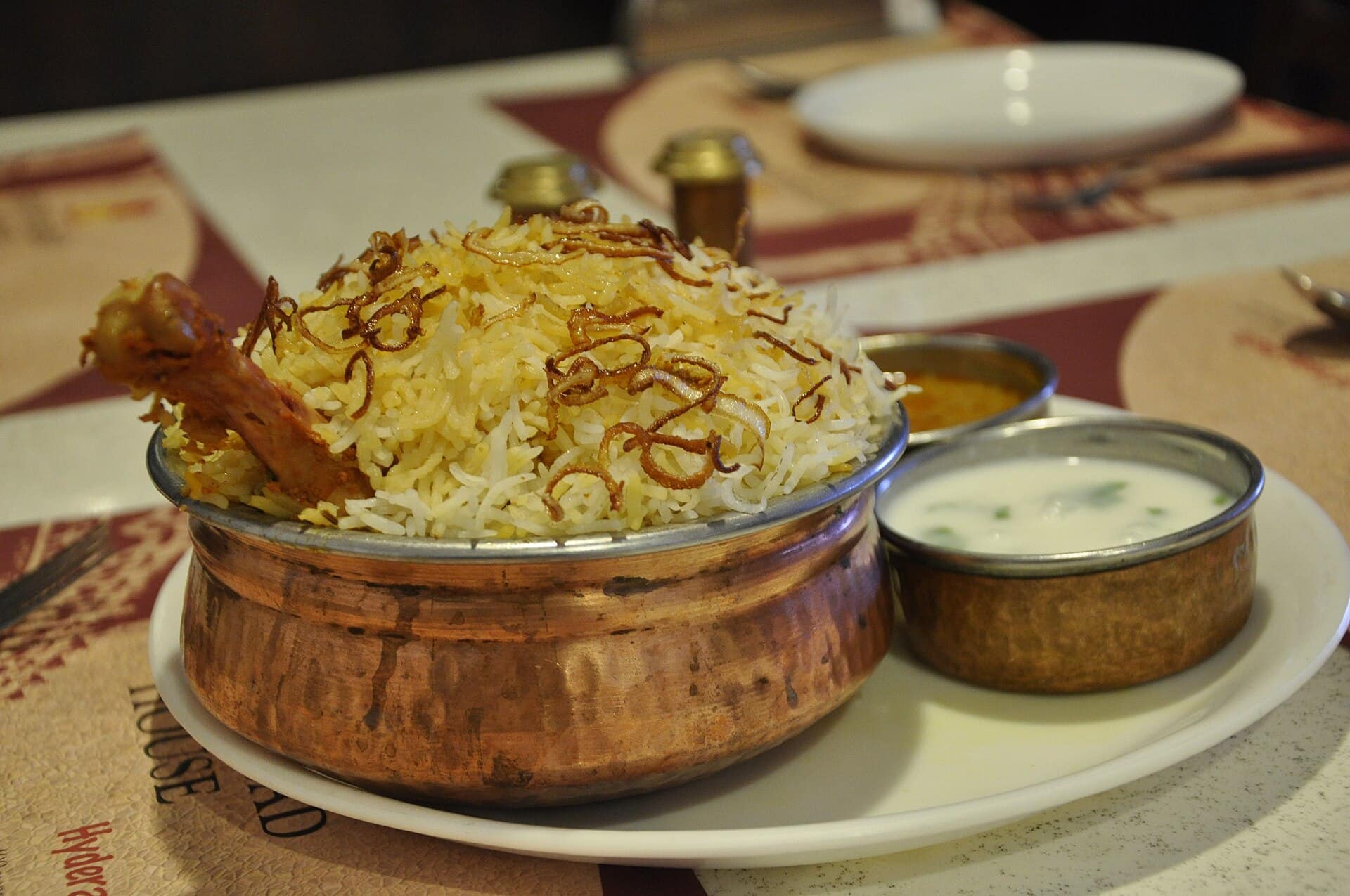 Representative photo
Araku Tribal Kitchen
Araku
Representative photoHilltop Meals
Araku
A coffee valley at the end of a mountain railway
Araku sits in the Eastern Ghats about 115 km by road from Visakhapatnam, close to the Odisha border, at roughly 900 to 1,000 metres. It is not a town with a centre so much as a wide bowl of paddy fields, coffee gardens and small villages, ringed by forested hills. Most people who live here belong to Adivasi communities, among them the Bagata, Konda Dora, Khond, Gadaba and Porja. Since 2022 the valley has been part of Alluri Sitharama Raju district, which is run from Paderu.
Getting up there
For many visitors the journey is the point. The Kothavalasa–Kirandul railway was built in the 1960s to carry iron ore down to the port, and the passenger train from Vizag climbs through dozens of tunnels and over tall bridges on its way up. Glass-roofed Vistadome coaches run on the early-morning service, reaching Araku in about four hours. Seats are few and sell out, so book on IRCTC as early as you can, especially for winter weekends. A popular plan is the train up and a taxi back down the ghat road, stopping at the coffee gardens around Ananthagiri, the Borra Caves and Katiki Falls.
How to spend two days
Day one: arrive by train, then see the Tribal Museum and the coffee museum next to it, and walk the flower beds at Padmapuram Gardens in the late afternoon. Day two: head out early for the viewpoints over the coffee country, then drive down to Borra and Katiki before the tour buses arrive. Chaparai's rocky cascades, about 15 km from town, and the Galikonda viewpoint on the ghat road make good extra stops.
Weather
October to February is cool and mostly dry. Mornings are misty and December and January nights get properly cold, so pack a warm layer. The rain arrives in June and lasts into September or October. That is when the waterfalls are fullest and the hills greenest, but fog settles on the ghat road and landslips sometimes disrupt the railway. April and May are warm by day, though far milder than the coast.
Coffee and food
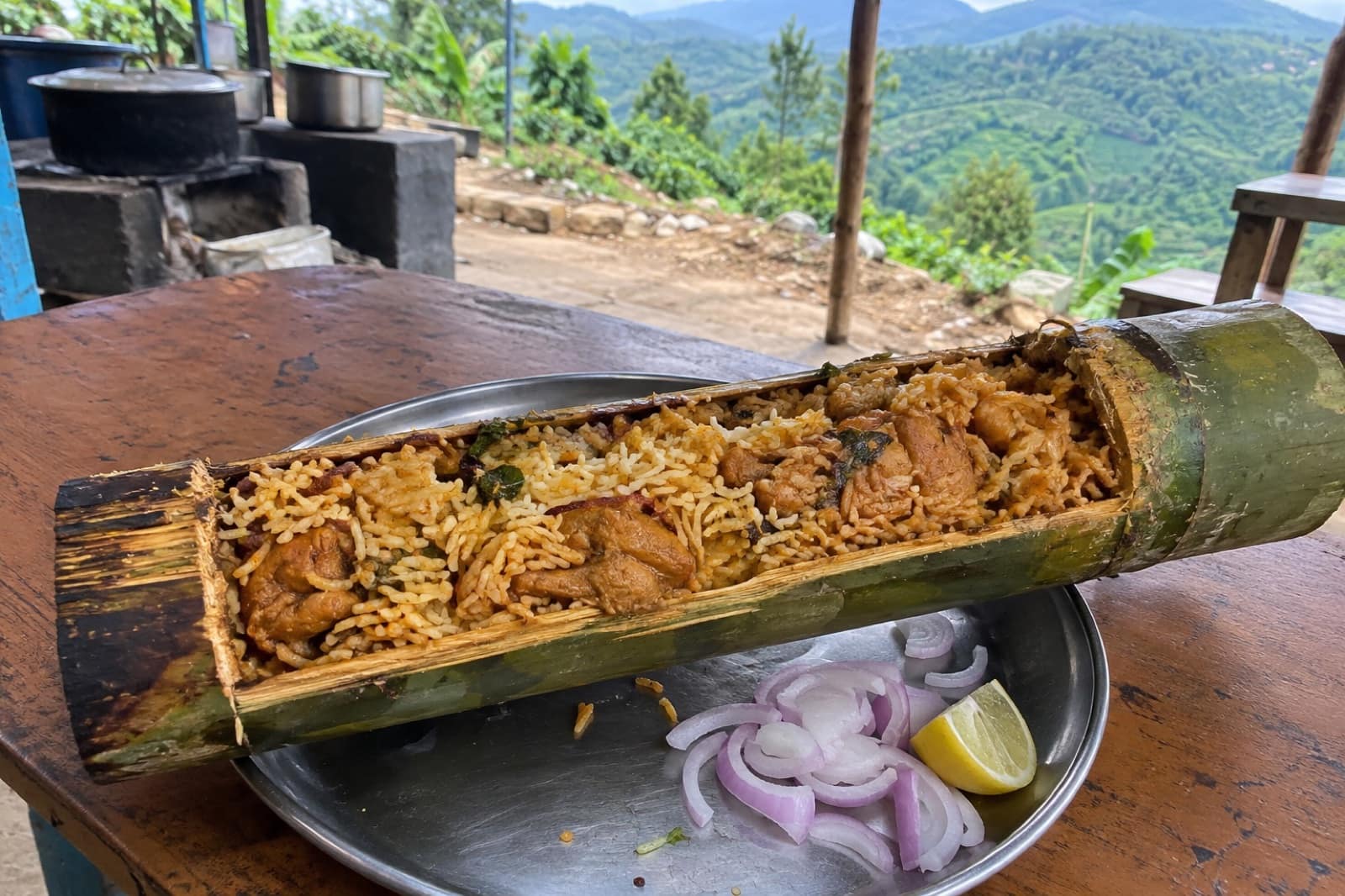
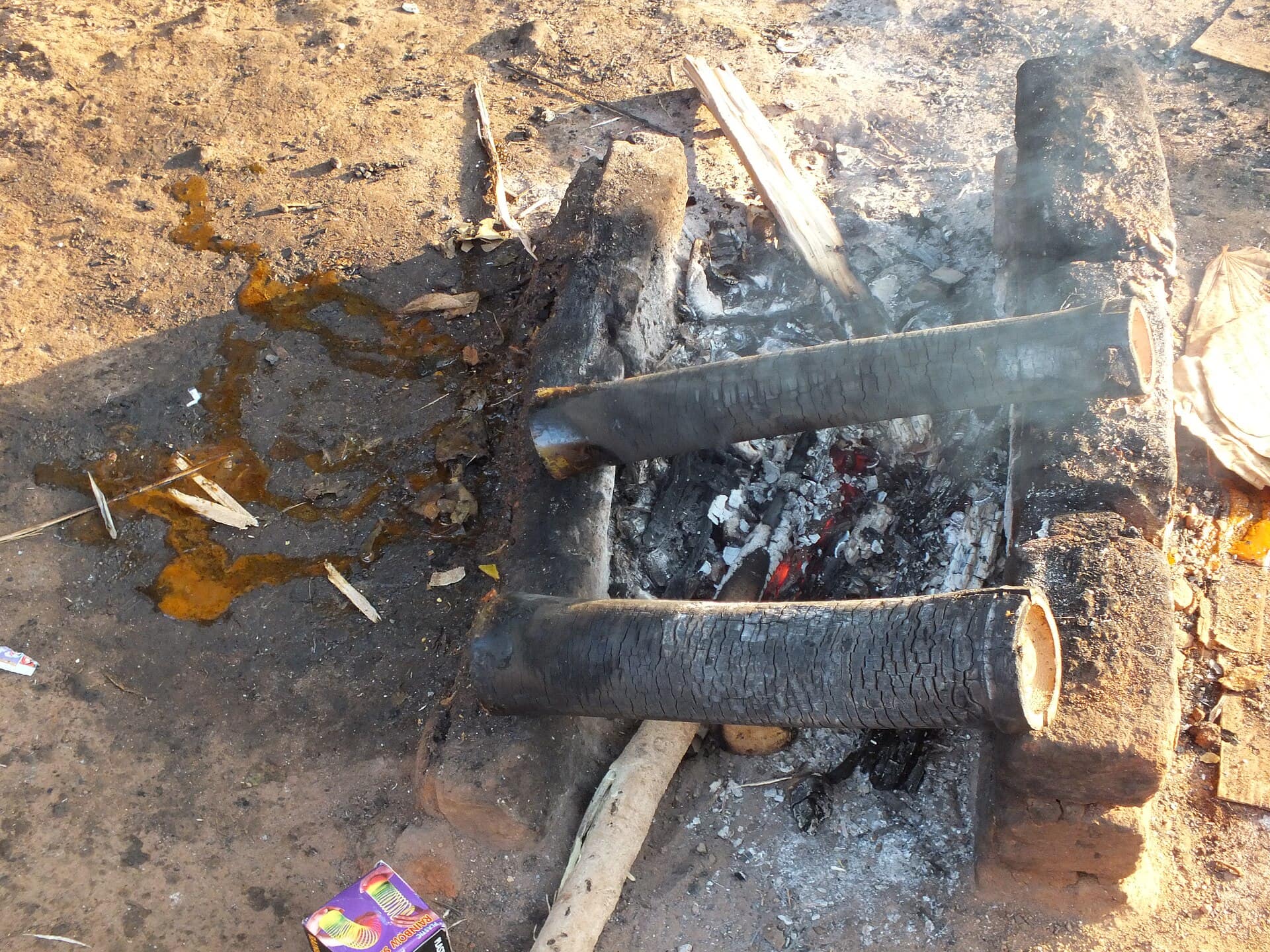
Coffee is grown here by thousands of tribal smallholders, often under silver oak and pepper vines. Araku Valley Arabica has had a Geographical Indication tag since 2019. Buy beans from the cooperative outlets and try bamboo chicken, which is roasted inside a green bamboo stem at stalls along the ghat road. The food page covers the rest.
Being a good guest
These are people's homes and farms, not a theme park. Ask before you photograph anyone, keep to paths through the plantations, and take your plastic back down with you.
Questions
Araku Valley — FAQ
How many days do I need in Araku Valley?
Two days is comfortable. Spend one on the train journey, the museums and Padmapuram Gardens, and the second on the viewpoints, Borra Caves and Katiki Falls. A third day lets you add Chaparai or a slow morning in the coffee gardens.
Can I visit Araku as a day trip from Visakhapatnam?
Yes, but it is a long day of eight hours or more on the road and rails. The usual version is the morning train up and a hired car back via Borra Caves. You will see the highlights, but nothing at an easy pace.
How do I book the Araku glass-roof train?
The Vistadome coaches are booked on IRCTC like any other reserved coach, on the early-morning service from Visakhapatnam towards Kirandul. There are only a few coaches, so book as soon as your dates are fixed. The ordinary coaches on the same train are cheaper and have the same views through open windows.
Should I stop at Borra Caves on the way up or on the way down?
On the way down, by road, suits most people. The train reaches Borra Guhalu station before Araku, but getting off there means waiting hours for onward transport. A taxi from Araku lets you combine the caves with Katiki and the coffee gardens at Ananthagiri.
Is Araku Valley safe for tourists?
Yes. The main sights, the ghat road and the town are routinely visited by families and tour groups. The practical risks are slippery steps in the caves, wet rocks at the waterfalls, and fog or landslips on the road in the rains. Drive the ghat road in daylight.