
What to Wear in Bikaner
Bikaner is a desert city, so what you wear depends mostly on the heat. Summer days are fierce, winter nights are properly cold, and there can be a big gap between the midday sun and the evening chill even in the same day.
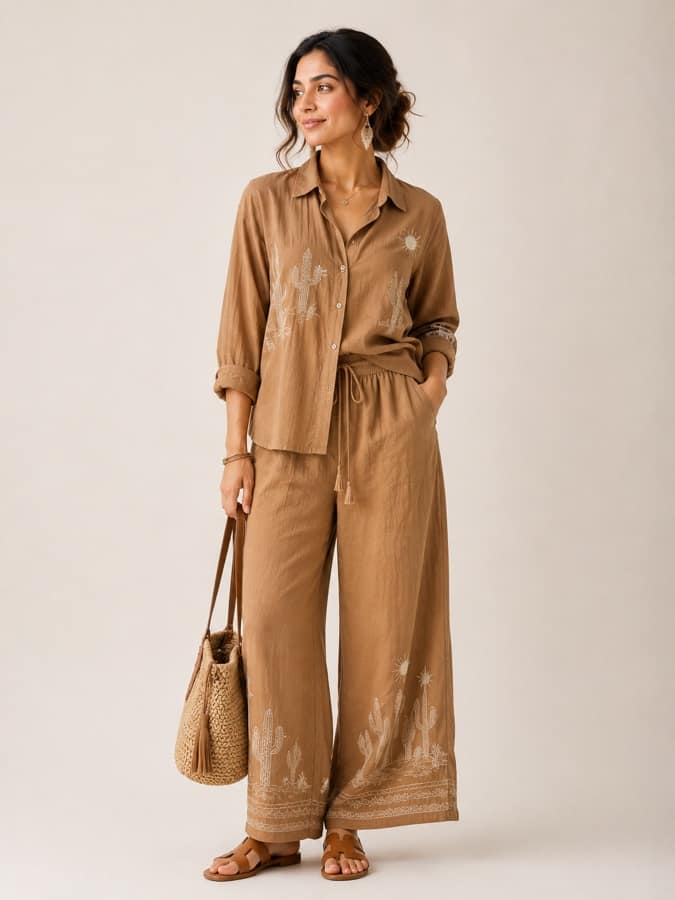
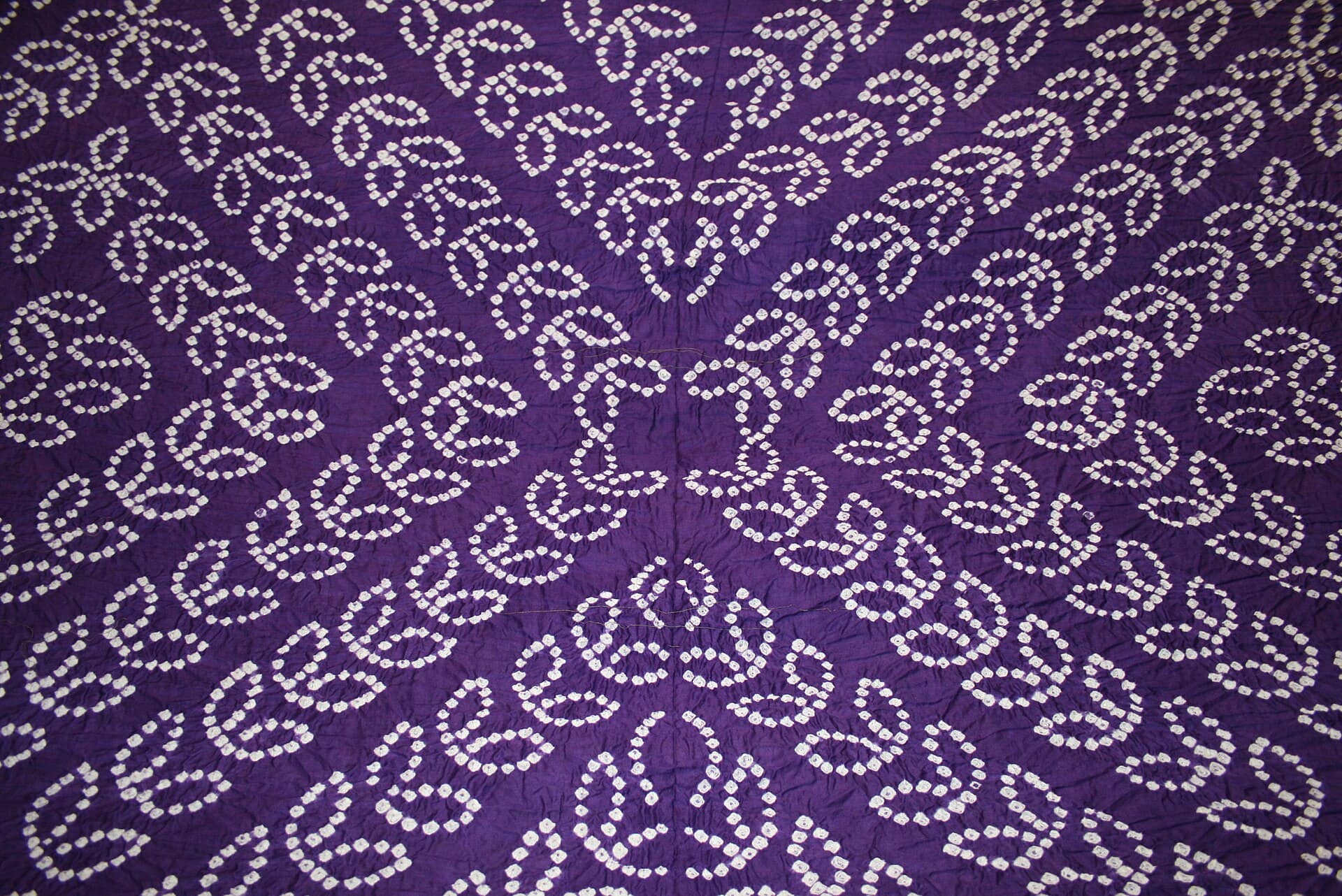
Loose, light cotton that covers your shoulders and knees works for most of the year and also suits temple visits. For photos, bright colours such as red, mustard and emerald stand out against the sandstone, and a bandhej scarf or dupatta adds a local touch.
Trending wear
Modern, Instagram-friendly looks
Traditional wear
Local cultural outfits
What to Wear in Bikaner During Winter
Winter (October to March) is the main season. Days are warm and sunny, but mornings and nights get cold, especially in December and January, when temperatures on the coldest nights can drop close to 4 °C.
Best Winter Outfits for Bikaner
- Cotton shirts, kurtas or tops for the day
- Jeans or comfortable trousers
- A warm sweater or fleece for mornings and evenings
- A jacket or shawl for cold nights and early starts
- Socks you can keep on at temples, as marble floors get cold
What to Wear in Bikaner During Summer
Summer (April to June) is extremely hot and dry, with daytime temperatures often above 40 °C and dusty winds. Cover up to protect your skin from the sun rather than wearing less.
Best Summer Outfits for Bikaner
- Loose, light-coloured cotton or linen clothes
- Long, airy kurtas or shirts with full sleeves
- A wide-brimmed hat or a scarf for your head
- Sunglasses and sunscreen
- A light scarf to cover your face in dust storms
What to Wear in Bikaner During the Monsoon
The monsoon (July to September) brings only light, patchy rain to Bikaner. It stays hot, and the air can feel humid after a shower.
Best Monsoon Outfits for Bikaner
- Light, quick-drying clothes
- A compact umbrella, which also helps with the sun
- Breathable cotton tops
- Sandals or shoes with a good grip for wet streets
Best Colours to Wear in Bikaner
Bright, warm colours such as red, mustard, saffron and emerald stand out against red sandstone and gold palace interiors. White and ivory look clean and cool against the desert light and the pink walls of the old city. Avoid beige and sand shades if you want to stand out in photos, as they blend into the stone.
Footwear Tips for Bikaner
Comfortable walking shoes are best for Junagarh Fort and the old-city lanes. Choose slip-ons or sandals for temple days, as you remove your shoes at the entrance, and you walk barefoot at the Karni Mata Temple. In summer, sandstone and marble get very hot, so visit temples early in the day.
Questions
Bikaner — FAQ
What should I wear in Bikaner?
Loose, light cotton that covers your shoulders and knees works for most of the year. Add a sweater or jacket for winter nights, and a hat and sunglasses for the strong desert sun.
Does Bikaner get cold in winter?
Yes. Days are warm, but nights in December and January can drop close to 4 °C on the coldest nights. Pack a warm layer for early mornings and evenings, especially if you visit during the Camel Festival.
What should I wear to the Karni Mata Temple?
Wear modest clothing that covers your shoulders and knees. You must take off your shoes, so wear slip-ons. Many visitors keep socks on inside, as the rats move freely across the temple floor.
How should I dress for the heat in Bikaner?
Cover up with loose, light-coloured cotton or linen, and wear a hat or scarf and sunglasses. Covering your arms and legs keeps you cooler in the desert sun than short sleeves.
What traditional clothes are worn in Bikaner?
Men often wear an angrakha with a colourful safa (turban), and women wear bandhej saris and odhnis in bright tie-dye patterns. A bandhej dupatta is an easy way to add local colour to your own outfit.