
Rajasthan · India
Bikaner
A Thar-desert city of a magnificent unconquered fort, honey-stone havelis and camels — and the birthplace of India's most famous namkeen.
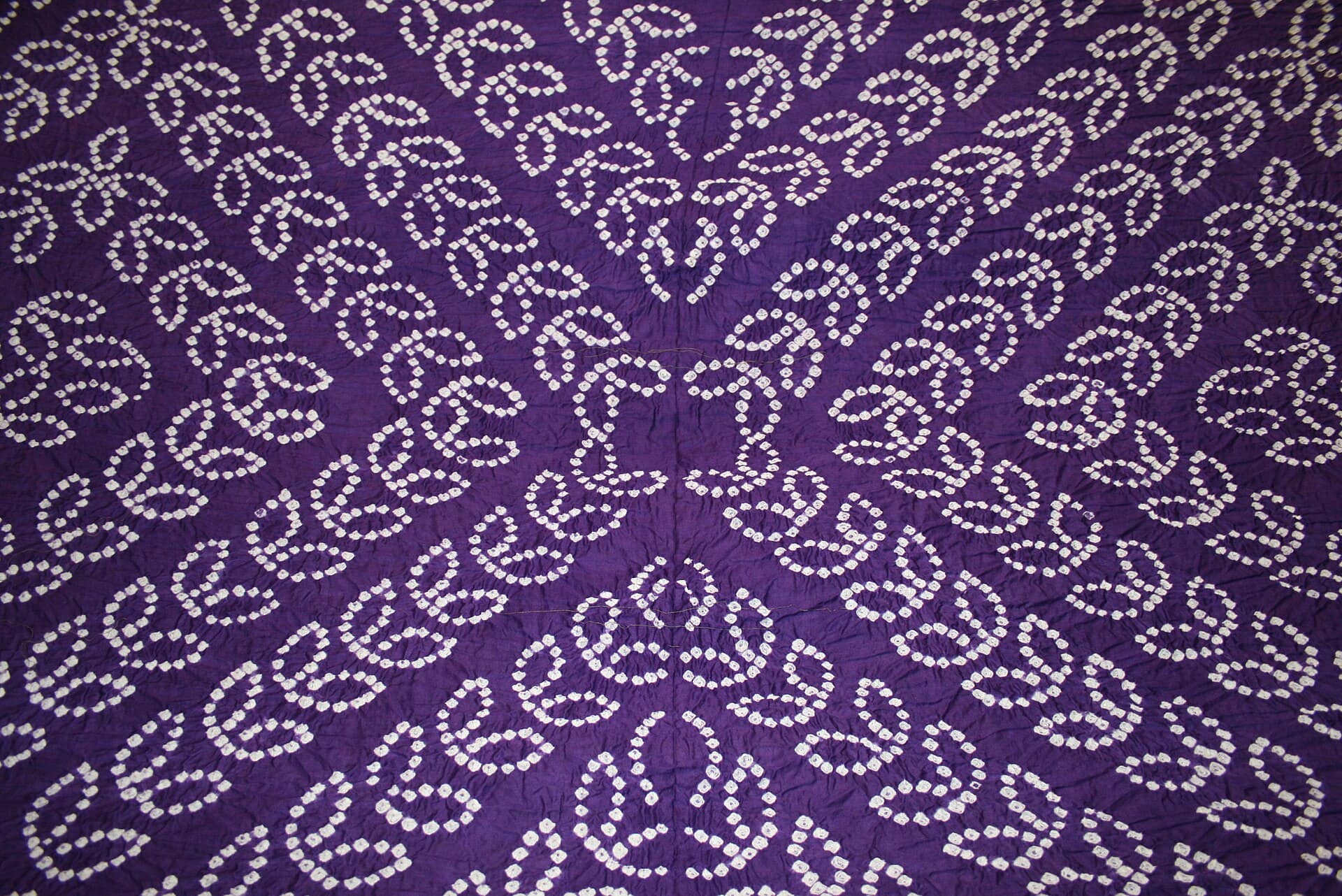
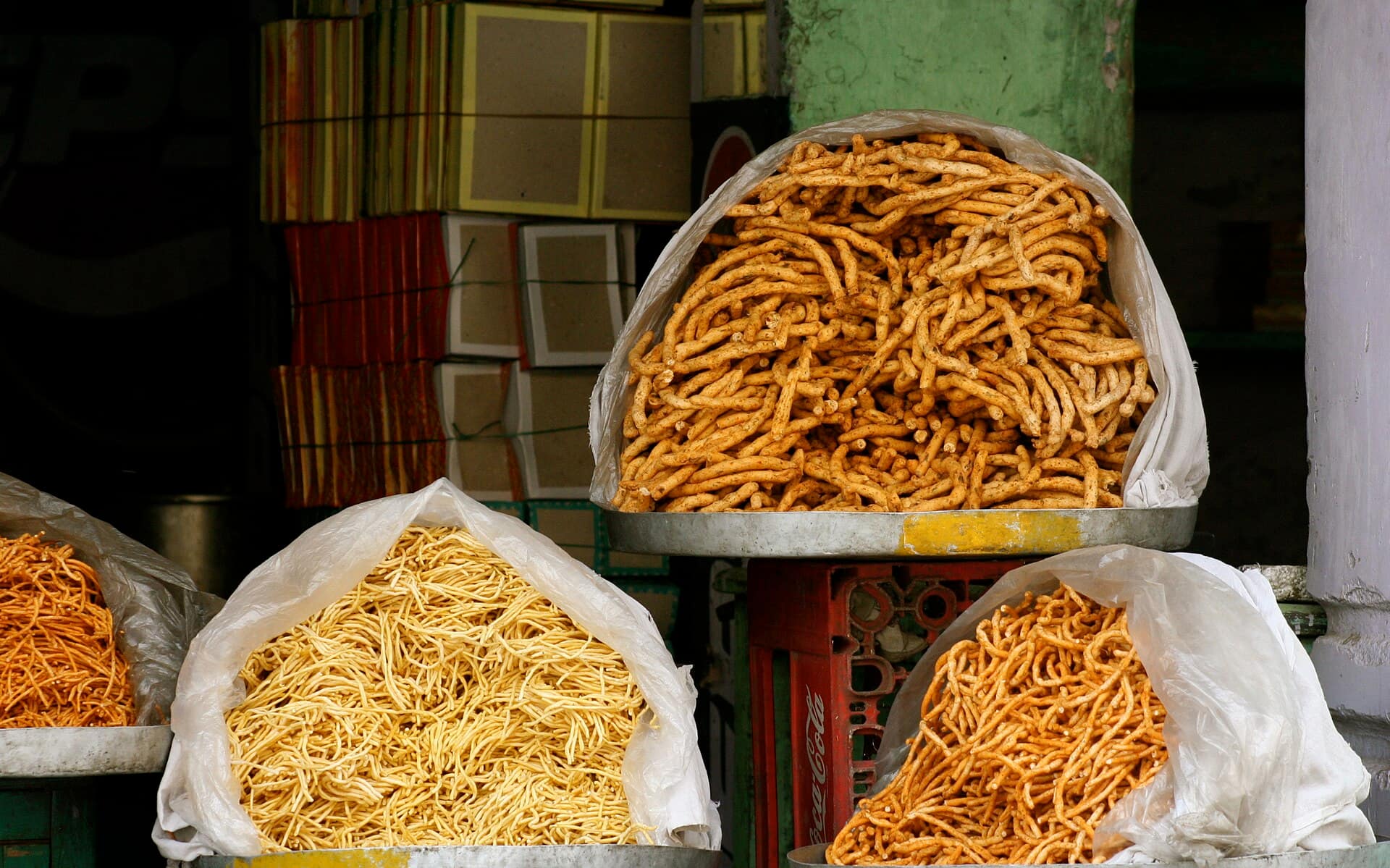
Bikaner is famed for its bhujia and sweets, camel culture (and the world's biggest camel farm), Usta gold-work art, and bandhej textiles.
Plan your trip
Bikaner Tour Itineraries
Timed, walkable day plans — plus the best season to go.
Where to shoot
Bikaner Photo Spots
Entry ₹50
Camel Research Centre
- Best timeLate afternoon, when the herd walks back from grazing and the low sun turns the dust golden.
- ColorsRustMustardWhite
 Medium crowd
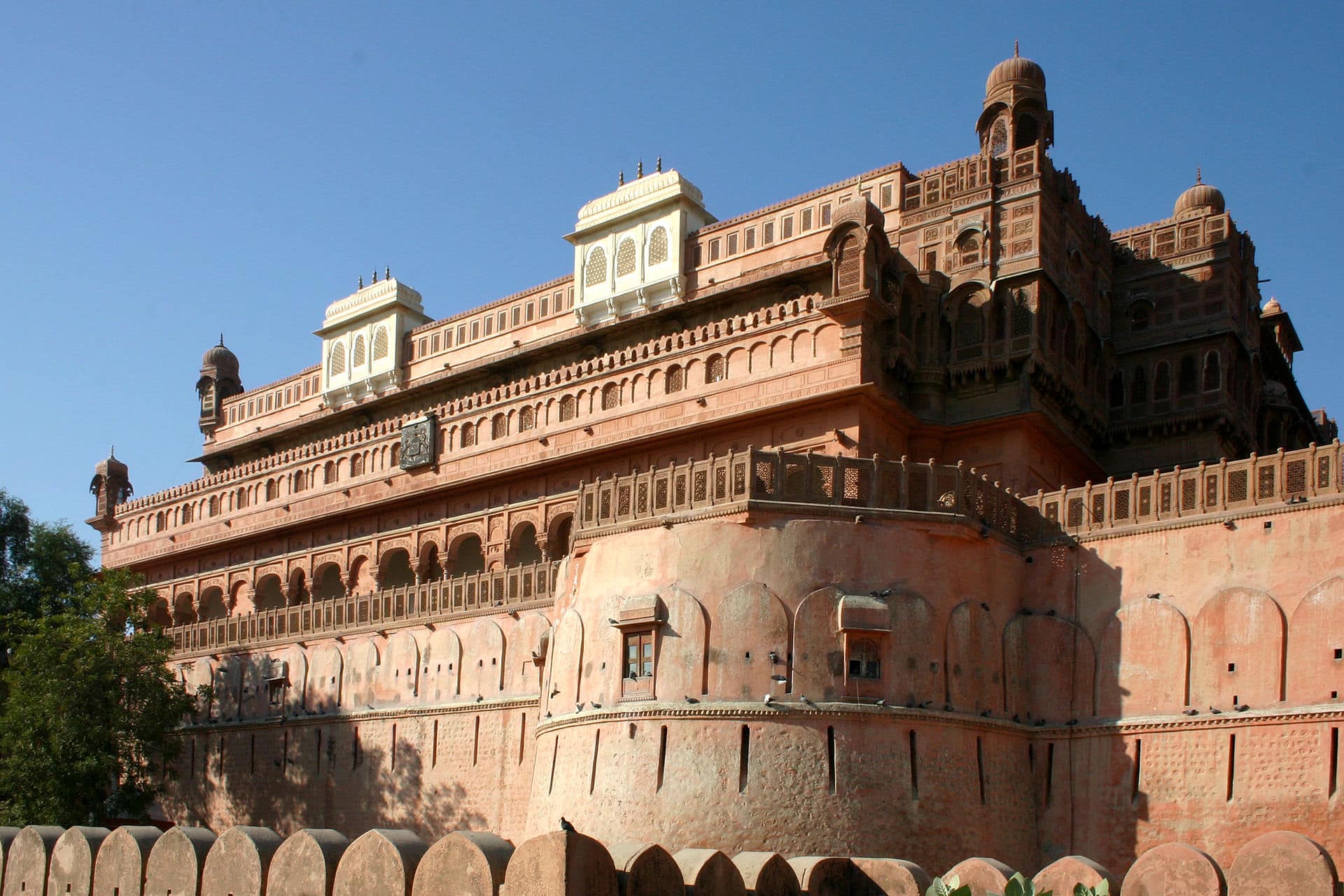
Entry ₹50 (Indian) / ₹300 (foreign)
Junagarh Fort
- Best timeMorning, soon after opening, for soft light in the courtyards and quieter palace rooms.
- ColorsRedGoldEmerald
 High crowd
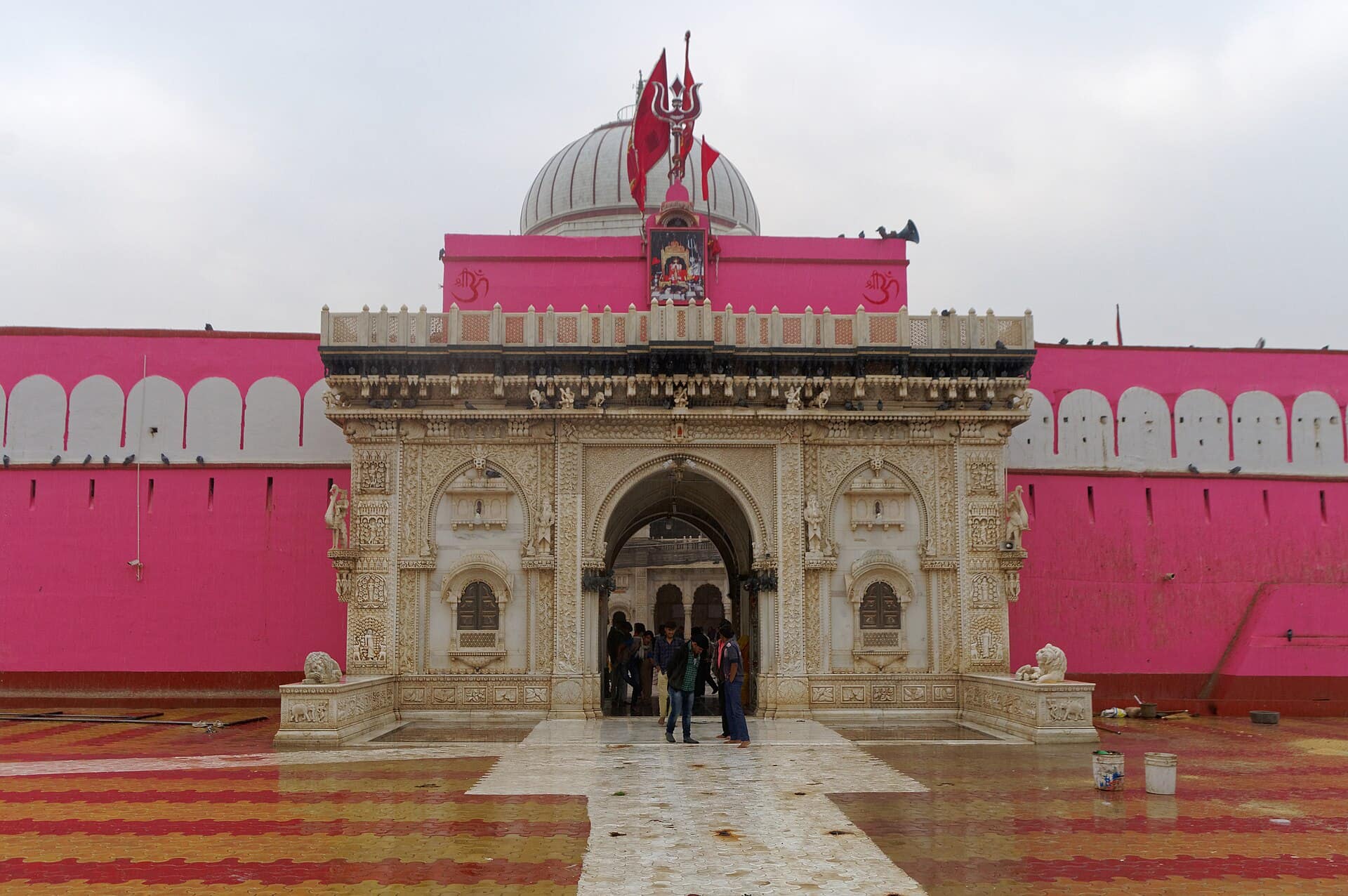
Entry Free (camera fee)
Karni Mata Temple
- Best timeEarly morning, when the marble front is in soft light and there are fewer pilgrims at the gate.
- ColorsSaffronRedWhite
 Medium crowd
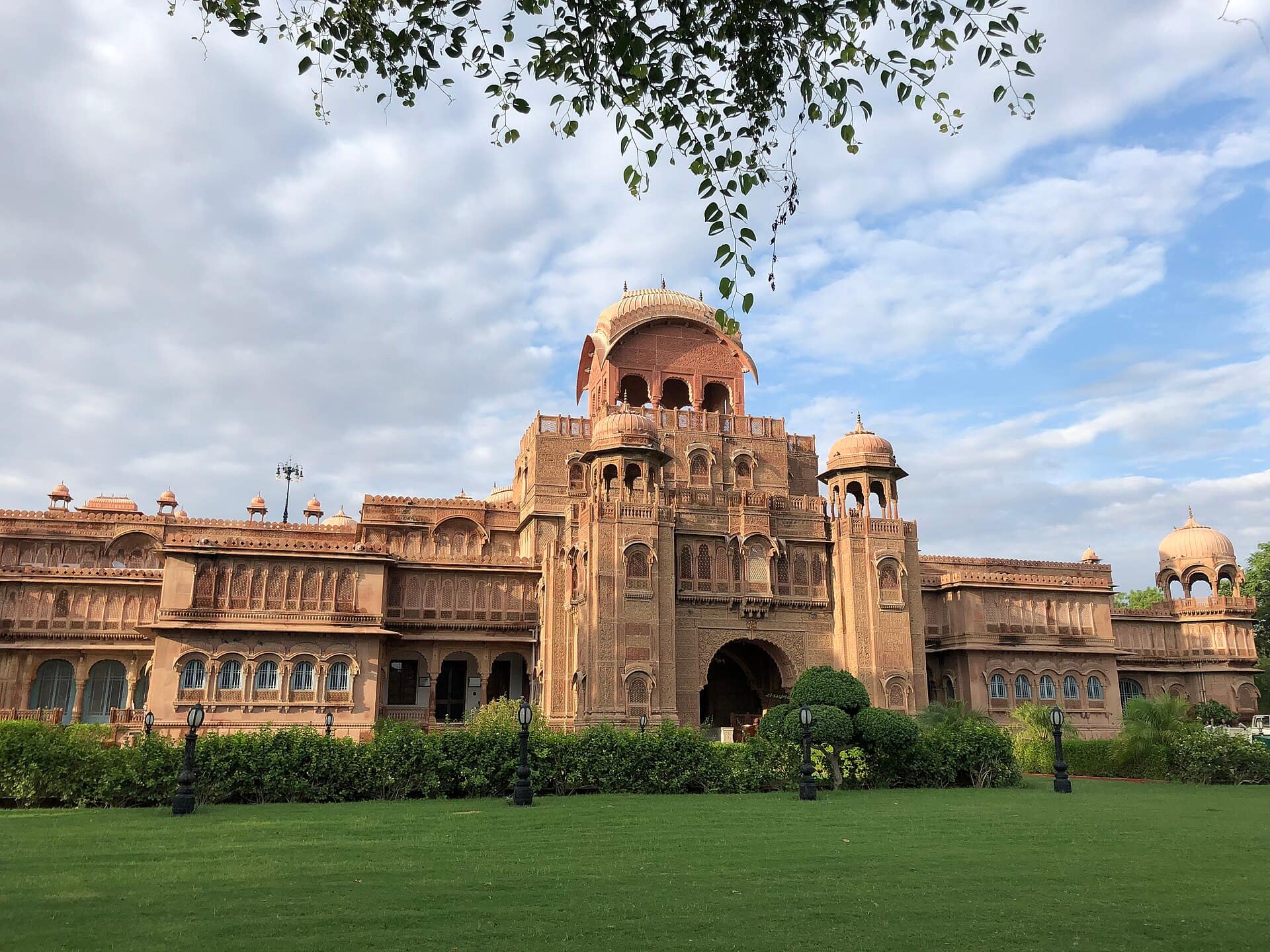
Entry ₹100 (museum)
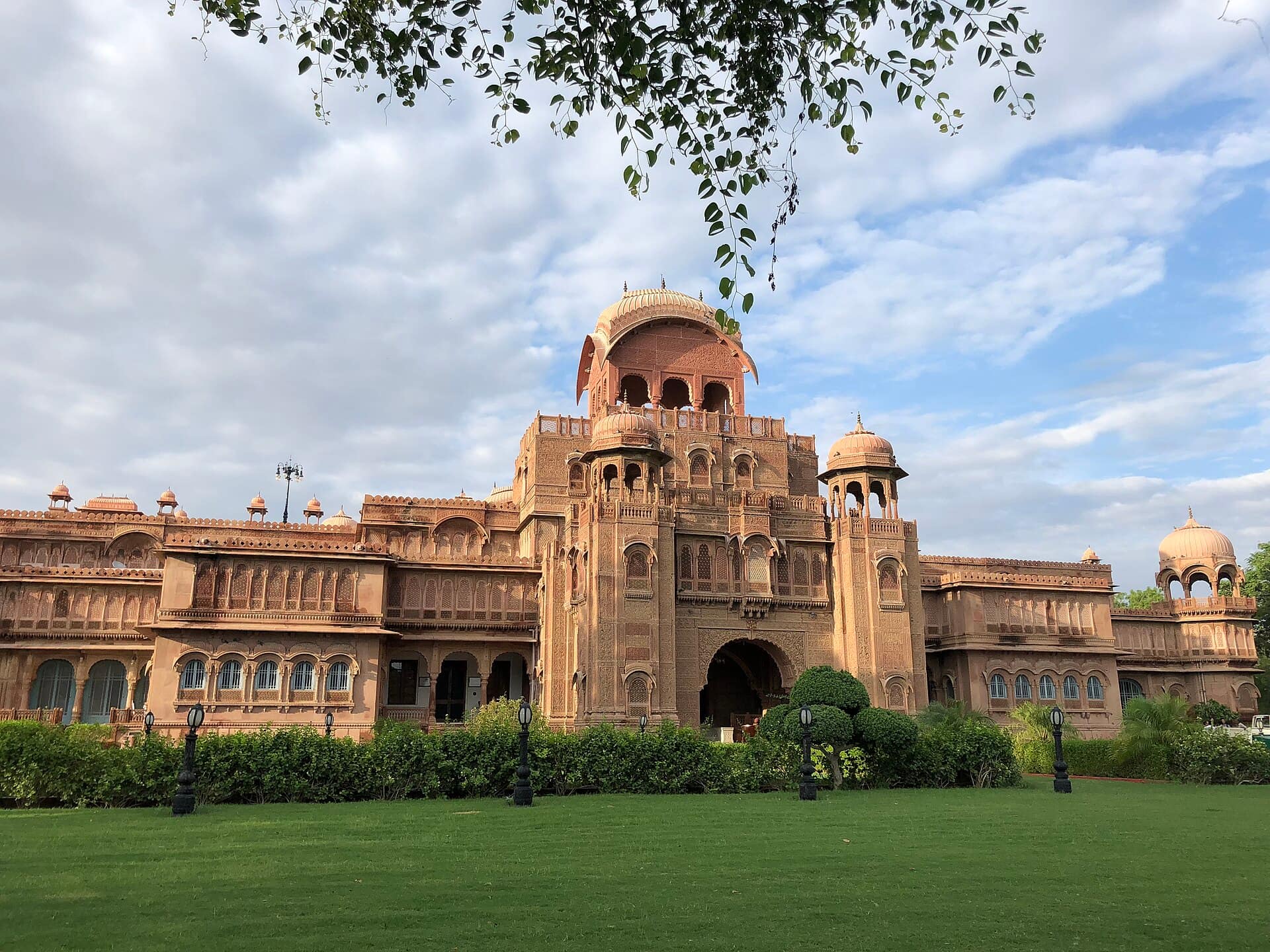
Lalgarh Palace
- Best timeLate afternoon, when the low sun turns the sandstone deep red and lights up the carved screens.
- ColorsIvoryRustDeep red
Entry Free (exterior)
Rampuria Havelis
- Best timeMorning, when soft side light brings out the depth of the carvings and the lanes are quiet.
- ColorsMustardWhiteTeal
For the feed
Trending Wear in Bikaner
Modern, Instagram-friendly looks

Rooted in the city
Bikaner Traditional Wear
Local, cultural, handcrafted outfits
Before you go
Temples in Bikaner
Darshan hours, dress codes and what gets refused at the gate
Taste the city
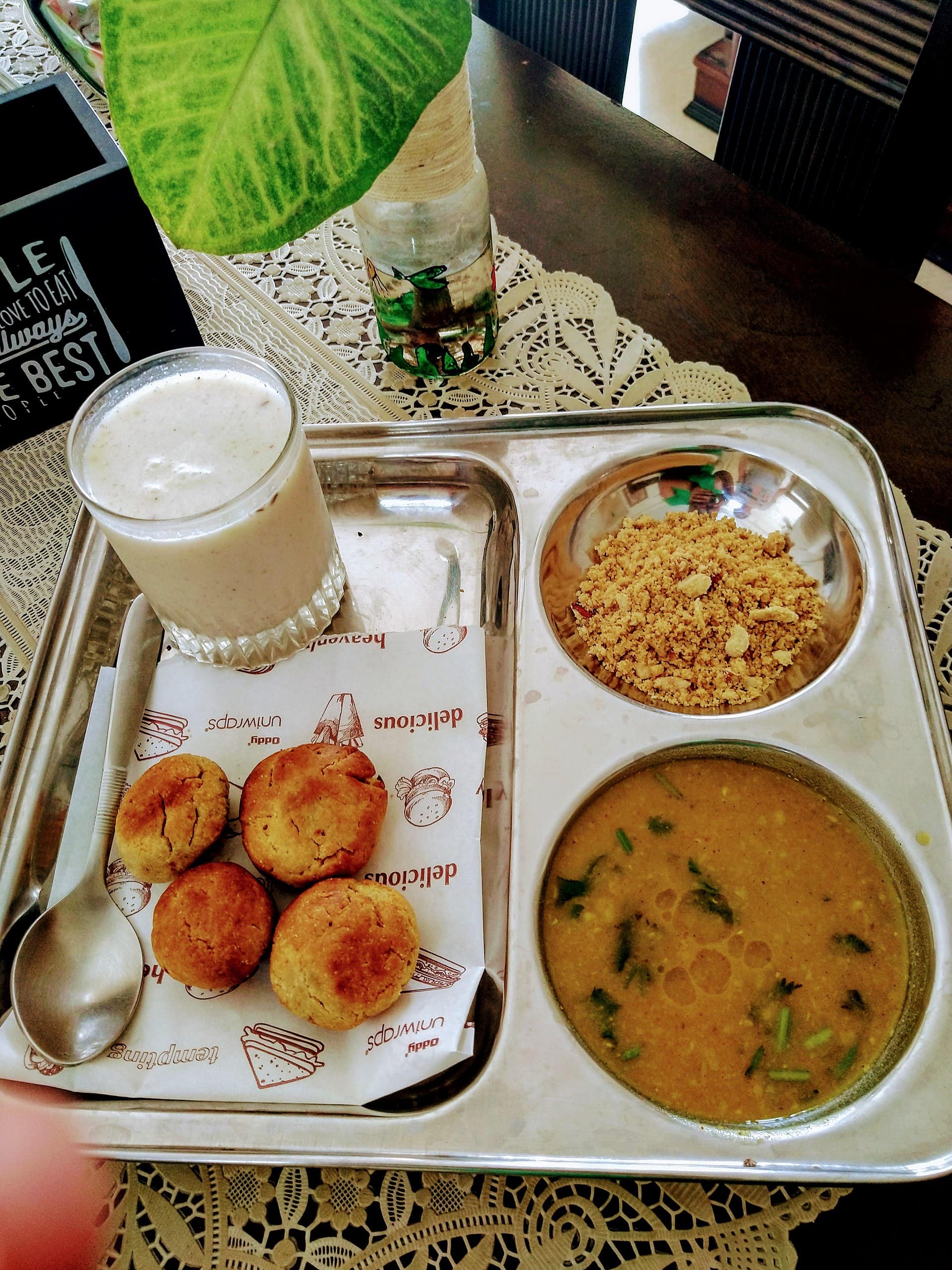
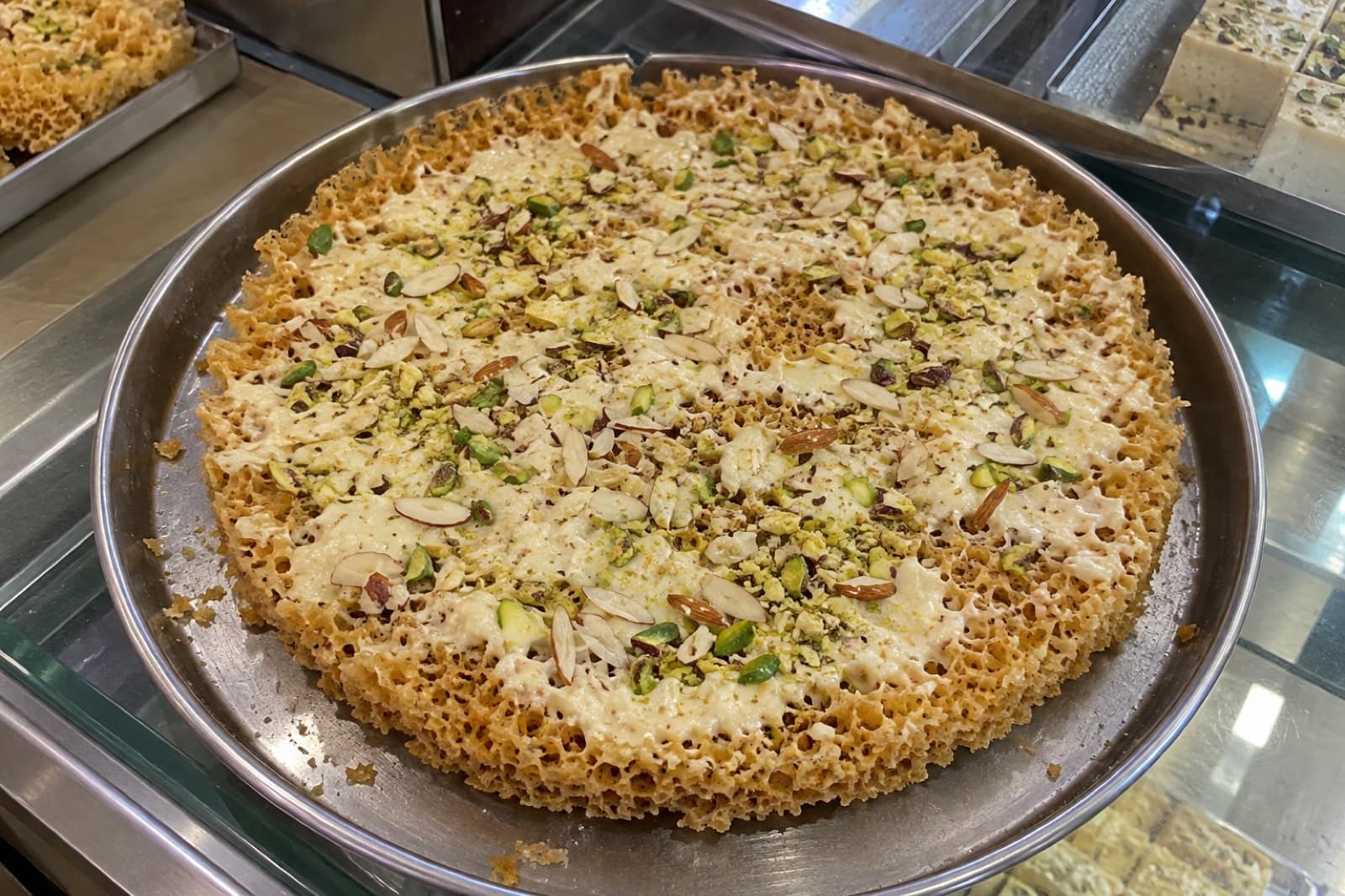
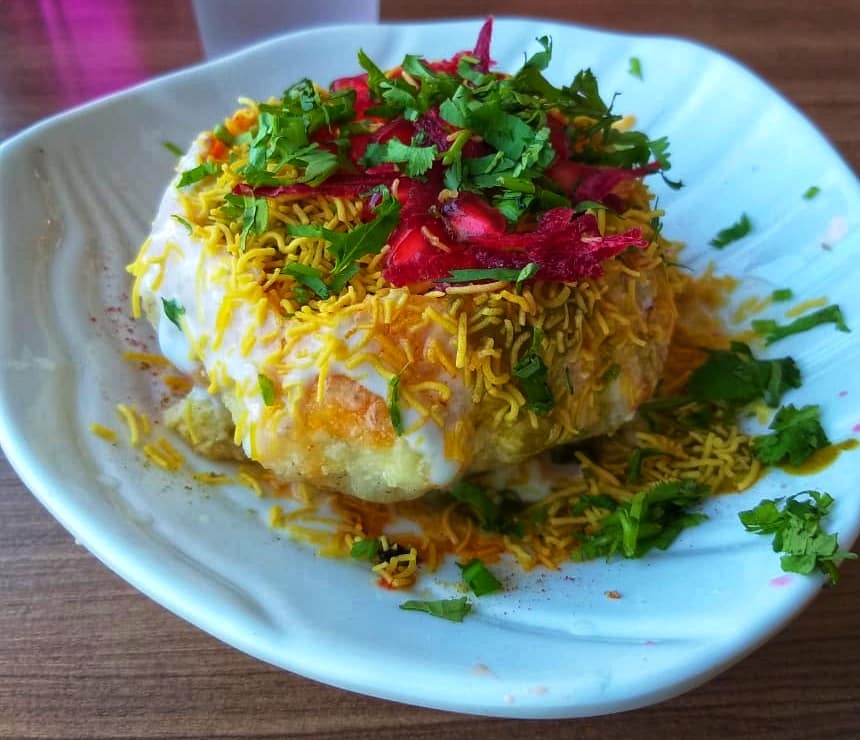
Food to Eat in Bikaner
Trusted tables
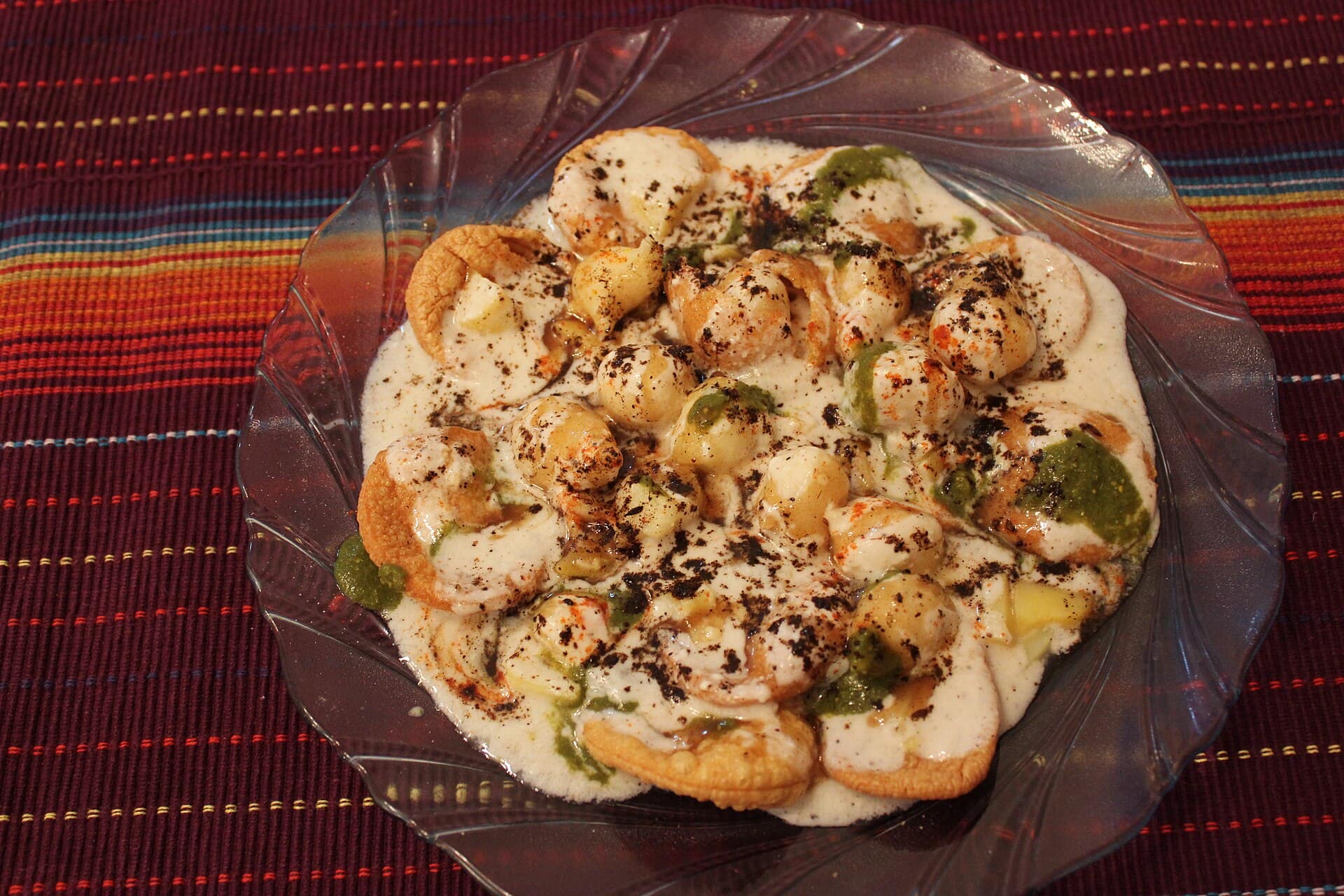
Where to Eat in Bikaner
About Bikaner
Bikaner sits in the Thar Desert in northern Rajasthan and was founded in 1488 by Rao Bika, a Rathore prince from Jodhpur. Its centrepiece is Junagarh Fort, built between 1589 and 1594 on flat ground rather than a hilltop, and known as one of the few major forts in Rajasthan never taken by an invader. Inside are palace rooms covered in gold leaf, mirror-work and painted ceilings. A short drive away, the red-sandstone Lalgarh Palace shows the city's early 20th-century side.
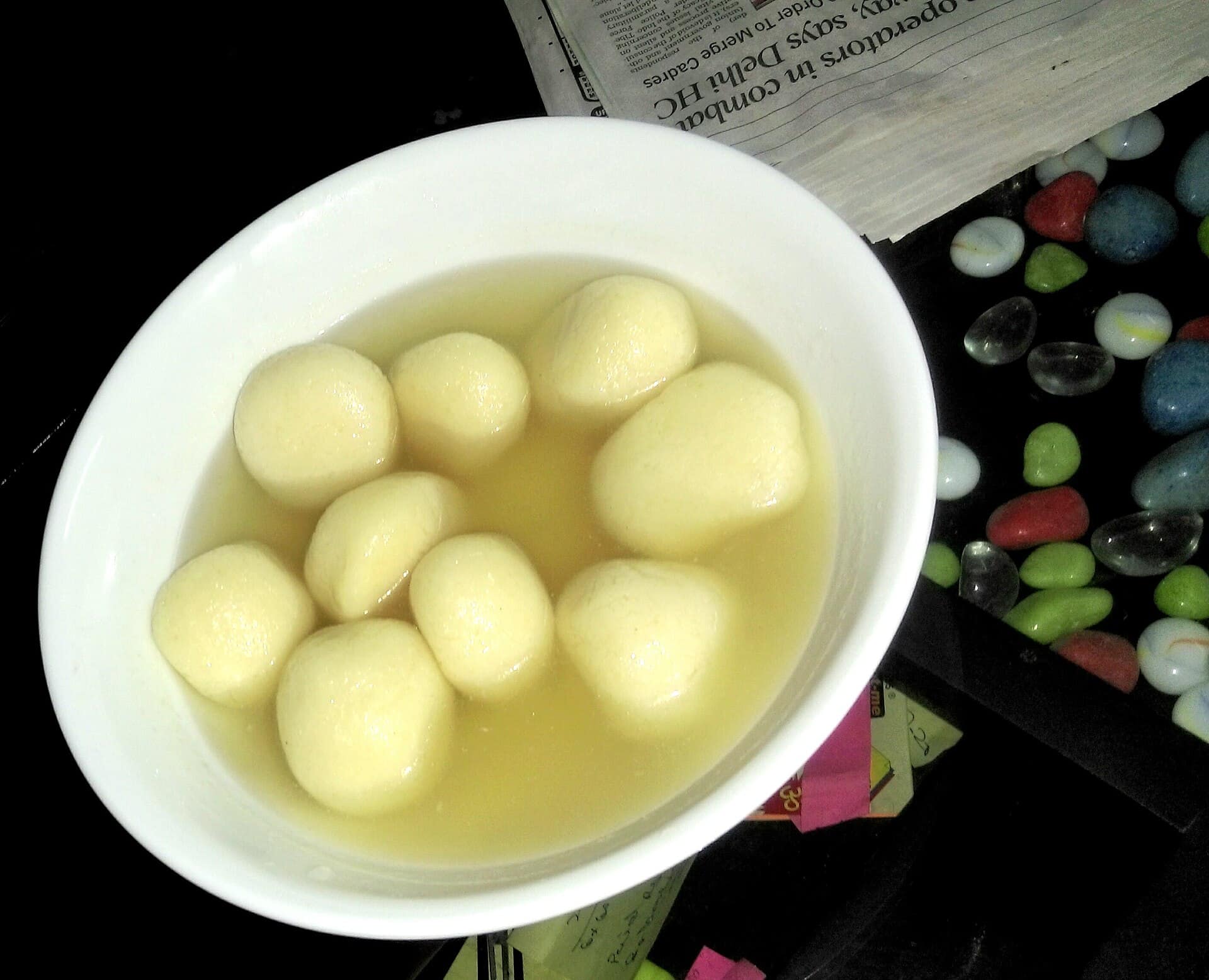
The old city is a tangle of lanes and bazaars where the carved Rampuria havelis stand among ordinary homes and shops. Camels are part of everyday life here: the National Research Centre on Camel sits on the edge of town, and the Camel Festival fills the city every January. Most visitors also make the trip to the Karni Mata Temple at Deshnoke, famous for its sacred rats. Leave time to eat, too. Bikaneri bhujia was born here, and the sweet shops are known across India for their rasgulla.
Questions
Bikaner — FAQ
What is Bikaner famous for?
Bikaner is famous for Junagarh Fort, the carved Rampuria havelis, Lalgarh Palace, its camels and the January Camel Festival. It is also the home of Bikaneri bhujia, which has a GI tag, and is known for its rasgulla and sweet shops. The Karni Mata 'rat temple' at Deshnoke is about 30 km away.
How many days are enough for Bikaner?
2 days is enough for Junagarh Fort, Lalgarh Palace, the old city havelis and the camel research centre. Add a half day for the Karni Mata Temple at Deshnoke, or a third day if you want to slow down and eat your way through the old city.
What is the best time to visit Bikaner?
October to March is the most comfortable time, with warm days and cool nights. April to June is very hot, often above 40 °C. January brings the Camel Festival, so plan early if you want to see it. See the best time to visit Bikaner for a month-by-month guide.
How do I reach Bikaner?
Bikaner Junction is well connected by train to Jaipur, Delhi and Jodhpur, and trains are the most common way to arrive. Jaipur is about 330 km away by road. The small Nal airport, about 15 km from the city, has limited domestic flights, so check schedules before you plan around it.
Is it worth visiting the Karni Mata Temple from Bikaner?
Yes, if you are comfortable with rats. The temple at Deshnoke is home to thousands of rats that are treated as sacred, and you walk barefoot inside. It is about 30 km from Bikaner, so most people combine it with a half-day trip by taxi or bus.