
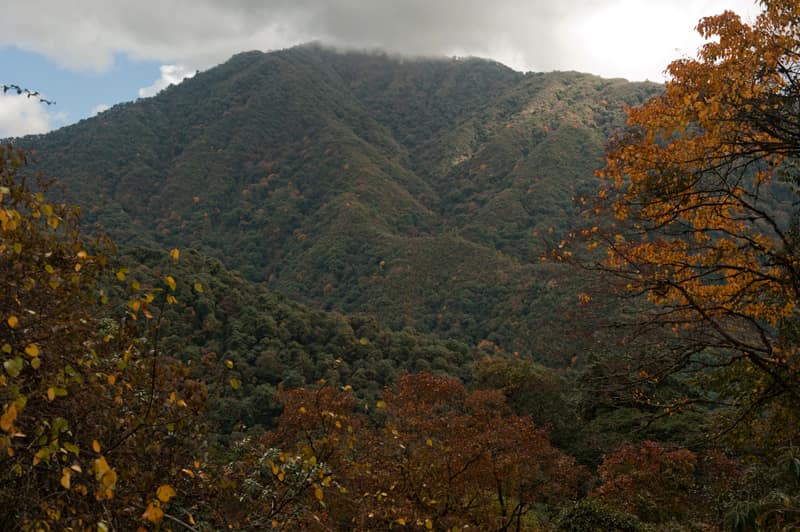
Photo spot in Bomdila
Eaglenest Wildlife Sanctuary
Bomdila, Arunachal Pradesh
A biodiversity hotspot of dense subtropical-to-alpine forest south of Bomdila, world-famous among birders for species like the Bugun liocichla, with rich orchid and mammal life.
Best time
First light for active birds and mist in the valleys; late afternoon for soft light on the forest ridges.
Best angle
Stand at a clearing on the track and shoot across the layered forest ridges with mist between them; for birds, wait quietly at forest edges with a long lens.
Entry fee
Permit
Opening hours
Daylight (permit/guide)
Crowd level
Low
Best outfit colors
Overview
Best time to visit Eaglenest Wildlife Sanctuary
First light for active birds and mist in the valleys; late afternoon for soft light on the forest ridges. Crowds here are typically low. Arrive a little early to claim your angle and catch the softest light before the day tips over.
Poses & angles
Photo tips for Eaglenest Wildlife Sanctuary
Stand at a clearing on the track and shoot across the layered forest ridges with mist between them; for birds, wait quietly at forest edges with a long lens. Work a few of the pose ideas below, shoot wide for context and tight for detail, and give yourself a couple of extra minutes to get the frame right.
On a birding trail
At a forest viewpoint
Outfit guide
What to wear at Eaglenest Wildlife Sanctuary
For photos at Eaglenest Wildlife Sanctuary, olive, cream and forest green work beautifully — they stand out against the setting without fighting it. Pick one hero colour and keep the rest of the look calm so you stay the subject of the frame.
Best outfit colors for photos
Trending wear for this spot
Popular modern looks travellers are wearing across Bomdila.
Traditional wear for this spot
Timeless, cultural outfits worn across Bomdila.

Eat nearby
Food near Eaglenest Wildlife Sanctuary
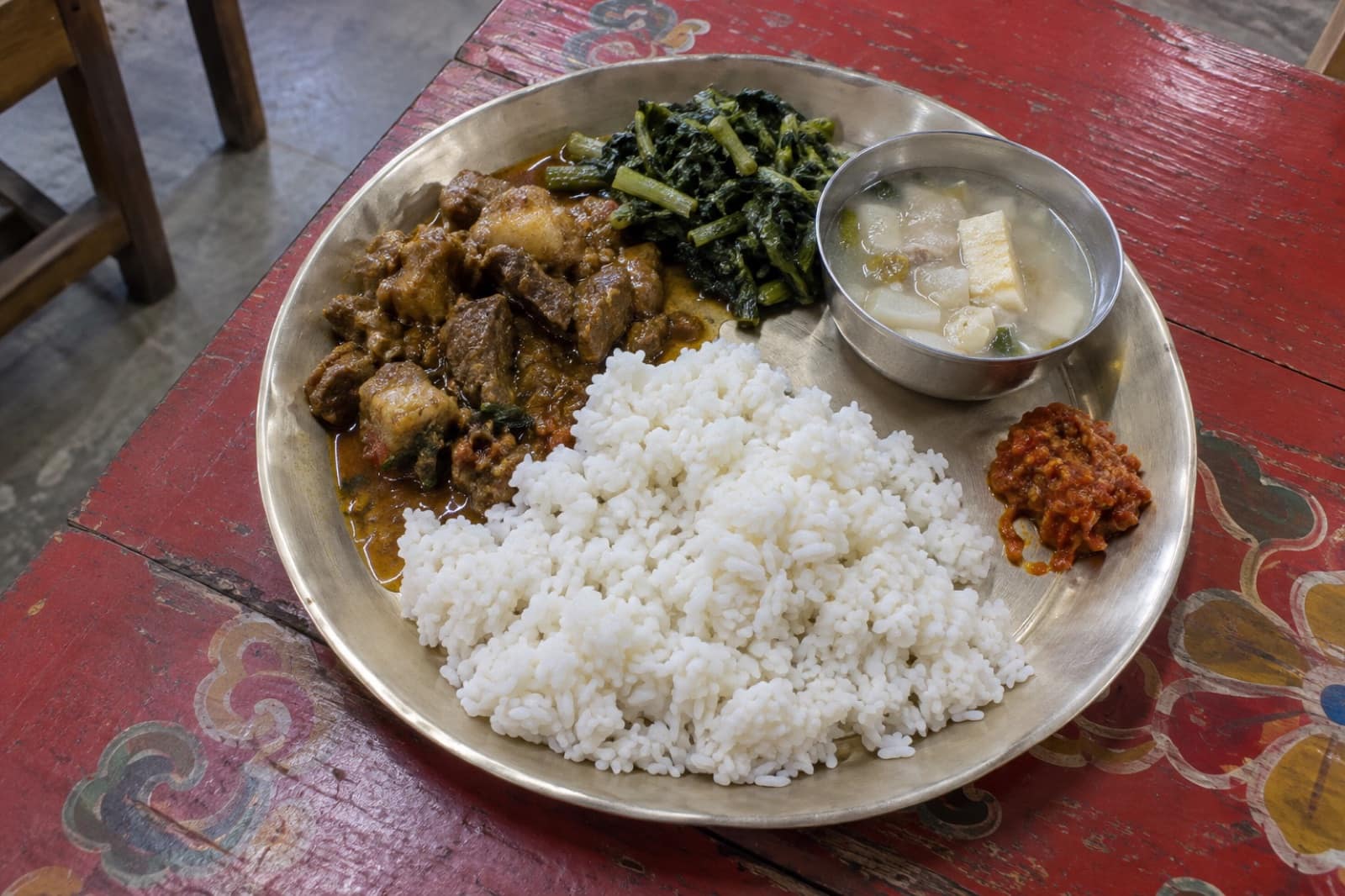
Round out the visit with something to eat. Look for monpa thali nearby.
Special dishes to try
Search food by craving
Good to know
Local tips
Book your camp and a naturalist months ahead for March to May.
Let your camp or guide arrange the forest department permit.
Hire a 4x4 with a driver who knows the rough sanctuary track.
Start at first light, when birds are most active.
Bring binoculars, rain gear and warm layers for cold camp nights.
Wear muted greens and browns and keep noise to a minimum.
Carry all your rubbish back out of the sanctuary.
A forest famous among birders
Eaglenest Wildlife Sanctuary covers steep forest south of Bomdila, rising from warm lowland jungle to cold high ridges above 3,000 metres. That range of heights packs in an extraordinary number of birds, and birders come from around the world. It is best known for the Bugun liocichla, a colourful bird first described in 2006 and found almost nowhere else. Elephants, red pandas and many kinds of primates live here too, but they are rarely seen.
Camps and access
There are very few places to stay inside or at the edge of the sanctuary. The two best known are Lama Camp, run with the local Bugun community, and Bompu Camp deeper in the forest. Both are basic and need booking well ahead, especially in spring. A 4x4 and driver are usually needed for the rough track.
Permits and guides
On top of your Inner Line Permit or PAP, you need a forest department permit to enter the sanctuary. Camps and specialist birding guides usually arrange it for you. A local naturalist is close to essential: many birds are shy and heard before seen.
When to go
The birding peak is usually March to May, when many species are breeding and calling. November to February is also good and quieter. The camps usually close during the heaviest monsoon rains.
Getting the photograph
Wide shots of mist lying in the forested ridges are easy. Birds need a long lens, patience and early starts.
Visiting well
Keep noise down, stay on tracks and never use playback to lure birds without your guide's say-so. Take all rubbish out. Pair with Bomdila before or after.
Questions
Eaglenest Wildlife Sanctuary — FAQ
What is the best time to visit Eaglenest Wildlife Sanctuary?
First light for active birds and mist in the valleys; late afternoon for soft light on the forest ridges. Stand at a clearing on the track and shoot across the layered forest ridges with mist between them; for birds, wait quietly at forest edges with a long lens.
Is there an entry fee at Eaglenest Wildlife Sanctuary?
Entry to Eaglenest Wildlife Sanctuary is by permit.
What are the opening hours of Eaglenest Wildlife Sanctuary?
Eaglenest Wildlife Sanctuary is open daylight (permit/guide).
What should I wear at Eaglenest Wildlife Sanctuary?
Olive, cream and forest green photograph especially well here. Explore the trending and traditional outfit ideas on this page for full looks.
How crowded does Eaglenest Wildlife Sanctuary get?
Crowd levels are typically low. To miss the busiest window: first light for active birds and mist in the valleys; late afternoon for soft light on the forest ridges.
What food should I try near Eaglenest Wildlife Sanctuary?
Try monpa thali at spots close by.
What is the Bugun liocichla?
A small, colourful bird first described in 2006, found almost only in and around Eaglenest. It is named after the local Bugun community.
When is the best time for birding at Eaglenest?
Usually March to May, when birds are breeding and calling. November to February is also good and quieter.
Do I need a permit for Eaglenest?
Yes. Besides your Inner Line Permit or PAP, you need a forest department permit. Camps and birding guides usually arrange it.
Where do you stay in Eaglenest?
Mainly at Lama Camp or Bompu Camp. Both are simple and need booking well ahead.