
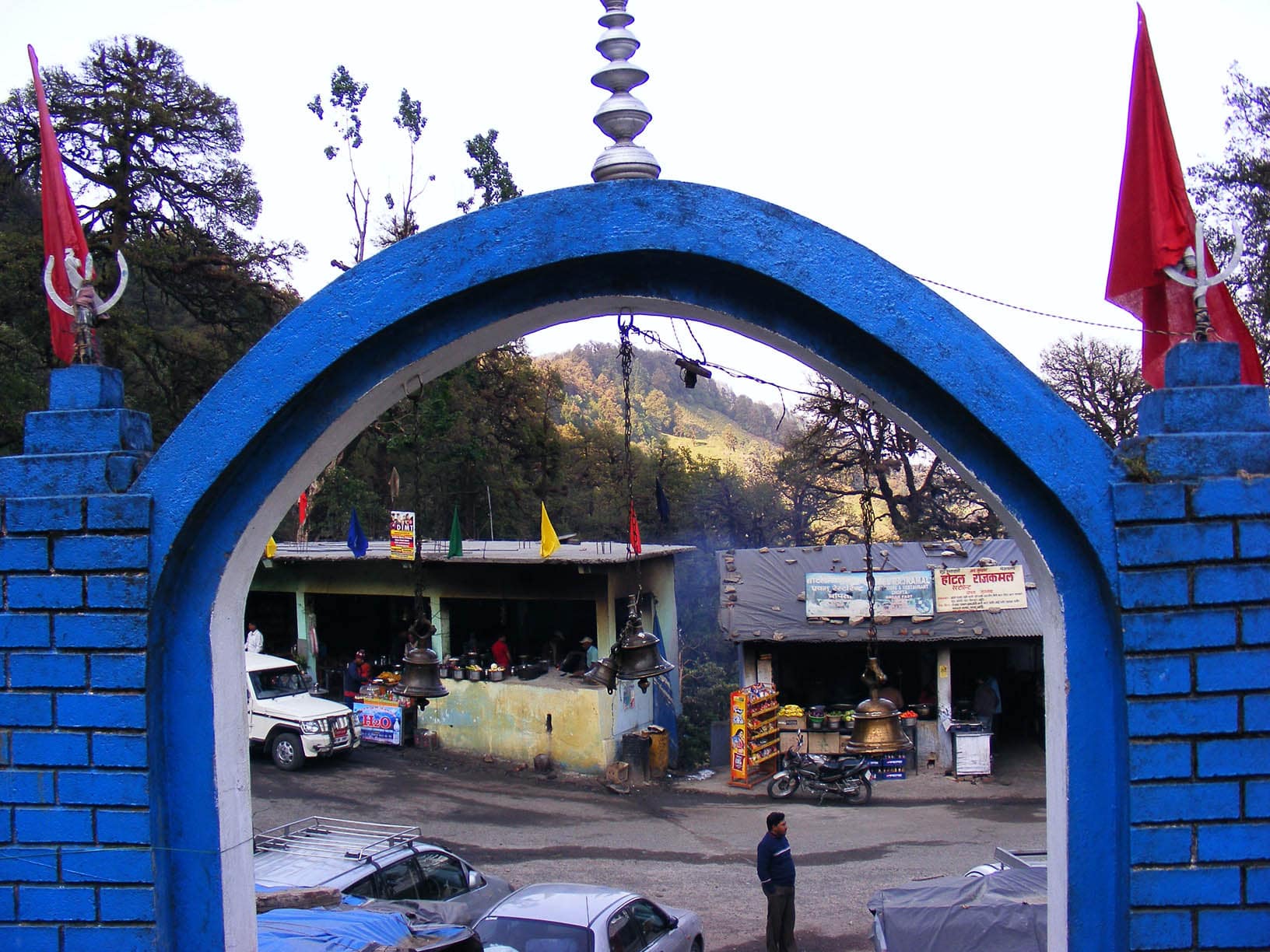
Photo spot in Chopta
Kanchula Korak
Chopta, Uttarakhand
A musk-deer sanctuary of dense conifer and rhododendron forest on the Chopta road, part of Kedarnath Wildlife Sanctuary — home to musk deer and monal pheasants.
Best time
Early morning, when mist hangs between the trees and the forest is quiet; overcast days for soft, even light on the moss.
Best angle
Stand at the road edge and take an upward photo of the tall mossy trunks, with a figure small on the path below for scale.
Entry fee
Nominal
Opening hours
Daylight hours
Crowd level
Low
Best outfit colors
Overview
Best time to visit Kanchula Korak
Early morning, when mist hangs between the trees and the forest is quiet; overcast days for soft, even light on the moss. Crowds here are typically low. Arrive a little early to claim your angle and catch the softest light before the day tips over.
Poses & angles
Photo tips for Kanchula Korak
Stand at the road edge and take an upward photo of the tall mossy trunks, with a figure small on the path below for scale. Work a few of the pose ideas below, shoot wide for context and tight for detail, and give yourself a couple of extra minutes to get the frame right.
On the forest trail
Among the tall conifers
Outfit guide
What to wear at Kanchula Korak
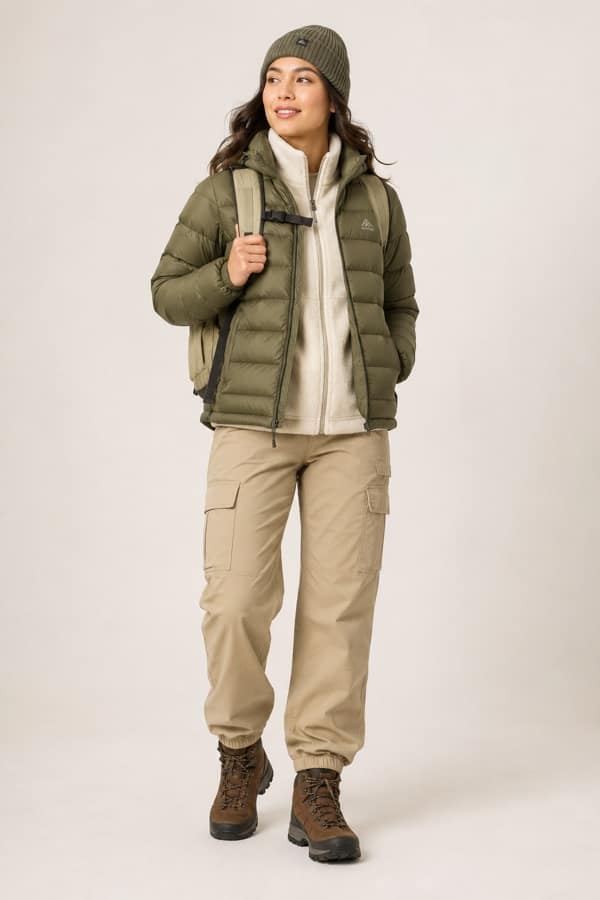
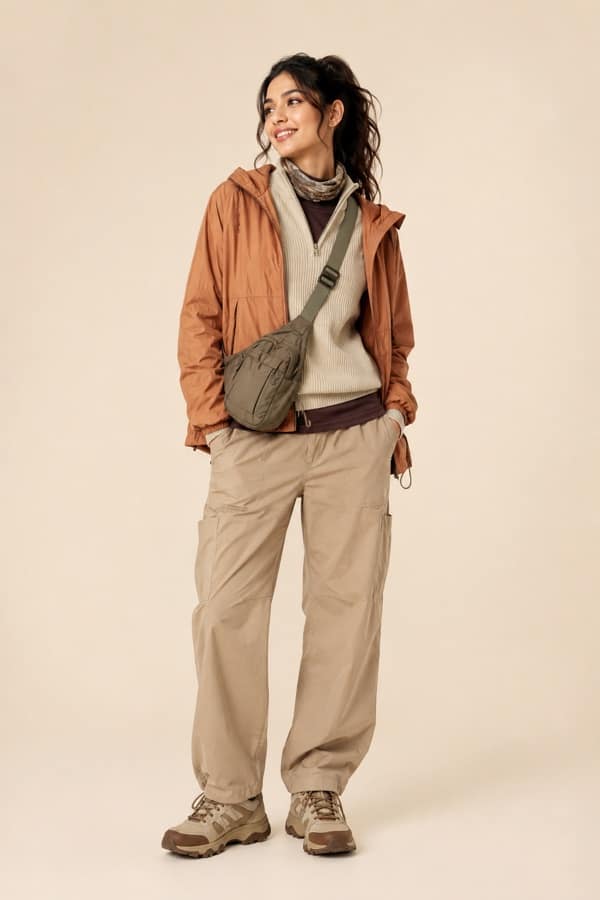
For photos at Kanchula Korak, forest green, rust and cream work beautifully — they stand out against the setting without fighting it. Pick one hero colour and keep the rest of the look calm so you stay the subject of the frame.
Best outfit colors for photos
Trending wear for this spot
Popular modern looks travellers are wearing across Chopta.
Traditional wear for this spot
Timeless, cultural looks that suit Kanchula Korak.
Eat nearby
Food near Kanchula Korak
Hungry after the shoot? Search the Chopta food guide by craving to find something good nearby.
Search food by craving
Good to know
Local tips
Stop early in the morning, when birds are most active and the road is quiet.
Ask the forest staff what is open this season before walking in.
Do not expect to see a musk deer, as they are shy and mostly active at night.
Keep to the road edge and marked paths, since bears live in this forest.
Carry binoculars for monal and other pheasants on the slopes.
Keep your voice low and play no music in the sanctuary.
Check whether the road towards Gopeshwar is open before driving in winter.
A forest for the musk deer
Kanchula Korak, also spelled Kanchula Kharak, is an area of forest on the road from Chopta towards Gopeshwar, about 7 km east of Chopta. It lies within the Kedarnath Wildlife Sanctuary. A musk deer breeding and conservation centre was set up here in the early 1980s. The Himalayan musk deer is small, shy and endangered, hunted for decades for the musk gland of the male, and this was one of India's efforts to study and protect it.
What you will see
Mostly forest. The trees are tall conifers, oak and rhododendron, hung with moss and lichen, and the light is dim and green on the road below them. Musk deer are rarely seen by visitors; they are nocturnal and wary. Birdwatchers have better luck, with the Himalayan monal, pheasants and many smaller forest birds in the area. A forest rest house stands here, but it has not been open to tourists in recent years.
Visiting
Most people see Kanchula Korak from the road, stopping for a short walk on the forest edge on the drive to or from Gopeshwar. Ask the forest staff at Chopta or on site what is open this season, whether any part of the old breeding centre can be visited, and whether any fee applies. Do not go deep into the forest alone: bears live here.
Walking quietly
The best way to enjoy this forest is slowly and silently, early in the morning. Keep voices low, do not play music, and do not feed any animal. Leave nothing behind. Flowers, moss and plants in the sanctuary must not be picked.
Getting there
The road east from Chopta continues past Kanchula Korak to Mandal and Gopeshwar. It is usually open from spring to autumn, but snow can close it in winter.
Questions
Kanchula Korak — FAQ
What is the best time to visit Kanchula Korak?
Early morning, when mist hangs between the trees and the forest is quiet; overcast days for soft, even light on the moss. Stand at the road edge and take an upward photo of the tall mossy trunks, with a figure small on the path below for scale.
Is there an entry fee at Kanchula Korak?
Entry to Kanchula Korak is nominal.
What are the opening hours of Kanchula Korak?
Kanchula Korak keeps daylight hours.
What should I wear at Kanchula Korak?
Forest green, rust and cream photograph especially well here. Explore the trending and traditional outfit ideas on this page for full looks.
How crowded does Kanchula Korak get?
Crowd levels are typically low. To miss the busiest window: early morning, when mist hangs between the trees and the forest is quiet; overcast days for soft, even light on the moss.
Can I see musk deer at Kanchula Korak?
It is unlikely. Musk deer are shy and mostly active at night, and few visitors see one. The forest and birds are the real reason to stop.
How far is Kanchula Korak from Chopta?
About 7 km east, on the road towards Gopeshwar. Most people stop on the drive between the two.
Can I stay at the Kanchula Korak forest rest house?
It has not been open to tourists in recent years. Stay at Chopta or lower down, and ask the forest department if the situation has changed.
Why is the musk deer protected?
The male carries a musk gland that was prized in perfume and medicine, and hunting drove its numbers down. It is now protected across India.