
Must-try breakfast in Delhi
Nihari
Delhi
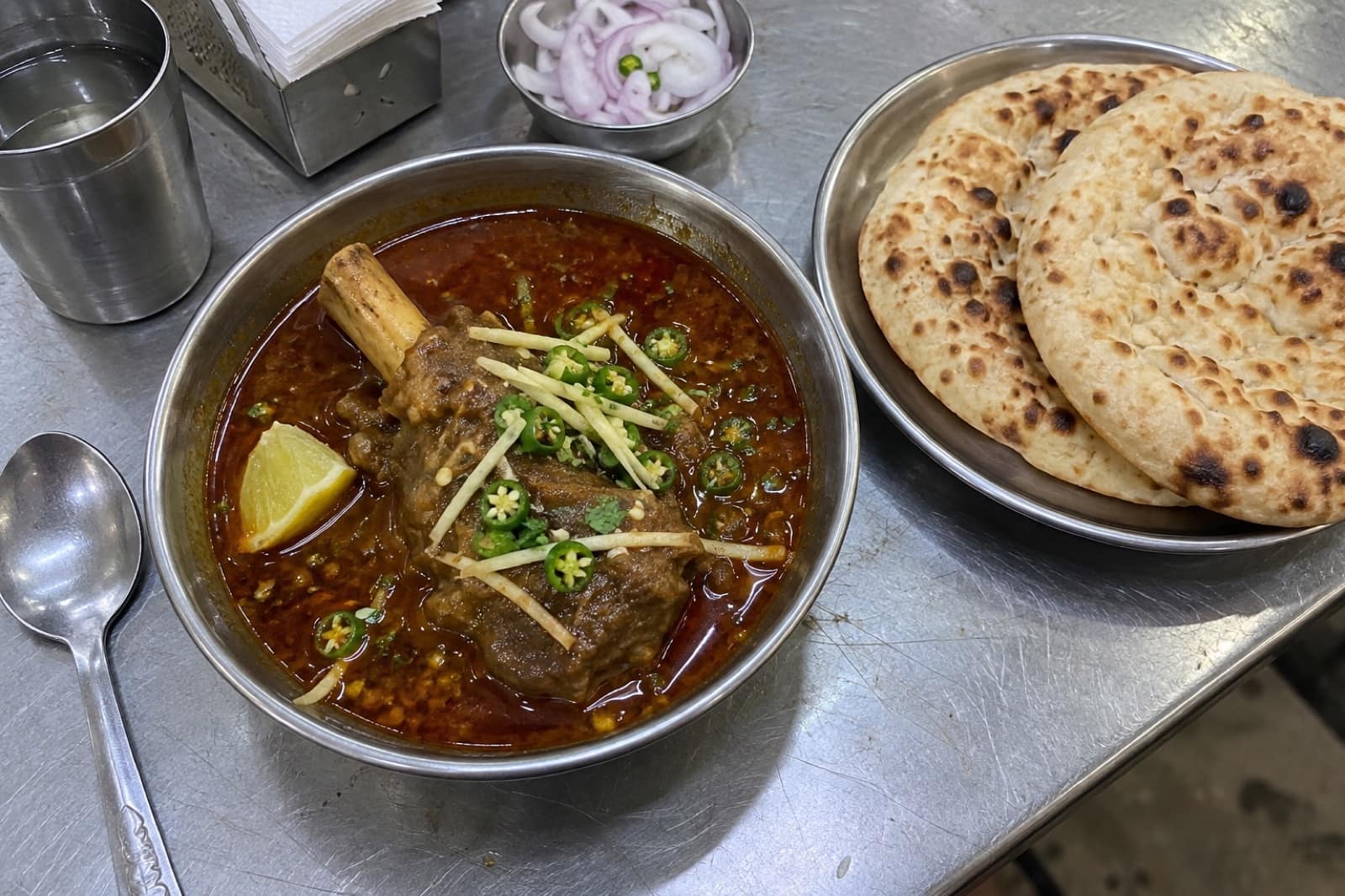
Mutton or buffalo shank stewed overnight in a thick, spiced gravy and eaten with khamiri roti. In Old Delhi it is a morning dish — the best pots are often finished by mid-morning.
Taste
Rich, slow-cooked, spiced
Spice level
Hot
Best time to eat
Early morning
Price range
₹200–450
Food type & tags
Best paired with
Chai & chutney
The dish
What is Nihari?
Expect it to be rich, slow-cooked, spiced, with a hot kick.
The story
Why is Nihari famous in Delhi?
A Mughal-era dish whose name comes from the Arabic 'nahar' (morning); it is part of the Old Delhi breakfast tradition around Jama Masjid.
When to go
Best time to eat it
Nihari is best enjoyed at early morning, ideally with hot masala chai and a tangy tamarind–mint chutney. Many spots make fresh batches through the day, so it’s easy to fit into your plan.
Where to eat
Best places to try Nihari
Trusted Delhi spots — hours and directions.
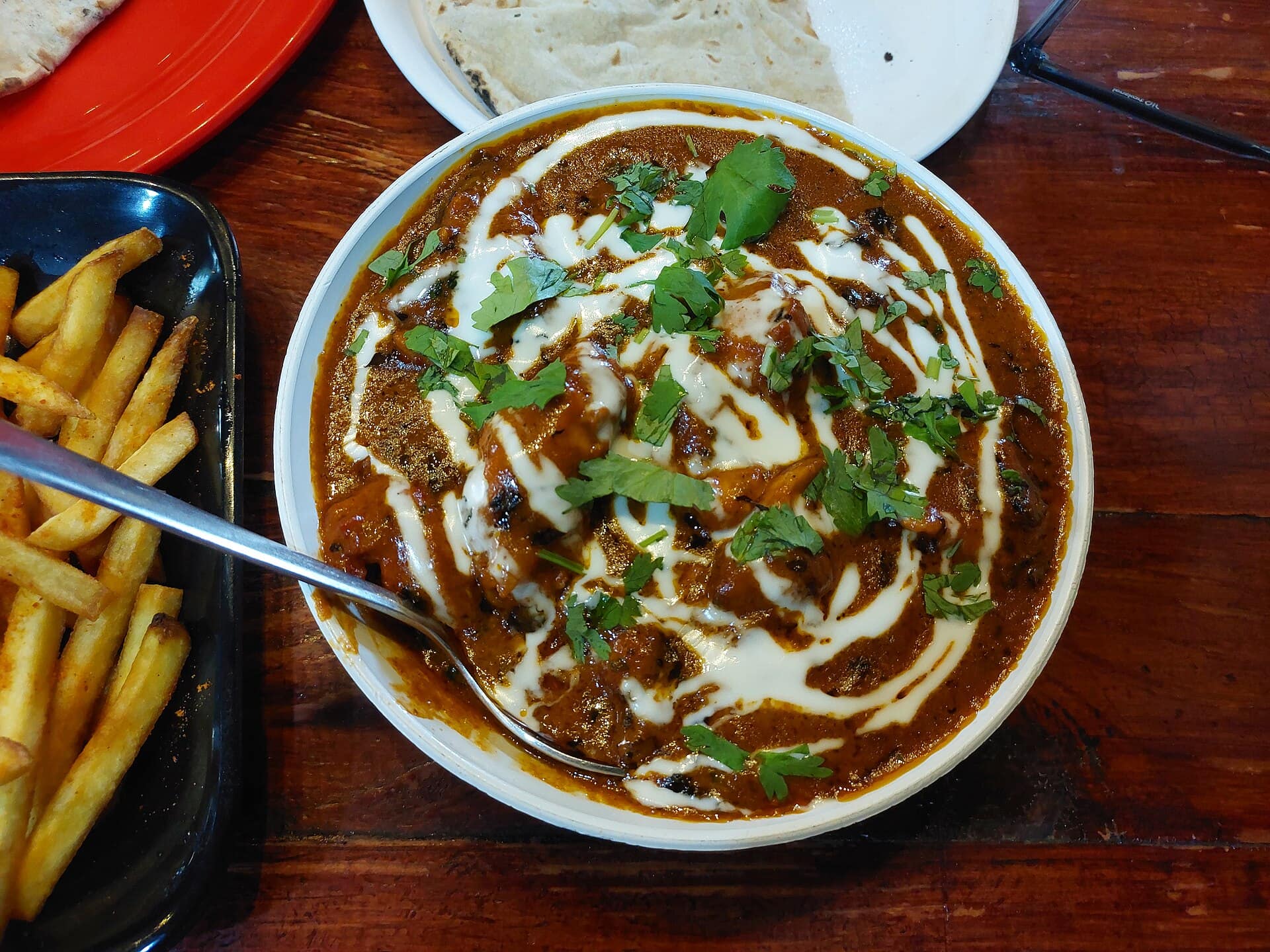 Representative photo
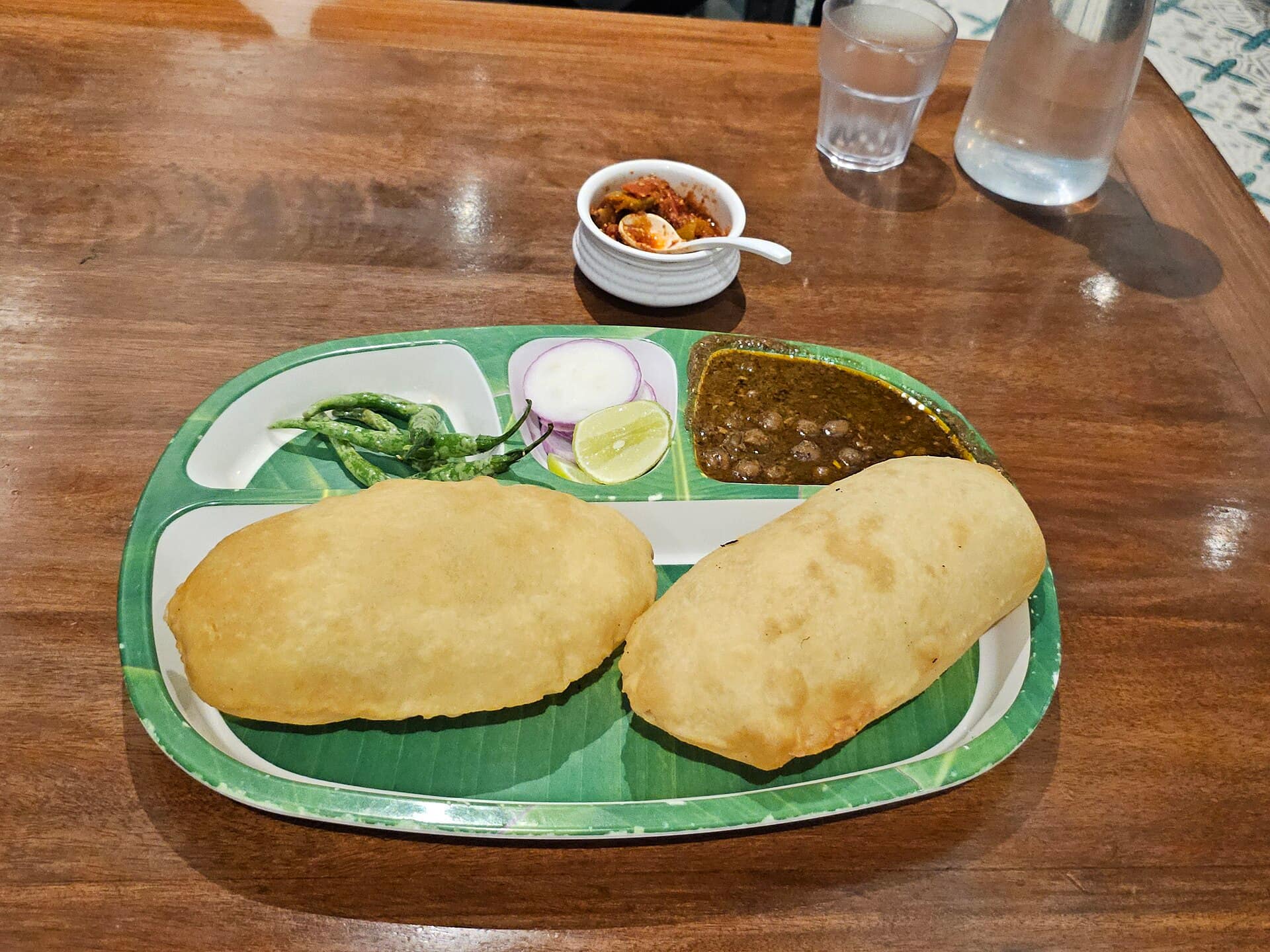
Perfect pairing
What to eat with Nihari
Nihari pairs best with hot masala chai and a tangy tamarind–mint chutney. It’s a non-vegetarian breakfast, so keep the rest of the plate light and let the dish be the star.
Make a morning of it
Pair it with a photo spot
Eat well, then shoot nearby in Delhi.
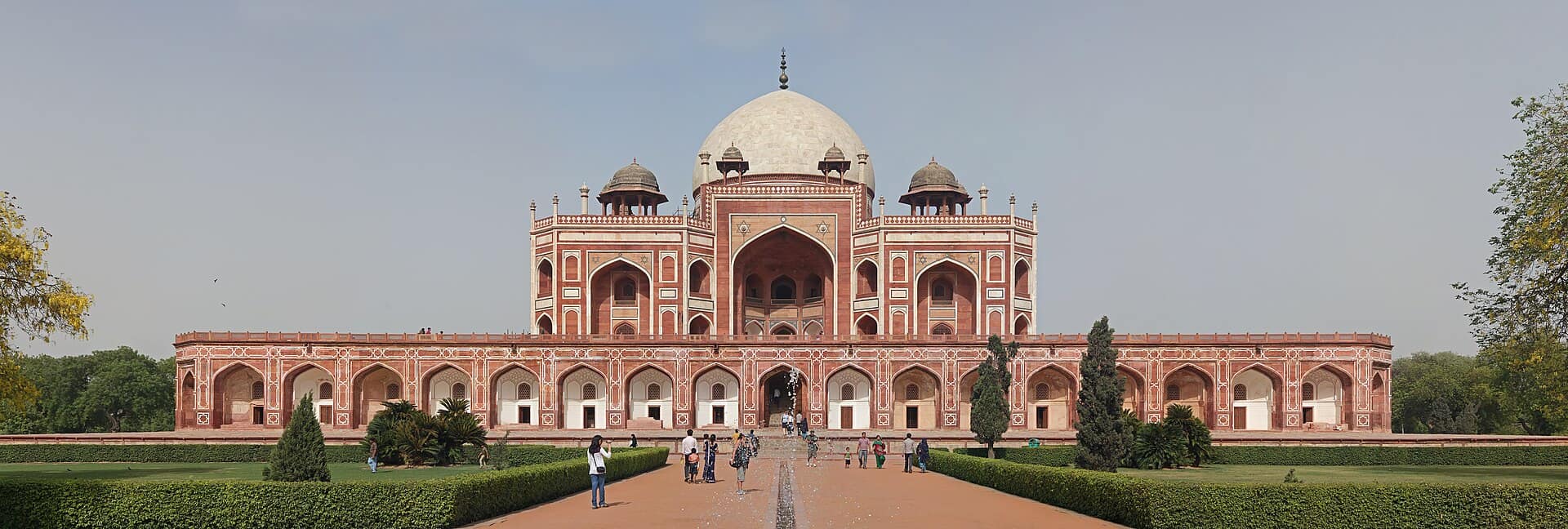
Humayun's Tomb
visit early morning or late afternoon for better light.
Fuel up on Nihari, then shoot Humayun's Tomb.
See photo spot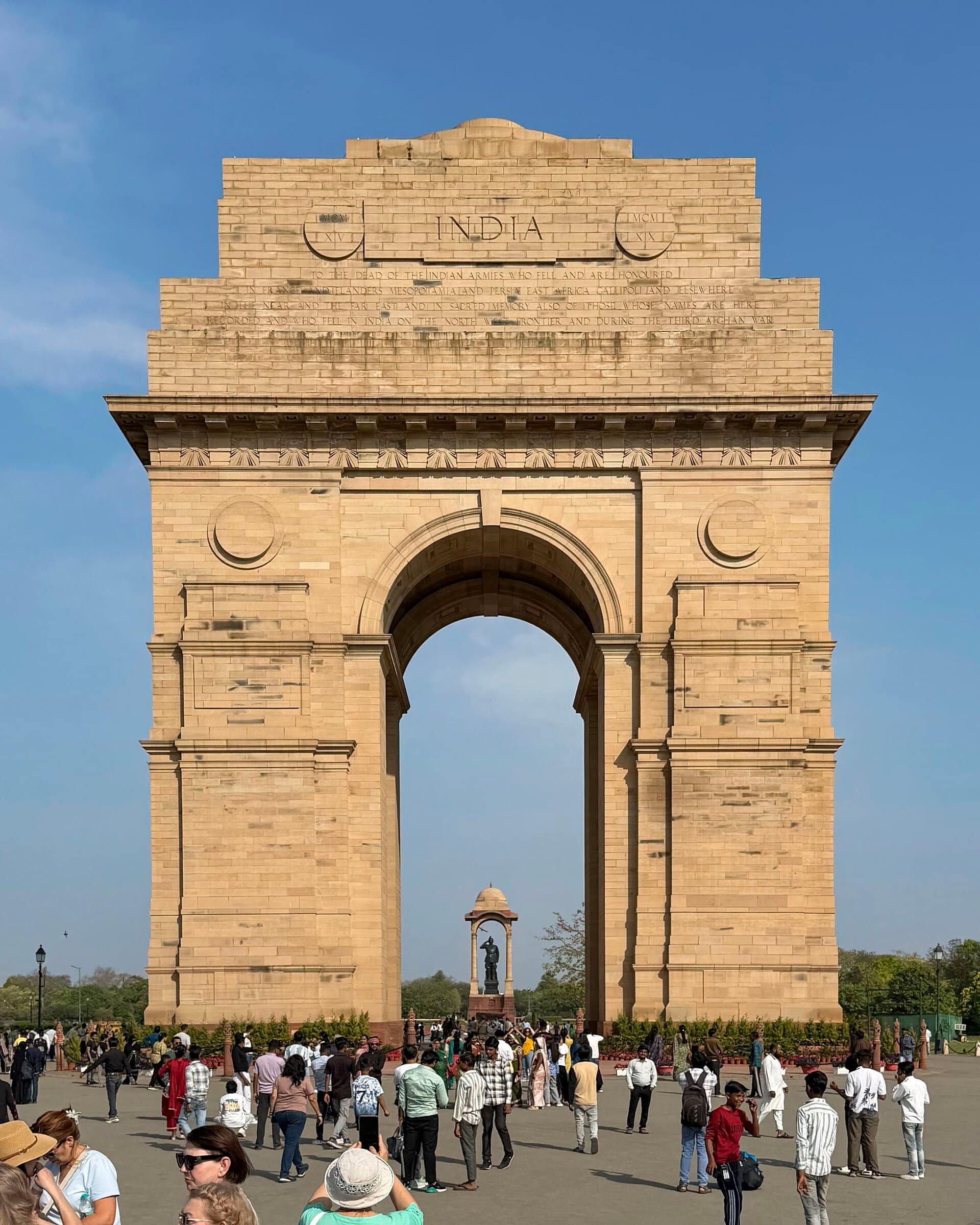
India Gate
Early morning or sunset for comfortable sightseeing and photos.
Fuel up on Nihari, then shoot India Gate.
See photo spot
Lotus Temple
Late afternoon with soft light on the petals
Fuel up on Nihari, then shoot Lotus Temple.
See photo spotWant something else?
Search Delhi food by craving
Nihari in Delhi
On the morning table in Delhi, Nihari holds its place - rich, slow-cooked, spiced, non-vegetarian, and exactly the kind of thing worth crossing town for.
Mutton or buffalo shank stewed overnight in a thick, spiced gravy and eaten with khamiri roti. In Old Delhi it is a morning dish — the best pots are often finished by mid-morning
🍛 What it is
Start with the description and hold it in mind: mutton or buffalo shank stewed overnight in a thick, spiced gravy and eaten with khamiri roti. In Old Delhi it is a morning dish — the best pots are often finished by mid-morning. It is a non-vegetarian preparation, which shapes where you find it and when.
It sits in the city's food life as a breakfast - eaten at early morning, served the way the locality serves it, and priced the way the locality prices it.
Locally it is filed under: mughlai, old-delhi, slow-cooked - which is the vocabulary to use when asking for it.
📜 Where it comes from
The local context: a Mughal-era dish whose name comes from the Arabic 'nahar' (morning); it is part of the Old Delhi breakfast tradition around Jama Masjid.
This is food with an address: Nihari as Delhi makes it, for the people who have eaten it longest.
👅 The taste, honestly
Ask what it tastes like and the answer is rich, slow-cooked, spiced; anything more specific you should taste rather than read.
It is genuinely hot - order accordingly, and do not treat the description lightly - and in Delhi, that is a feature rather than a warning.
The shape of the eating: it is a supporting player by design. Plan the rest of the meal around that.
🕐 When to eat it
Locals eat it early morning - and matching the local clock is half the pleasure of the dish.
The practical rule for morning dishes: go when the city goes. The freshest batch is the first one, and the best version is the one you did not have to ask twice for.
🥣 Ordering it well
In India, order at the busiest counter you can find - queue length is the review system, and the place with the line is the place with the turnover.
Spice is adjustable at the point of order in most places - say what you can handle when you order, not after.
💰 What it costs
Expect to pay around ₹200–450 for it in Delhi - the honest local range, and a useful anchor for spotting the places priced for visitors rather than residents.
It sits in the comfortable middle of a food budget - not the cheapest thing on the street, and nowhere near the top.
Carry small notes - the smallest transactions run smoothest with the smallest denominations.
🤝 Eating it like a local
Eat it the local way: with the hand if you are comfortable, with the table if you are not, and in the company the dish was designed for - more is the normal number.
And the pairing instinct: the local morning drink beside it, exactly as the regulars take it.
Questions
Nihari — FAQ
What is Nihari?
Mutton or buffalo shank stewed overnight in a thick, spiced gravy and eaten with khamiri roti. In Old Delhi it is a morning dish — the best pots are often finished by mid-morning.
Is Nihari veg or non-veg?
Nihari is non-vegetarian. Spice level: hot.
Where can I try the best Nihari in Delhi?
Try Karim's. See the "Best places to try it" section above for hours and directions.
What should I eat with Nihari?
Pair it with hot masala chai and a tangy tamarind–mint chutney.
When is the best time to eat Nihari?
Nihari is usually eaten early morning.