
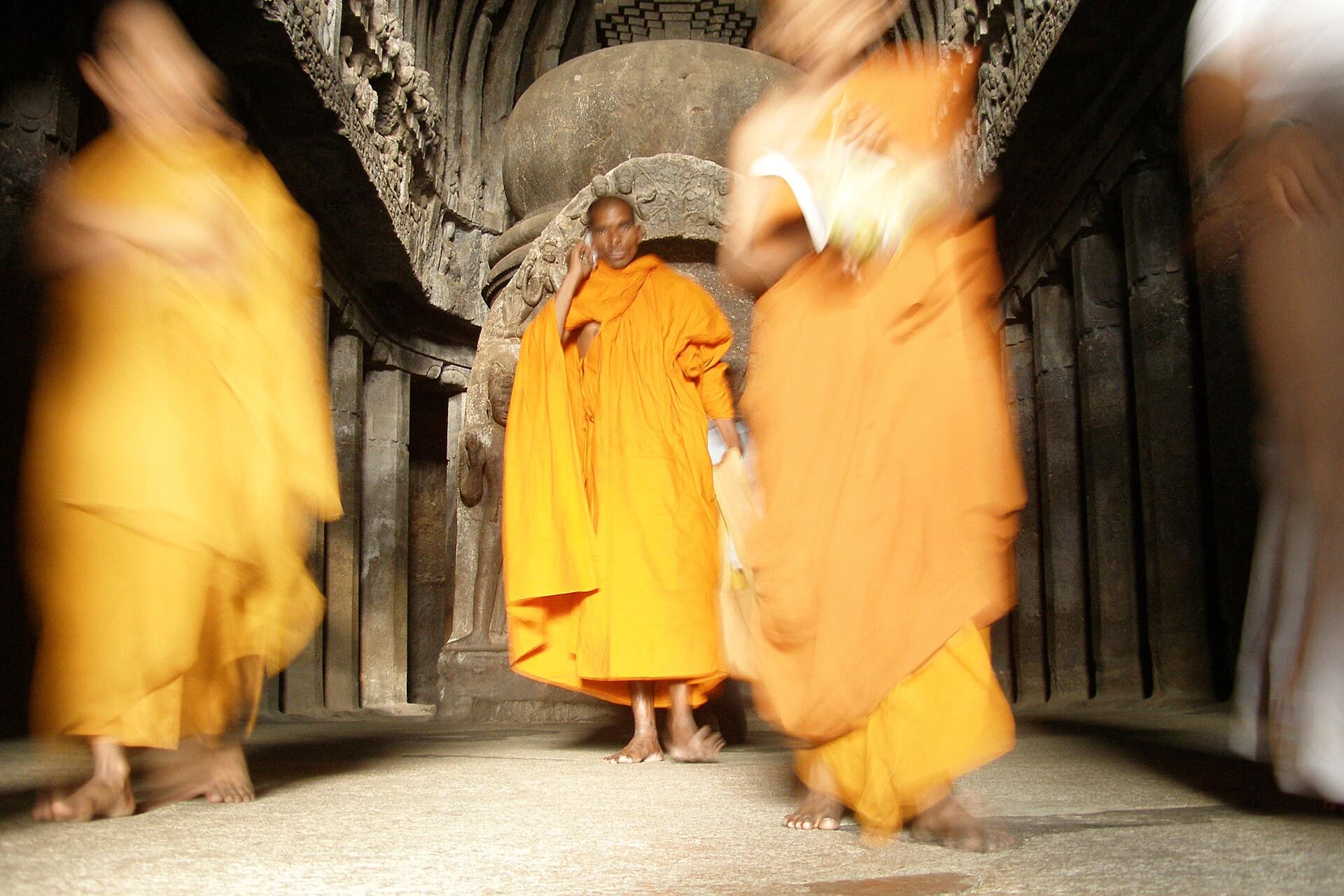
Photo spot in Ellora
Buddhist Caves (1–12)
Ellora, Maharashtra
The earliest group — monasteries and prayer halls including the multi-storey Do Thal and Tin Thal 'monastery' caves and the great Vishvakarma chaitya with its stone Buddha.
Best time
Late afternoon, when the sun comes through the arched window of Cave 10 and lights the Buddha; early morning for empty halls.
Best angle
Stand near the entrance of Cave 10 and take a straight-on photo down the pillared hall to the seated Buddha, with the ribbed ceiling above.
Entry fee
Included
Opening hours
6:00 AM – 6:00 PM (closed Tue)
Crowd level
Medium
Best outfit colors
Overview
Best time to visit Buddhist Caves (1–12)
Late afternoon, when the sun comes through the arched window of Cave 10 and lights the Buddha; early morning for empty halls. Crowds here are typically medium. Arrive a little early to claim your angle and catch the softest light before the day tips over.
Poses & angles
Photo tips for Buddhist Caves (1–12)
Stand near the entrance of Cave 10 and take a straight-on photo down the pillared hall to the seated Buddha, with the ribbed ceiling above. Work a few of the pose ideas below, shoot wide for context and tight for detail, and give yourself a couple of extra minutes to get the frame right.
In the chaitya hall
By the seated Buddha
Outfit guide
What to wear at Buddhist Caves (1–12)
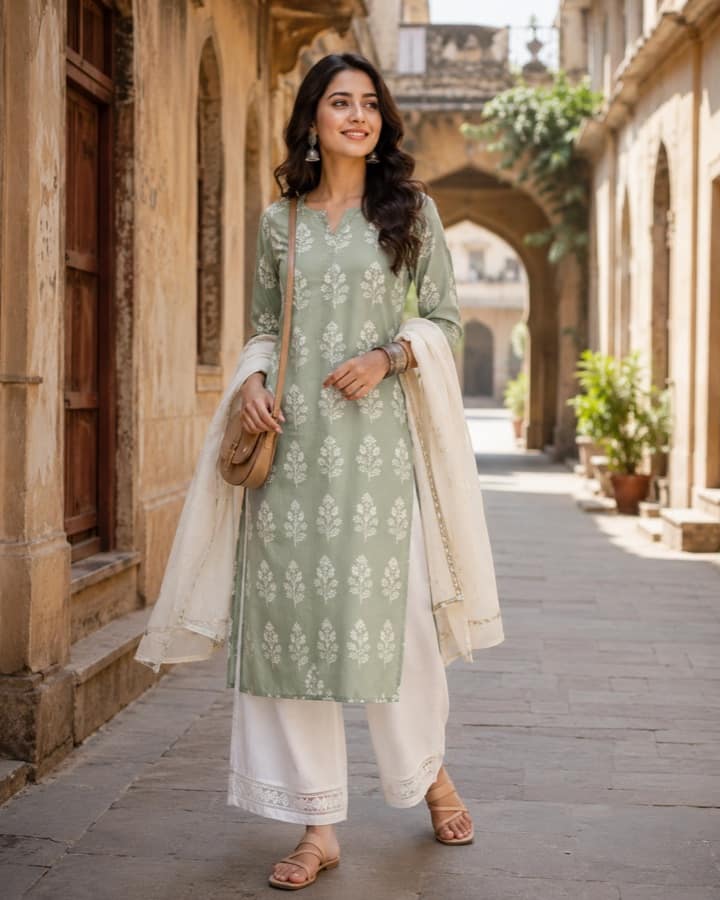
For photos at Buddhist Caves (1–12), saffron, ochre and cream work beautifully — they stand out against the setting without fighting it. Pick one hero colour and keep the rest of the look calm so you stay the subject of the frame.
Best outfit colors for photos
Trending wear for this spot
Popular modern looks travellers are wearing across Ellora.

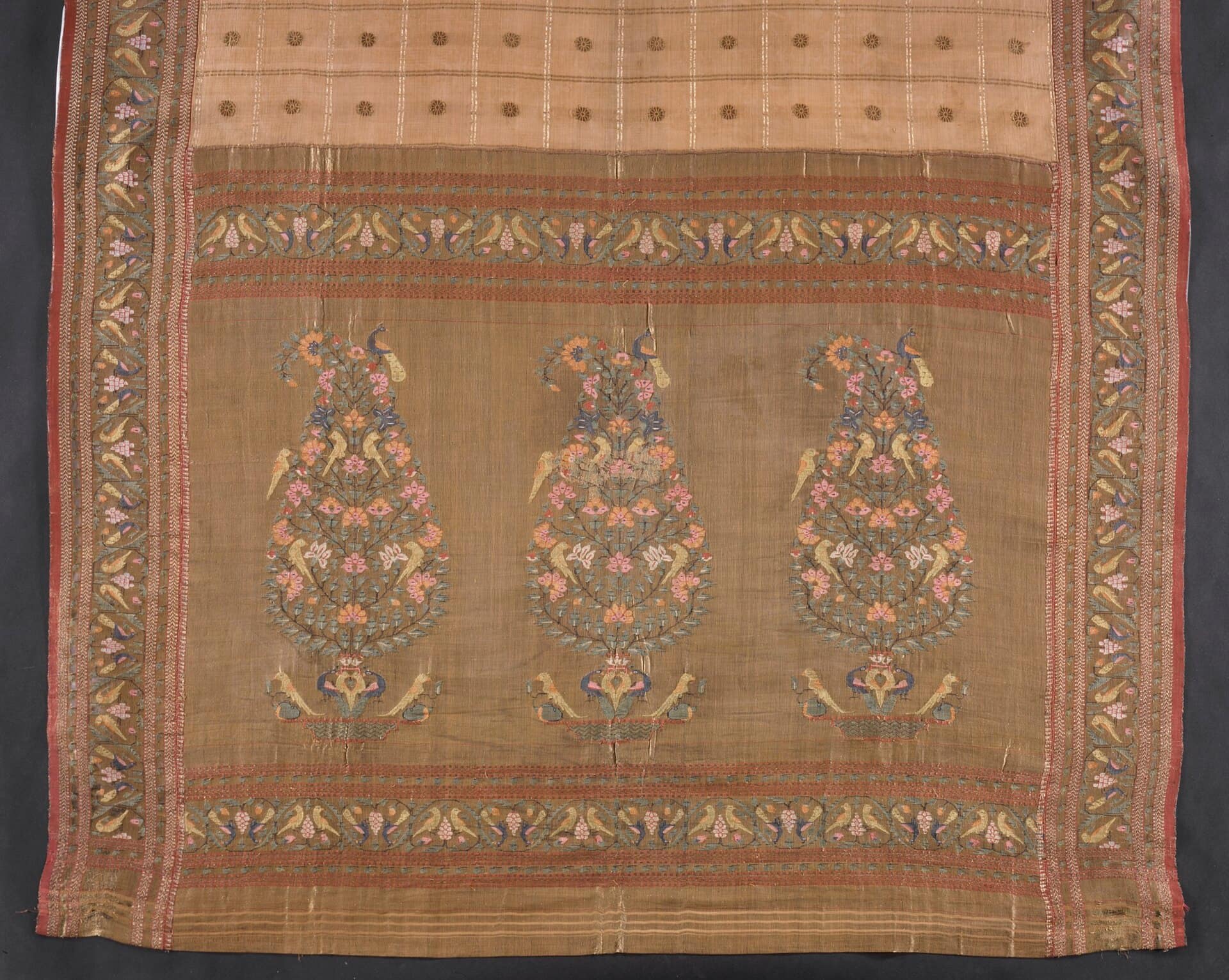
Traditional wear for this spot
Timeless, cultural outfits worn across Ellora.
Eat nearby
Food near Buddhist Caves (1–12)
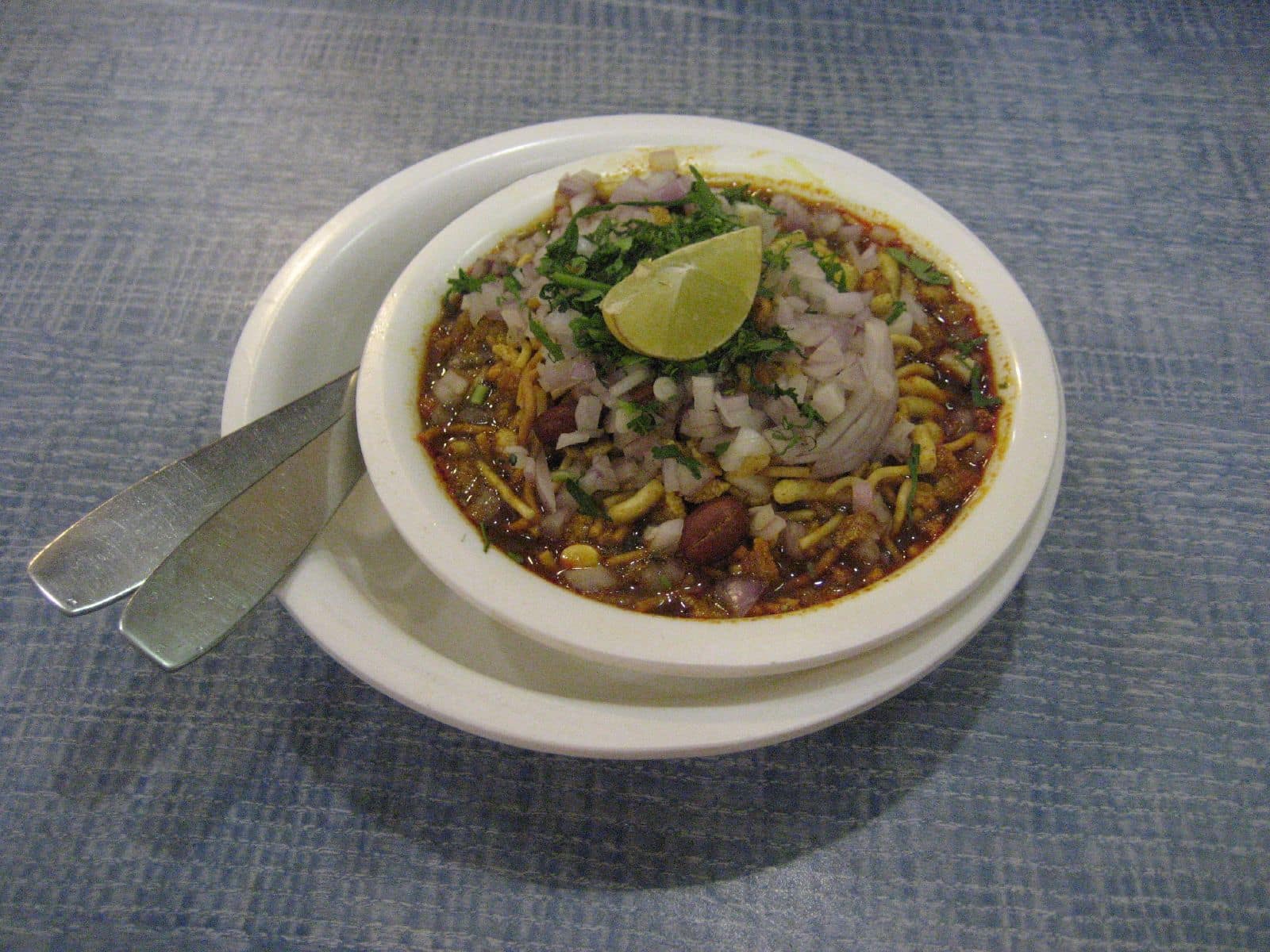
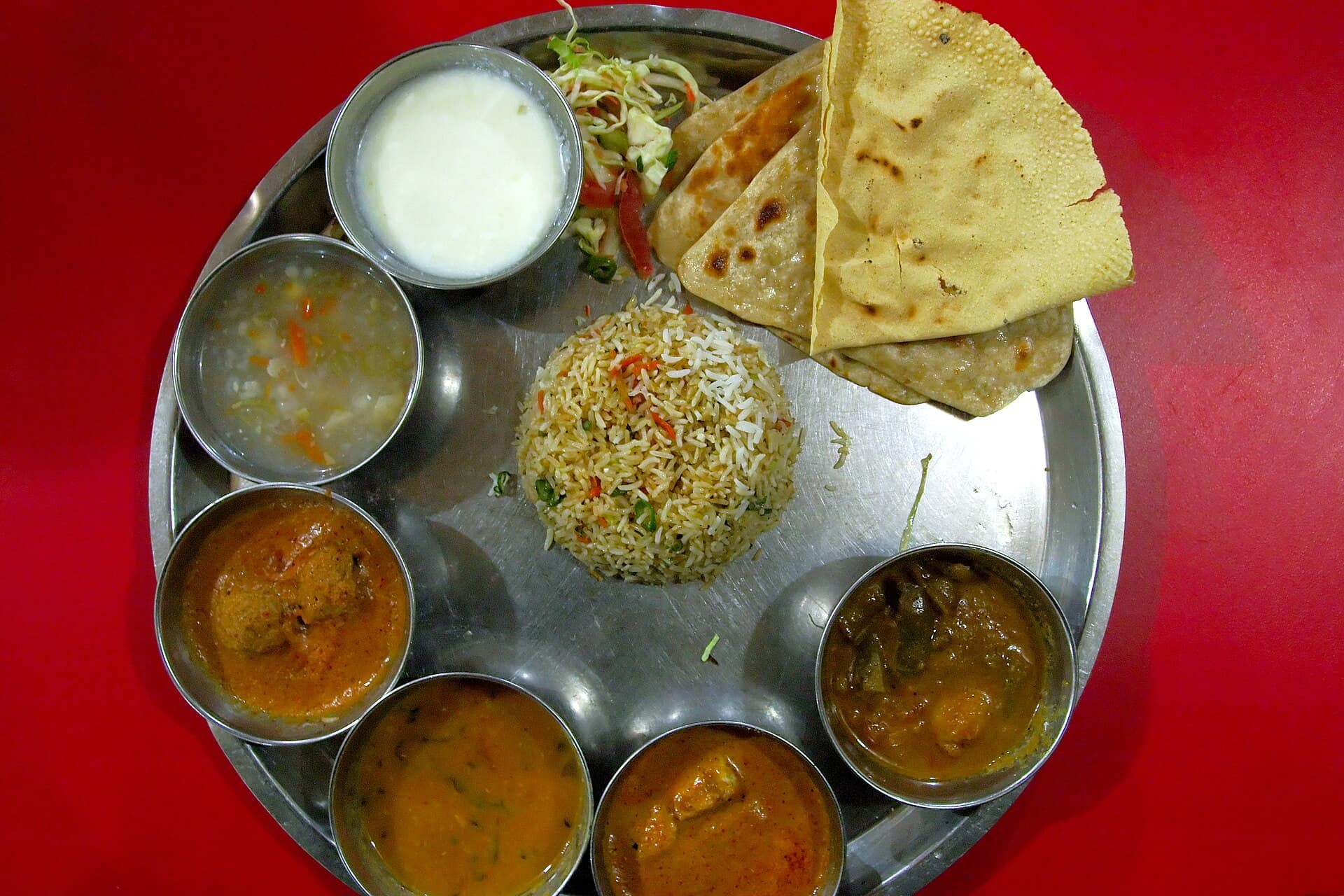
Round out the visit with something to eat. Look for misal pav nearby, or settle in at one of the 1 restaurants close by.
Special dishes to try
Restaurants & food places nearby
Search food by craving
Good to know
Local tips
Start with Cave 10, then work towards Caves 11 and 12, which take longer to explore.
Look up at the carved figures above the pillars in Cave 10, which most people walk straight past.
Climb to the upper gallery of Cave 10 for a different view of the Buddha and the hall.
Let your eyes adjust in the darker halls instead of using flash.
Take the stairs in Caves 11 and 12 slowly, as they are steep and narrow.
Keep your voice down if Buddhist visitors are praying or chanting.
Leave these caves for the afternoon if you want the sun coming through the window of Cave 10.
Monasteries at the south end
The twelve Buddhist caves sit at the southern end of the Ellora ridge, a short walk from Kailasa. Recent research dates most of them to roughly the 7th century. Eleven of the twelve are viharas, monasteries with halls, cells for monks and shrines to the Buddha. Some rise through several storeys, cut straight into the cliff.
Cave 10, the Vishvakarma
Cave 10 is the only Buddhist prayer hall at Ellora and the highlight of the group. It is also called the Carpenter's Cave, because the rock ceiling is carved into ribs that look like wooden beams. Rows of octagonal pillars lead to a stupa at the far end, with a large Buddha seated in front of it in a teaching pose and a Bodhi tree carved behind him. Outside, a carved front with an arched window rises above an open court. Stairs lead to an upper gallery for a view down into the hall.
Caves 11 and 12
Caves 11 and 12, known as Do Thal and Tin Thal, are the last and largest of the group, each three storeys high. Tin Thal's top floor has rows of large seated Buddhas along its walls. Their carvings of goddesses and Bodhisattvas show how Buddhism in the Deccan had changed by the 8th century.
Before you go
The Buddhist caves are included in the Ellora ticket. The site is closed on Tuesdays. They are usually quieter than Kailasa, but school groups do pass through. See them before or after Kailasa, and keep the Jain caves for later in the day.
Questions
Buddhist Caves (1–12) — FAQ
What is the best time to visit Buddhist Caves (1–12)?
Late afternoon, when the sun comes through the arched window of Cave 10 and lights the Buddha; early morning for empty halls. Stand near the entrance of Cave 10 and take a straight-on photo down the pillared hall to the seated Buddha, with the ribbed ceiling above.
Is there an entry fee at Buddhist Caves (1–12)?
Entry to Buddhist Caves (1–12) is included.
What are the opening hours of Buddhist Caves (1–12)?
Buddhist Caves (1–12) is open 6:00 AM – 6:00 PM (closed Tue).
What should I wear at Buddhist Caves (1–12)?
Saffron, ochre and cream photograph especially well here. Explore the trending and traditional outfit ideas on this page for full looks.
How crowded does Buddhist Caves (1–12) get?
Crowd levels are typically medium. To miss the busiest window: late afternoon, when the sun comes through the arched window of Cave 10 and lights the Buddha; early morning for empty halls.
What food should I try near Buddhist Caves (1–12)?
Try misal pav, available at nearby restaurants.
What is special about Cave 10 at Ellora?
It is the only Buddhist prayer hall at Ellora, with a rock ceiling carved to look like wooden ribs and a large seated Buddha in front of a stupa at the far end.
Why is Cave 10 called the Carpenter's Cave?
Its ceiling is carved in ribs that copy timber beams. Its other name comes from Vishvakarma, the god of craftsmen and builders.
Are the Buddhist caves older than Kailasa?
Yes. Most of them date from around the 7th century, before Kailasa was carved in the 8th century. Some Hindu caves at Ellora are older still.
How long do the Buddhist caves take?
About an hour for Cave 10 and a quick look at the others. Allow two hours if you want to climb all three floors of Caves 11 and 12.