
Photo spot in Ellora
Kailasa Temple (Cave 16)
Ellora, Maharashtra
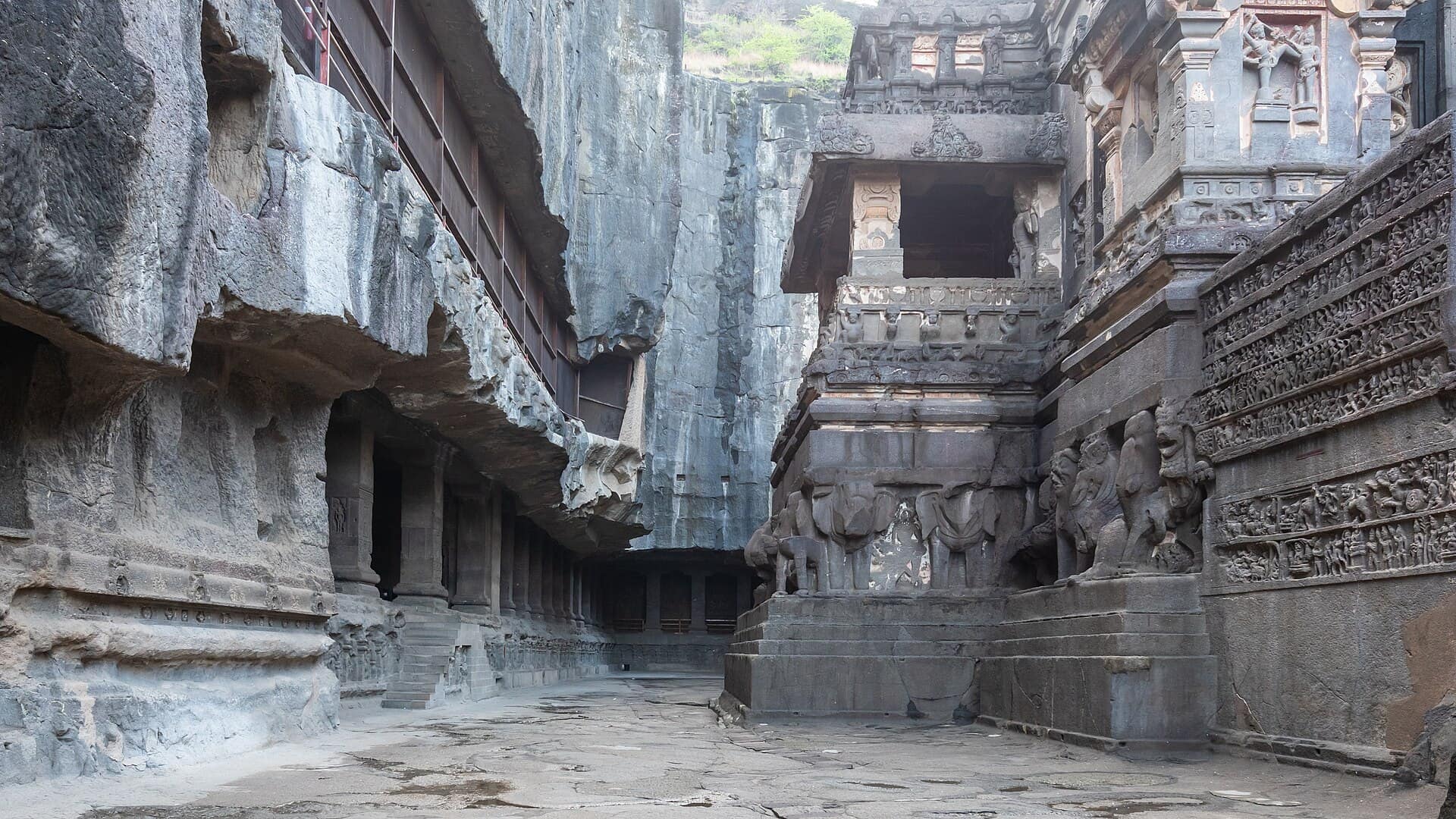
The world's largest monolithic rock-cut temple — carved top-down from a single basalt cliff in the 8th century, a full multi-storey Shiva temple with courtyards, elephants and reliefs.
Best time
Early morning, when the courtyard is quiet and in soft shade; late afternoon, when the low sun lights the west-facing front of the temple.
Best angle
Climb to the rim of the cliff behind the temple and take a wide photo looking down over the tower, the Nandi pavilion and the gateway.
Entry fee
Ticketed
Opening hours
6:00 AM – 6:00 PM (closed Tue)
Crowd level
High
Best outfit colors
Overview
Best time to visit Kailasa Temple (Cave 16)
Early morning, when the courtyard is quiet and in soft shade; late afternoon, when the low sun lights the west-facing front of the temple. Crowds here are typically high. Arrive a little early to claim your angle and catch the softest light before the day tips over.
Poses & angles
Photo tips for Kailasa Temple (Cave 16)
Climb to the rim of the cliff behind the temple and take a wide photo looking down over the tower, the Nandi pavilion and the gateway. Work a few of the pose ideas below, shoot wide for context and tight for detail, and give yourself a couple of extra minutes to get the frame right.
In the vast courtyard
By the carved elephants
Outfit guide
What to wear at Kailasa Temple (Cave 16)
For photos at Kailasa Temple (Cave 16), rust, cream and saffron work beautifully — they stand out against the setting without fighting it. Pick one hero colour and keep the rest of the look calm so you stay the subject of the frame.
Best outfit colors for photos
Trending wear for this spot
Modern, camera-ready looks picked for Kailasa Temple (Cave 16).

Traditional wear for this spot
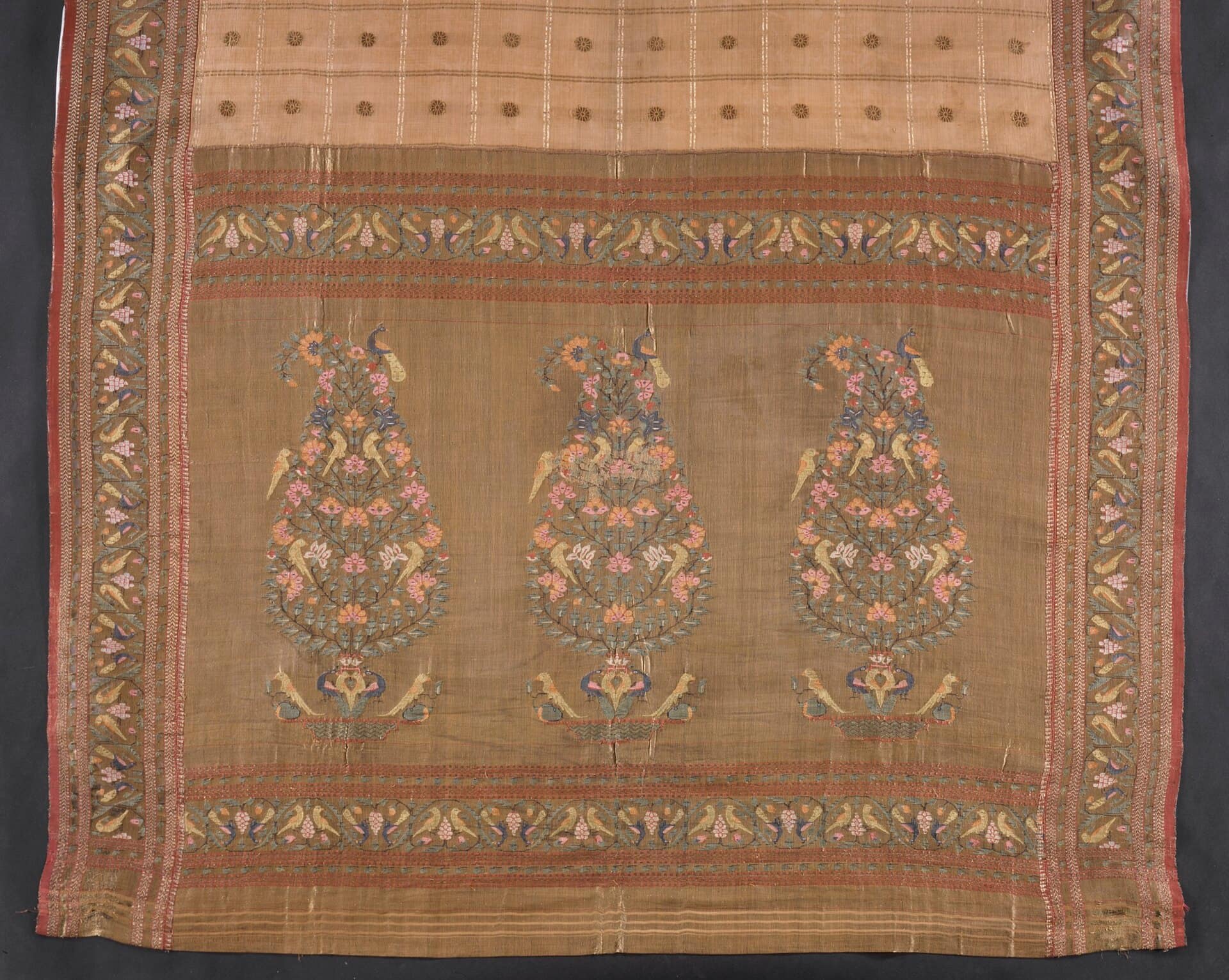
Timeless, cultural outfits worn across Ellora.
Eat nearby
Food near Kailasa Temple (Cave 16)
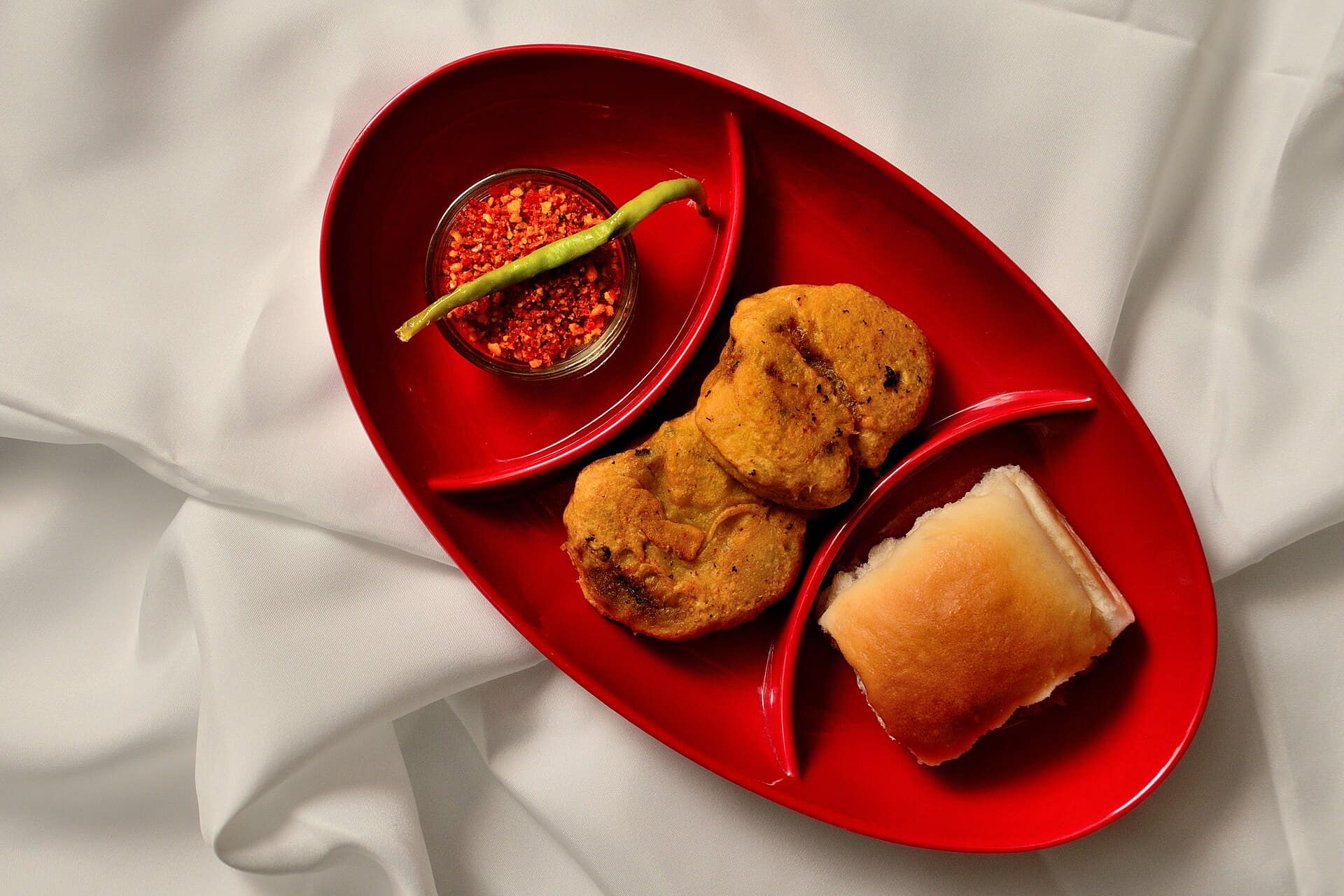
Round out the visit with something to eat. Look for aurangabadi naan qalia biryani nearby, or settle in at one of the 1 restaurants close by.
Special dishes to try

Restaurants & food places nearby
Search food by craving
Good to know
Local tips
Go to Kailasa first, straight from the gate, before the coaches from Aurangabad arrive in mid-morning.
Climb the path to the rim of the cliff for the overhead view that shows the temple is one piece of rock.
Walk the side galleries around the courtyard, which are shaded, quieter and full of carvings.
Wear shoes with grip, as the steps inside the temple are worn smooth.
Carry water, because the courtyard traps heat by late morning.
Hire a guide at the entrance if you want the stories behind the panels, and ask to see their licence first.
Do not climb on or lean against the carvings, however tempting the elephants look.
Cut, not built
Kailasa is a complete Shiva temple carved downwards from the top of the basalt ridge. Workers cut a deep trench on three sides, then shaped the rock left in the middle into a gateway, a Nandi pavilion, the main shrine and its tower, which stands about 32 m above the courtyard. Nothing was added. Everything you see is what was left behind. Most scholars credit the Rashtrakuta king Krishna I, who ruled in the mid-8th century, though parts were finished by later kings.
What to look for
Two life-size stone elephants and two tall pillars stand in the courtyard. Around the base of the main shrine runs a frieze of elephants and lions that seem to carry the temple on their backs. The walls hold long panels from the Ramayana and Mahabharata. The best-known carving shows Ravana trying to shake Mount Kailasa while Shiva calmly holds it still. Cut into the cliff around the courtyard are side galleries full of carved gods, and the Lankeshvar cave.
The view from the rim
A path climbs to the top of the cliff that encloses the temple. From there you see the whole thing sitting in its pit as one block, and the scale finally makes sense. Keep well back from the edge.
Before you go
Kailasa is next to the main entrance at Ellora, and one ticket covers all the caves. The site is closed on Tuesdays. Allow at least two hours here before moving on to the Buddhist caves or the Jain caves.
Questions
Kailasa Temple (Cave 16) — FAQ
What is the best time to visit Kailasa Temple (Cave 16)?
Early morning, when the courtyard is quiet and in soft shade; late afternoon, when the low sun lights the west-facing front of the temple. Climb to the rim of the cliff behind the temple and take a wide photo looking down over the tower, the Nandi pavilion and the gateway.
Is there an entry fee at Kailasa Temple (Cave 16)?
Entry to Kailasa Temple (Cave 16) is ticketed.
What are the opening hours of Kailasa Temple (Cave 16)?
Kailasa Temple (Cave 16) is open 6:00 AM – 6:00 PM (closed Tue).
What should I wear at Kailasa Temple (Cave 16)?
Rust, cream and saffron photograph especially well here. Explore the trending and traditional outfit ideas on this page for full looks.
How crowded does Kailasa Temple (Cave 16) get?
Crowd levels are typically high. To miss the busiest window: early morning, when the courtyard is quiet and in soft shade; late afternoon, when the low sun lights the west-facing front of the temple.
What food should I try near Kailasa Temple (Cave 16)?
Try aurangabadi naan qalia biryani, available at nearby restaurants.
How was Kailasa Temple carved?
From the top down. Workers cut trenches into the hillside, then carved the block left in the middle into a full temple, inside and out. It is often called the largest single rock-cut monument in the world.
Is Kailasa Temple the same as Ellora Cave 16?
Yes. Kailasa is Cave 16 of the Ellora Caves, in the Hindu group in the middle of the site, and it is covered by the same ticket.
Can I go up to the top of Kailasa?
You can climb the path to the cliff rim that looks down on it. Stairs inside lead to the upper level of the shrine, but some areas may be roped off for conservation, so follow the ASI signs.
How long should I spend at Kailasa?
Two hours is enough for the courtyard, the galleries and the view from the rim. Keen photographers may want to come back in the late afternoon light.