
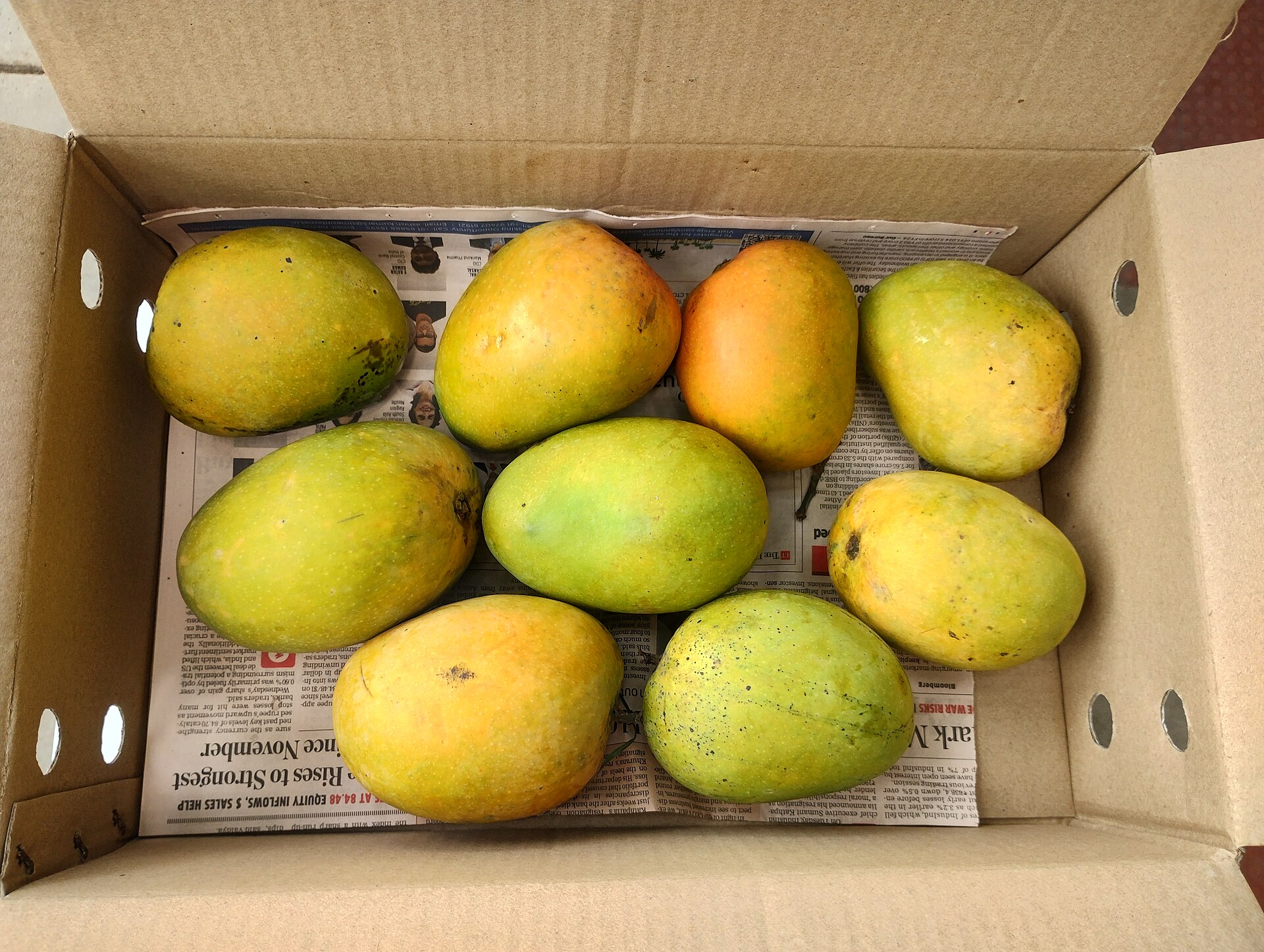
Alphonso Mango (Hapus)
VegThe world-famous Ratnagiri Alphonso (hapus) mango — intensely sweet, fragrant and golden, at its peak in April–May, eaten fresh or as aamras.
₹200–800 / dozen
Best around: Ganpatipule Road
Eat in Ganpatipule
Search Ganpatipule dishes by craving — alphonso mango (hapus), kombdi vade, konkani fish curry and more.
Food in Ganpatipule tastes of coconut, kokum and the sea. Come in April or May and the Ratnagiri Alphonso takes over everything else.
Popular cravings
Diet
Best for
5 Ganpatipule dishes found
The world-famous Ratnagiri Alphonso (hapus) mango — intensely sweet, fragrant and golden, at its peak in April–May, eaten fresh or as aamras.
₹200–800 / dozen
Best around: Ganpatipule Road
 Hot
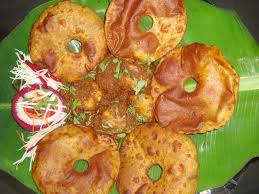
A Malvani chicken curry with fried spiced-flour puris (vade) — a beloved Konkan combination.
₹150–350
Best around: Ganpatipule
 Hot
A fiery Konkan-Malvani fish curry with coconut and kokum — fresh from the Ratnagiri coast, best with rice or bhakri.
₹200–450
Best around: Ganpatipule
 Mild
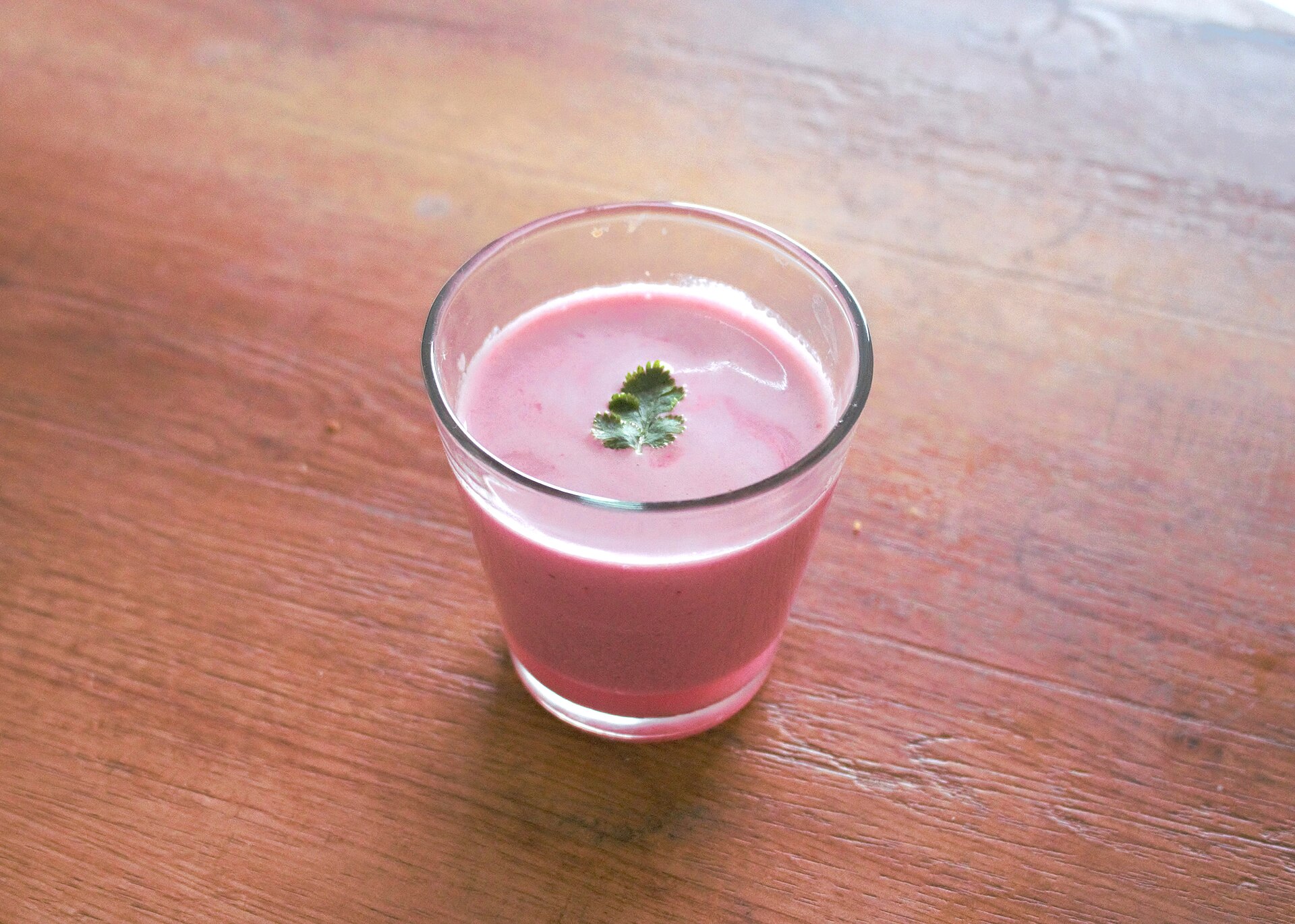
A pink, cooling coconut-milk-and-kokum drink — the classic Konkan meal companion and digestive.
₹30–100
Best around: Ganpatipule
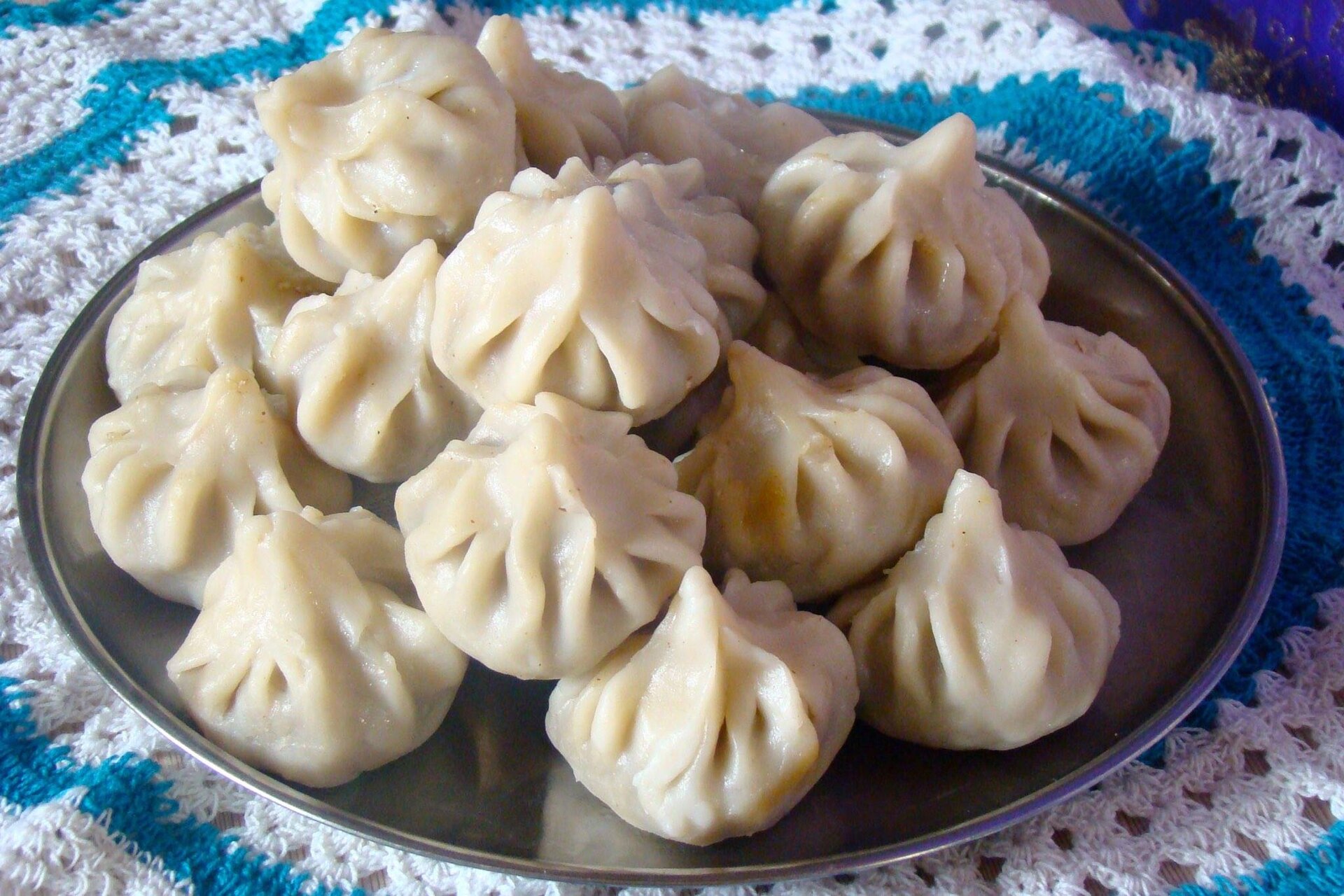
Steamed rice-flour dumplings filled with coconut and jaggery — Ganesha's favourite sweet, especially fitting at this Ganpati temple town.
₹40–150
Best around: Ganpatipule Road and Ganpatipule
Ratnagiri is the home of the Alphonso mango, called hapus in Marathi. The fruit is at its best from about April to May, when stalls along the Ganpatipule road sell it by the dozen and as aamras, a thick sweet pulp eaten with puris. Early-season fruit is expensive and later fruit is cheaper and often sweeter. Buy from sellers who let you smell and press the fruit; a ripe hapus smells strongly even through the skin.
The everyday lunch on this coast is fish curry with rice or bhakri. The gravy is made with coconut, red chilli and kokum, a sour purple fruit that gives it tang. Pomfret, surmai and bangda (mackerel) are common, and prawns turn up at most seafood places. Ask for the catch of the day rather than a fixed menu. Fishing boats stop from June to at least the end of July for the monsoon ban, so fresh fish is scarcer then and dried fish is more common.
Sol kadhi is a pink drink of coconut milk and kokum, served with almost every Konkan meal. It is cooling, slightly sour and sometimes spiked with garlic and green chilli. Drink it alongside a spicy curry or at the end of the meal.
Kombdi vade pairs a hot, dark chicken curry with vade, puffy fried breads made from a spiced flour. It is a Malvani dish from further down the coast, but you will find it on menus here too.
Modak is Ganesha's favourite sweet, so it is no surprise to find it in a temple town. The ukadiche modak is steamed: a thin rice-flour shell around coconut and jaggery, eaten warm with a spoon of ghee. It is made in most homes at Ganesh Chaturthi and is offered at the temple during its festivals.
The eating houses near the temple serve simple Maharashtrian vegetarian thalis. The temple also serves khichdi prasad to devotees at lunchtime. See where to eat for the places listed here.
Questions
Roughly April to May, with the best fruit usually from mid-April. A few early mangoes appear in March, but they are costly.
Less so. Maharashtra bans mechanised fishing from 1 June to at least 31 July, so many places serve dried fish or smaller catches until the boats go out again.
Coconut milk and kokum, a sour fruit from the Konkan, often with a little garlic, green chilli and salt. It has no curd in it.
Yes. Sellers pack them in cardboard boxes with hay. Buy fruit that is firm and not yet fully ripe if you have a long journey ahead.