
Maharashtra · India
Ganpatipule
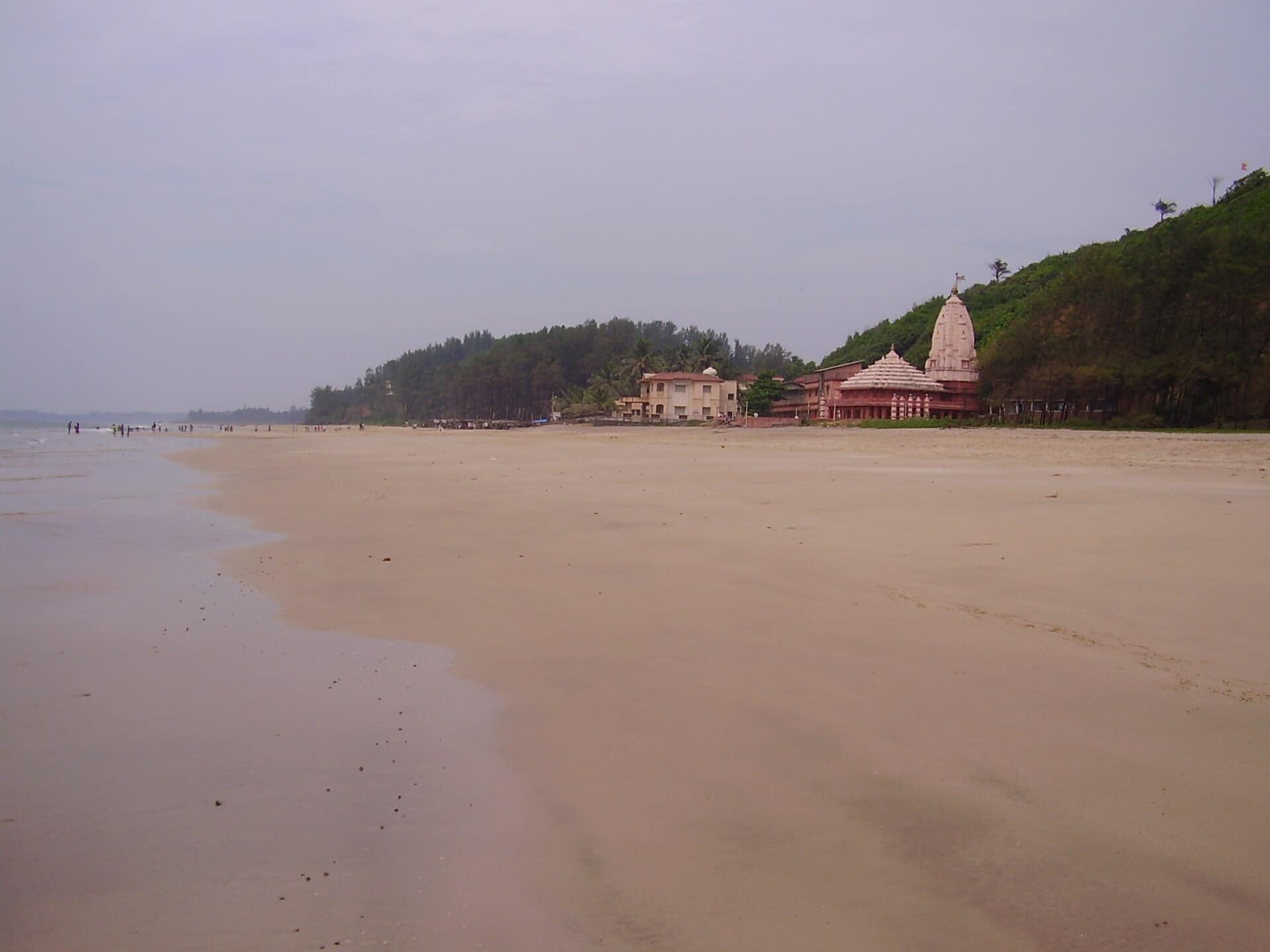
A serene Konkan pilgrimage-and-beach town in Ratnagiri — a swayambhu Ganesha temple right on a golden shore, backed by Alphonso-mango and coconut country.
Ganpatipule is temple-by-the-sea Konkan: the swayambhu Ganpati on the beach, quiet golden sands, Jaigad fort, Ratnagiri's famous Alphonso mangoes, and Malvani seafood.
Plan your trip
Ganpatipule Tour Itineraries
Timed, walkable day plans — plus the best season to go.
Where to shoot
Ganpatipule Photo Spots
Entry Free
Aare-Ware Beaches
- Best timeLate afternoon to sunset, when both bays turn gold and the sun sets over the sea; early morning for calm water and an empty road.
- ColorsWhiteTealCoral
Entry Free
Ganpatipule Beach
- Best timeLate afternoon into sunset, when the sun drops straight into the sea in front of you; early morning for empty sand and soft light on the temple hill.
- ColorsWhiteCoralAqua
High crowdEntry Free
Ganpatipule Temple
- Best timeEarly morning, just after the dawn aarti, for soft light on the red stone and a quiet courtyard; late afternoon for warm light on the front of the temple from the sea.
- ColorsSaffronRedWhite
 Low crowd
Entry Nominal
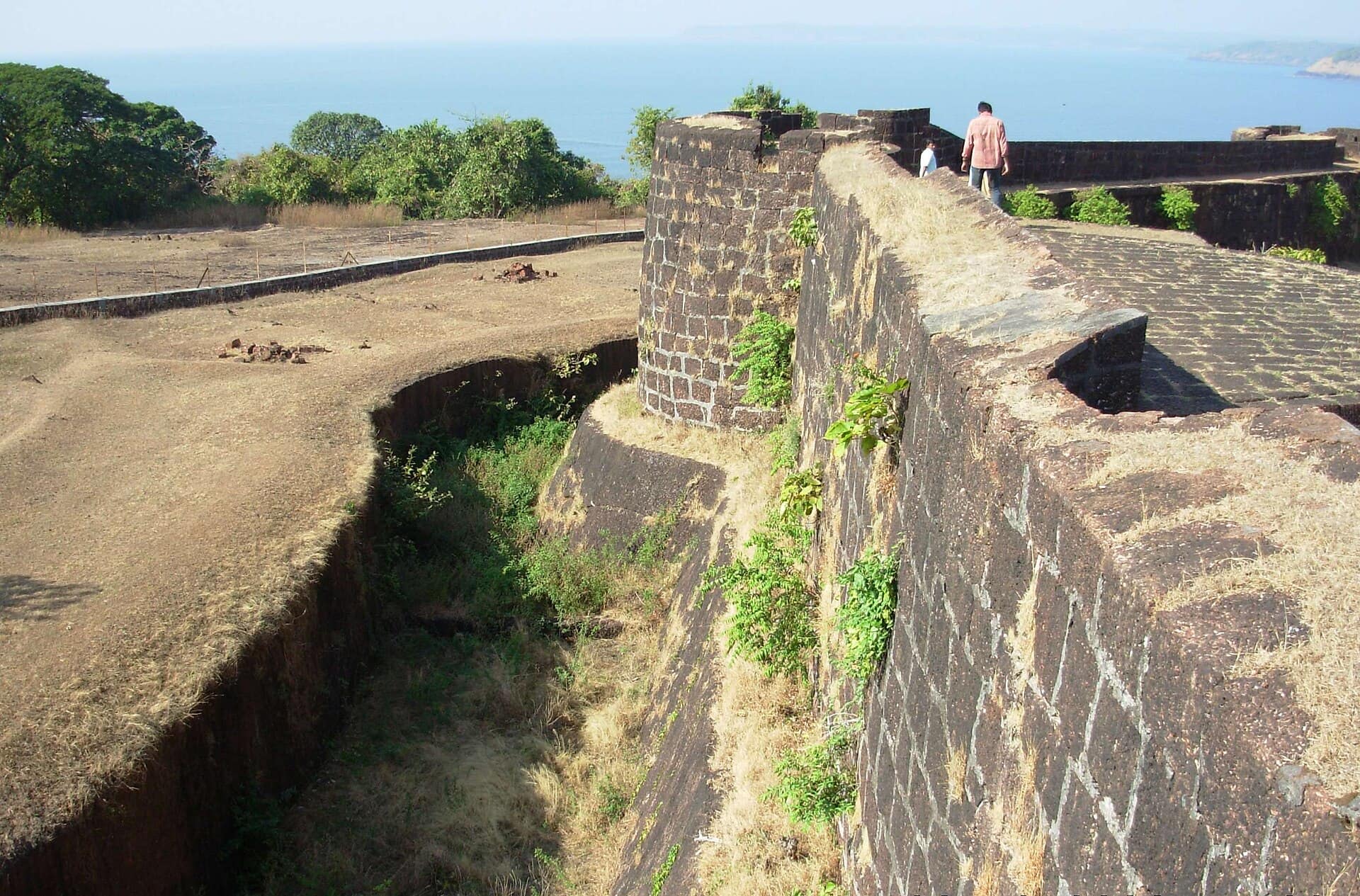
Jaigad Fort
- Best timeMorning, when the air is clear over the estuary and the ramparts are still cool; early afternoon for bright blue water before the gates close.
- ColorsRustWhiteCobalt
Entry Nominal
Prachin Konkan Museum
- Best timeMorning, soon after it opens, for soft light under the trees and small groups; late afternoon for warm light on the tiled roofs.
- ColorsRustWhiteOchre
For the feed
Trending Wear in Ganpatipule
Modern, Instagram-friendly looks


Rooted in the city
Ganpatipule Traditional Wear
Local, cultural, handcrafted outfits
Before you go
Temples in Ganpatipule
Darshan hours, dress codes and what gets refused at the gate
Taste the city
Food to Eat in Ganpatipule
Trusted tables
Where to Eat in Ganpatipule
 Representative photo
Aaswad Restaurant
Ganpatipule
Representative photoBhau Cha Dhaba
Ganpatipule
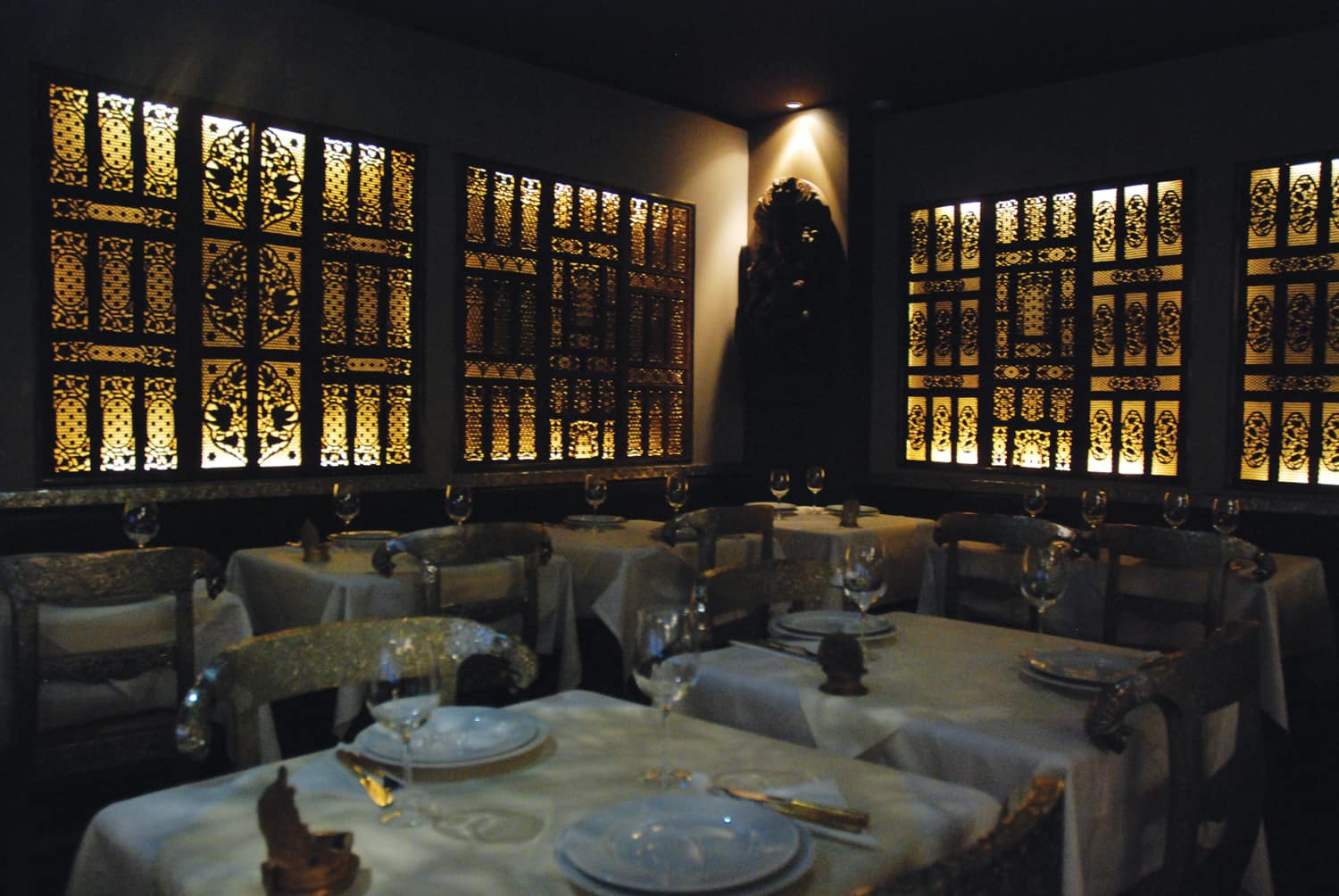 Representative photo
Konkan Mango House
Ganpatipule Road
Representative photoMTDC Resort Restaurant
Ganpatipule
A temple on the sand
Ganpatipule is a small village on the Ratnagiri coast, about 375 km south of Mumbai, and it exists largely because of one shrine. The Swayambhu Ganpati is a natural rock form that devotees hold to be Ganesha himself. It sits at the foot of a green hill, and the Arabian Sea is a few steps from the door. The idol faces west, towards the water, and the temple trust calls it the Paschim Dwar Devata, the guardian of the western gate. Pilgrims do not only circle the shrine. They walk right round the hill behind it, because the hill itself counts as the god.
The beach and the coast road
Ganpatipule Beach curves away from the temple steps in a long arc of pale sand. It is a fine place to walk and a poor place to swim. The shore drops steeply, the currents are strong, and people drown here most years, so paddle at the edge and keep out of the sea entirely in the monsoon. South towards Ratnagiri, a winding coast road climbs over the headlands to the viewpoint above Aare-Ware, two bays split by a rocky point. North, a back road through Malgund leads to Jaigad Fort, on a cliff above the mouth of the Shastri river.
Konkan village life
This is red laterite country: coconut and betel-nut palms, mango orchards, and tiled houses with swept courtyards. The Prachin Konkan Museum, a short walk from the bus stand, recreates that life on an open-air hillside with guided walks. In Malgund, about 1 km away, the house where the poet Keshavsut was born in 1866 is now a memorial to modern Marathi poetry.
What you eat here
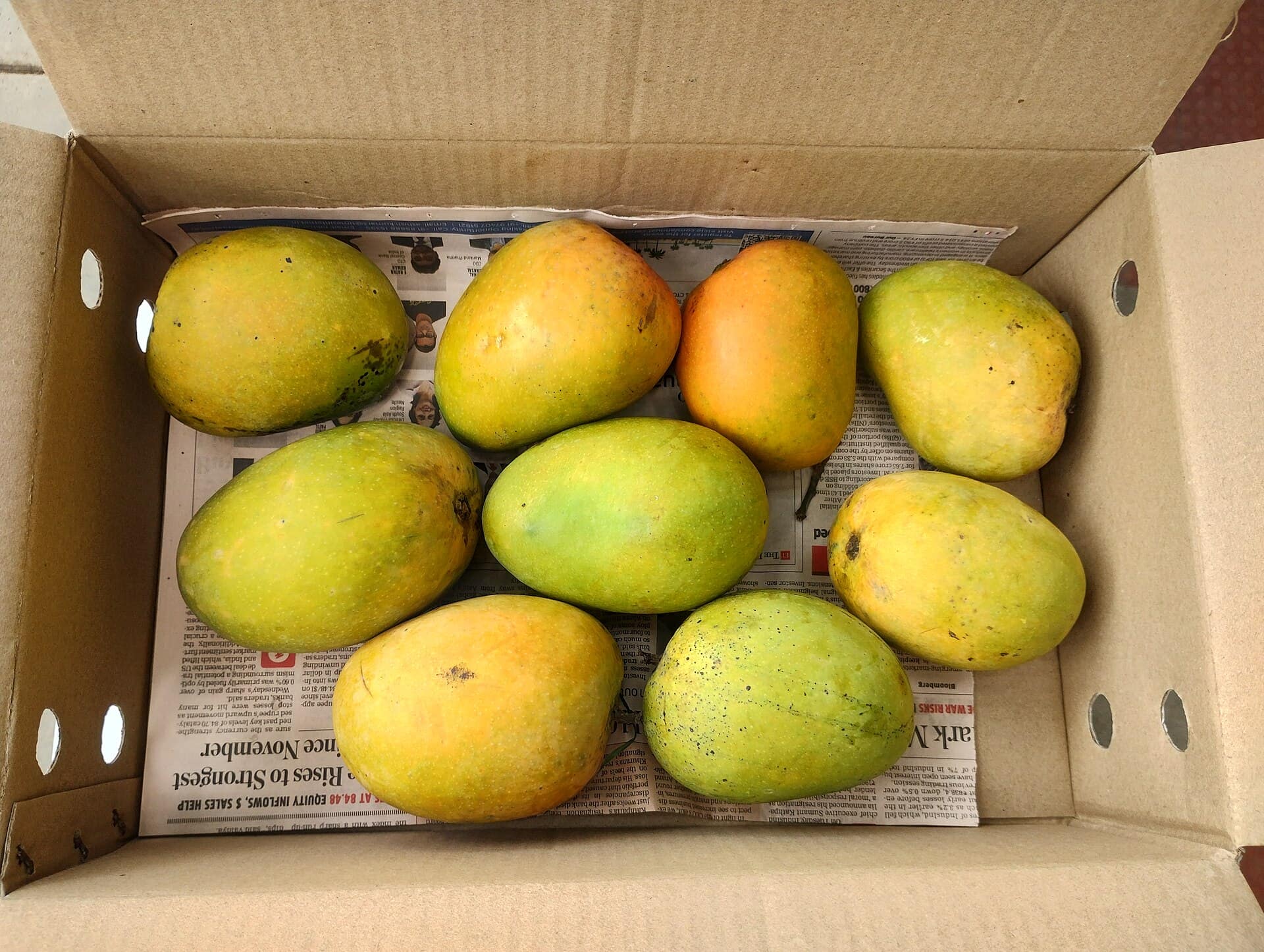
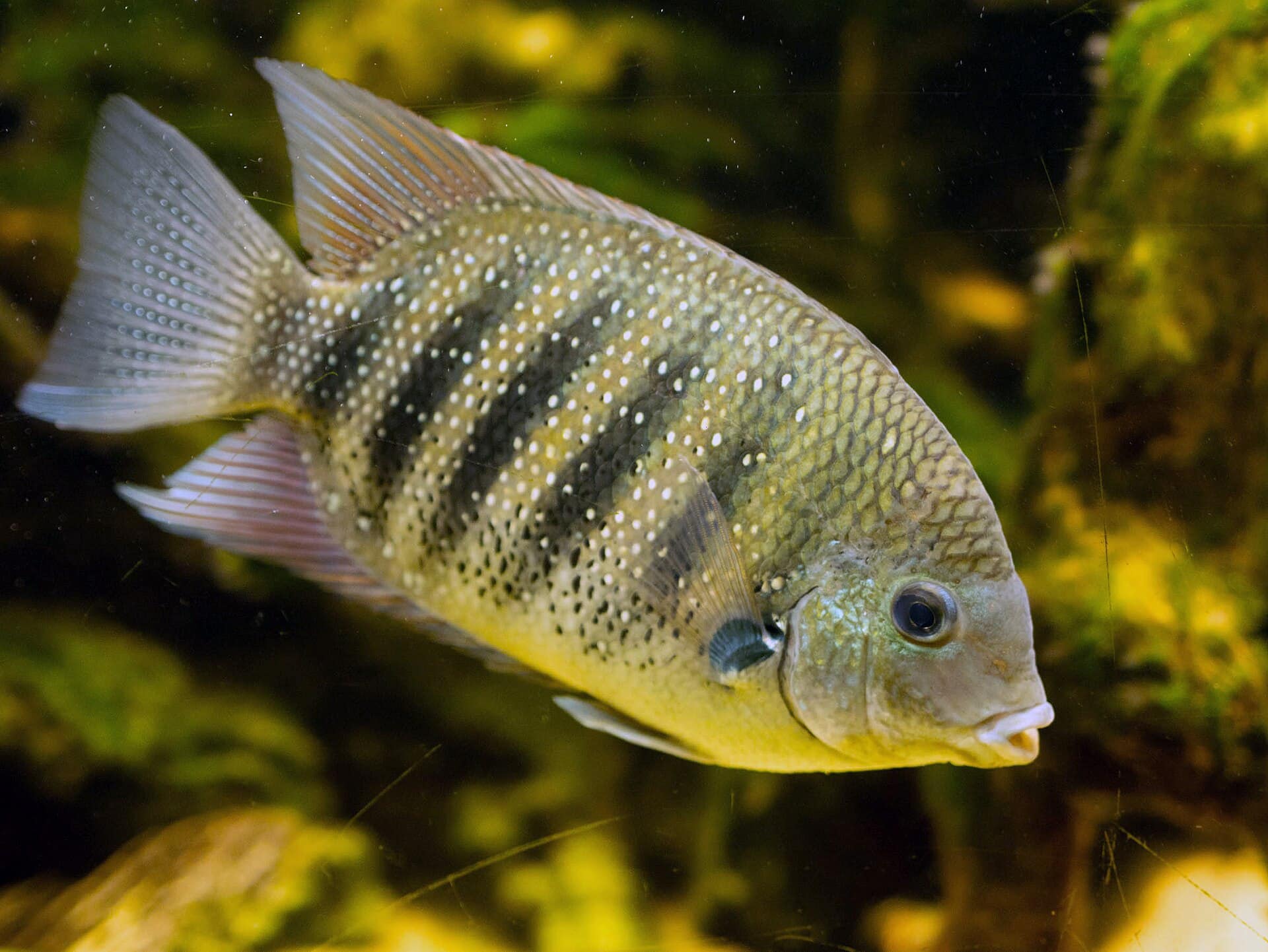
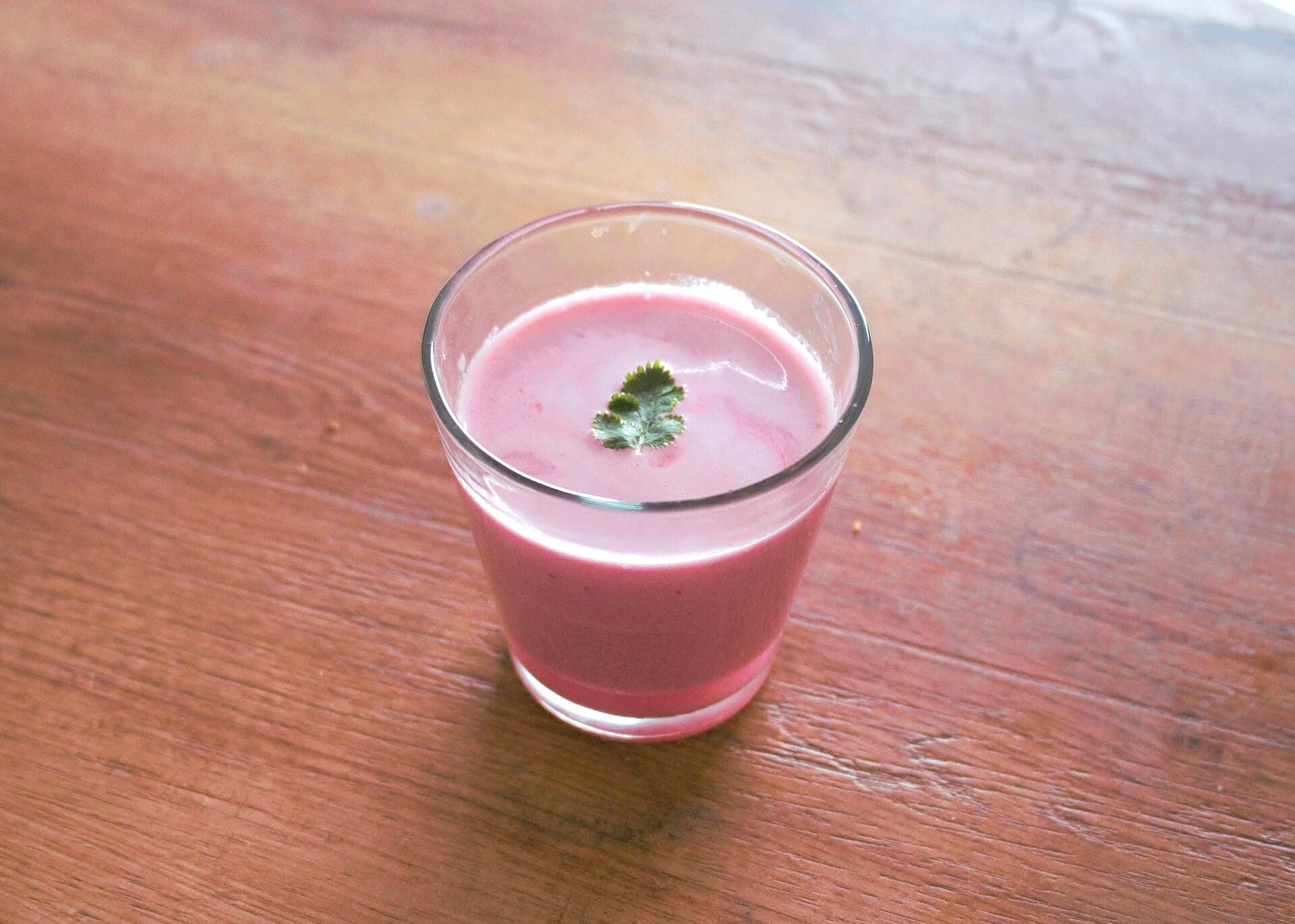
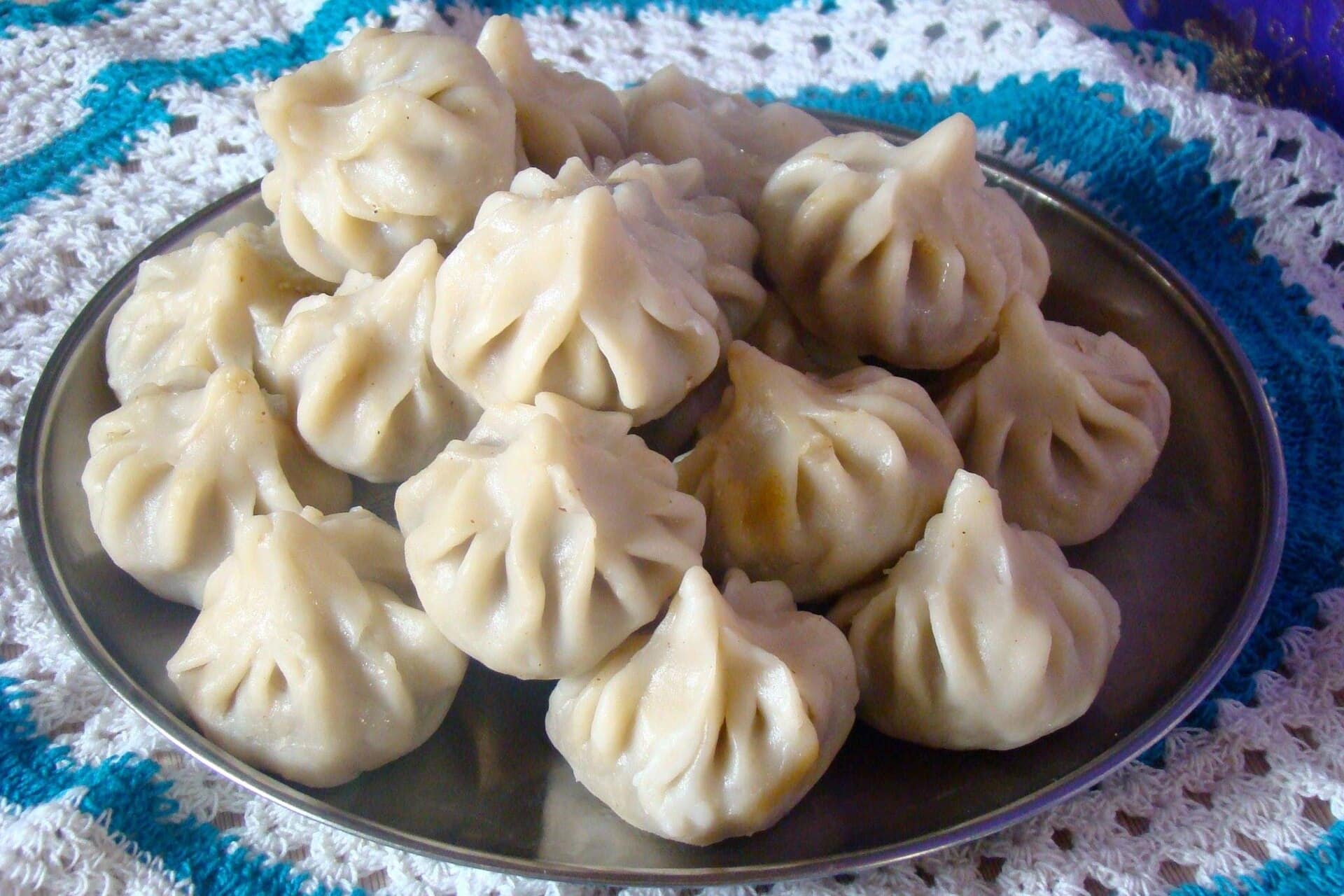
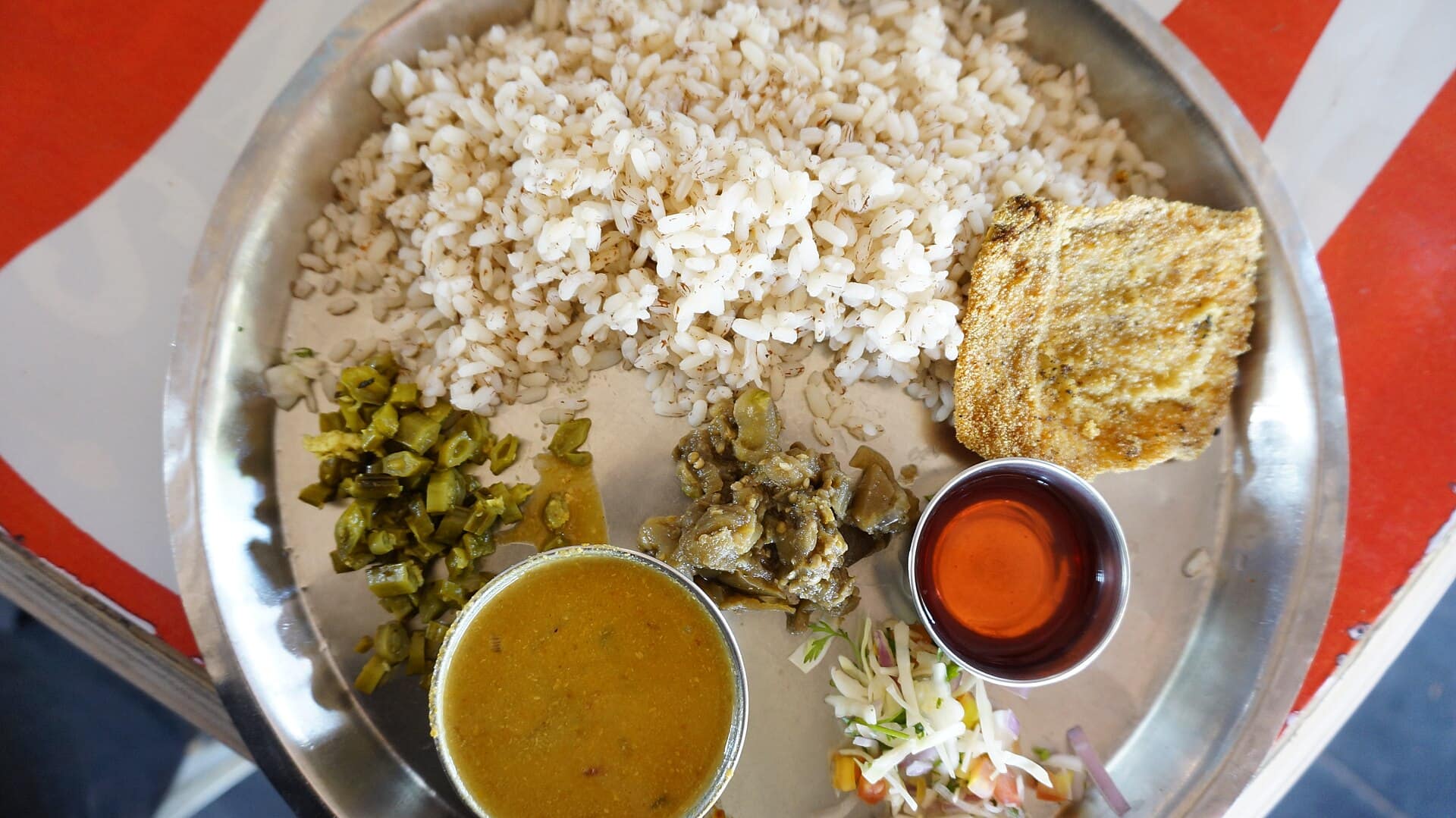
Meals are Konkan coast meals: fish curry with coconut and kokum, rice or bhakri, and a glass of pink sol kadhi. Ratnagiri is Alphonso (hapus) country, and in April and May the crop fills every roadside stall. Modak is the sweet offered to Ganesha, and the steamed ukadiche kind is the one to try. See what to eat and where to eat.
When to come
October to March is the easy season, with warm days, a calmer sea and clear sunsets. April and May are hot and sticky but bring the mangoes. The monsoon usually reaches this coast in early June and lasts until about September. The sea turns rough and water sports stop, but the hills turn green. The temple's own big weeks fall at Ganesh Chaturthi (August–September) and the Maghi festival (January–February). More on the best time to visit.
Getting there
There is no railway station in Ganpatipule. Most people take the Konkan Railway to Ratnagiri, then a state bus or taxi for the last 25–30 km. State buses also run from Mumbai and Pune, and the drive from Mumbai takes most of a day.
Questions
Ganpatipule — FAQ
Is Ganpatipule one of the Ashtavinayak temples?
No. The eight Ashtavinayak shrines are in the Pune region and Raigad district. Ganpatipule is a separate and much-loved Ganesha temple, known for its self-formed idol and its place on the beach.
Is it safe to swim at Ganpatipule?
Not really. The beach shelves steeply and has strong currents, and drownings happen here most years. Stay at the edge of the water, never go in after dark or when you have been drinking, and keep out completely from June to September.
How many days do I need in Ganpatipule?
One full day covers the temple, the hill walk, the beach and the Konkan museum. Add a second day for Jaigad Fort to the north and the Aare-Ware viewpoint to the south.
How do I get from Mumbai to Ganpatipule?
By road it is about 375 km, most of a day. Many people take a Konkan Railway train to Ratnagiri instead, then a bus or taxi for the last 25–30 km.
Should I stay in Ganpatipule or Ratnagiri?
Stay in Ganpatipule if you want the temple at dawn and the beach at sunset on foot. Ratnagiri has the railway station, more hotels and more restaurants, and is a reasonable base if you have a car.