
Best Photo Spots in Ganpatipule
Ganpatipule faces due west, so the sea does its best work in the last hour of daylight. Mornings belong to the temple, when the courtyard is quiet and the light on the red stone is soft.
Entry Free
Aare-Ware Beaches
- Best timeLate afternoon to sunset, when both bays turn gold and the sun sets over the sea; early morning for calm water and an empty road.
- ColorsWhiteTealCoral
Entry Free
Ganpatipule Beach
- Best timeLate afternoon into sunset, when the sun drops straight into the sea in front of you; early morning for empty sand and soft light on the temple hill.
- ColorsWhiteCoralAqua
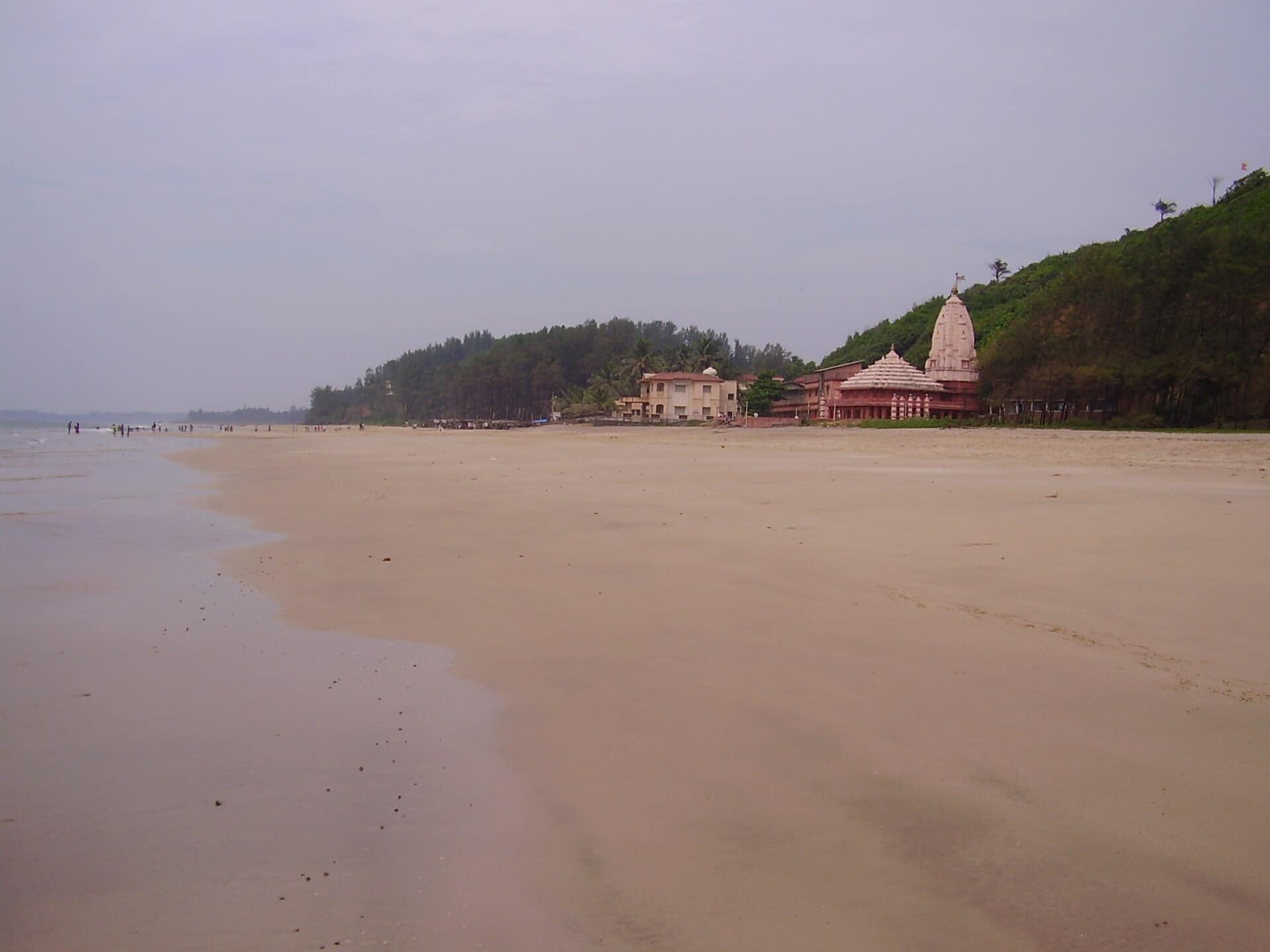 High crowd
Entry Free
Ganpatipule Temple
- Best timeEarly morning, just after the dawn aarti, for soft light on the red stone and a quiet courtyard; late afternoon for warm light on the front of the temple from the sea.
- ColorsSaffronRedWhite
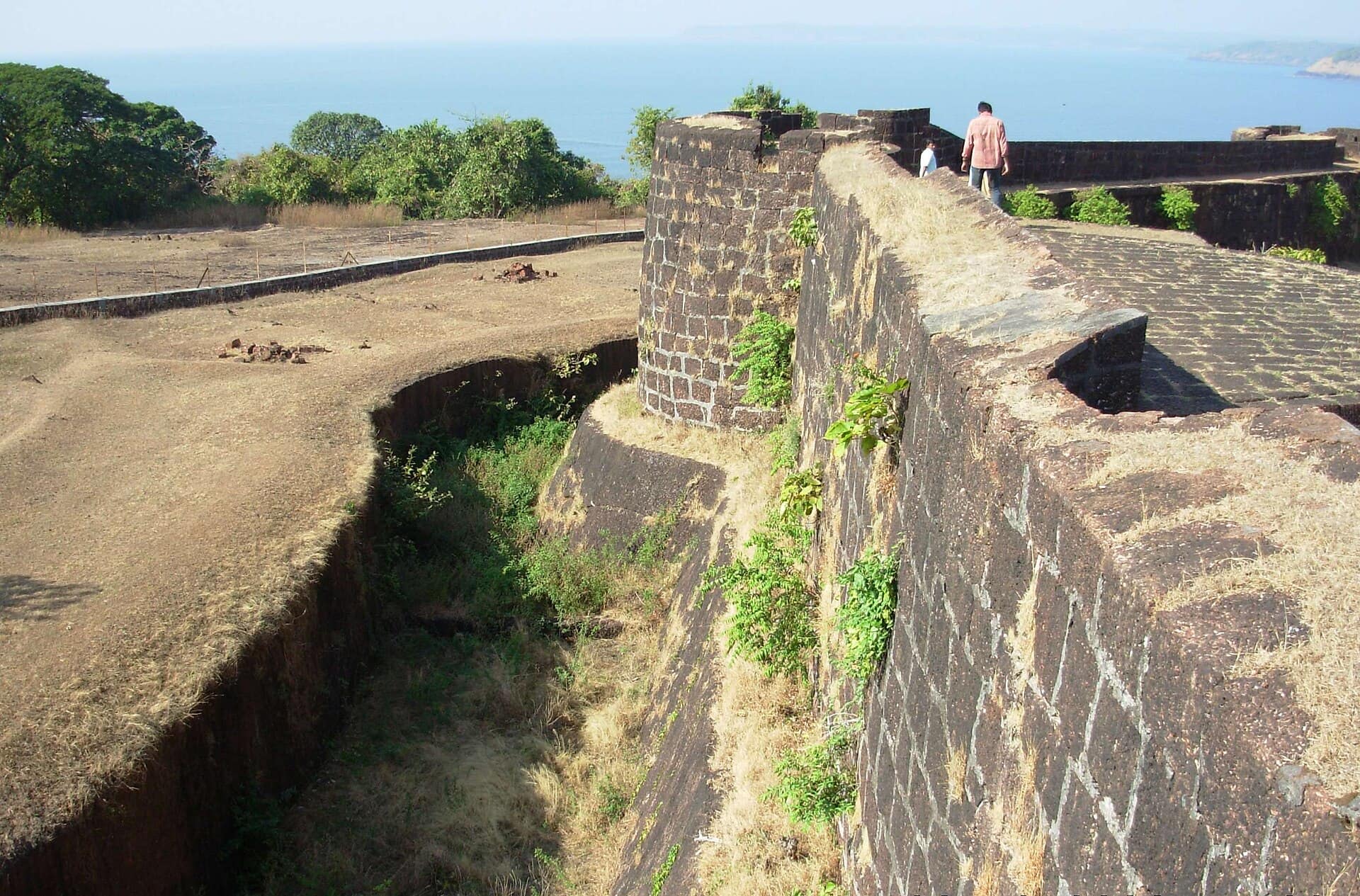 Low crowd
Entry Nominal
Jaigad Fort
- Best timeMorning, when the air is clear over the estuary and the ramparts are still cool; early afternoon for bright blue water before the gates close.
- ColorsRustWhiteCobalt
Entry Nominal
Prachin Konkan Museum
- Best timeMorning, soon after it opens, for soft light under the trees and small groups; late afternoon for warm light on the tiled roofs.
- ColorsRustWhiteOchre
The temple and the sea together
The shot everyone wants is the Swayambhu Ganpati temple with waves in front of it. The shrine sits so close to the water that you can frame both from the sand. Walk a little way along the beach and look back: the red-stone spire, the green hill behind it and the surf fit in one wide frame. The courtyard is calmest just after the early aarti. Photographing the idol itself is not the done thing, so keep the camera for the outside.
Sunset on the beach
Ganpatipule Beach looks straight out to the west, and the sun drops into the sea in front of you. Arrive half an hour early and pick a spot near the waterline. People, boats and the curve of sand make better foregrounds than an empty horizon. Expose for the sky and let the beach go dark. Keep a hand on your gear: the waves here run up the sand further than you expect.
Up on the coast road
The viewpoint above Aare-Ware is the best wide view on this coast. Two beaches curve away below you, split by a rocky point, with the road winding along the cliff. It works in the morning and at sunset. Pull over only where there is room, as the road is narrow and busy at weekends.
Jaigad's walls
Jaigad Fort sits on a cliff where the Shastri river meets the sea. Its laterite ramparts give you long lines to lead the eye towards the estuary. The lighthouse on the next headland makes a second subject. The fort closes in the late afternoon, so come early rather than waiting for sunset.
Village life, recreated
At the Prachin Konkan Museum life-size figures farm, fish and work around tiled houses under the trees. Visits are guided, so shoot as you go rather than lingering. Some visitors report a separate camera charge at the gate.
Be considerate
Ask before you photograph pilgrims, fishermen or families. Do not fly a drone near the temple or over the port at Jaigad without permission.
Questions
Ganpatipule — FAQ
Can I photograph the Ganesha idol at Ganpatipule?
It is best not to. Photos of the idol inside the shrine are not welcome at most temples of this kind, and the queue keeps moving. Photograph the temple from the courtyard or the beach instead, and ask staff if you are unsure.
Where is the best sunset photo in Ganpatipule?
The main beach, with the sun going down over the sea in front of you. For a wider view, drive to the Aare-Ware viewpoint on the coast road south of the village.
Can I fly a drone in Ganpatipule?
Not without permission. The temple and beach are crowded religious spaces, and Jaigad sits beside a working port. Leave the drone packed unless you have cleared it with the authorities.
Is a tripod allowed on the beach?
A small tripod on the open sand is usually fine. Keep it well back from the waterline and out of the paths people use to reach the temple.