
What to Wear in Halebidu
Halebidu sits on the Deccan plateau at around 900 m, so it is milder than the plains of north Karnataka. Winter mornings are cool, days are warm and sunny most of the year, and the monsoon brings steady rain from June to September. Most of your time is spent outdoors on open temple grounds with little shade.
All the main sights are temples or a museum, so modest clothing that covers your shoulders and knees makes each visit easy. For photos, a cotton kurta, a light saree or a plain shirt in a warm colour stands out well against the grey-green soapstone of the carvings.
Trending wear
Modern, Instagram-friendly looks
Traditional wear
Local cultural outfits
What to Wear in Halebidu During Winter
Winter (November to February) is the most comfortable season. Early mornings can feel cool, but days are dry, sunny and pleasant for walking.
Best Winter Outfits for Halebidu
- Cotton kurtas or shirts with long trousers or a long skirt
- A light cotton saree or salwar suit
- A light jacket, cardigan or shawl for early mornings
- A cap or hat for the midday sun
- Sunglasses
What to Wear in Halebidu During Summer
Summer (March to May) is warm to hot, with April usually the hottest month. The temple grounds are open and the stone reflects the heat, so dress to stay cool and covered.
Best Summer Outfits for Halebidu
- Loose, light cotton or linen clothes that cover shoulders and knees
- A wide-brimmed hat or cap
- A scarf or stole to cover your shoulders and shade your neck
- Sunglasses and sunscreen
- A reusable water bottle
What to Wear in Halebidu During the Monsoon
The monsoon (June to September) brings regular rain, with July usually the wettest month. It is cooler and greener, but the stone platforms can be slippery.
Best Monsoon Outfits for Halebidu
- Quick-drying trousers, kurtas or tops
- A light rain jacket or a compact umbrella
- A light layer for cool, damp evenings
- Sandals or shoes with a good grip
Best Colours to Wear in Halebidu
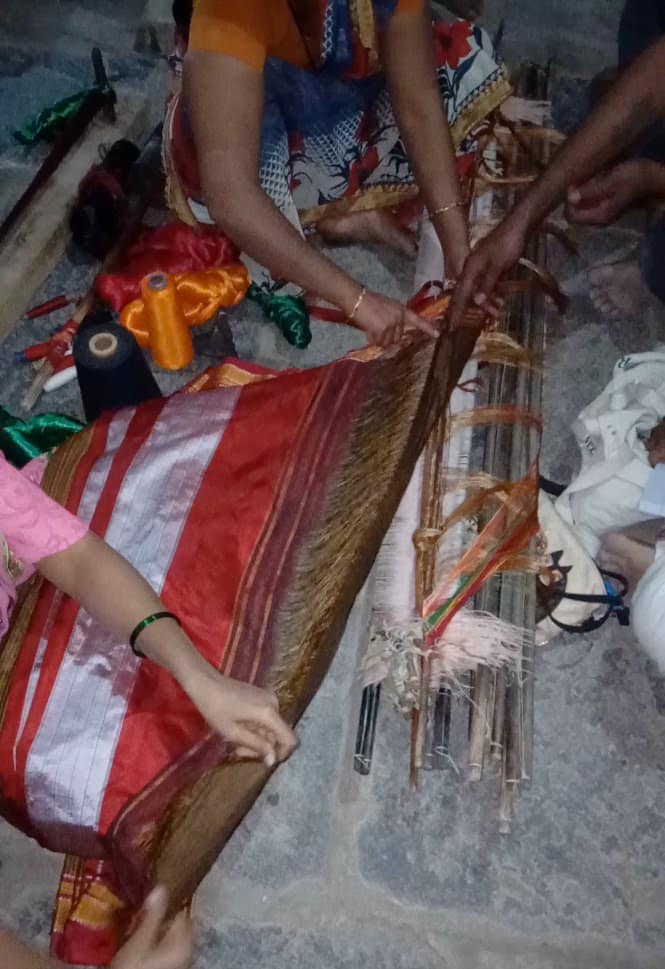
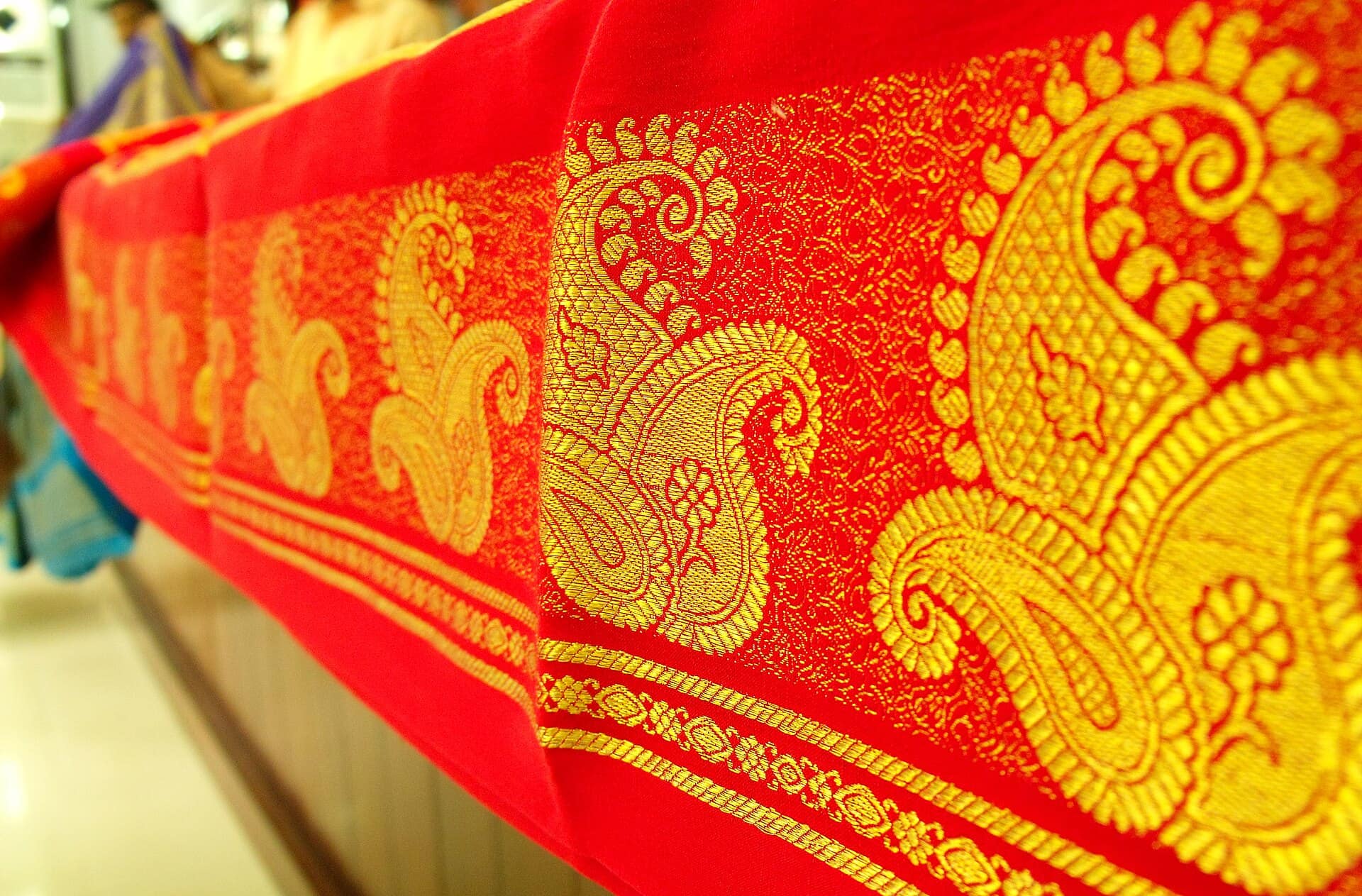
The temples are carved from grey-green soapstone, and the grounds are green lawns. Warm, solid colours like maroon, mustard, rust and deep red stand out well against the stone. Cream and white look soft and calm, especially inside the Jain basadis with their dark polished pillars. For a traditional look, an Ilkal or Mysore silk saree photographs beautifully against the carvings.
Footwear Tips for Halebidu
You will take your shoes off before entering the temples, so wear sandals or slip-ons that are quick to remove. The stone platforms can get hot underfoot by midday in summer, so visit early or carry socks. In the monsoon, choose footwear with a good grip, as wet stone and grass can be slippery.
Questions
Halebidu — FAQ
What should I wear to the Hoysaleswara Temple?
Wear modest clothing that covers your shoulders and knees, such as a kurta, a saree, a shirt with long trousers or a long skirt. You will remove your shoes before going inside.
Is Halebidu hot?
Days are warm for most of the year, and April and May are the hottest months. Halebidu is on a plateau, so it is milder than many parts of Karnataka, and winter mornings can feel cool.
Do I need a jacket in Halebidu?
Only a light one. In December and January, early mornings can be cool, so a light jacket, cardigan or shawl is useful. You will not need warm clothes for the rest of the year.
What shoes are best for Halebidu?
Sandals or slip-ons that are easy to remove are best, as you take them off at every temple. Walking between the sights is short and flat.
What traditional wear is famous near Halebidu?
Karnataka is known for the Mysore silk saree and the Ilkal saree, with its distinctive pallu. Both are popular choices for temple visits and photos at Halebidu.