
Karnataka · India
Halebidu
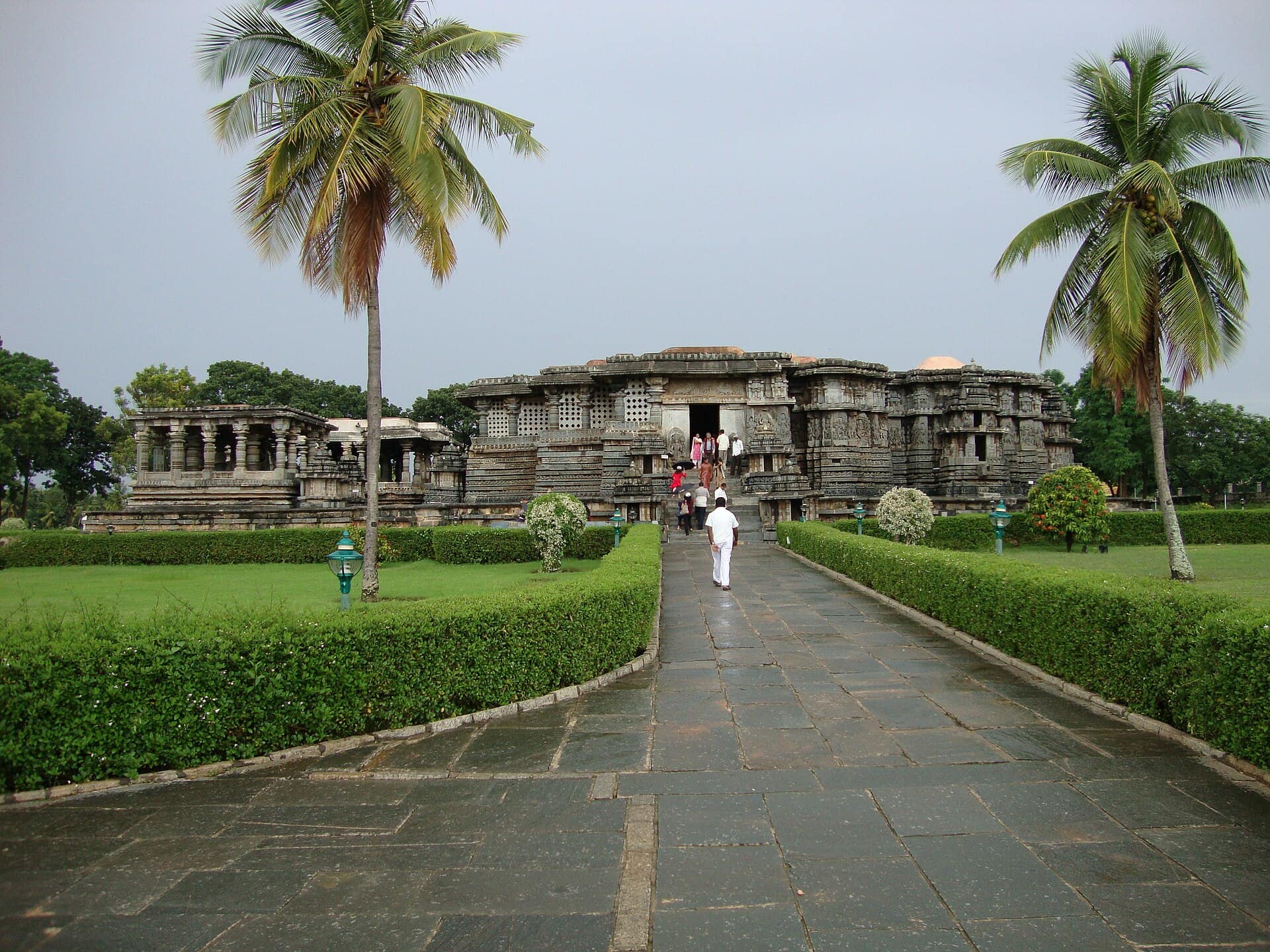
The 'old capital' of the Hoysalas, whose Hoysaleswara Temple — twin shrines smothered in some of the most intricate stone carving in India — survived the sacking that gave the town its name.
Halebidu is Hoysala Karnataka: the Hoysaleswara Temple's endless friezes and monolithic Nandis, the Kedareshwara temple and Jain basadis, the sculpture museum, and Kannada food.
Plan your trip
Halebidu Tour Itineraries
Timed, walkable day plans — plus the best season to go.
Where to shoot
Halebidu Photo Spots
 Low crowd
Entry Nominal
Halebidu Museum
- Best timeMorning, when the sculpture garden is in soft light and still quiet; late afternoon for warm light on the carved stones.
- ColorsCreamOliveMaroon
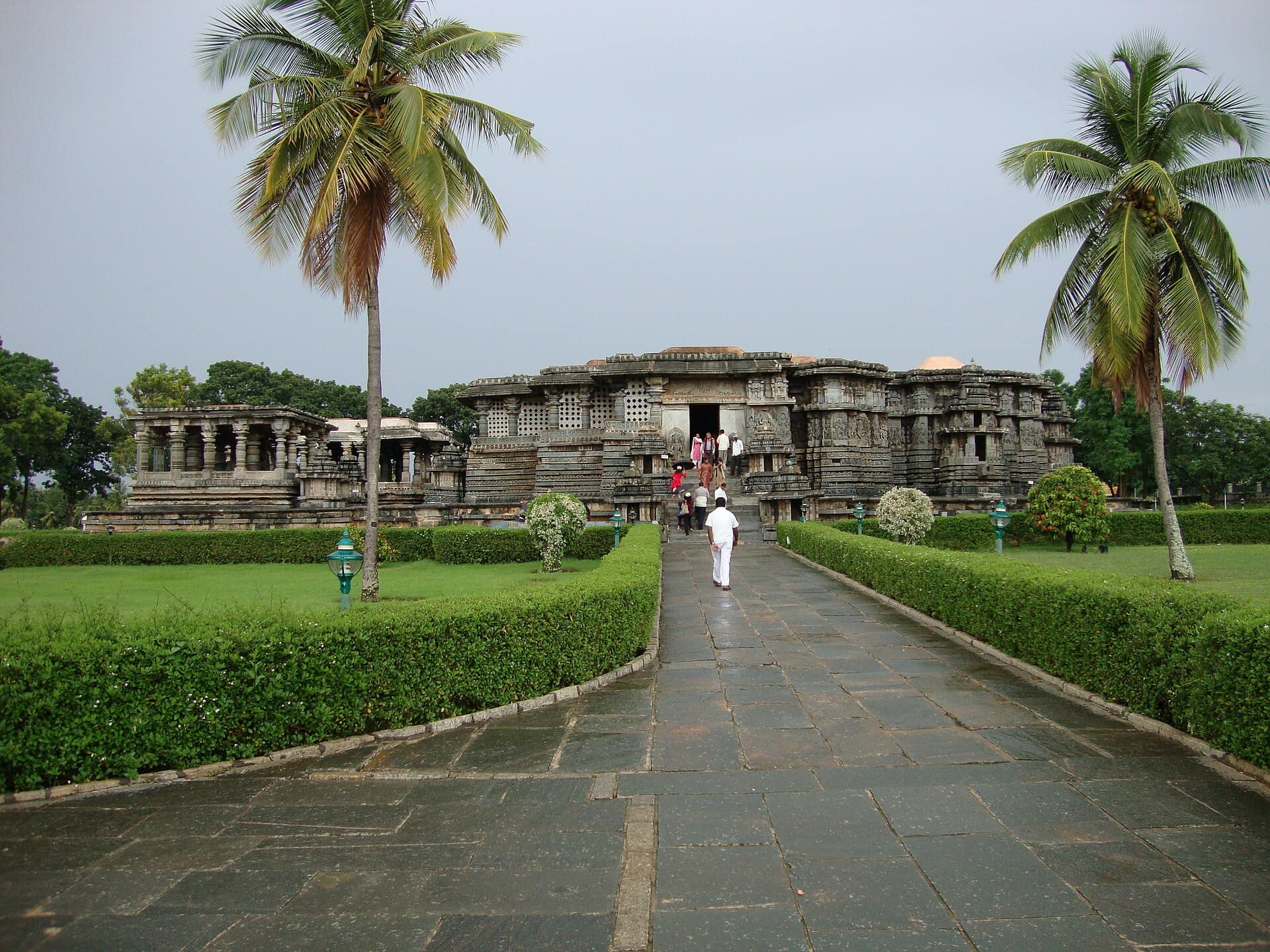 Medium crowd
Entry Free (ASI monument)
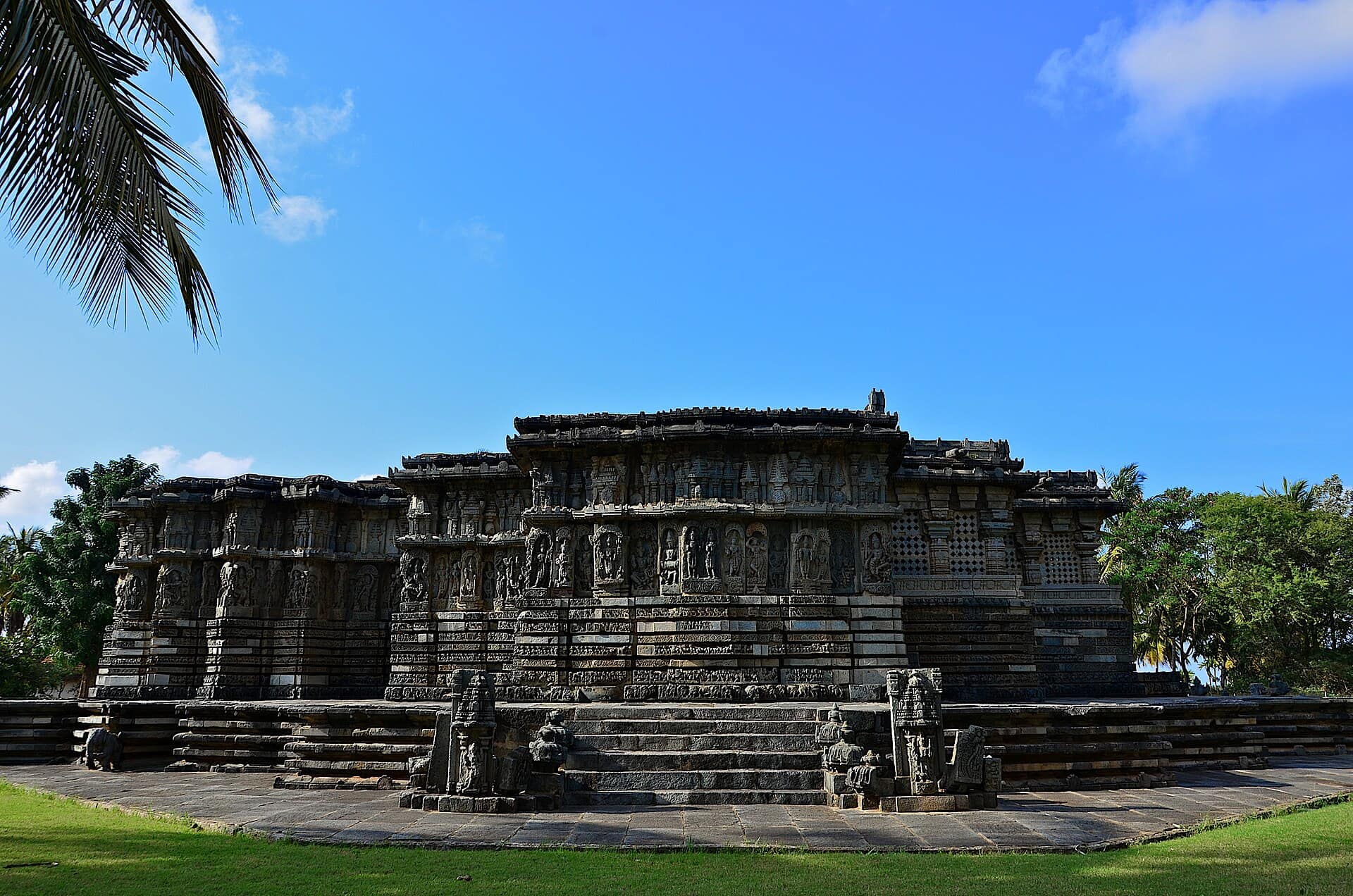
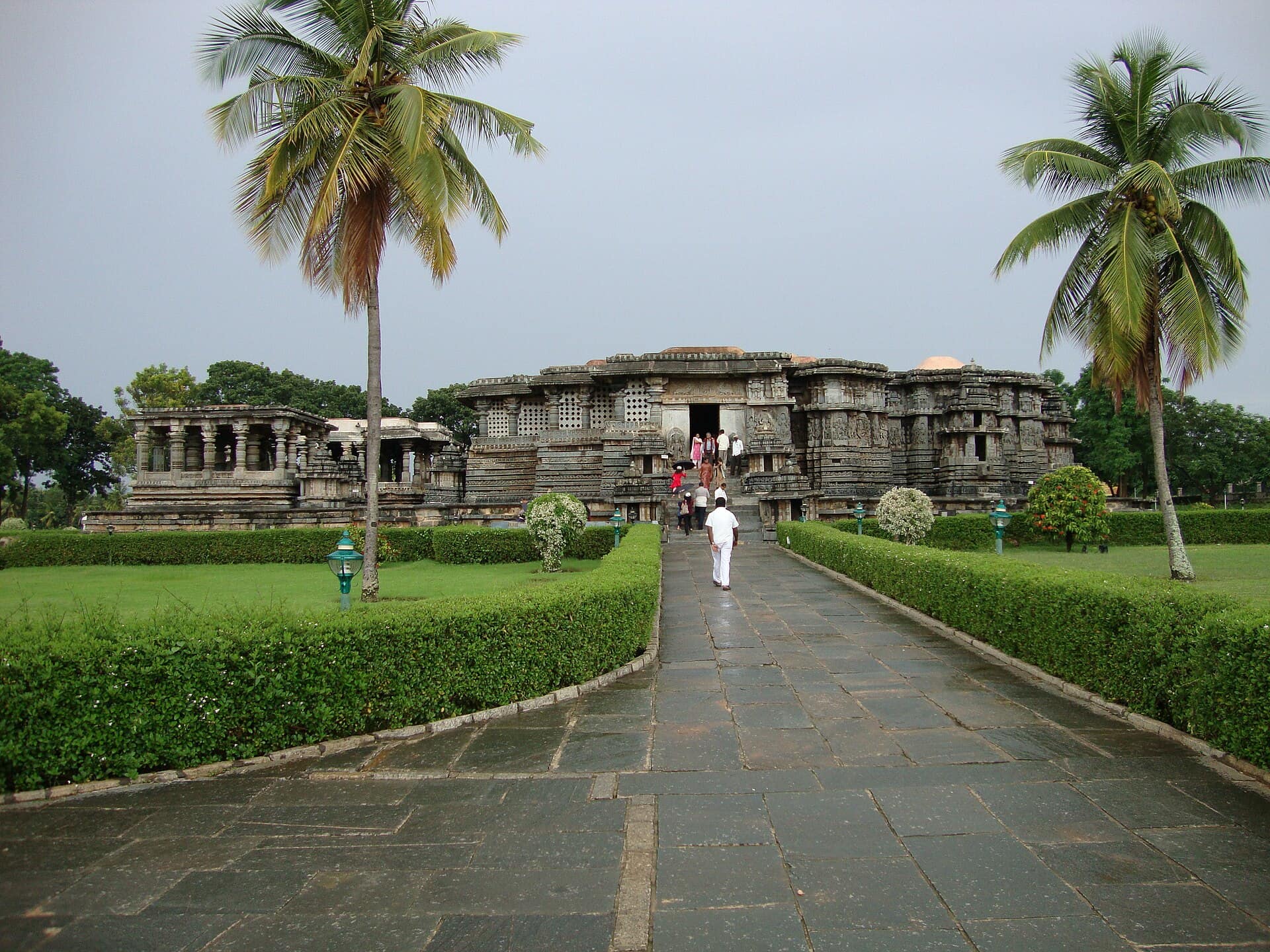
Hoysaleswara Temple
- Best timeEarly morning, when low side light brings out the depth of the carvings and the platform is quiet; late afternoon for warm light on the western walls.
- ColorsCreamMaroonMustard
 Low crowd
Entry Free
Jain Basadis
- Best timeMid-morning, when daylight from the doorway lights up the polished pillars without harsh glare; late afternoon for a quiet, warm feel outside.
- ColorsWhiteCreamMaroon
 Low crowd
Entry Free
Kedareshwara Temple
- Best timeEarly morning or late afternoon, when side light shows the carving on the star-shaped walls and there is almost no one around.
- ColorsCreamMaroonMustard
 Medium crowd
Entry Free
Monolithic Nandi
- Best timeMorning, when soft light falls into the open pavilion and the bull's carved ornaments show clearly; late afternoon for warm light and fewer people.
- ColorsCreamMaroonMustard
For the feed
Trending Wear in Halebidu
Modern, Instagram-friendly looks
Rooted in the city
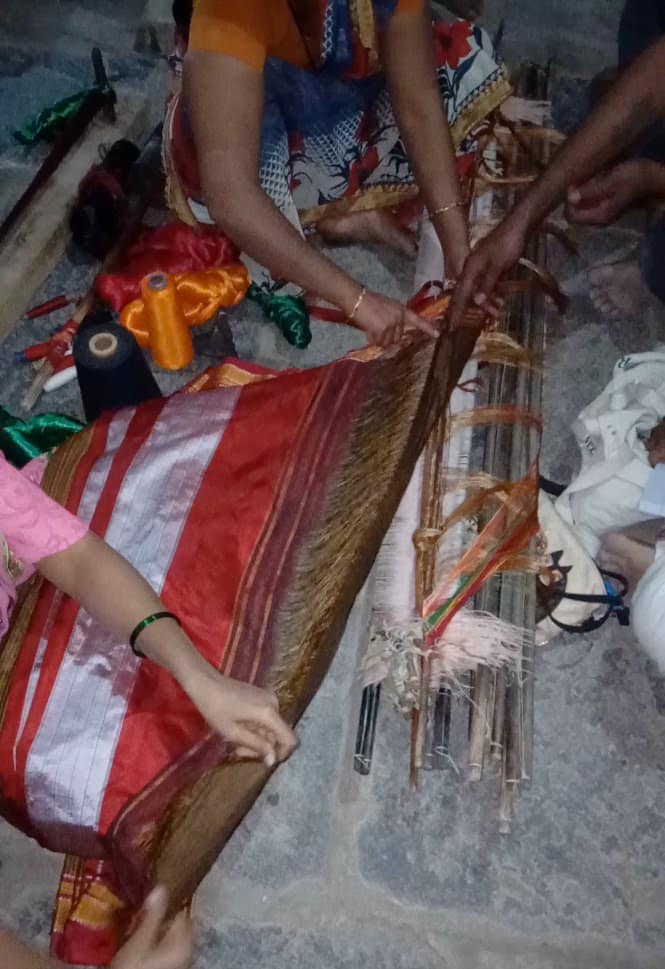
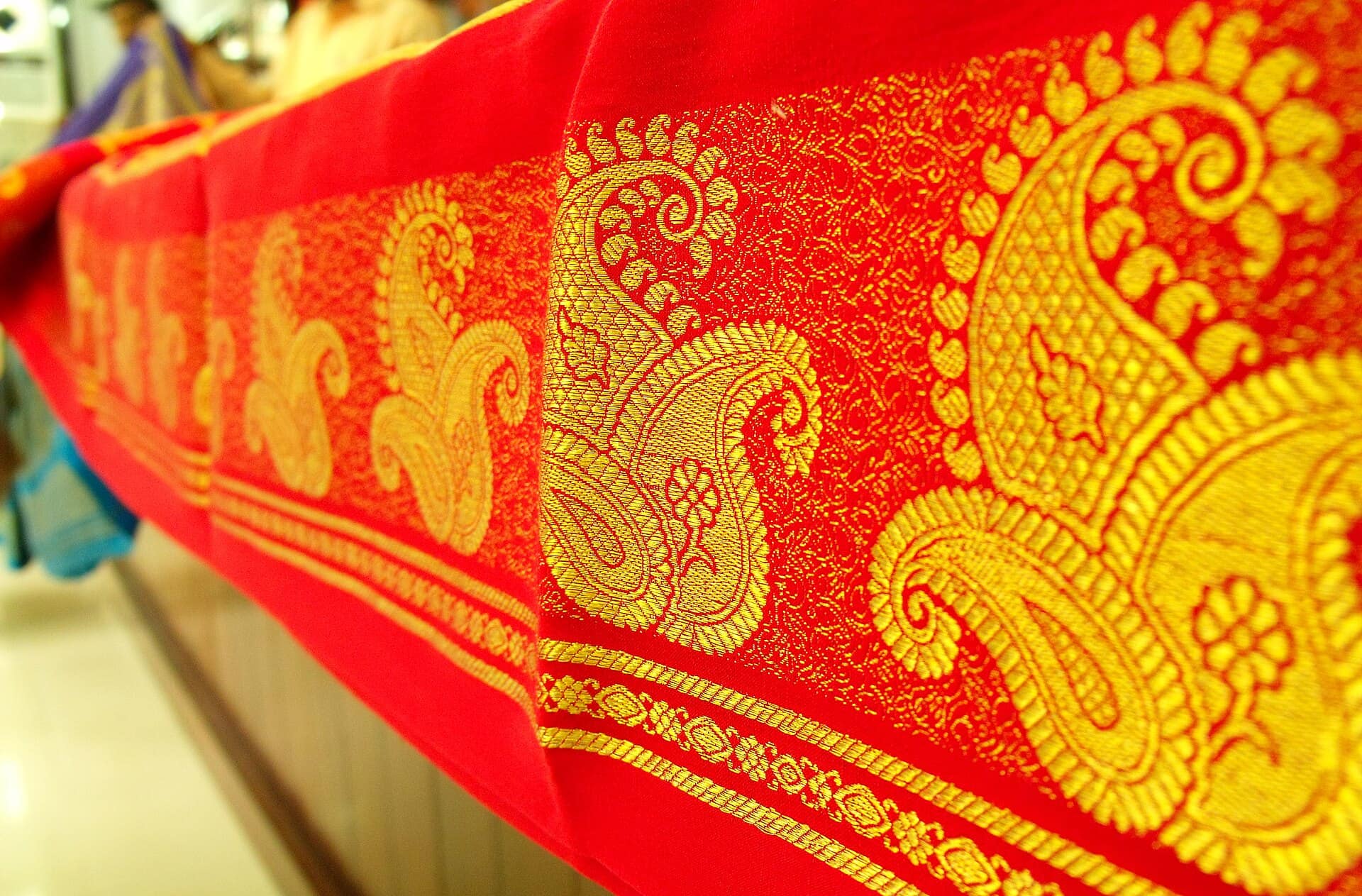
Halebidu Traditional Wear
Local, cultural, handcrafted outfits
Before you go
Temples in Halebidu
Darshan hours, dress codes and what gets refused at the gate
Taste the city
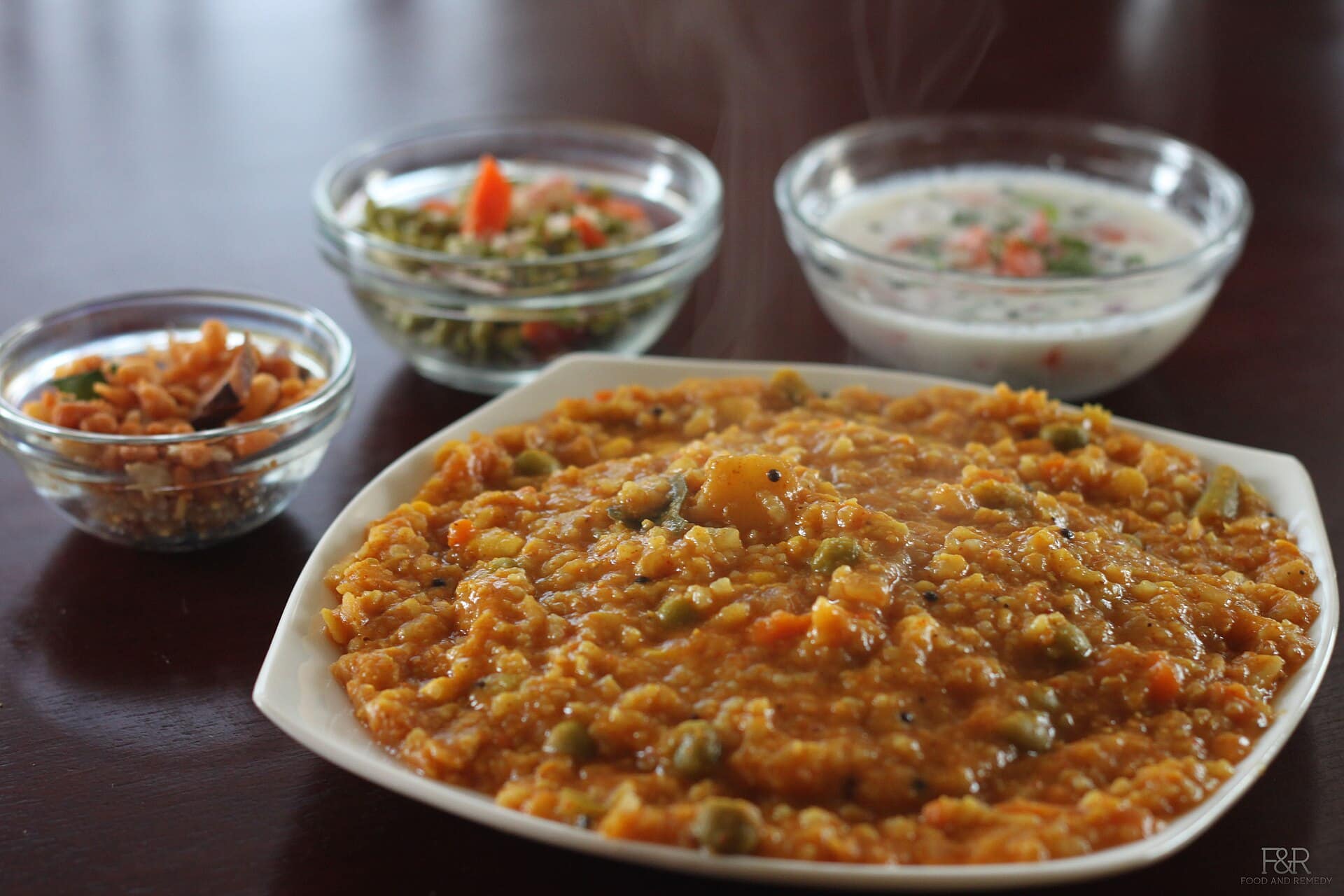
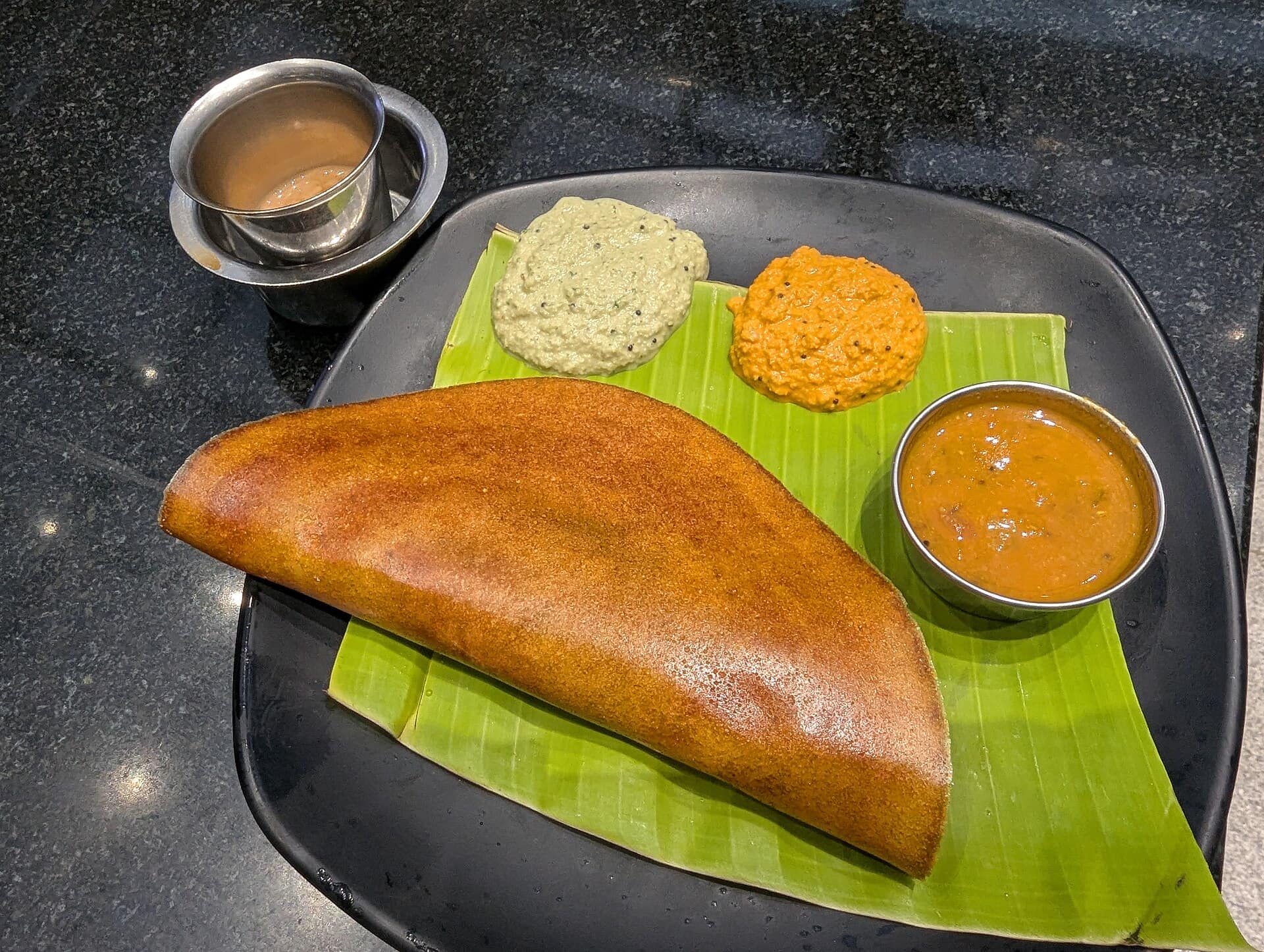
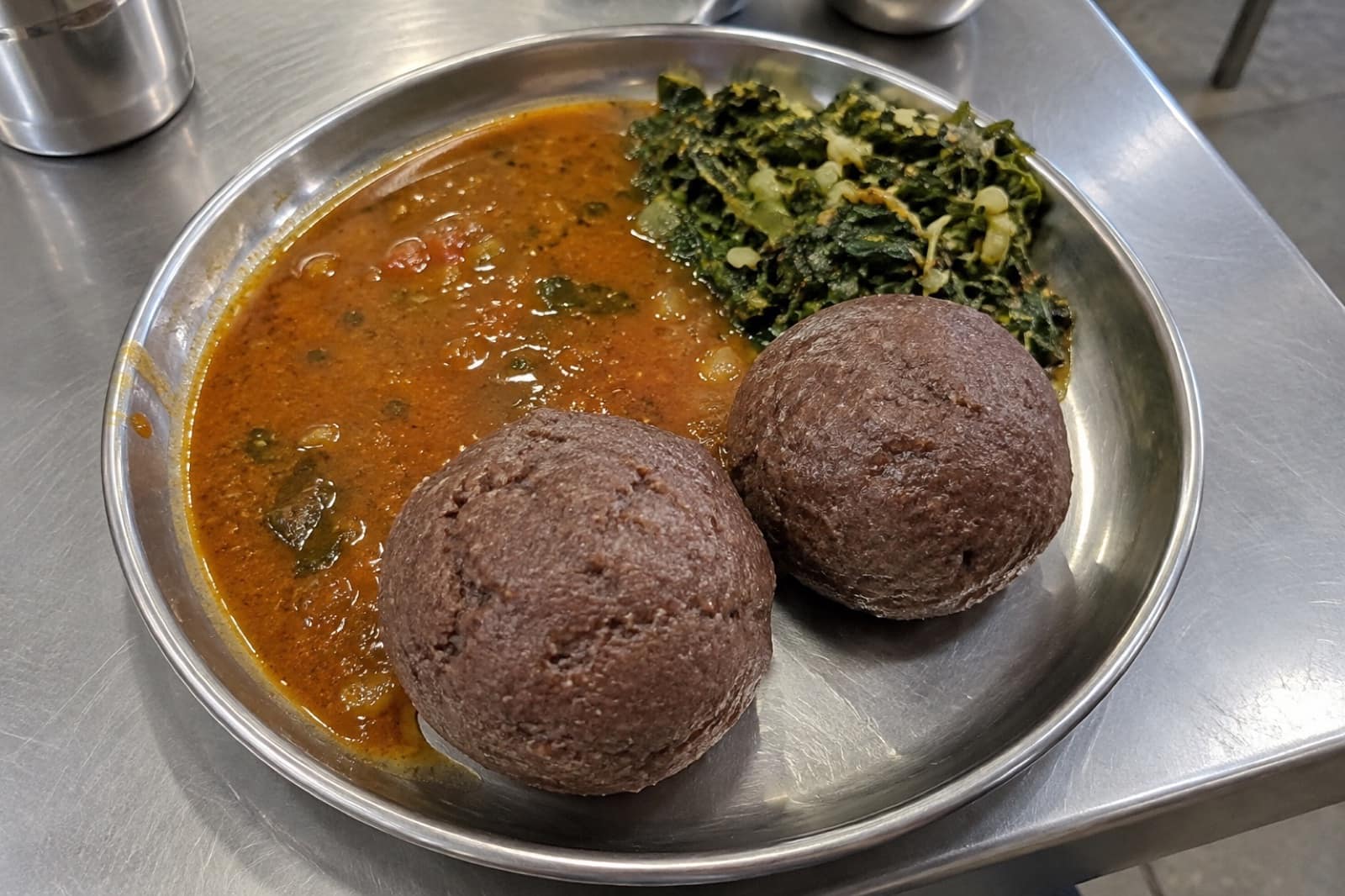
Food to Eat in Halebidu


Trusted tables
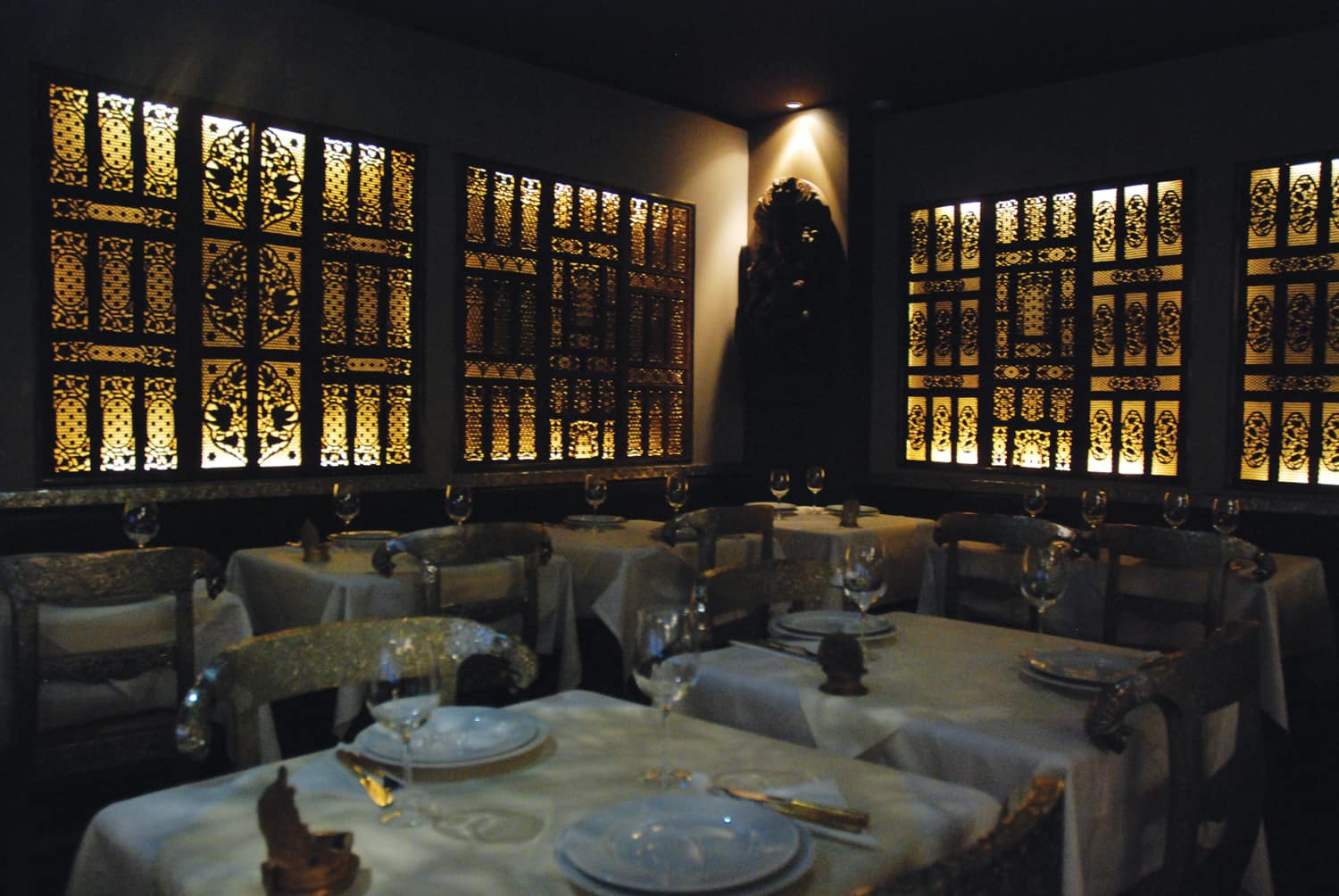
Where to Eat in Halebidu
About Halebidu
Halebidu is a small village in Hassan district, Karnataka, built on the ruins of Dwarasamudra, the capital of the Hoysala kings in the 12th and 13th centuries. Armies of the Delhi Sultanate took the city in the early 14th century, and the name it carries today means "old capital" or "ruined city". What survived is some of the finest stone carving in India. The Hoysaleswara Temple, begun around 1121 CE, has twin Shiva shrines wrapped in band after band of carved elephants, lions, horsemen and scenes from the Ramayana and Mahabharata. Since 2023 it has been part of the UNESCO World Heritage Site "Sacred Ensembles of the Hoysalas", along with Belur and Somanathapura.
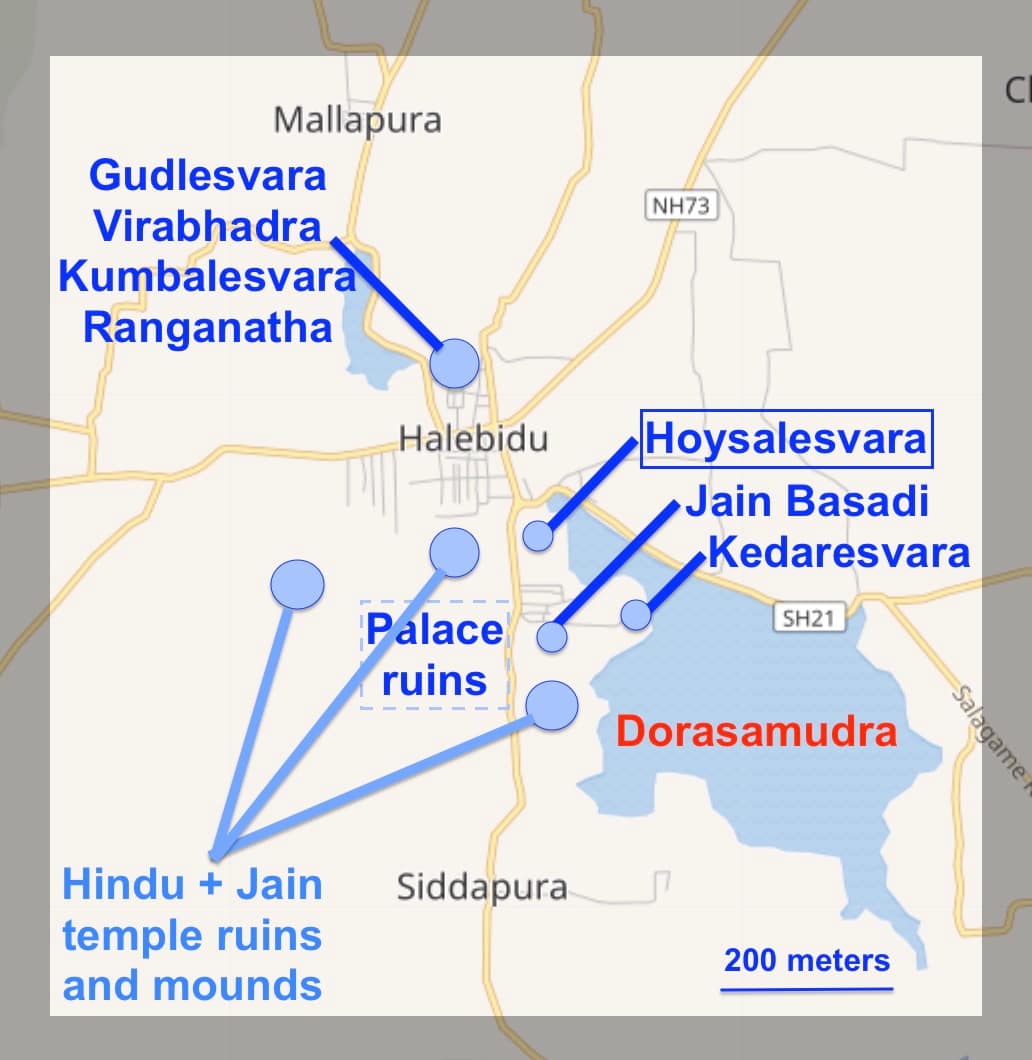
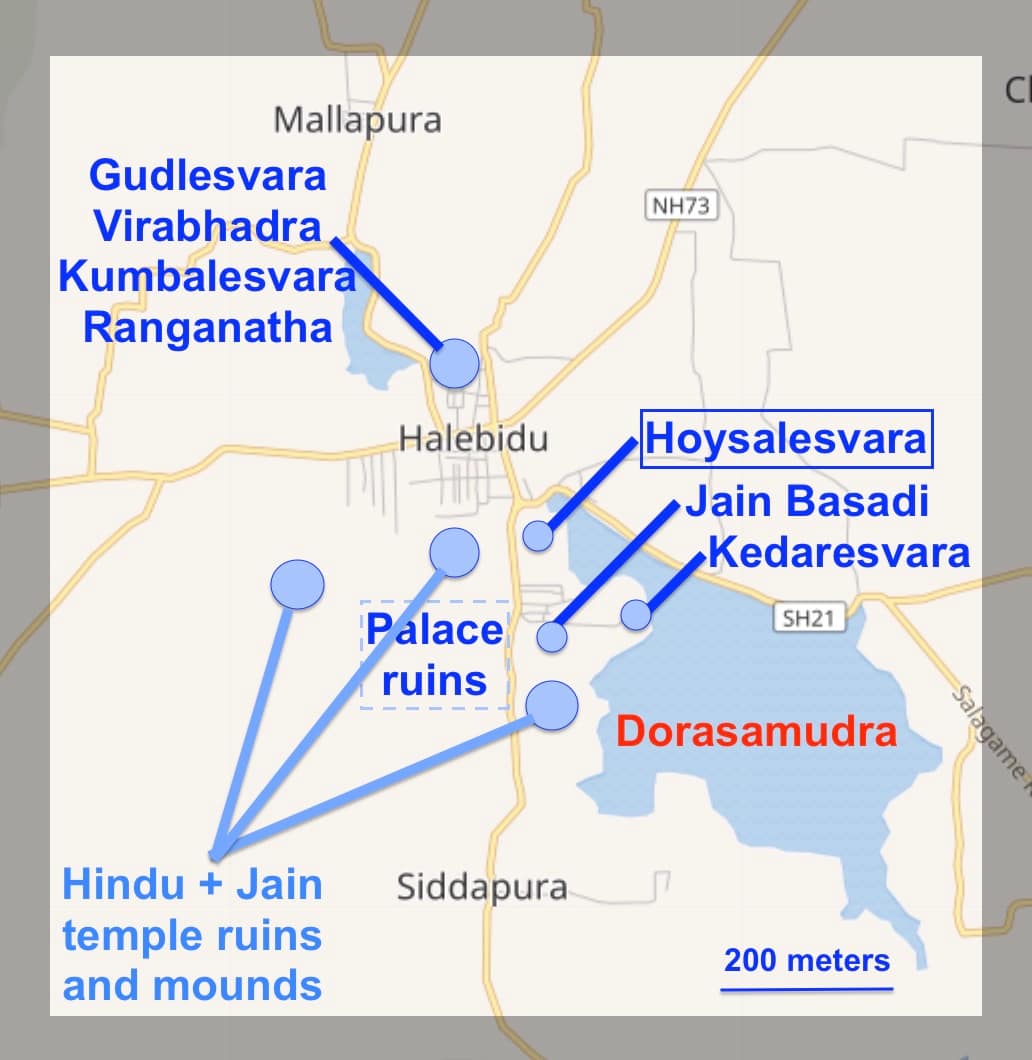
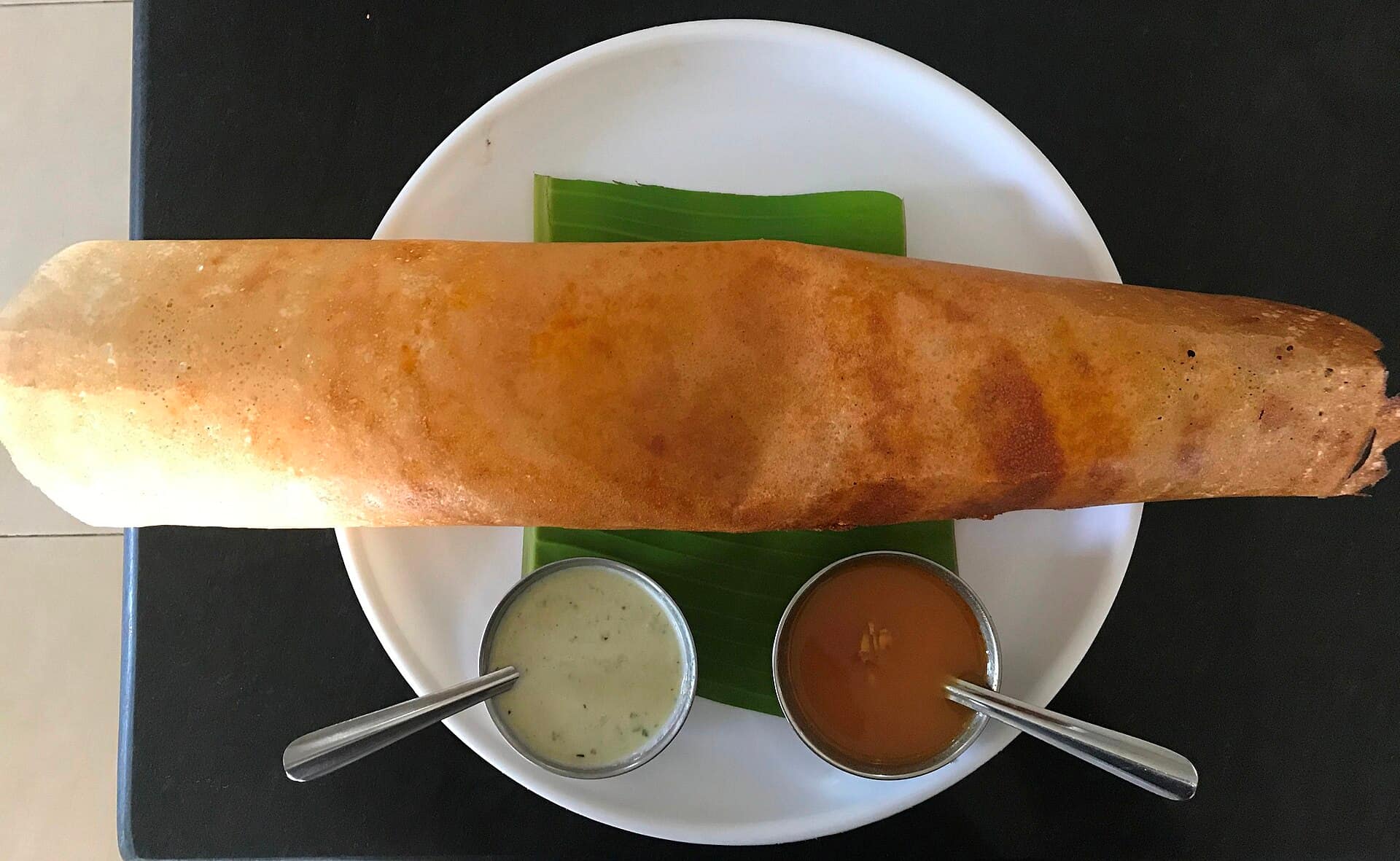
The sights sit close together, so Halebidu is easy to see on foot. Start at the Hoysaleswara Temple and its two great Nandi bulls, then visit the ASI sculpture museum on the same grounds. Walk about half a kilometre to the quiet Kedareshwara Temple and the Jain basadis, whose polished black pillars are a calm contrast to the busy carving of the main temple. Most visitors pair Halebidu with Belur, about 16 km away, which has the Chennakeshava Temple and its own page on this site. Stop for filter coffee, bisi bele bath or holige between the two.
Questions
Halebidu — FAQ
What is Halebidu famous for?
Halebidu is famous for the Hoysaleswara Temple, a 12th-century twin-shrine Shiva temple covered in detailed soapstone carving. It was the Hoysala capital, Dwarasamudra, and is also known for the Kedareshwara Temple, the Jain basadis, the giant Nandi bulls and the ASI sculpture museum.
How many days are enough for Halebidu?
Half a day to one day is enough for the Hoysaleswara Temple, the museum, the Kedareshwara Temple and the Jain basadis. Most travellers spend one full day covering both Halebidu and Belur, or two days if they add Shravanabelagola or want to see the carvings slowly.
What is the best time to visit Halebidu?
October to February is the most comfortable time, with cool mornings and dry, sunny days for walking around the temples. April and May are the hottest months, and June to September brings the monsoon rains. See the best time to visit Halebidu for a month-by-month guide.
How do I reach Halebidu?
Hassan, about 31 km away, is the nearest large town and railway station, with regular buses and taxis to Halebidu. Belur is about 16 km away, and Bengaluru is roughly a 4–5 hour drive. Many visitors hire a car for the day to cover Halebidu and Belur together.
Can I visit Belur and Halebidu in one day?
Yes. The two towns are about 16 km apart, around half an hour by road, so seeing both in a day is easy. Belur's Chennakeshava Temple is still a busy place of worship, while Halebidu has more to walk between, so give it at least 2–3 hours.