
Best Photo Spots in Halebidu
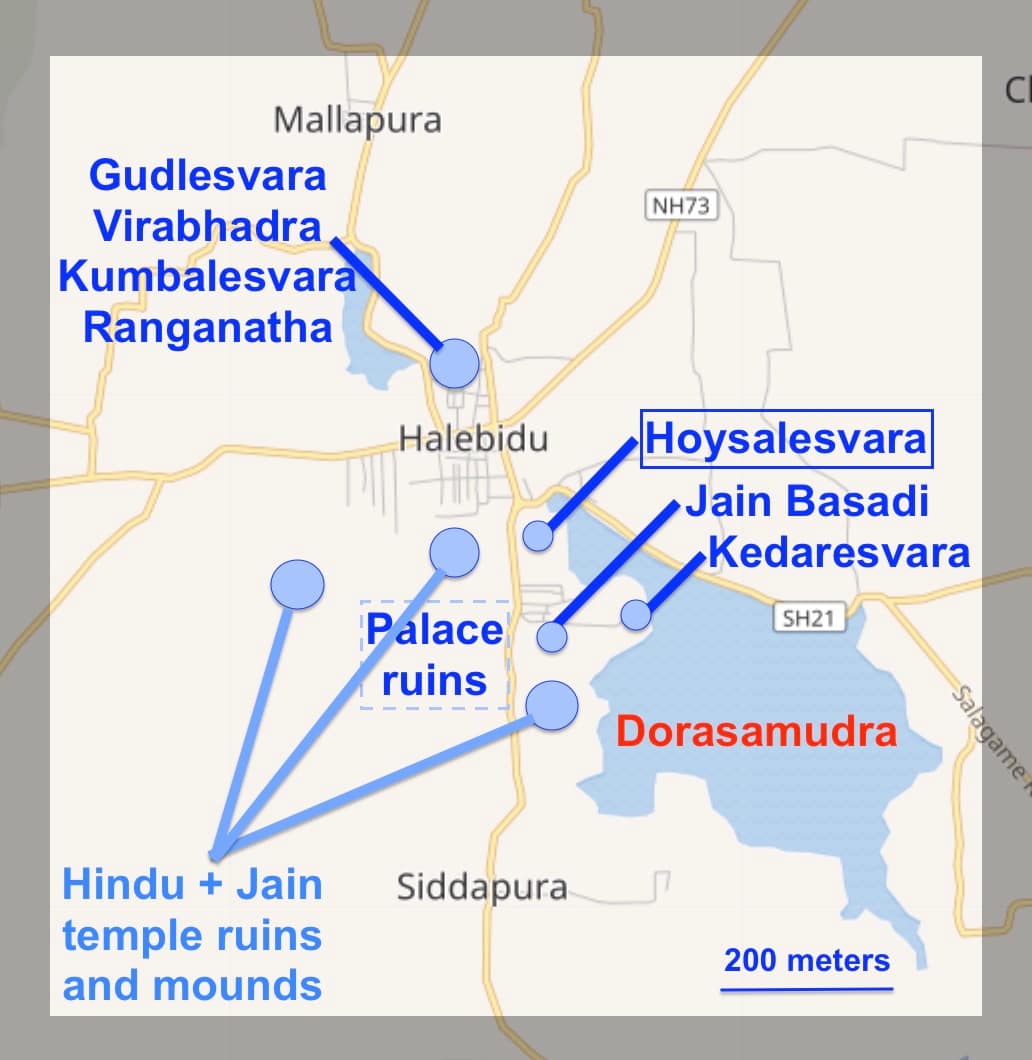
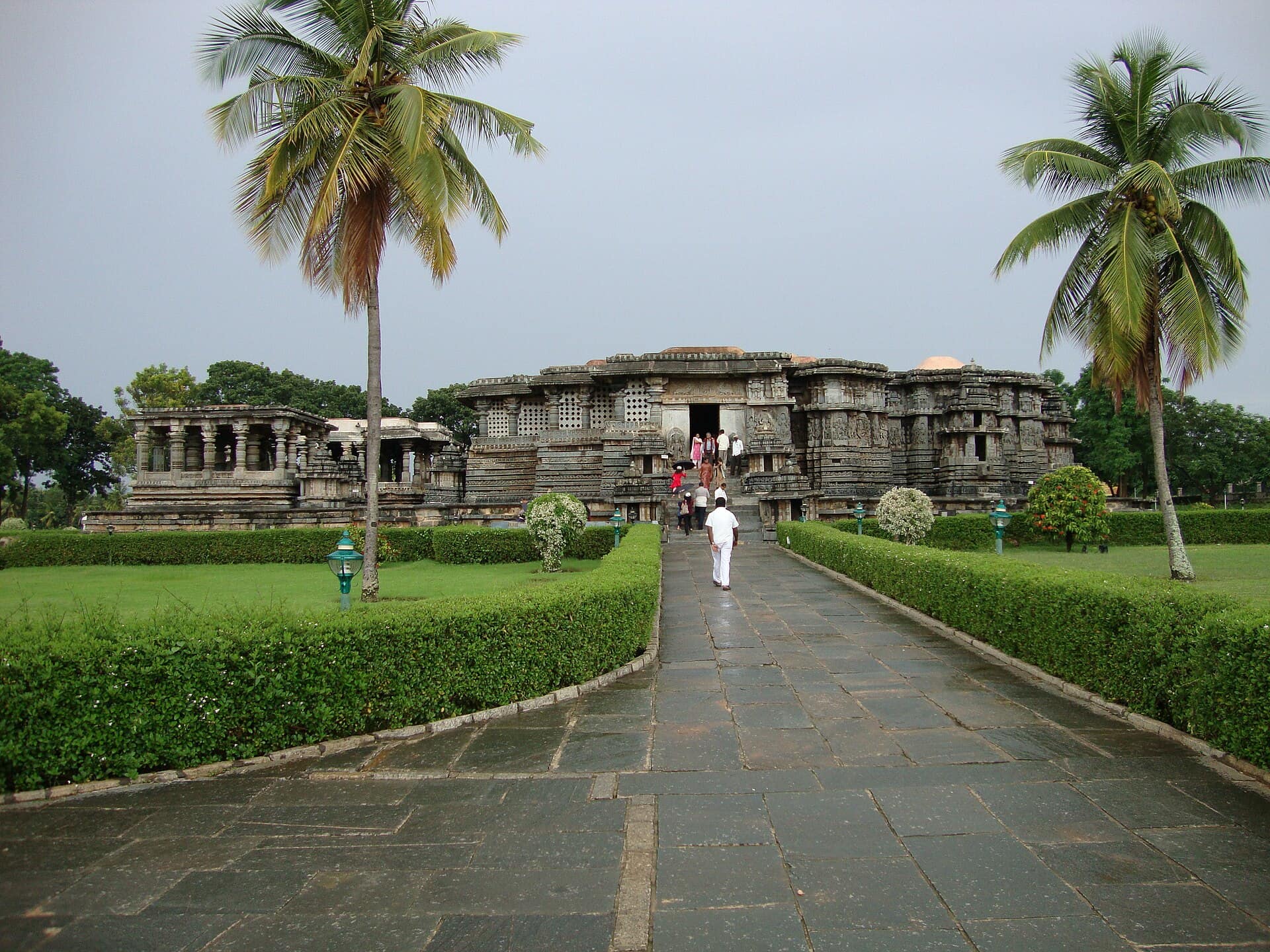
Halebidu is a place to photograph stone. The Hoysaleswara Temple has walls carved from base to top with elephants, lions, dancers, gods and whole stories from the epics, and the detail is fine enough to fill a frame with a single panel. Two large Nandi bulls, a lawn full of old sculpture and a pair of quieter temples nearby give you plenty of variety within a short walk.
Whether you like close-up detail, temple architecture or simple portraits against carved stone, these are the best photo spots in Halebidu.
 Low crowd
Entry Nominal
Halebidu Museum
- Best timeMorning, when the sculpture garden is in soft light and still quiet; late afternoon for warm light on the carved stones.
- ColorsCreamOliveMaroon
 Medium crowd
Entry Free (ASI monument)
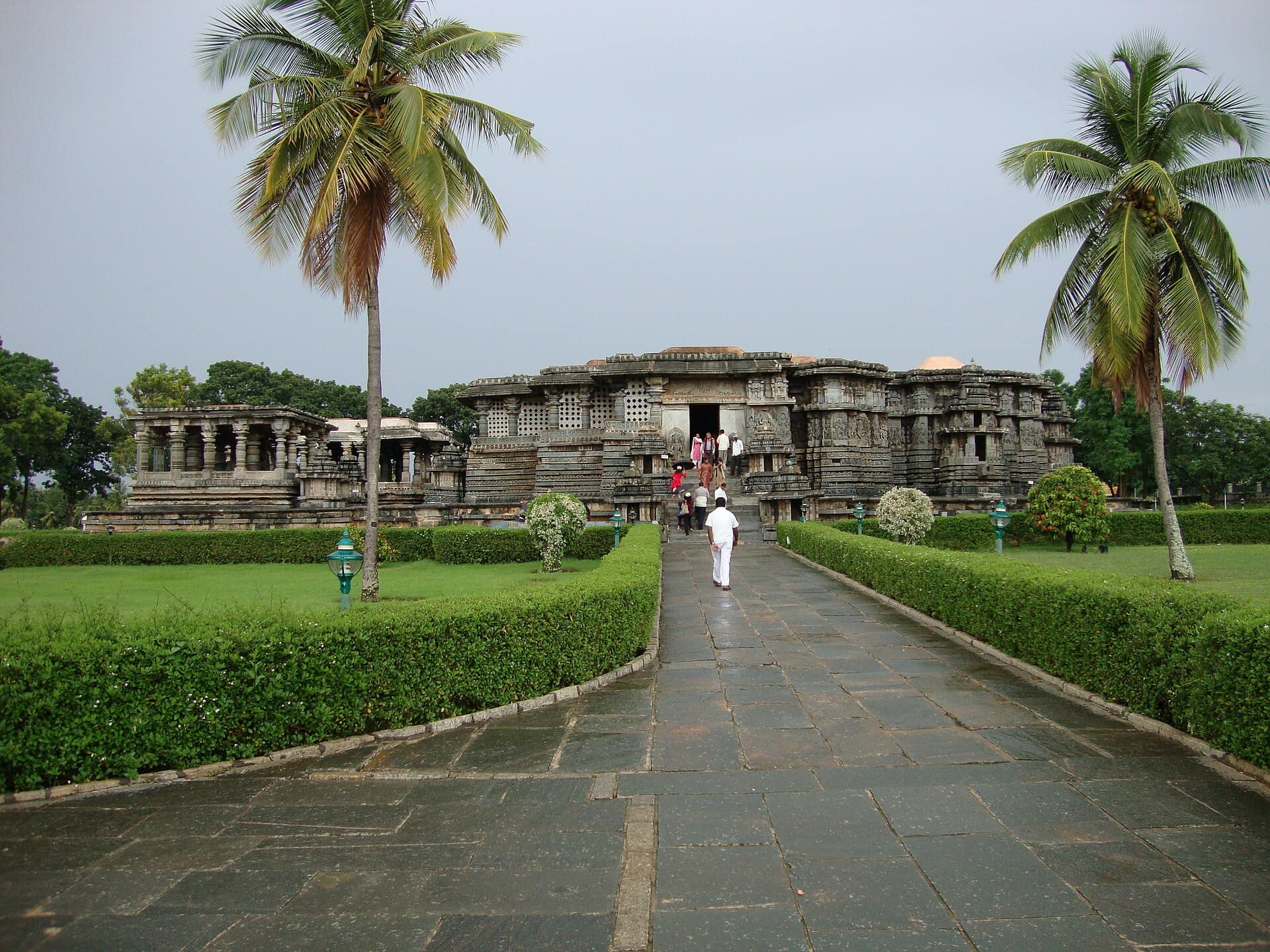
Hoysaleswara Temple
- Best timeEarly morning, when low side light brings out the depth of the carvings and the platform is quiet; late afternoon for warm light on the western walls.
- ColorsCreamMaroonMustard
 Low crowd
Entry Free
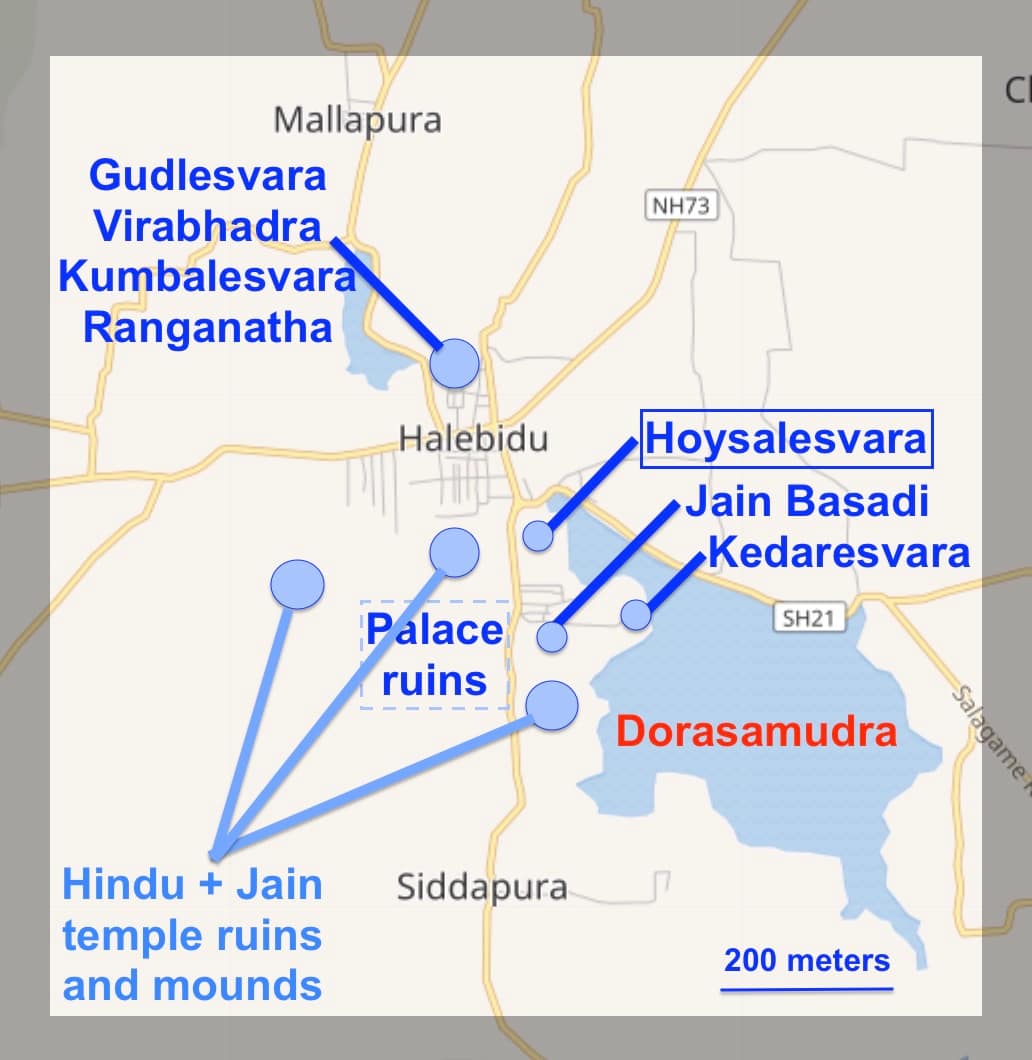
Jain Basadis
- Best timeMid-morning, when daylight from the doorway lights up the polished pillars without harsh glare; late afternoon for a quiet, warm feel outside.
- ColorsWhiteCreamMaroon
 Low crowd
Entry Free
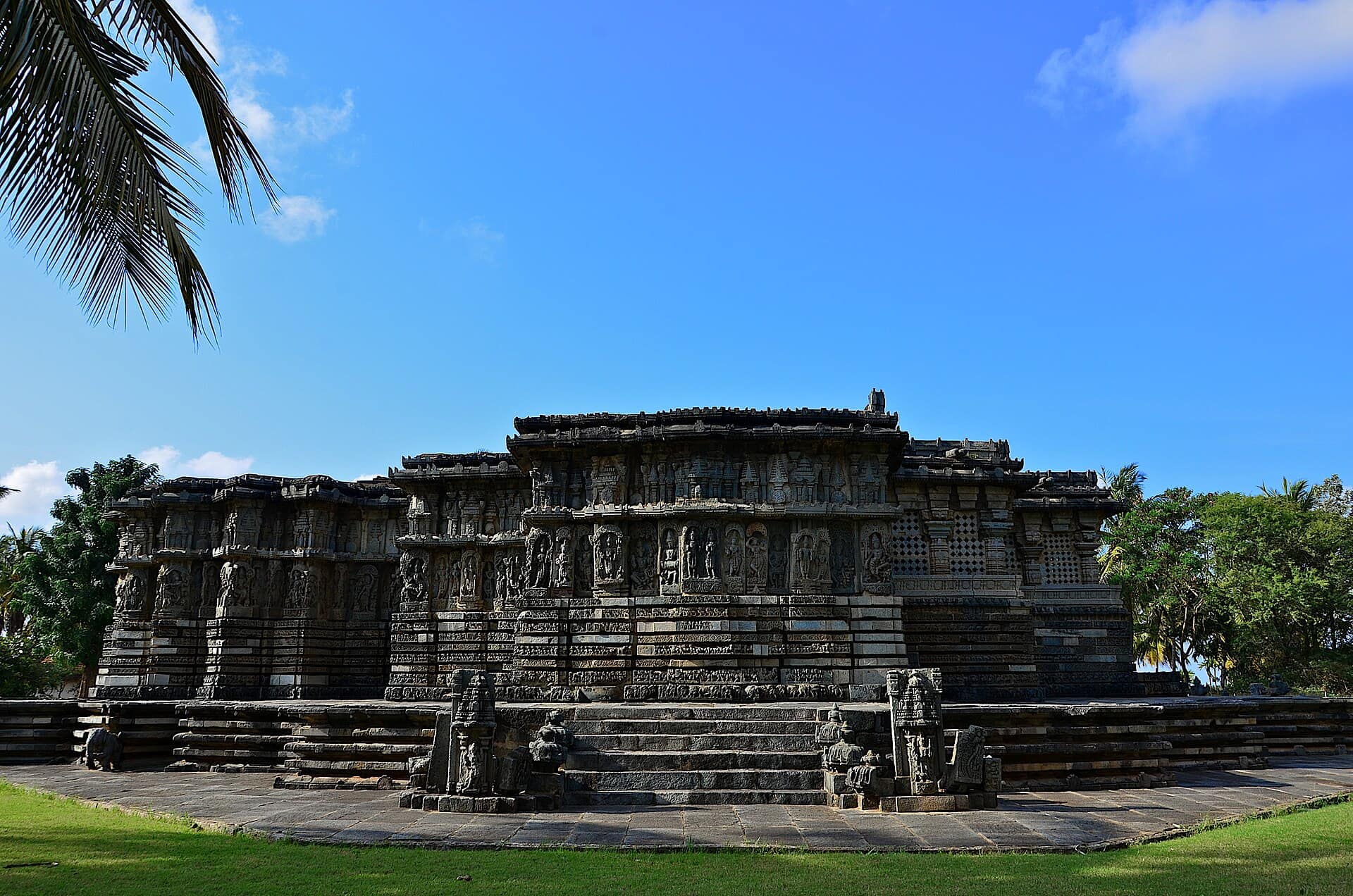
Kedareshwara Temple
- Best timeEarly morning or late afternoon, when side light shows the carving on the star-shaped walls and there is almost no one around.
- ColorsCreamMaroonMustard
 Medium crowd
Entry Free
Monolithic Nandi
- Best timeMorning, when soft light falls into the open pavilion and the bull's carved ornaments show clearly; late afternoon for warm light and fewer people.
- ColorsCreamMaroonMustard
Why Halebidu Is Great for Photography
The Hoysaleswara Temple sits on a raised, star-shaped platform, so its outer walls zig-zag in and out. Each turn catches the light differently, which gives the carvings depth and shadow. You can shoot a wide view of the twin shrines from the lawn, then move in for single friezes of elephants, horsemen or dancing figures.
The rest of Halebidu is quieter. The Kedareshwara Temple and the Jain basadis see far fewer visitors, and the polished black pillars inside the Parshvanatha basadi reflect light like dark mirrors. The open lawns around the museum hold rows of carved stones and old sculpture that make good backdrops for portraits.
Photography Tips for Halebidu
- Go early: Tour groups often arrive late morning, so the temple platform is emptiest soon after opening.
- Follow the light around the temple: The star-shaped walls face many directions, so walk around once and shoot each side when the sun is at an angle to it.
- Get close: The best pictures are often a single carved panel, not the whole temple. A phone's 2x zoom or a short telephoto lens works well.
- Avoid harsh midday sun: Overhead light flattens the carvings and hides the detail in deep shadow.
- Check the rules inside: Photography is usually not allowed inside the museum gallery, and you should not photograph worship at the shrines.
- Leave the tripod behind: Tripods are often refused at ASI monuments without prior permission.
Best Time for Photography in Halebidu
October to February usually gives clear skies, softer sunlight and comfortable temperatures for spending hours on the temple platform. The monsoon months turn the lawns and fields around Halebidu green and bring dramatic clouds, but the stone can be wet and slippery.
Opening hours and photography rules at ASI sites can change, so check at the entrance before you start shooting.
Questions
Halebidu — FAQ
What are the best photo spots in Halebidu?
The best photo spots in Halebidu are the carved outer walls of the Hoysaleswara Temple, its two monolithic Nandi bulls, the sculpture lawn of the museum, the Kedareshwara Temple and the polished pillars of the Jain basadis. All of them are within about a kilometre of each other.
What is the best time of day for photography in Halebidu?
Early morning and late afternoon. Low sun from the side brings out the depth of the carvings, while midday sun flattens them. Mornings are also the quietest time on the temple platform.
Is Halebidu good for Instagram photos?
Yes. The carved walls of the Hoysaleswara Temple make a detailed backdrop for portraits, and the giant Nandi bulls and the mirror-like pillars of the Jain basadis are very recognisable shots.
Can I use a drone in Halebidu?
No, not without official permission. Drones need permission to fly over protected monuments in India, and they are not allowed over the Hoysaleswara Temple for casual photography.
Which is better for photography, Belur or Halebidu?
Both are worth it and they are different. Halebidu has more exterior carving and quiet open grounds, which suits wide shots and portraits. Belur is a busier working temple with famous bracket figures. Many photographers visit Halebidu in the morning and Belur later, or the other way round.