
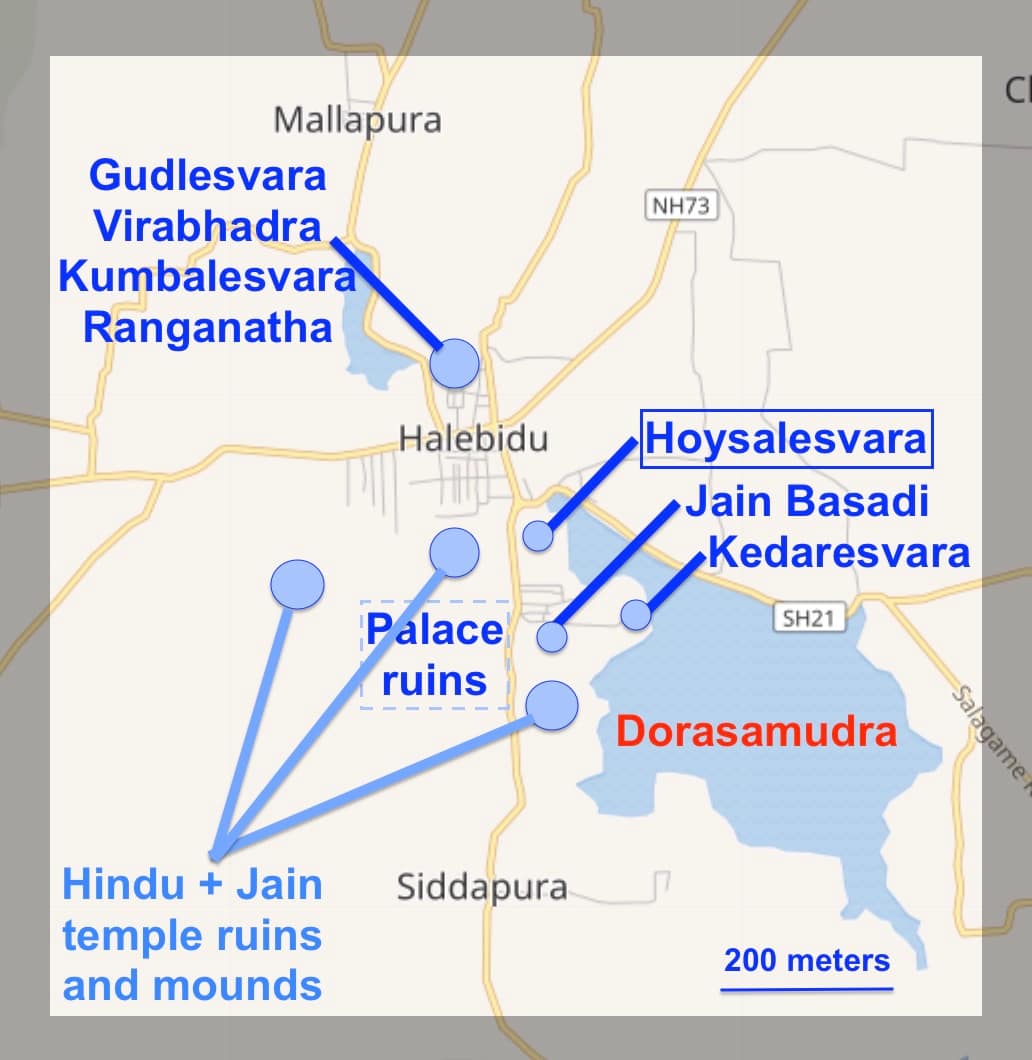
Photo spot in Halebidu
Jain Basadis
Halebidu, Karnataka
A cluster of Hoysala-era Jain temples (basadis) at Halebidu, with polished black-stone pillars and serene Tirthankara images — a quiet contrast to the ornate Shiva temple.
Best time
Mid-morning, when daylight from the doorway lights up the polished pillars without harsh glare; late afternoon for a quiet, warm feel outside.
Best angle
Stand between two polished pillars in the Parshvanatha hall and take a close photo showing the reflections in the stone; ask before photographing near the Tirthankara images.
Entry fee
Free
Opening hours
8:00 AM – 6:00 PM
Crowd level
Low
Best outfit colors
Overview
Best time to visit Jain Basadis
Mid-morning, when daylight from the doorway lights up the polished pillars without harsh glare; late afternoon for a quiet, warm feel outside. Crowds here are typically low. Arrive a little early to claim your angle and catch the softest light before the day tips over.
Poses & angles
Photo tips for Jain Basadis
Stand between two polished pillars in the Parshvanatha hall and take a close photo showing the reflections in the stone; ask before photographing near the Tirthankara images. Work a few of the pose ideas below, shoot wide for context and tight for detail, and give yourself a couple of extra minutes to get the frame right.
Among the polished pillars
By the Tirthankara idol
Outfit guide
What to wear at Jain Basadis
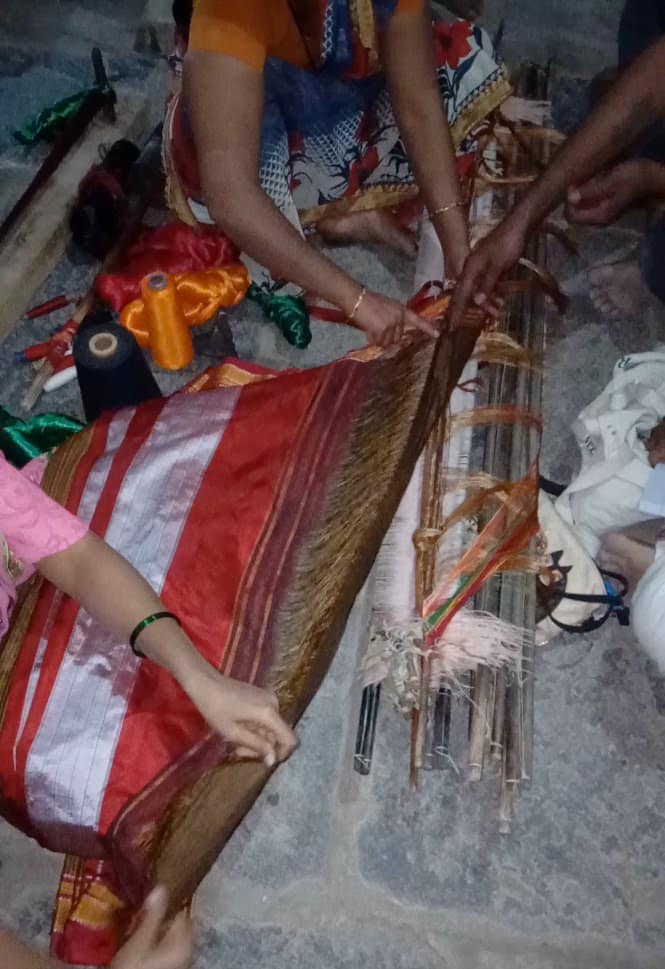
For photos at Jain Basadis, white, cream and maroon work beautifully — they stand out against the setting without fighting it. Pick one hero colour and keep the rest of the look calm so you stay the subject of the frame.
Best outfit colors for photos
Trending wear for this spot
Popular modern looks travellers are wearing across Halebidu.
Traditional wear for this spot
Timeless, cultural looks that suit Jain Basadis.
Eat nearby
Food near Jain Basadis
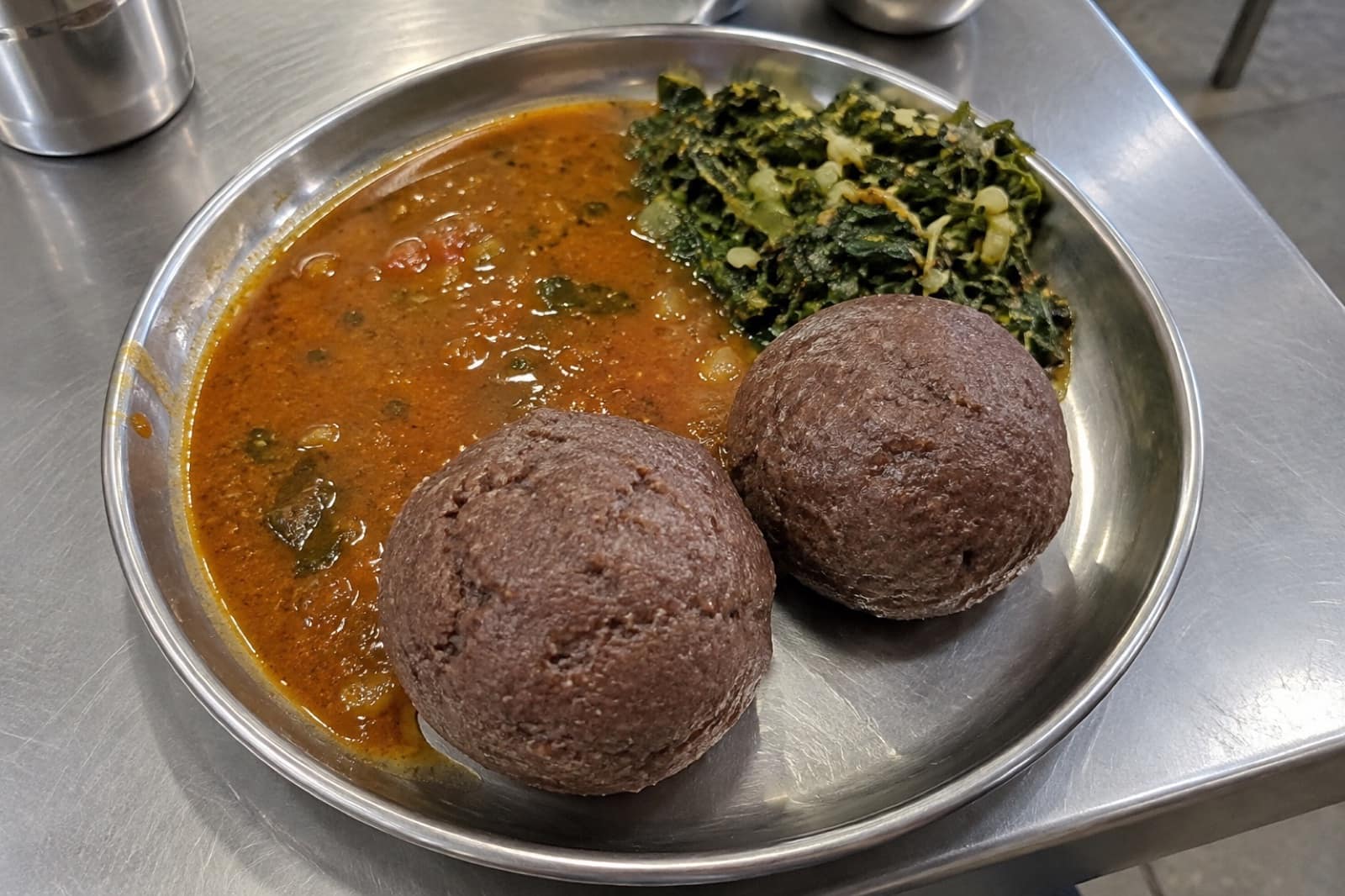
Round out the visit with something to eat. Look for ragi mudde nearby.
Special dishes to try
Search food by craving
Good to know
Local tips
Walk here from the Hoysaleswara Temple, as it is only about half a kilometre away.
Visit the Kedareshwara Temple next door on the same walk.
Look closely at the pillars in the Parshvanatha basadi to see your reflection in the stone.
Remove your shoes before entering the basadis.
Dress modestly and keep your voice low, as these are Jain places of worship.
Do not use flash near the Tirthankara images.
Come in the morning or late afternoon, when it is quiet and cooler.
About the Jain Basadis
The Jain basadis of Halebidu are a group of three temples from the Hoysala period, dedicated to the Tirthankaras Parshvanatha, Shantinatha and Adinatha. They stand in a small walled area known as Basadi Halli, next to the Kedareshwara Temple and about half a kilometre from the Hoysaleswara Temple.
The basadis are much plainer on the outside than the Shiva temples, which makes them feel calm and uncrowded. The highlight is inside the Parshvanatha basadi, where lathe-turned pillars of dark stone are polished so smoothly that they reflect light and faces like a mirror. A large standing image of Parshvanatha stands in the sanctum. The basadis show that the Hoysala kings supported the Jain faith as well as Hinduism.
Questions
Jain Basadis — FAQ
What is the best time to visit Jain Basadis?
Mid-morning, when daylight from the doorway lights up the polished pillars without harsh glare; late afternoon for a quiet, warm feel outside. Stand between two polished pillars in the Parshvanatha hall and take a close photo showing the reflections in the stone; ask before photographing near the Tirthankara images.
Is there an entry fee at Jain Basadis?
Entry to Jain Basadis is free.
What are the opening hours of Jain Basadis?
Jain Basadis is open 8:00 AM – 6:00 PM.
What should I wear at Jain Basadis?
White, cream and maroon photograph especially well here. Explore the trending and traditional outfit ideas on this page for full looks.
How crowded does Jain Basadis get?
Crowd levels are typically low. To miss the busiest window: mid-morning, when daylight from the doorway lights up the polished pillars without harsh glare; late afternoon for a quiet, warm feel outside.
What food should I try near Jain Basadis?
Try ragi mudde at spots close by.
What are the Jain basadis in Halebidu famous for?
They are famous for the polished, lathe-turned black pillars in the Parshvanatha basadi, which shine like mirrors, and for their calm, simple Hoysala-era architecture.
How do I reach the Jain basadis in Halebidu?
They are about half a kilometre from the Hoysaleswara Temple. You can walk there in a few minutes or take an auto-rickshaw. The Kedareshwara Temple stands right beside them.
How much time do I need at the Jain basadis?
Around 30 minutes is enough to see all three basadis. Add another half hour if you also visit the Kedareshwara Temple next door.
Which Tirthankaras are the Halebidu basadis dedicated to?
The three basadis are dedicated to Parshvanatha, Shantinatha and Adinatha.