
 Medium spice
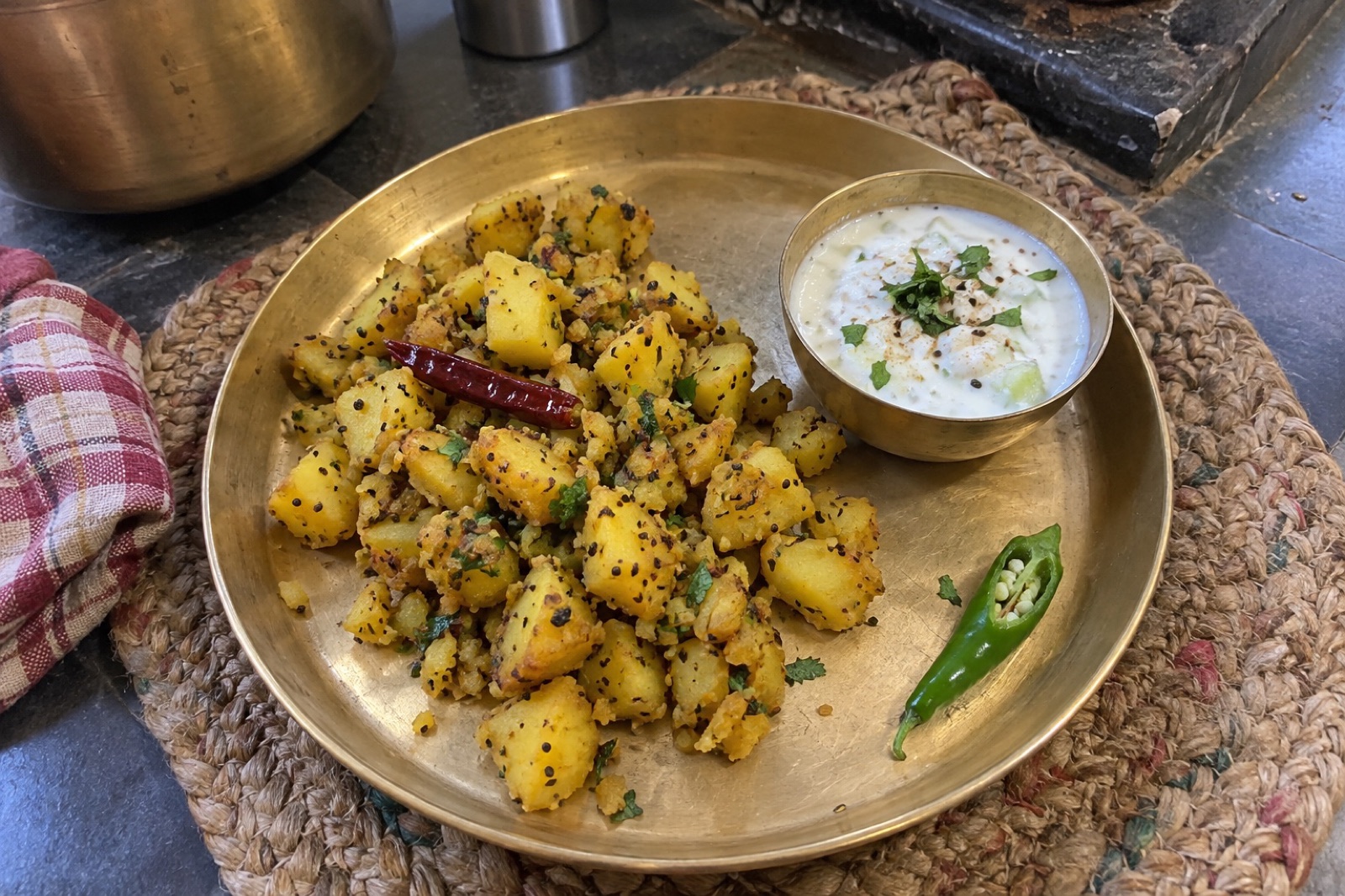
Aloo ke Gutke
VegBoiled potatoes tossed in mustard oil with red chilli, cumin and jakhya seeds — the everyday Kumaoni potato snack.
₹80–200
Best around: Ramnagar and Dhikuli, Ramnagar
Eat in Jim Corbett
Search Jim Corbett dishes by craving — aloo ke gutke, bal mithai, bhatt ki churkani and more.
Most meals in Corbett are eaten at your resort, between an early safari and a late one. It is worth asking for the Kumaoni dishes, which many kitchens make but do not always push.
Popular cravings
Diet
Best for
5 Jim Corbett dishes found
Medium spiceBoiled potatoes tossed in mustard oil with red chilli, cumin and jakhya seeds — the everyday Kumaoni potato snack.
₹80–200
Best around: Ramnagar and Dhikuli, Ramnagar
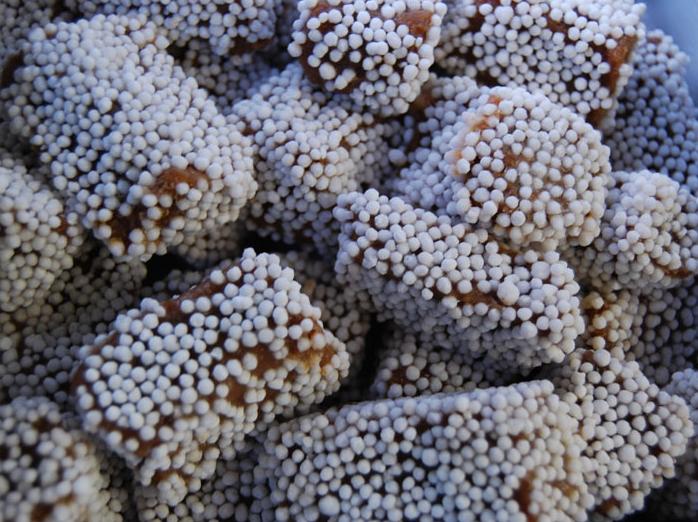
A dark chocolate-brown roasted-khoya fudge coated in tiny white sugar balls — the famous Kumaoni sweet, sold across the region.
₹300–600/kg
Best around: Dhikuli, Ramnagar
 Mild
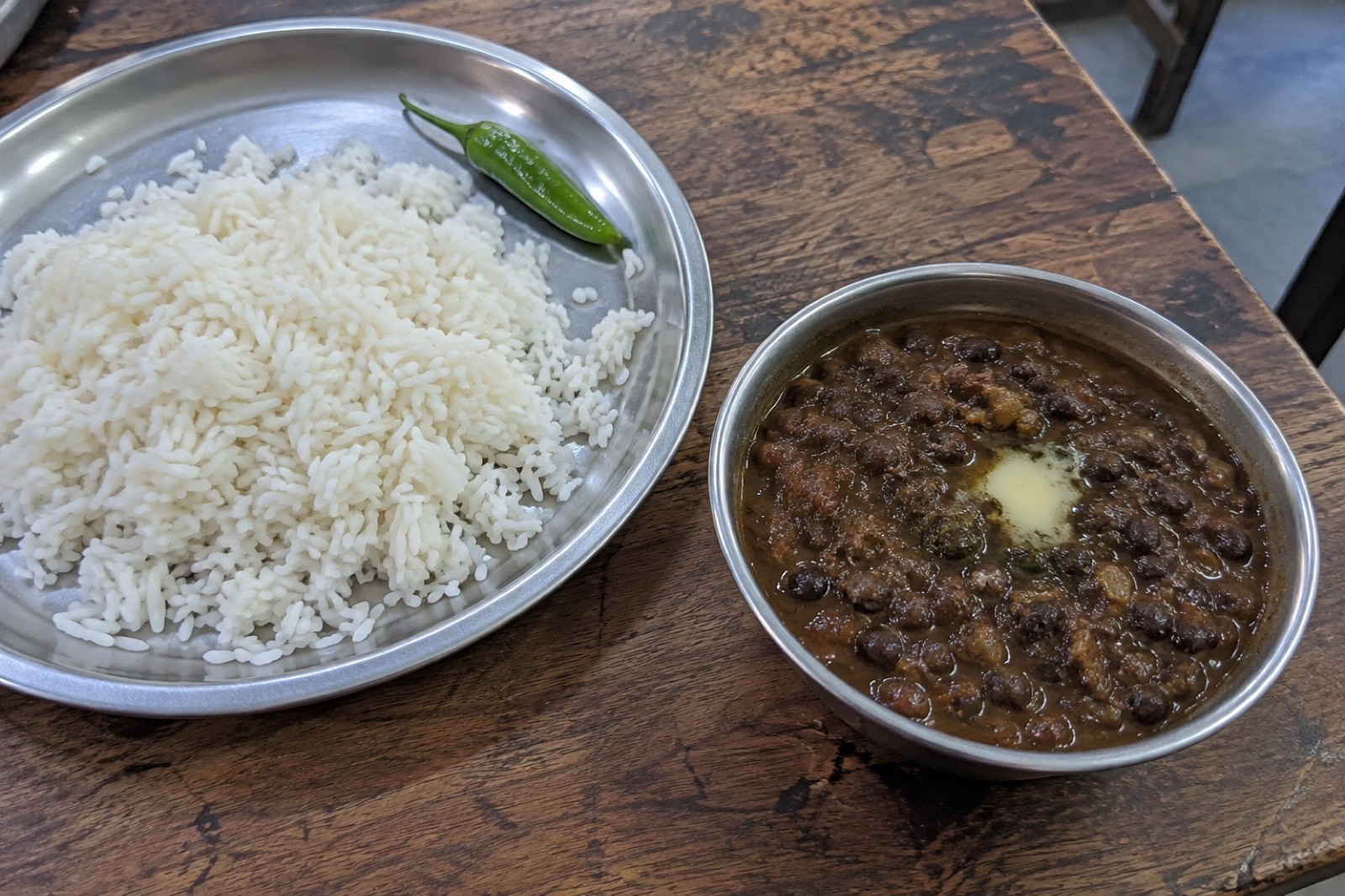
A thick, dark curry of black soybeans tempered with local spices — a protein-rich Kumaoni staple eaten with rice.
₹100–250
Best around: Garjia, Ramnagar
 Mild
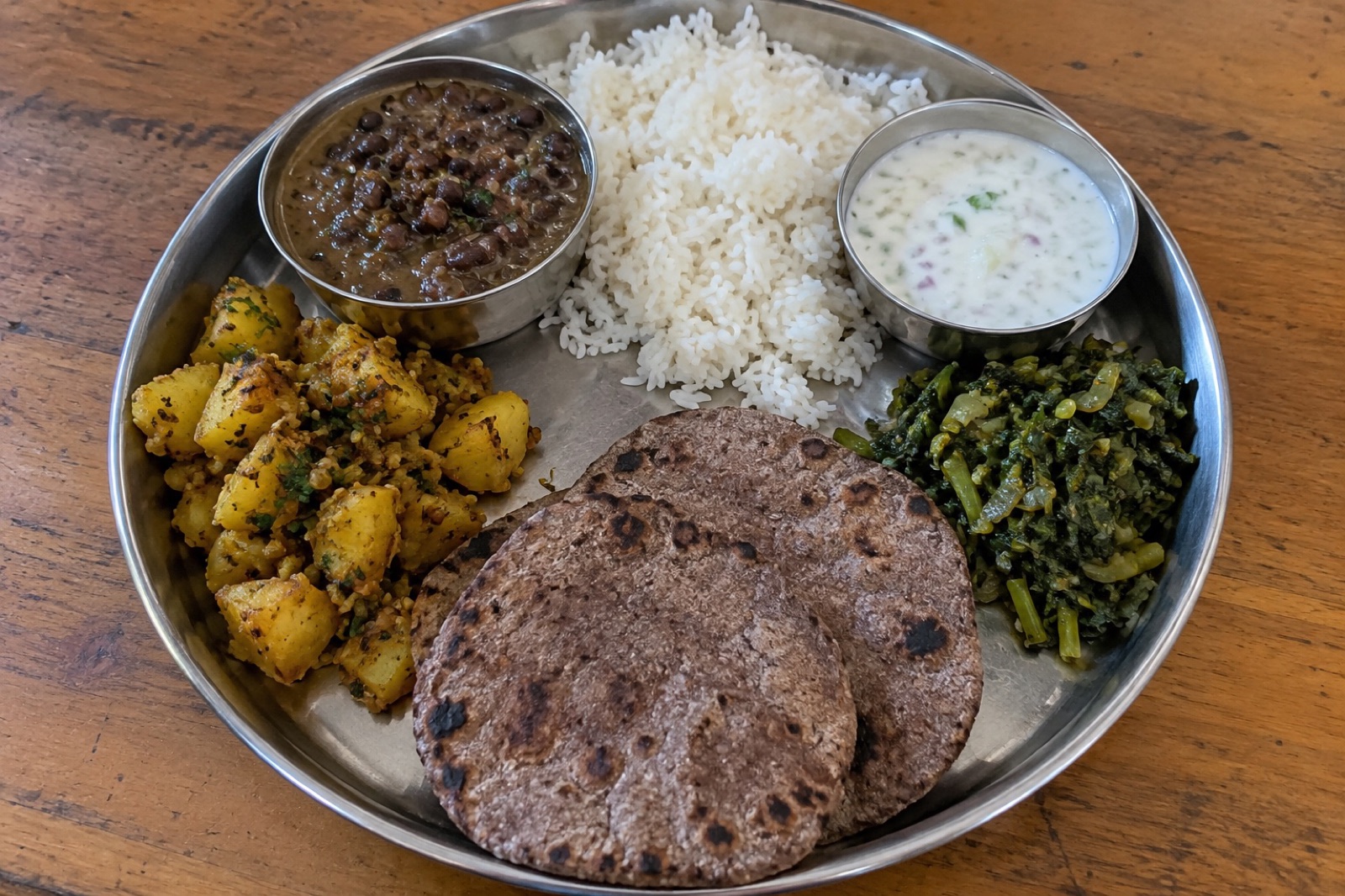
A hill thali of bhatt, aloo ke gutke, madua roti, rice and local vegetables — the everyday Kumaoni-terai meal served at Corbett lodges.
₹200–450
Best around: Dhikuli, Ramnagar and Ramnagar
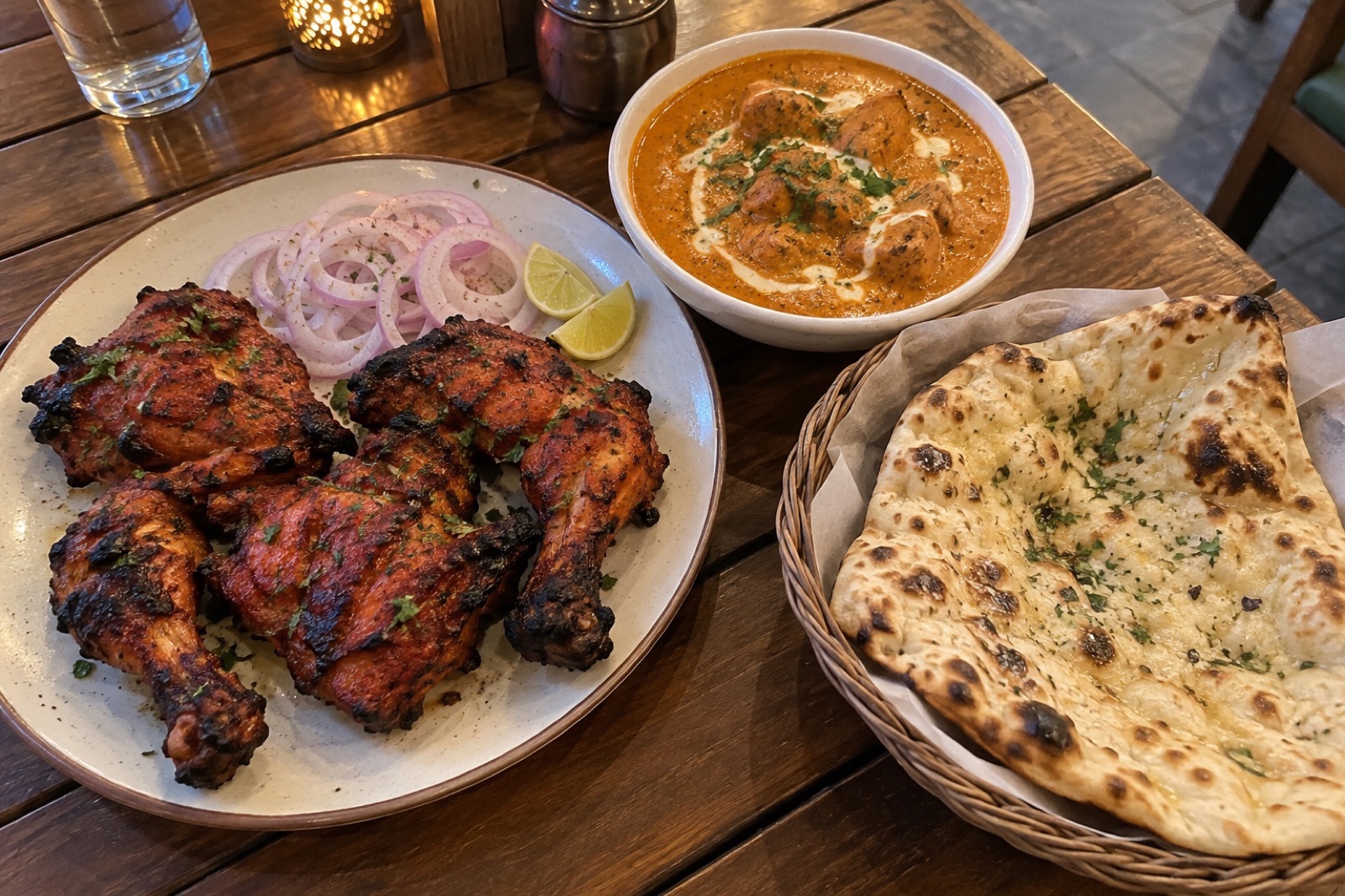 Medium spice
Charcoal-grilled tandoori chicken and creamy butter chicken — the crowd-pleasing dinner at Corbett's resort restaurants after a day's safari.
₹300–600
Best around: Dhikuli, Ramnagar and Garjia, Ramnagar
Ramnagar sits where the Kumaon hills meet the terai, and its home cooking is Kumaoni. The Kumaoni thali brings together bhatt ki churkani, aloo ke gutke, rice, rotis and seasonal greens. It is plain, filling food, cooked in mustard oil and built on pulses and local grains. Ask whether the rotis are made with madua, the finger millet grown in the hills; some kitchens have it, some do not.
Bhatt ki churkani is a dark, thick curry of black soybeans, roasted and ground, then cooked slowly. It is earthy and mild, and goes with plain rice. Aloo ke gutke are boiled potatoes fried with red chilli, cumin and jakhya, a tiny crunchy seed used across Kumaon. They turn up at breakfast with puris, as a side at lunch, and as a snack with tea. Bal mithai is the regional sweet: a brown fudge of roasted khoya rolled in small white sugar balls. It comes from Almora in the hills, and shops in Ramnagar sell it by weight. It keeps well enough to take home.
After an afternoon safari most people eat at their resort, and the menu leans to North Indian. Tandoori chicken and butter chicken are the standard dinner at the Kosi river resorts on the Dhikuli stretch. Many places light a bonfire on winter evenings and serve starters around it.
The forest rest houses at Dhikala and elsewhere inside the reserve have simple canteens that serve vegetarian food only. Alcohol and non-vegetarian food are not allowed inside. On a morning safari there is usually a short stop where you can buy tea and snacks, but carry water and something to eat, as the gap between breakfast and lunch is long.
Safari timings shift your meals. Breakfast often comes after the morning safari, around 10 am, and lunch runs late. Ask your hotel for a packed breakfast if you leave before dawn.
Questions
No. The canteens at the forest rest houses inside the reserve serve vegetarian food, and alcohol and meat are not allowed. Resorts outside the park serve both.
It is a fudge of roasted khoya coated in small sugar balls, first made in Almora. Sweet shops in Ramnagar sell it by weight, and it travels well.
Have tea and a biscuit, and ask your hotel for a packed breakfast. Most morning safaris run about three to four hours, and proper breakfast comes after.