
Photo spot in Kolhapur
Mahalaxmi (Ambabai) Temple
Kolhapur, Maharashtra
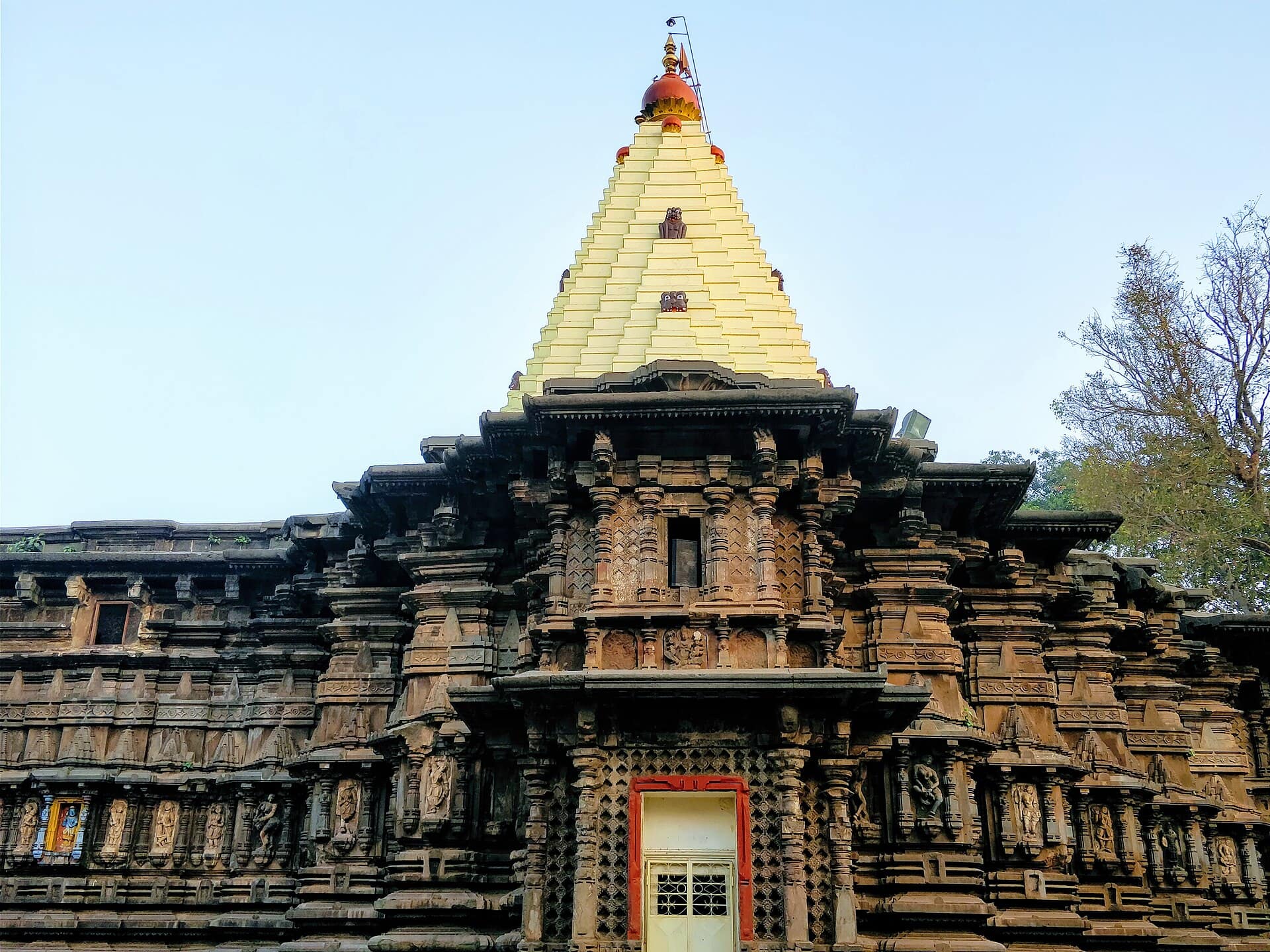
A 7th-century Shakti Peetha to goddess Mahalaxmi, richly carved in black stone, where sunlight illuminates the deity on special days (Kirnotsav).
Best time
Early morning, when the street outside is quiet and the black stone is in soft light; late afternoon for warm light on the towers.
Best angle
Stand on Mahadwar Road outside the main gate and take a photo up at the carved gateway with the temple towers rising behind it.
Entry fee
Free
Opening hours
5:00 AM – 10:30 PM
Crowd level
High
Best outfit colors
Overview
Best time to visit Mahalaxmi (Ambabai) Temple
Early morning, when the street outside is quiet and the black stone is in soft light; late afternoon for warm light on the towers. Crowds here are typically high. Arrive a little early to claim your angle and catch the softest light before the day tips over.
Poses & angles
Photo tips for Mahalaxmi (Ambabai) Temple
Stand on Mahadwar Road outside the main gate and take a photo up at the carved gateway with the temple towers rising behind it. Work a few of the pose ideas below, shoot wide for context and tight for detail, and give yourself a couple of extra minutes to get the frame right.
At the temple entrance
In the stone-carved corridors
Outfit guide
What to wear at Mahalaxmi (Ambabai) Temple
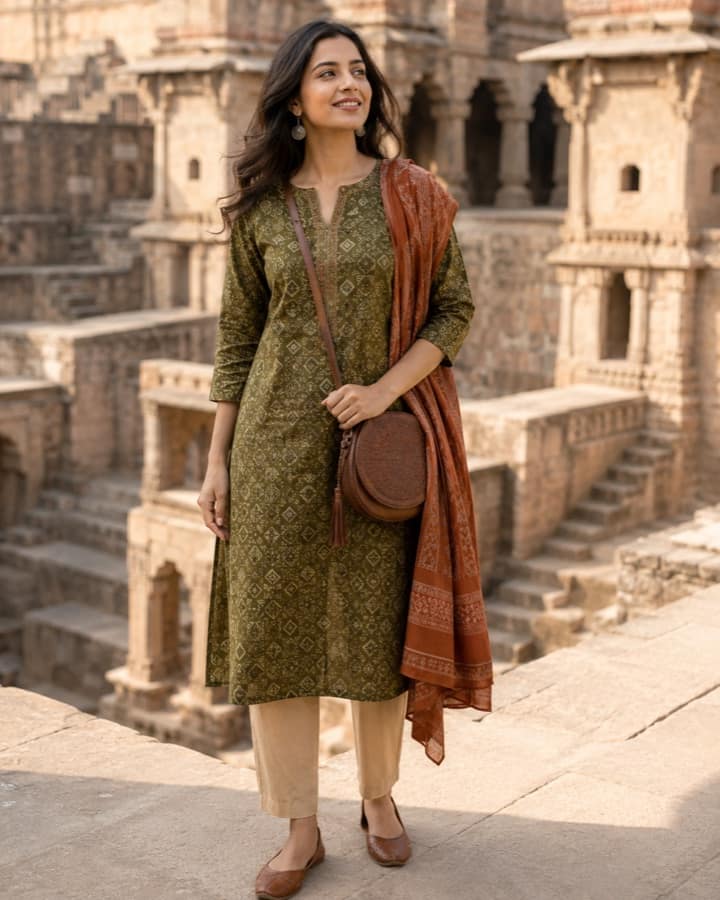
For photos at Mahalaxmi (Ambabai) Temple, red, saffron and green work beautifully — they stand out against the setting without fighting it. Pick one hero colour and keep the rest of the look calm so you stay the subject of the frame.
Best outfit colors for photos
Trending wear for this spot
Popular modern looks travellers are wearing across Kolhapur.
Traditional wear for this spot
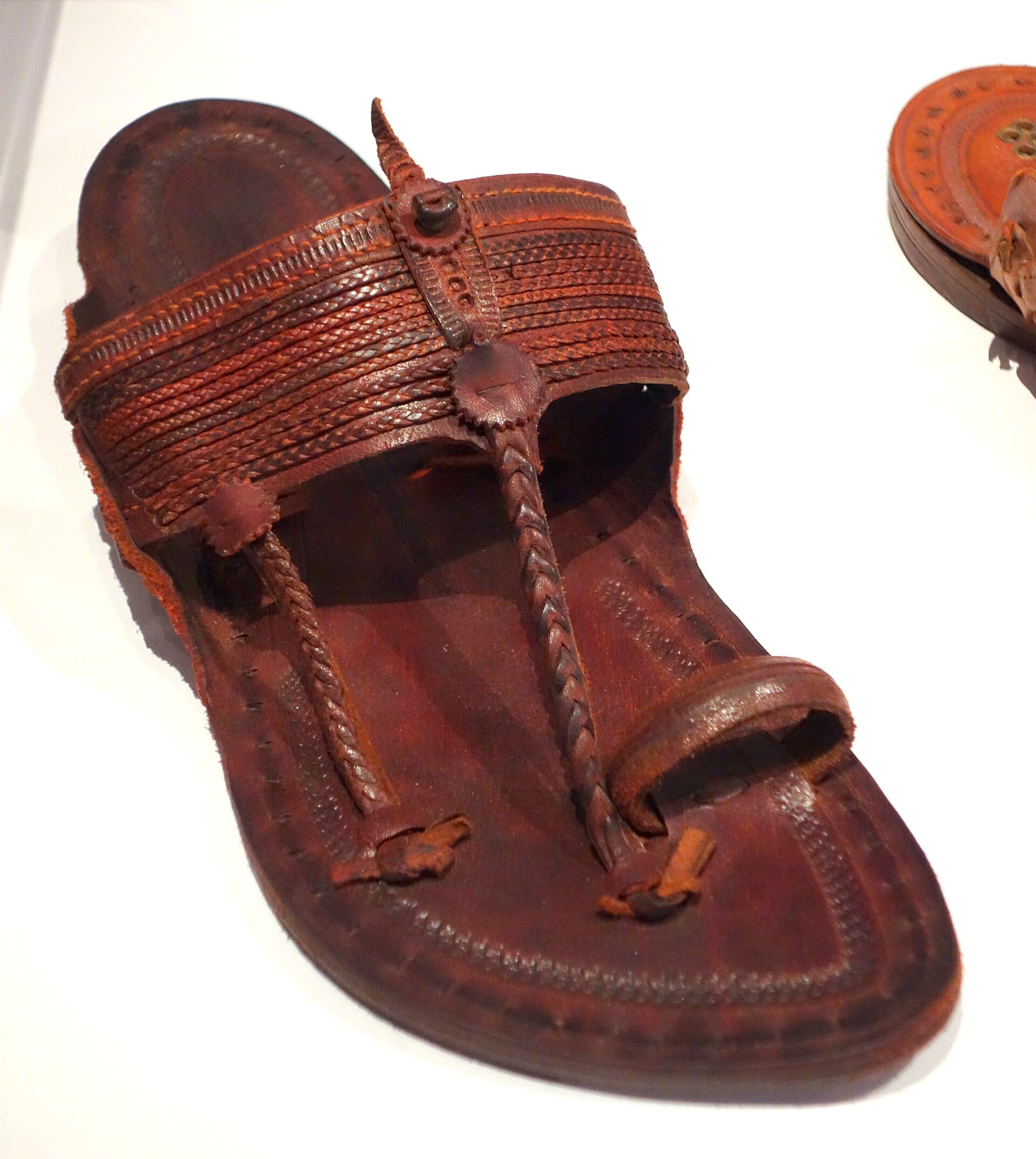
Timeless, cultural looks that suit Mahalaxmi (Ambabai) Temple.
Eat nearby
Food near Mahalaxmi (Ambabai) Temple
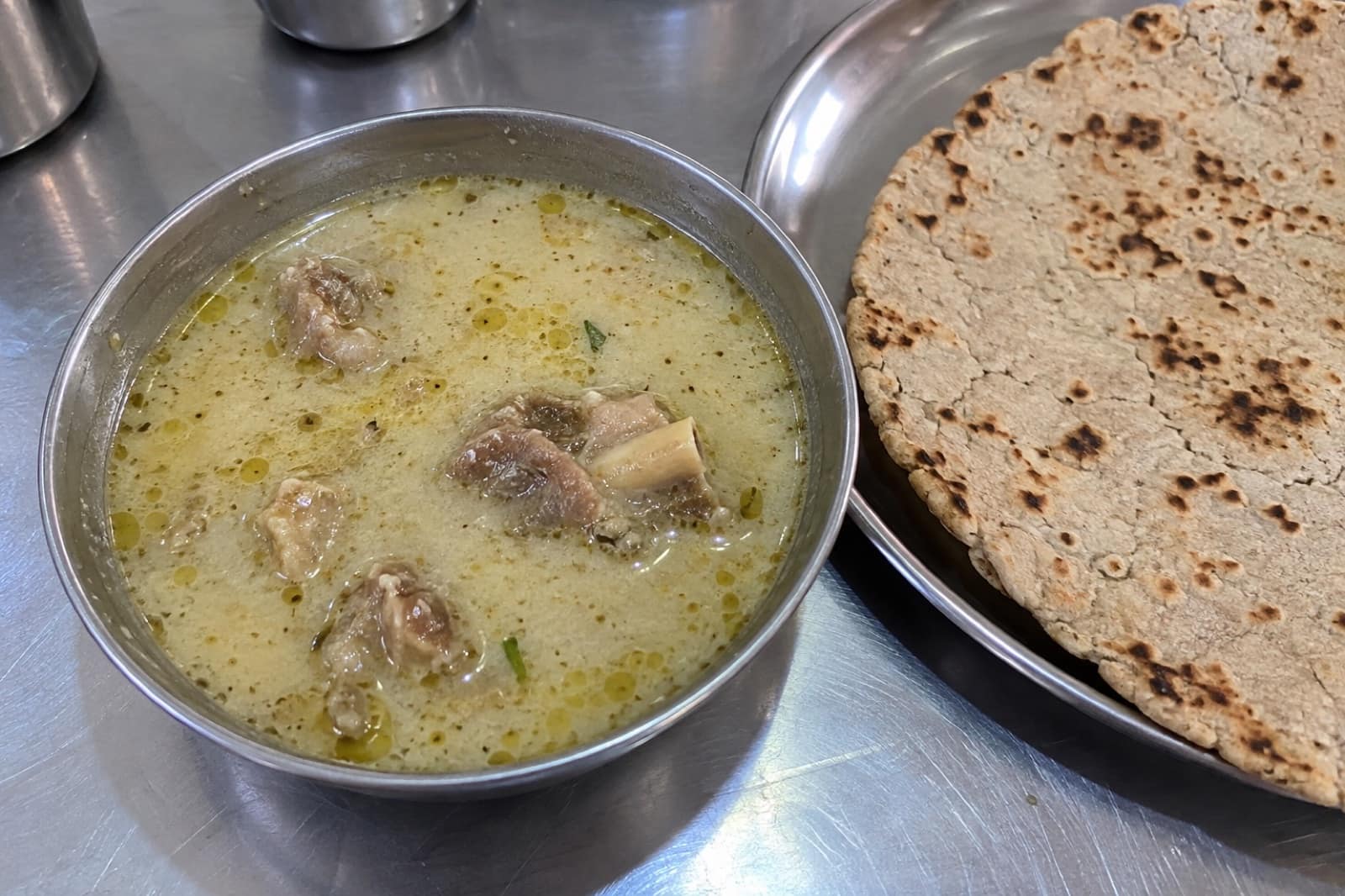
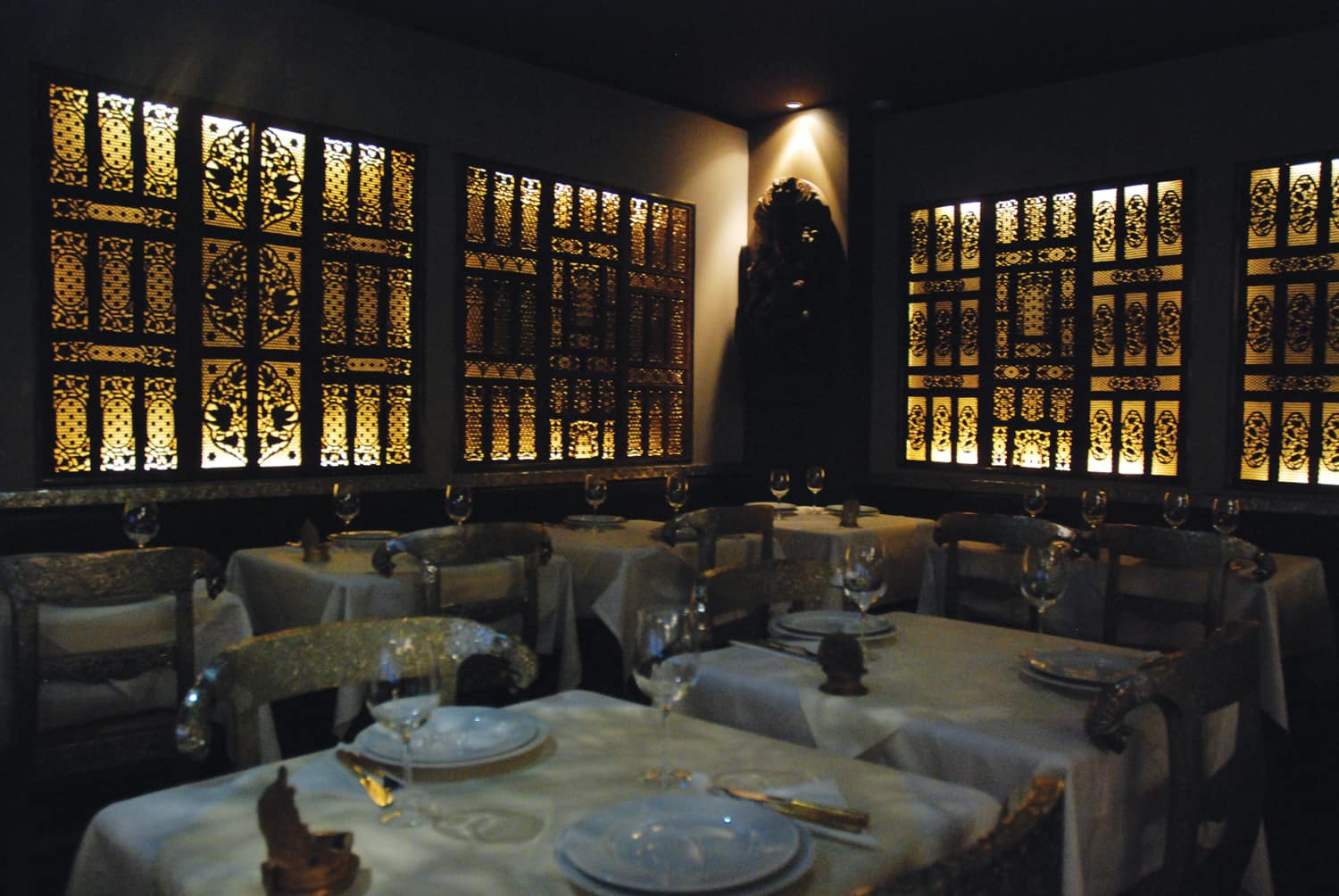
Round out the visit with something to eat. Look for pandhra rassa and tambda rassa nearby, or settle in at one of the 1 restaurants close by.
Special dishes to try
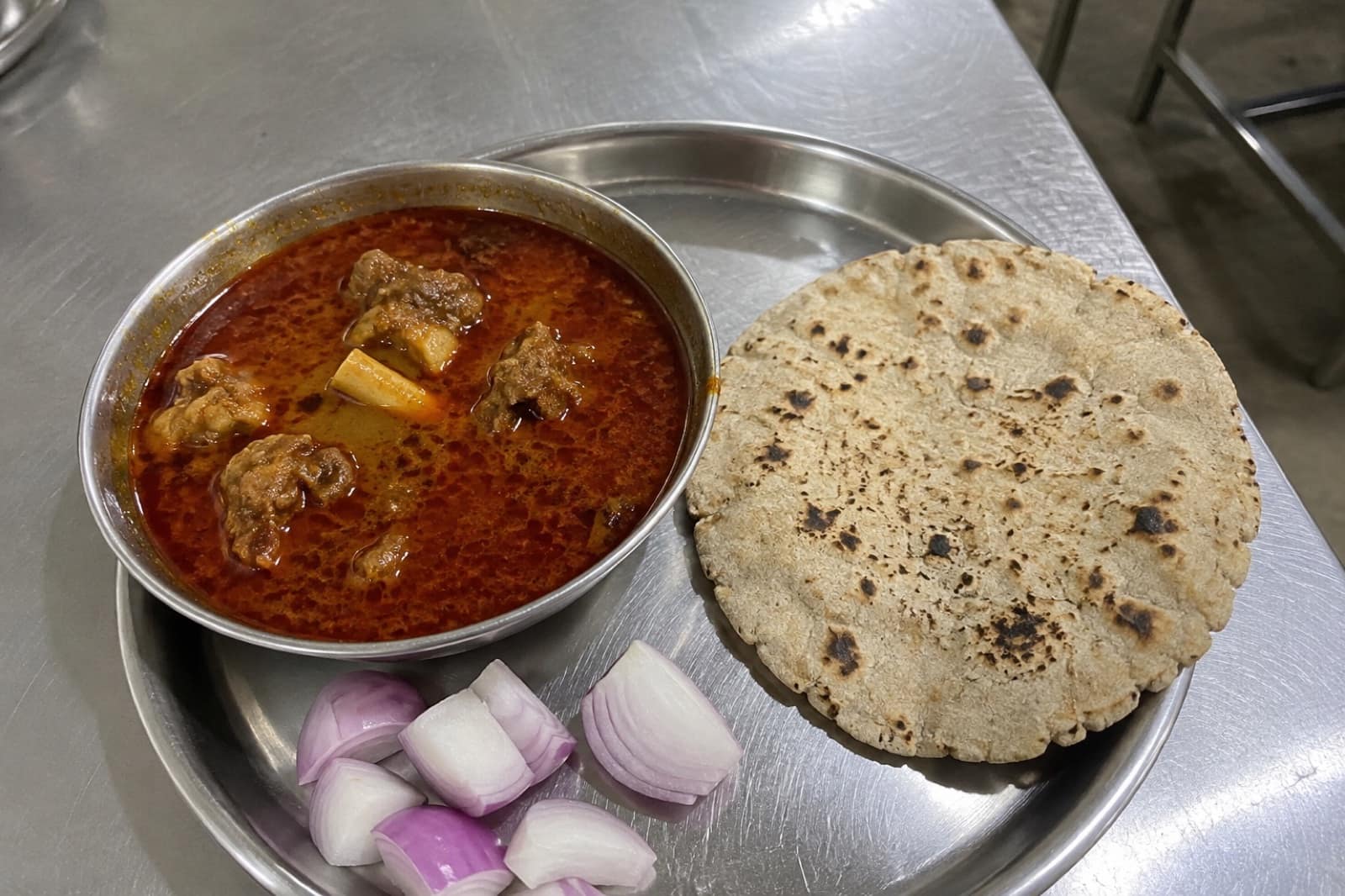
Restaurants & food places nearby
Search food by craving
Good to know
Local tips
Go early on a weekday morning, because Fridays, weekends and holidays bring the longest queues.
Leave cameras in your bag inside the temple, as photography is not allowed and staff will stop you.
Wear trousers or a long skirt with covered shoulders so you are not turned back at the dress-code check.
Leave shoes at a proper stand outside and remember its number, as several gates look alike.
Buy flowers and offerings from the stalls on Mahadwar Road rather than from people who approach you in the queue.
Arrive at least an hour before sunset if you want to see Kirnotsav, because the halls fill quickly.
Walk on to Rankala Lake afterwards for sunset and street snacks along the promenade.
Ambabai of Kolhapur
The Mahalaxmi temple is the heart of old Kolhapur, and most people in the city simply call the goddess Ambabai. It is one of the most important goddess temples in India and is counted among the Shakti Peethas. The earliest parts are usually dated to the 7th century, under the Chalukyas, and the temple grew over the following centuries.
What you see
The outer walls are black basalt, carved in layers with figures, pillars and small shrines. Inside, the halls lead to the sanctum, where the goddess stands about three feet tall in black stone, crowned with a five-headed snake, with a stone lion behind her. Smaller shrines fill the courtyard around the main temple.
Rules
The temple has a dress code: no shorts, short skirts, sleeveless tops or cropped T-shirts. Photography is not allowed inside, and photos of the goddess are strictly forbidden. Shoes go at the stands outside. The temple is managed by the Paschim Maharashtra Devasthan Management Committee, and notices at the gates carry the current rules.
Kirnotsav
Twice a year, over about three days around 31 January to 2 February and 9 to 11 November, the setting sun shines through the main entrance and reaches the goddess. It is the most famous moment in the temple year after Navratri, and the halls are packed at sunset.
Around the temple
Mahadwar Road, leading to the main gate, is lined with shops selling flowers, bangles, saris and Kolhapuri chappals. Bhavani Mandap, the old palace courtyard with a Tulja Bhavani shrine, is next door, and Rankala Lake is a short walk west.
Questions
Mahalaxmi (Ambabai) Temple — FAQ
What is the best time to visit Mahalaxmi (Ambabai) Temple?
Early morning, when the street outside is quiet and the black stone is in soft light; late afternoon for warm light on the towers. Stand on Mahadwar Road outside the main gate and take a photo up at the carved gateway with the temple towers rising behind it.
Is there an entry fee at Mahalaxmi (Ambabai) Temple?
Entry to Mahalaxmi (Ambabai) Temple is free.
What are the opening hours of Mahalaxmi (Ambabai) Temple?
Mahalaxmi (Ambabai) Temple is open 5:00 AM – 10:30 PM.
What should I wear at Mahalaxmi (Ambabai) Temple?
Red, saffron and green photograph especially well here. Explore the trending and traditional outfit ideas on this page for full looks.
How crowded does Mahalaxmi (Ambabai) Temple get?
Crowd levels are typically high. To miss the busiest window: early morning, when the street outside is quiet and the black stone is in soft light; late afternoon for warm light on the towers.
What food should I try near Mahalaxmi (Ambabai) Temple?
Try pandhra rassa and tambda rassa, available at nearby restaurants.
Is the Kolhapur Mahalaxmi temple a Shakti Peetha?
Yes. It is counted among the Shakti Peethas, the great shrines of the goddess, and is one of the most important in Maharashtra.
Can I take my phone inside?
Phones are generally allowed, but photography is not allowed inside the temple and photos of the goddess are strictly forbidden. Keep the phone in your pocket.
What is Kirnotsav?
It is the festival of rays. Over about three days twice a year, around 31 January to 2 February and 9 to 11 November, the setting sun reaches the goddess through the main entrance.
Why is the goddess called Ambabai?
Ambabai, meaning mother, is the local name for Mahalaxmi in Kolhapur. People use both names for the same goddess and the same temple.