
Maharashtra · India
Kolhapur
A proud old Maratha city of the powerful Mahalaxmi temple, royal palaces and forts — and the fiery red 'tambda' and white 'pandhra' rassa that bear its name.
Kolhapur is Ambabai devotion, wrestling akhadas, the handcrafted Kolhapuri chappal and saaj jewellery, and famously fiery mutton rassa cuisine.
Plan your trip
Kolhapur Tour Itineraries
Timed, walkable day plans — plus the best season to go.
Where to shoot
Kolhapur Photo Spots
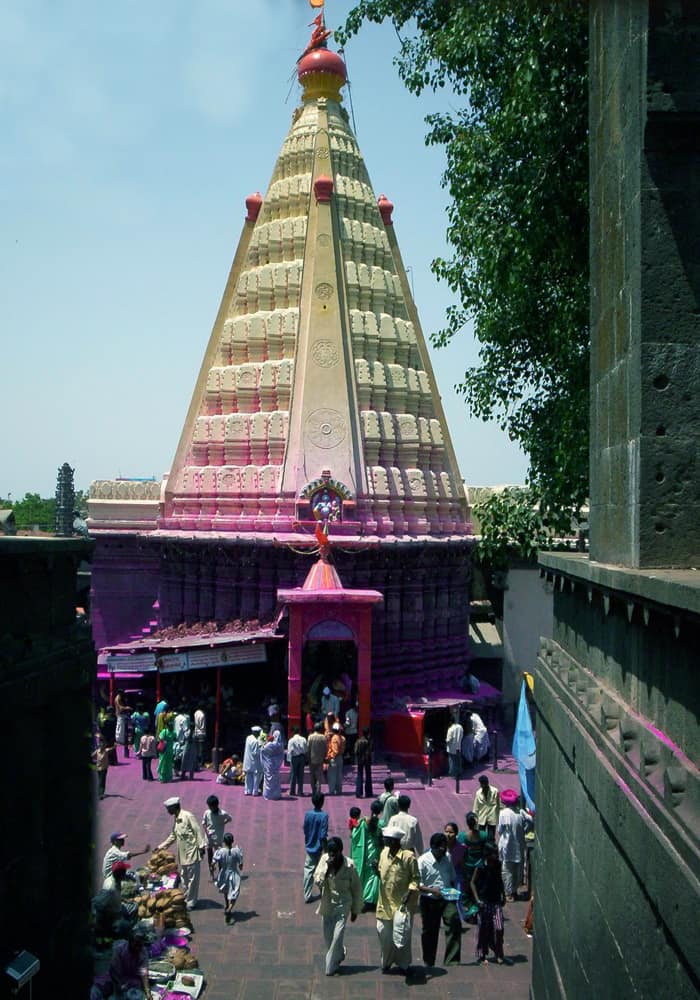 High crowd
Entry Free
Jyotiba Temple
- Best timeMorning on a weekday, when the light is soft and the courtyard is calmer; late afternoon for warm light over the hills.
- ColorsPinkSaffronWhite
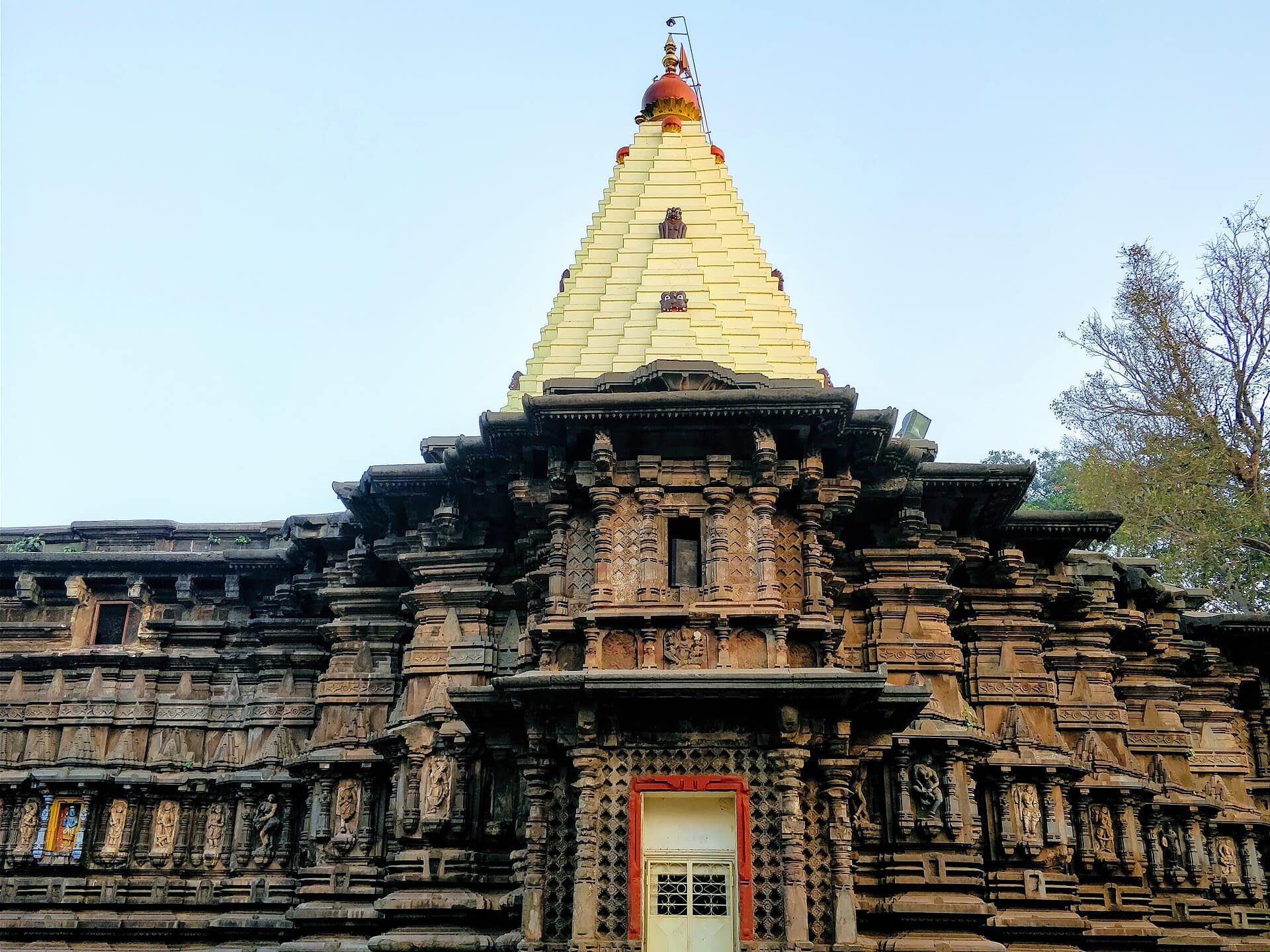
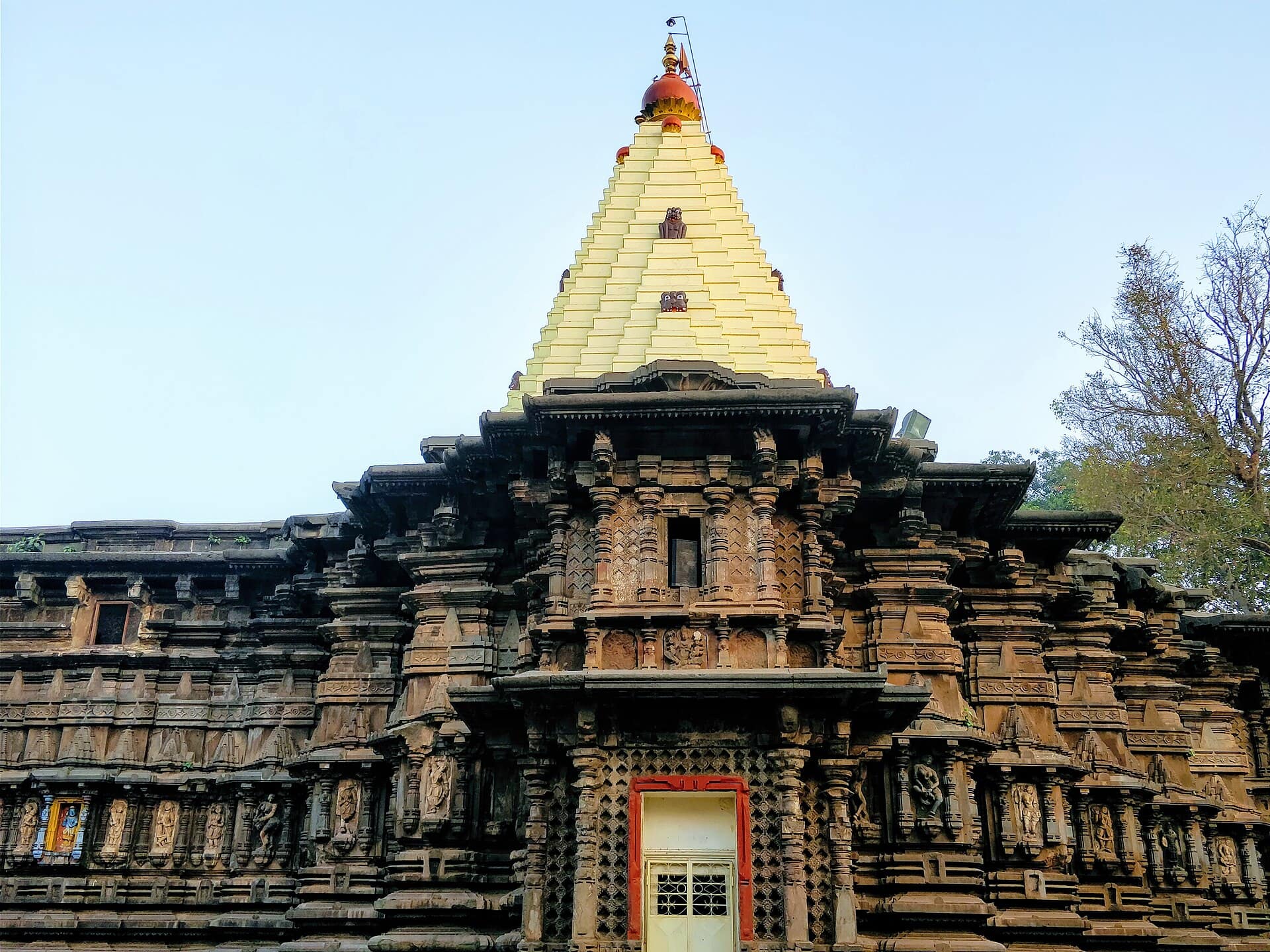 High crowd
Entry Free
Mahalaxmi (Ambabai) Temple
- Best timeEarly morning, when the street outside is quiet and the black stone is in soft light; late afternoon for warm light on the towers.
- ColorsRedSaffronGreen
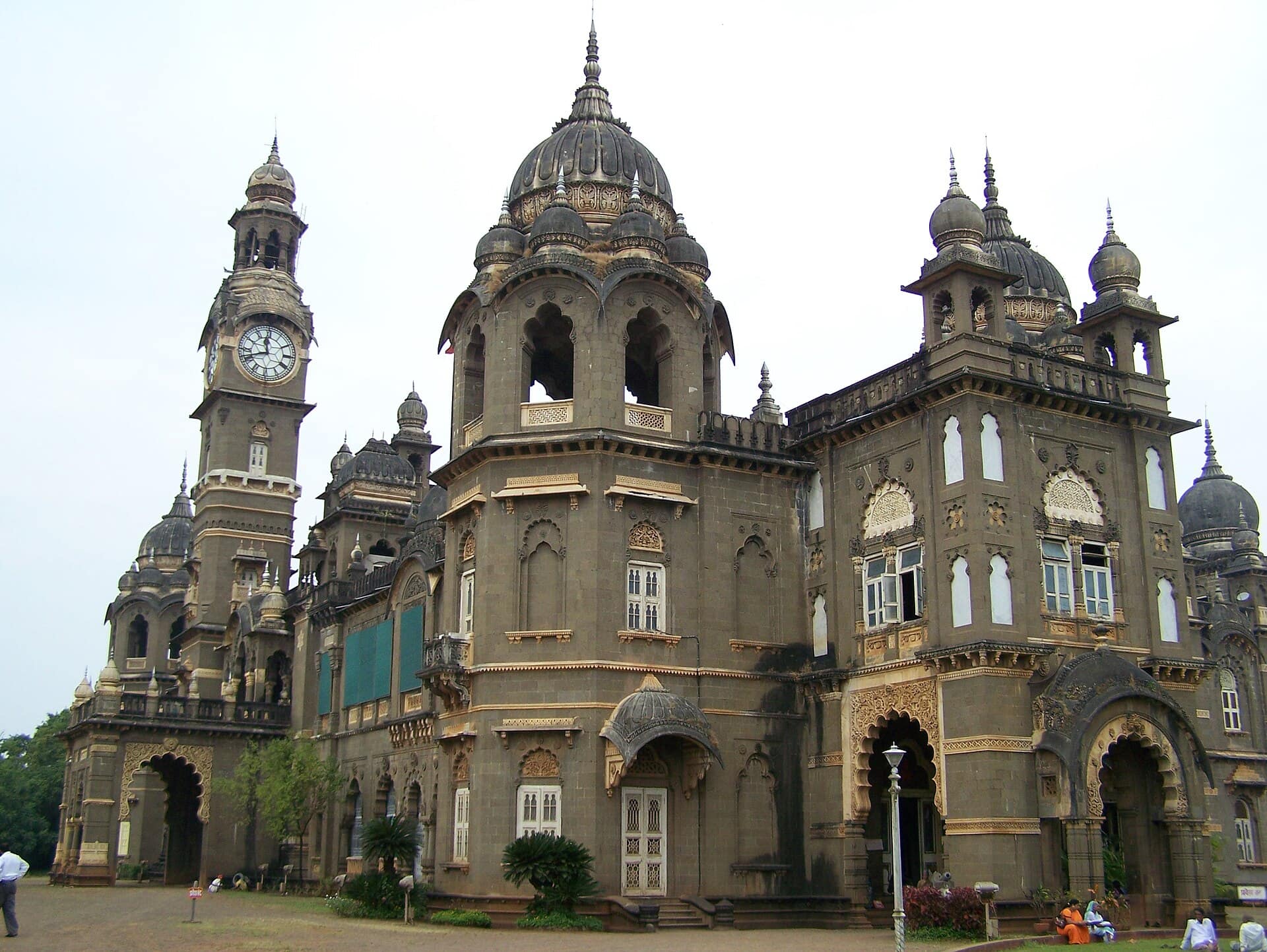 Medium crowd
Entry Ticketed
New Palace (Shahu Palace)
- Best timeMorning, when the light is soft on the black stone and the lawns are empty; late afternoon for warm colour on the clock tower.
- ColorsMaroonCreamNavy
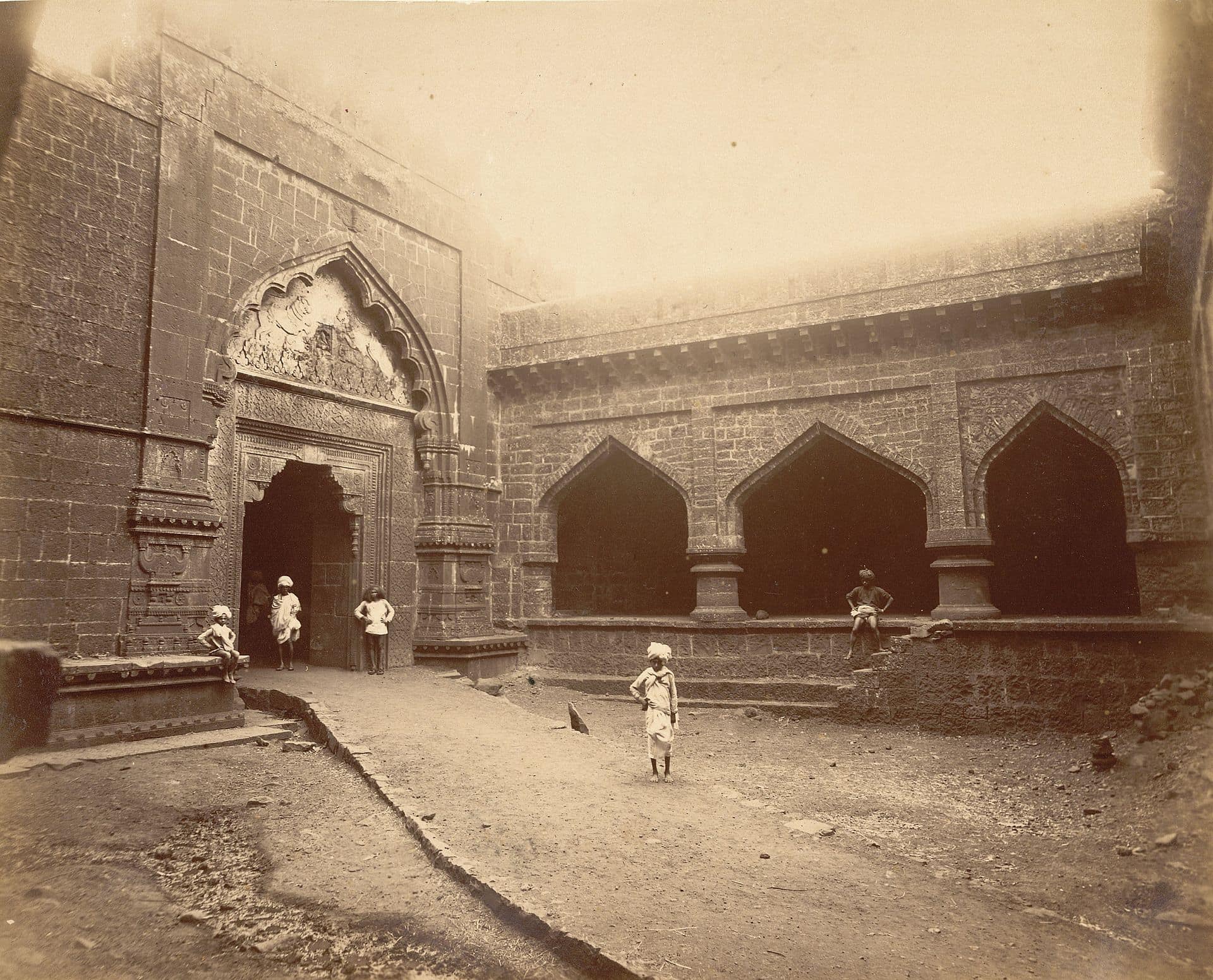 Medium crowd
Entry Free
Panhala Fort
- Best timeEarly morning, when mist lies in the valleys below the walls; late afternoon for warm light on the old stone.
- ColorsSaffronWhiteOchre
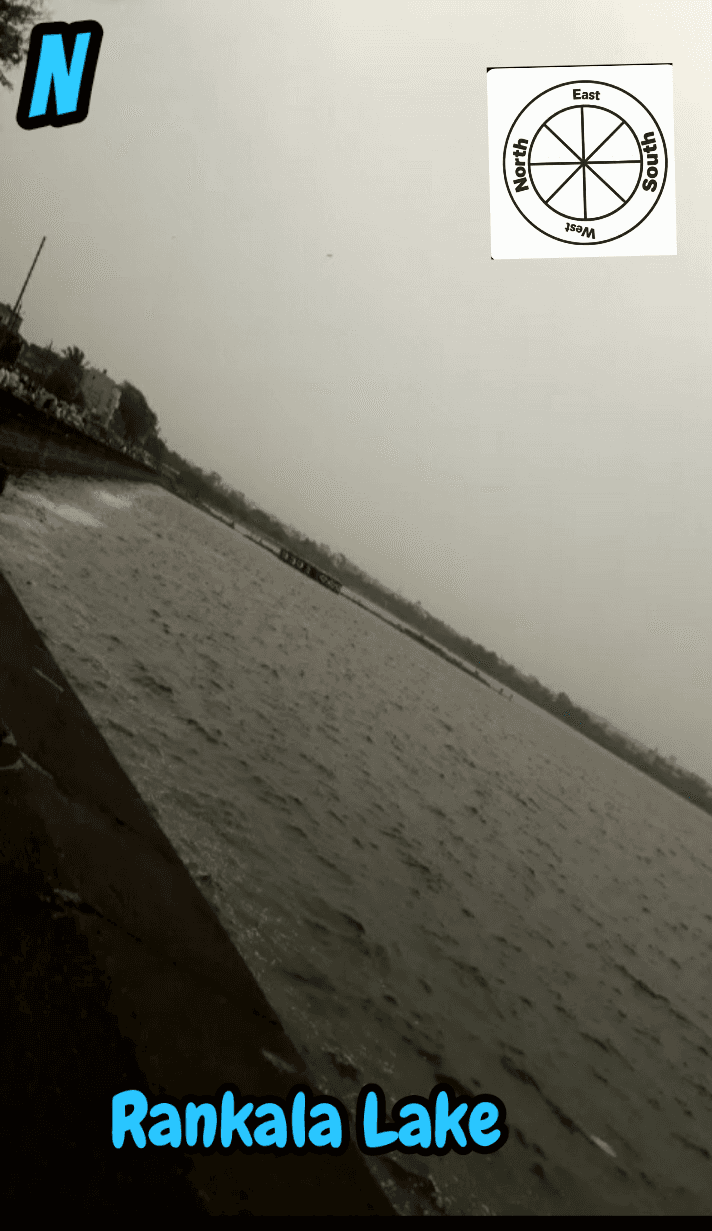 Medium crowd
Entry Free
Rankala Lake
- Best timeEvening, when the sun sets over the water and the sky turns orange; early morning for a still lake and soft light.
- ColorsWhiteCoralTeal
For the feed
Trending Wear in Kolhapur
Modern, Instagram-friendly looks
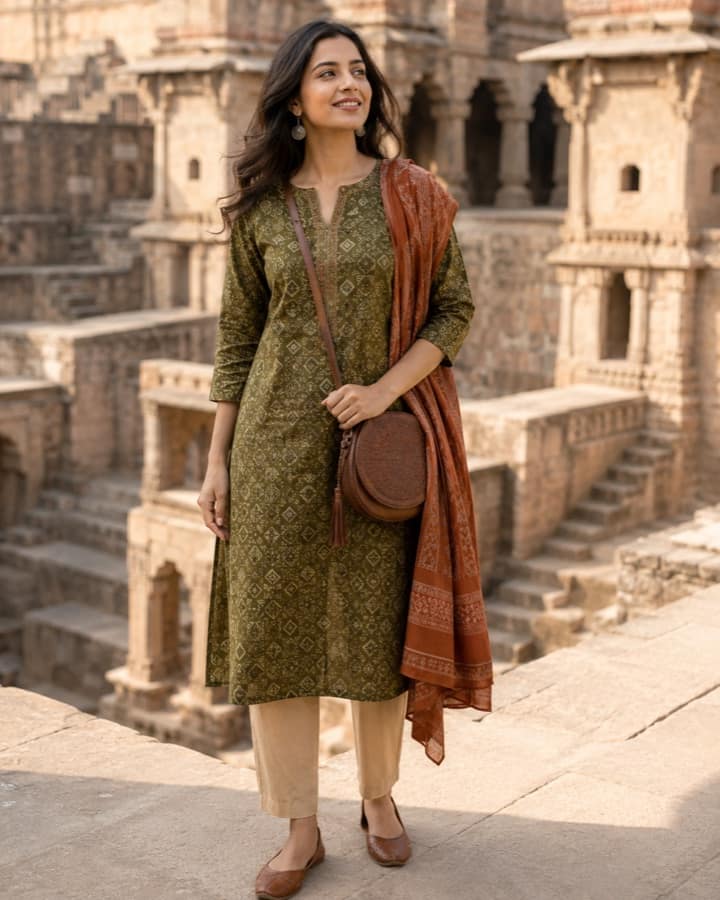
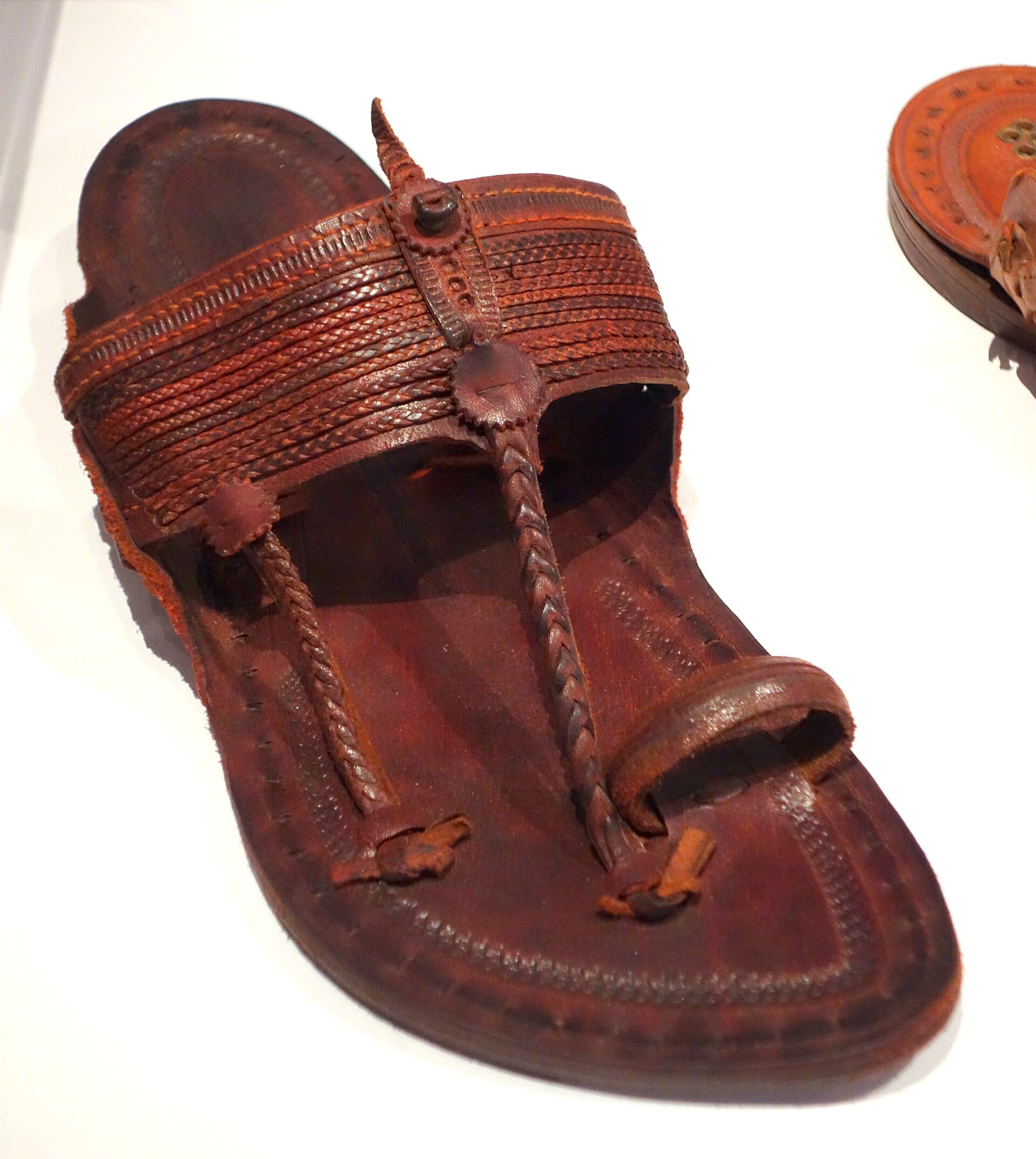
Rooted in the city
Kolhapur Traditional Wear
Local, cultural, handcrafted outfits
Before you go
Temples in Kolhapur
Darshan hours, dress codes and what gets refused at the gate
Taste the city
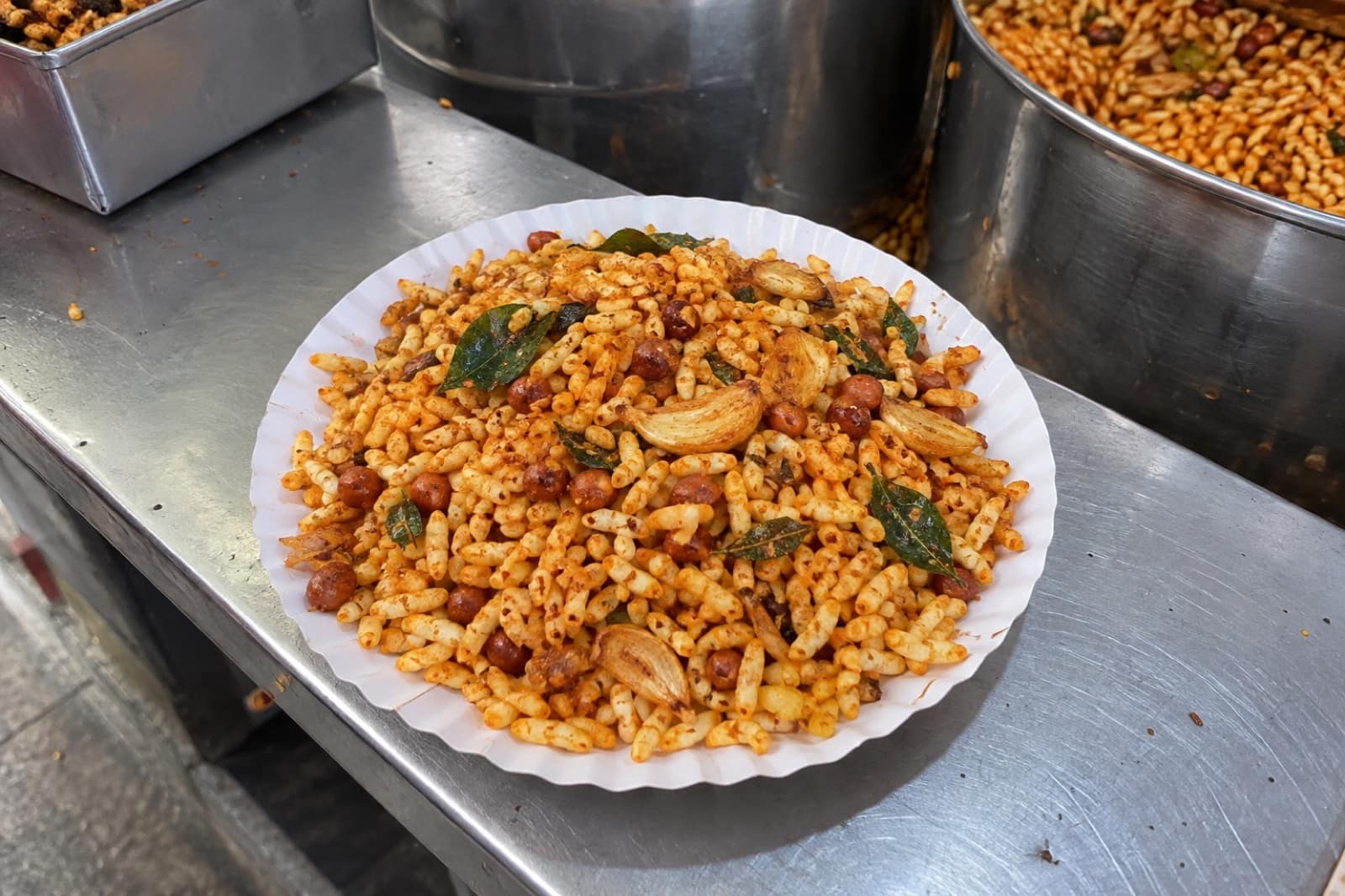
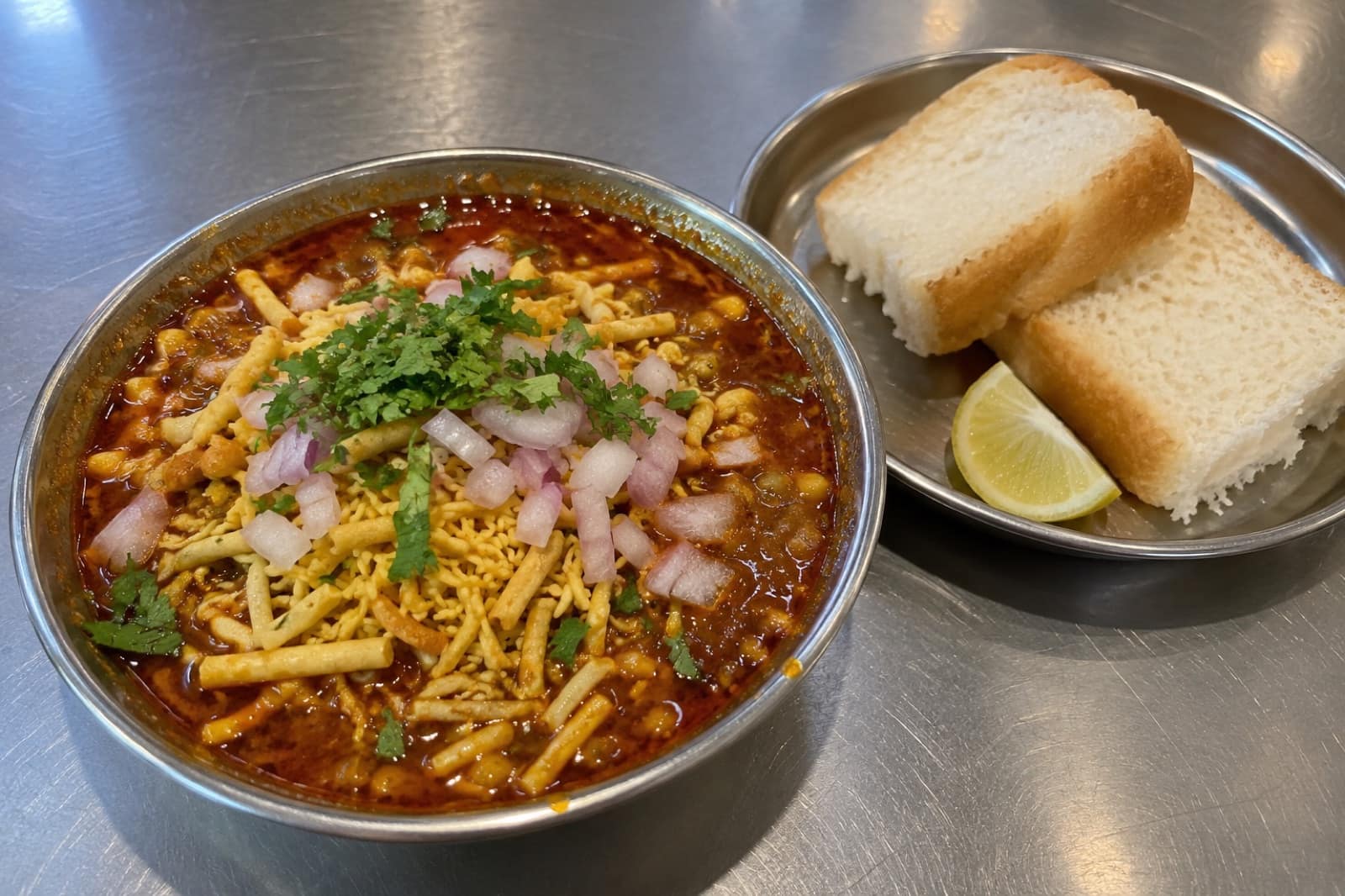
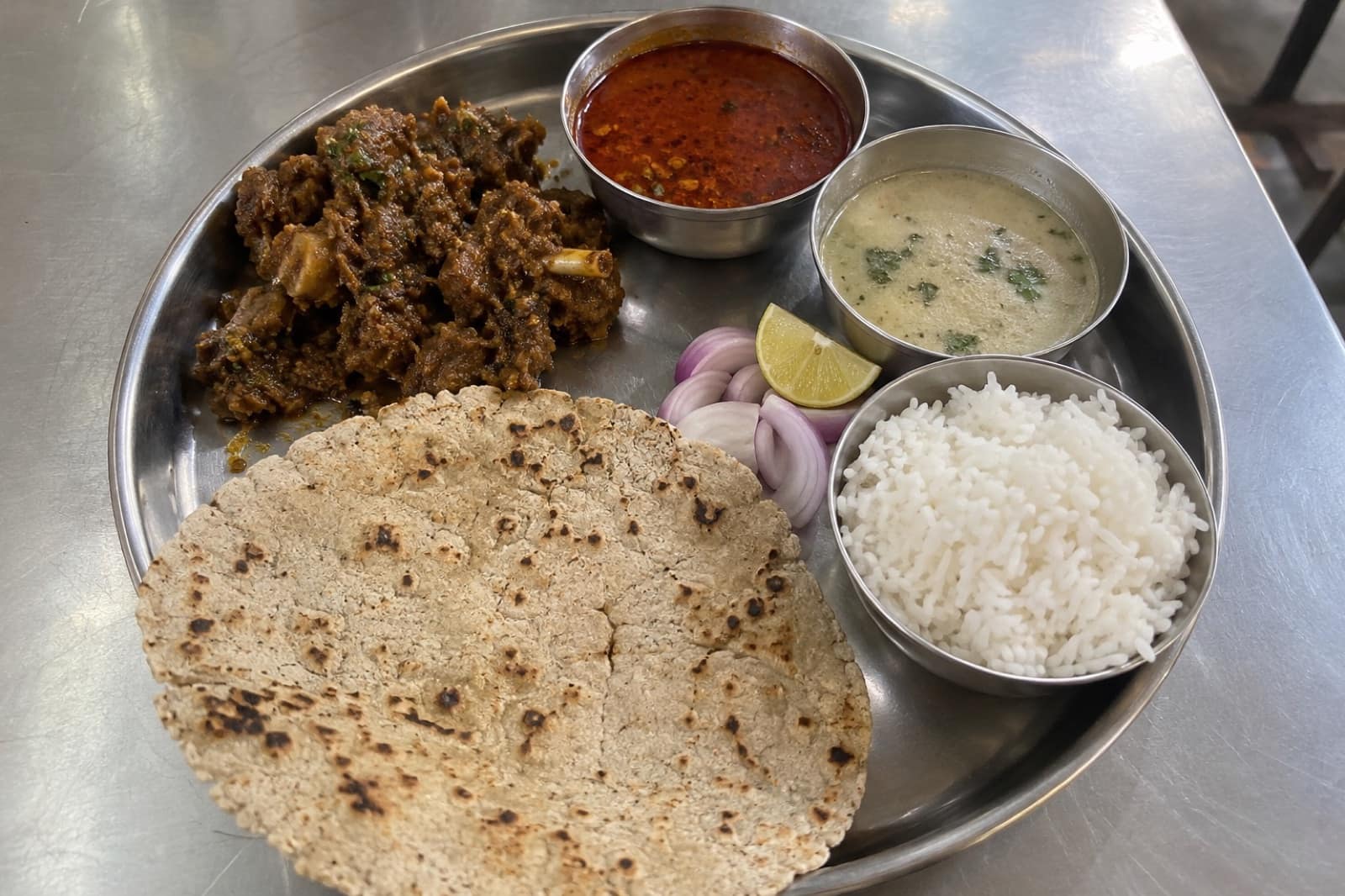
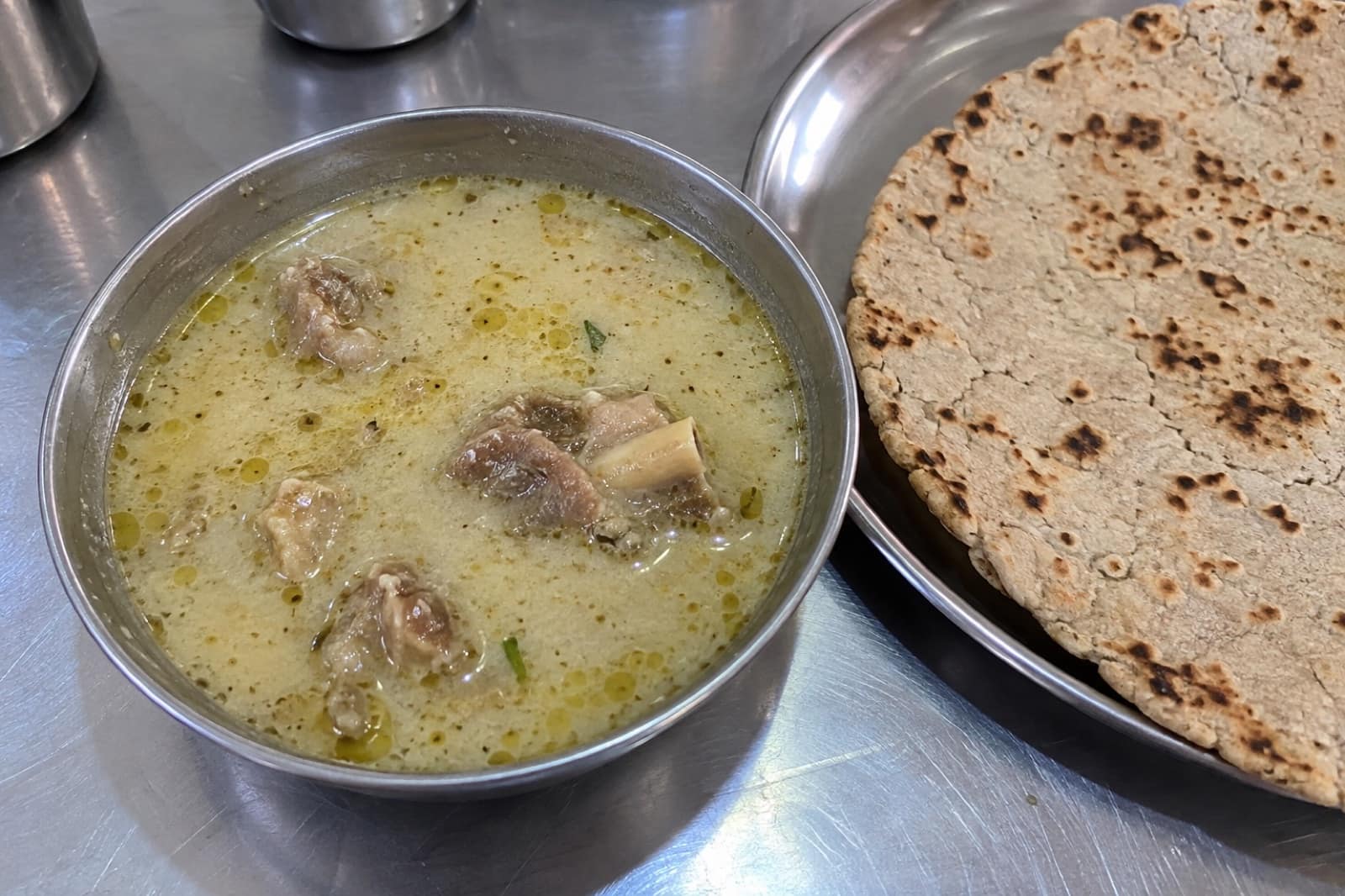
Food to Eat in Kolhapur
Trusted tables
Where to Eat in Kolhapur
Bawada Misal
Kasaba Bawada
 Representative photo
Hotel Opal
Station Road
 Representative photo
Khasbag Misal
Khasbag
Representative photoPadma Guest House
Near Bhavani Mandap
Representative photoParakh Restaurant
Tarabai Road
A city that grew around a goddess
Kolhapur sits on the Panchganga river in the south-west corner of Maharashtra, about 385 km south of Mumbai and about 240 km south of Pune. Its old centre is the Mahalaxmi temple, which almost everyone here calls Ambabai. The temple is one of the great Shakti shrines of India, and it is the reason the city has long been called Dakshin Kashi, the Kashi of the south. Flower and coconut sellers open around its gates before dawn, and the lanes stay busy until late at night.
A royal capital
Tarabai, the Maratha queen regent, set up the separate state of Kolhapur in the early 1700s, and the capital moved down from Panhala to Kolhapur in 1782. The Chhatrapati family still lives in part of the New Palace, a black-stone palace finished in 1884 with a museum on its ground floor. Shahu Maharaj, who ruled in the early 20th century, is remembered for free schooling and for fighting caste discrimination, and his name is on the railway terminus and many of the city's institutions.
What to see
In town, start at Ambabai, walk to Bhavani Mandap next door, and end the day at Rankala Lake for the sunset and street snacks. Give the New Palace a morning. Two hills north-west of the city make an easy half-day together: Panhala Fort, about 20 km away and part of a UNESCO World Heritage listing since 2025, and the pink Jyotiba temple, about 18 km away on a ridge of its own.
Food and shopping
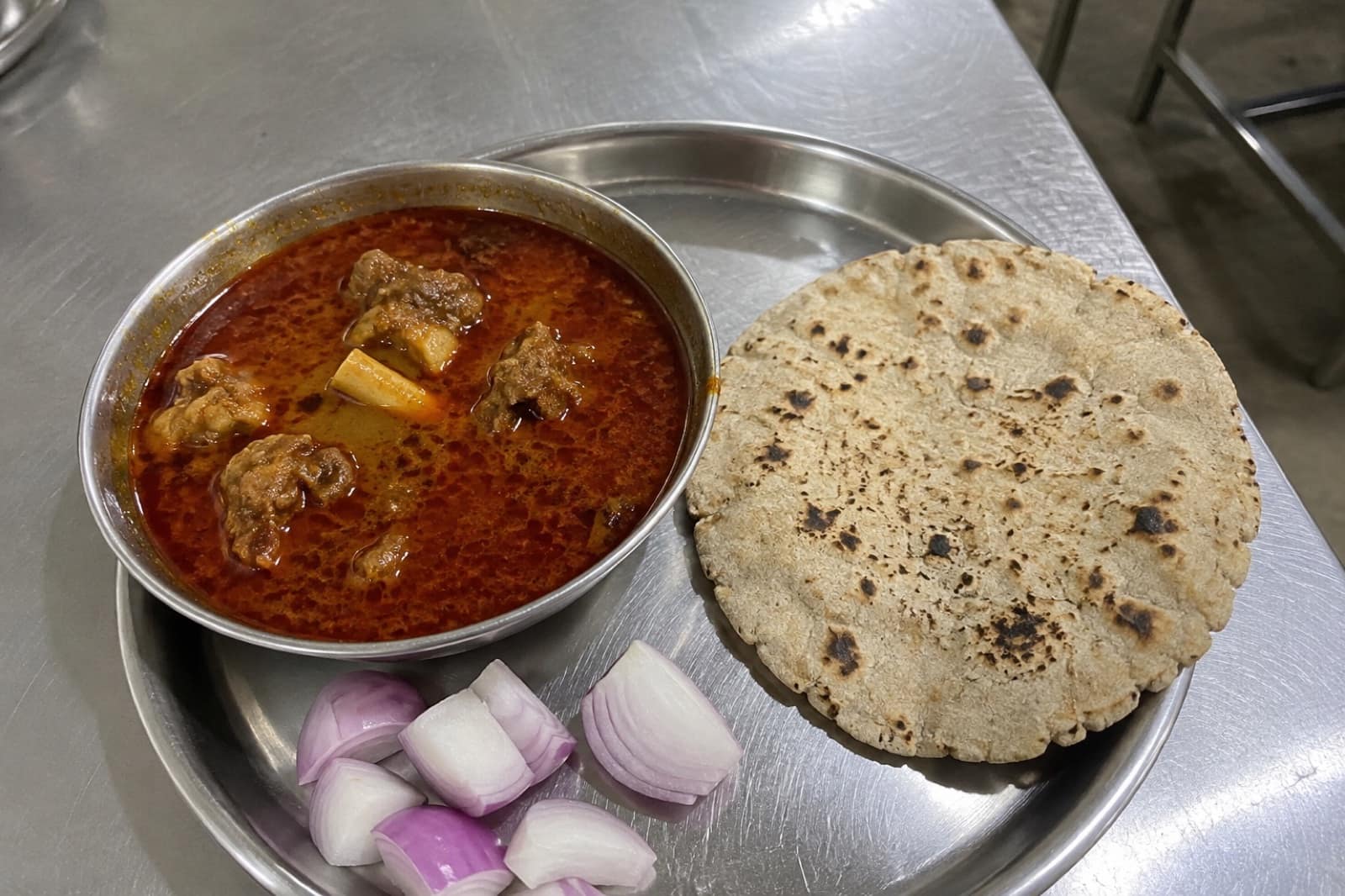
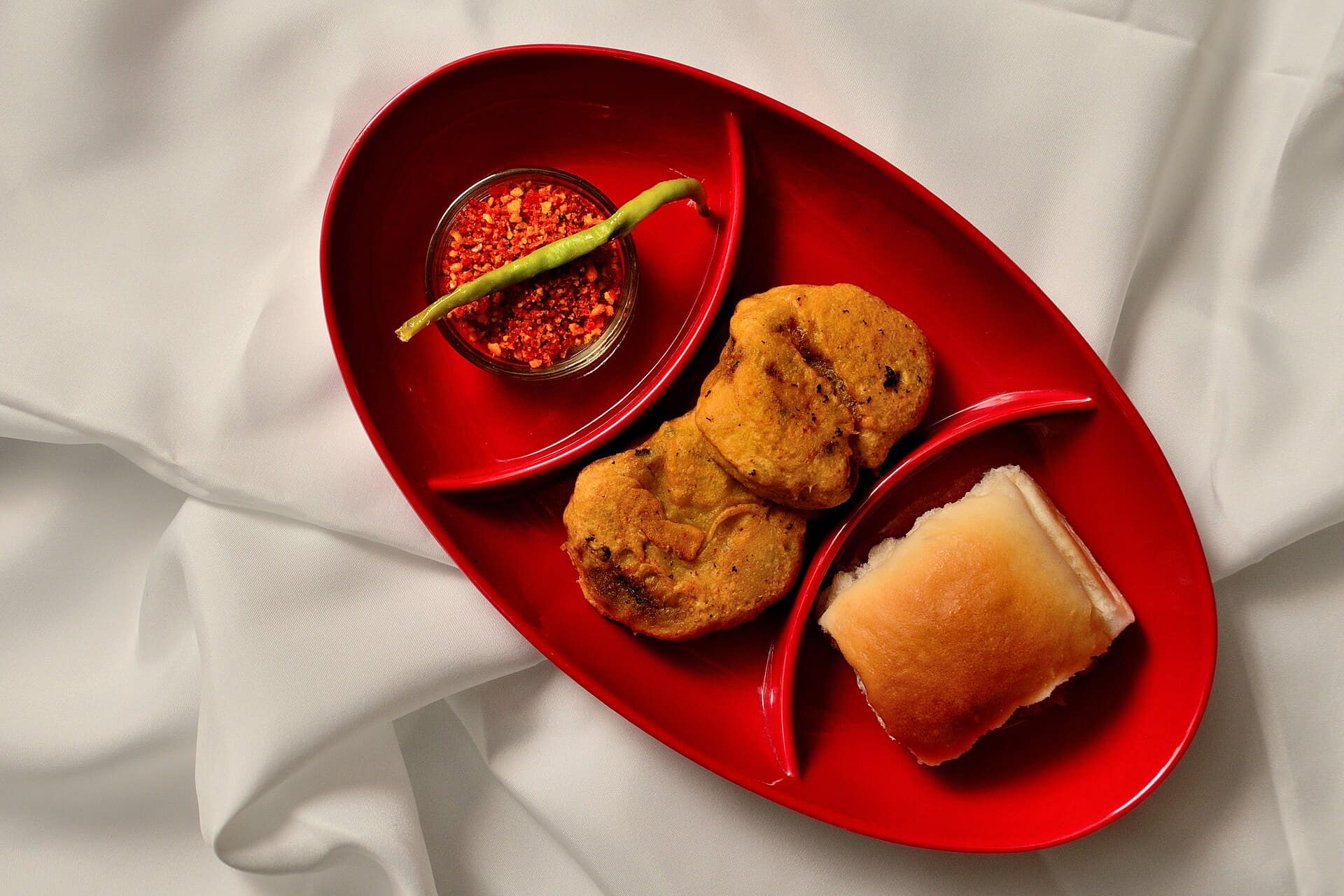
Kolhapur eats mutton with pride. The classic meal is a thali with tambda rassa, a thin red broth full of chilli, and pandhra rassa, a mild white broth made with coconut milk. Breakfast is a fiery misal. Take home a pair of Kolhapuri chappals, the hand-stitched leather sandals that received a GI tag in 2019, from the shops around Mahadwar Road, or look at the gold saaj necklaces in the jewellers' lanes nearby. The city is also known for its wrestling schools, called talims, and for its jaggery.
Getting there and around
Kolhapur airport is about 10 km from the centre, and trains from Mumbai and Pune end at Chhatrapati Shahu Maharaj Terminus. Autos are the easiest way round town; hire a car or taxi for Panhala and Jyotiba. October to February is the comfortable season. The monsoon, from June to September, is heavy here, and the Panchganga has flooded parts of the city in big years such as 2019 and 2021.
Questions
Kolhapur — FAQ
How many days do I need in Kolhapur?
Two days is enough for most visitors. Spend one day in town on the temple, the New Palace and Rankala Lake, and the second on Panhala Fort and Jyotiba. Add a day if you want to eat your way through the mutton thalis.
Can I see Panhala Fort and Jyotiba in one trip?
Yes. Both are north-west of the city and about 20 km out, so a car or taxi can cover them in a half-day. Go to Jyotiba first in the morning, then drive on to Panhala for the afternoon light.
Why is Kolhapur called Dakshin Kashi?
Dakshin Kashi means the Kashi of the south. Kolhapur earned the name because of the age and importance of the Ambabai temple, which pilgrims treat as one of the great goddess shrines of India.
Is Kolhapur food too spicy for visitors?
Tambda rassa and misal are very hot, but you do not have to start there. Pandhra rassa is mild and creamy with coconut milk, and most thali places will bring extra rice, curd or buttermilk if you ask.
Does Kolhapur flood in the monsoon?
It can. The Panchganga river rose into parts of the city in 2019 and 2021. In a normal monsoon the city runs as usual, but check the news before travelling in July or August and avoid riverside roads in heavy rain.