

Temple in Kolhapur
Mahalaxmi (Ambabai) Temple
Kolhapur, Maharashtra
A Shakti Peetha in the old city, and the one temple in India whose architecture is aimed at the sun: twice a year the setting sun lines up with the west door and falls directly on the deity.
Photo: A.Murali — CC0, via Wikimedia Commons
Overview
Who this temple is to
Deity
Mahalakshmi as Ambabai
Tradition
Devi · Shakti temple
Time your visit
The darshan clock
A single opening-hours line cannot express a midday closure or an evening ceremony.
4:00 AM
Opening hours
The temple is open daily from 4:00 AM to 10:00 PM, with specific darshan timings for morning (4:30 AM to 12:30 PM) and afternoon (1:00 PM to 8:30 PM), and an evening aarti held from 7:30 PM to 8:30 PM.
Rules, timings and fees change — confirm locally before you rely on this.
How long this takes
Ways in
The difference between a twenty-minute visit and a three-hour one.
General darshan
- Free, from about 4:00 AM into the late evening, with brief pauses for the daily rituals
- Early morning is the quietest window; the temple's own arrangements beyond general darshan are published on its official channels
Kirnotsav evenings
- The sunset alignment on 31 January to 2 February and 9 to 11 November fills the evening courtyard - arrive well before sunset for a place
Navratri
- The nine nights of September or October draw lakhs; the old city fills completely and the morning session is the least crowded
When not to come — unless you mean to
Festival windows
These follow lunar calendars and move by weeks each year, so the windows are months, not dates.
31 January–2 February, and again 9–11 November
Kiranotsav — the festival of rays
Three evenings each time, and the light moves up the deity across them: the feet on the first day, the chest on the second, the whole figure on the third. It happens at sunset and it is the only reason to time a Kolhapur trip to a specific date.
Practicalities
The things that go wrong
Book through official channels, and treat anyone promising a guaranteed slot as a warning sign.
What to watch for
- Charging for entry or arranging darshan at the approach
- Darshan is free; the temple publishes its own seva arrangements on official channels
- Shoe-stand attendants quoting arbitrary amounts; a small fixed charge is normal, a quoted rate is not
- Selling flowers, coconuts or offerings at first prices far above the going rate near the gate; the streets a little further out are far cheaper
- Guides attaching themselves in the old city and producing a fee at the end; agree any fee beforehand
- Auto-rickshaw fares quoted only on arrival; agree the fare before setting out
General guidance
Planning the visit
Customary practice and what Kolhapur's climate means for a barefoot visit — not rules posted at this temple. Anything specific to Mahalaxmi (Ambabai) Temple is above.
Offerings differ here
Shakta shrines often accept offerings that other temples do not, and a few remain associated with animal sacrifice on particular days. What is sold at the stalls outside is the honest signal of what is expected inside.
Come in winter
Winter is when Kolhapur is most comfortable to walk around, which matters here because a temple visit is done on foot and barefoot. Locally the window is given as october to february.
Stone gets hot — go early
You will be barefoot from the shoe rack onwards, often across an open courtyard. Between late morning and mid-afternoon in the hot months that stone is genuinely painful to stand on. Socks help, and are permitted almost everywhere shoes are not.
Arriving by train
Kolhapur has a railway station, and auto-rickshaws wait outside it. Agree the fare or use a meter before you set off, and expect to be dropped a short walk from the temple rather than at its door.
Outfit guide
What to wear at Mahalaxmi (Ambabai) Temple
Cover shoulders and knees — the rules above win over anything here.
Trending wear for this spot
Popular modern looks travellers are wearing across Kolhapur.

Traditional wear for this spot
Timeless, cultural looks that suit Mahalaxmi (Ambabai) Temple.
Shri Mahalaxmi (Ambabai) Temple, Kolhapur
A Shakti Peetha in the old city of Kolhapur, and the one great temple in India whose architecture is aimed at the sun: twice a year, the setting sun lines up with the western door and falls directly on the goddess.
🌞 Kirnotsav — the festival of rays
On 31 January to 2 February, and again on 9 to 11 November, the sun performs the temple's most famous ritual. At sunset, the rays pass through the window of the western wall and climb the deity across the three evenings: the feet on the first day, the chest on the second, the whole figure on the third.
The alignment is not folklore — it is the building working as designed, and the crowd that gathers in the evening courtyard is there to watch light do what stone arranged for it to do. It is the only reason to time a Kolhapur trip to a specific date; otherwise the temple rewards any morning.
🕉️ Ambabai, facing west
The presiding deity — Mahalakshmi, known to the city as Ambabai — is carved from a single black stone of about three feet, and she faces west, against the near-universal Indian preference for deities facing east or north. The west-facing posture is what makes Kirnotsav possible, and it marks the temple as its own kind of shrine: the goddess holds a matulinga fruit, a mace, a shield and a drinking bowl, an iconography older and stranger-seeming than the familiar Lakshmi of lotus and gold.
The temple is a Shakti Peetha, mentioned in the Puranas, and its idol is revered as self-manifested — not carved and installed but found and worshipped, in the tradition of the oldest goddess shrines.
🏛️ The building
The temple's core goes back to circa 700 CE, with centuries of rebuilding by successive dynasties around it — Hemadpanti stonework, carved pillars and the layered, dark interiors of old Deccan temple architecture. Maha Ganapati greets you at the entrance, the Navagrahas have their place, and the shrine opens on four sides to the old city around it.
🕒 Timings and the ritual day
The temple opens about 4:00 AM and stays deep into the evening. The ritual day runs: Kakad Aarti around 5:30 AM, morning Mahapuja around 8:00, Naivedya around 9:30, afternoon Mahapuja around 11:30, Alankar Pooja around 1:30 PM — when the goddess is dressed and ornaments are placed — Dhuparti around 8:00 PM, and Shejarti, the night aarti, around 10:00. Published schedules differ slightly between sources; the temple's own is authoritative.
Every Friday a palanquin procession carries the goddess within the precincts, and on Chaitra Pratipada, the new year's first day, a chariot procession moves through the old city. Darshan is free.
🕯️ Which aarti to attend
Three stand out. Kakad Aarti at about 5:30 AM is the peaceful one — dawn in the old Deccan stone, with the morning's first oil lamps and the quietest the temple ever is. The Alankar Pooja at about 1:30 PM is the visual one, when the goddess is dressed and her ornaments are placed. Shejarti at about 10:00 PM is the complete one — the night aarti, with milk and sugar offered, after which the temple closes.
The temple makes arrangements for elderly devotees through the day; ask at the gate rather than assuming the general queue is the only option. Darshan pauses briefly for the ritual moments — the offering of food, the aartis themselves — and resumes immediately after, so a pause is never a closing.
🌸 Navratri — Kolhapur's greatest festival
Navratri, in September or October, is the temple's true peak, drawing lakhs of devotees across the nine nights. The goddess is decorated in the evenings, processions wind through the old city with ceremonial bands and cannon salutes, and the daily aarti schedule is re-written for the season. Plan well ahead for those nine days — the old city fills completely — and arrive early in the morning session if you come then.
🙏 The city's own goddess
Kolhapur does not merely contain this temple; the city is organised around it. Ambabai is invoked at every beginning in the old city — journeys, weddings, business — and the temple's calendar sets the rhythm of the year, from the Friday palanquin to the new-year chariot of Chaitra Pratipada. Devotees across Maharashtra plan pilgrimages here as they do to the great shrines of the west, and the temple returns the devotion in kind: free darshan, generous hours, and a ritual day that has kept its shape for centuries.
📍 The old city and around
The temple stands in the Bhavani Mandap area, the heart of old Kolhapur, with everything of the old city walkable around it. Rankala Lake is about two and a half kilometres away; the New Palace museum about one and a half; and the hill forts and temples of the region — Panhala Fort and the Jyotiba temple — about twenty kilometres out, making a full second day.
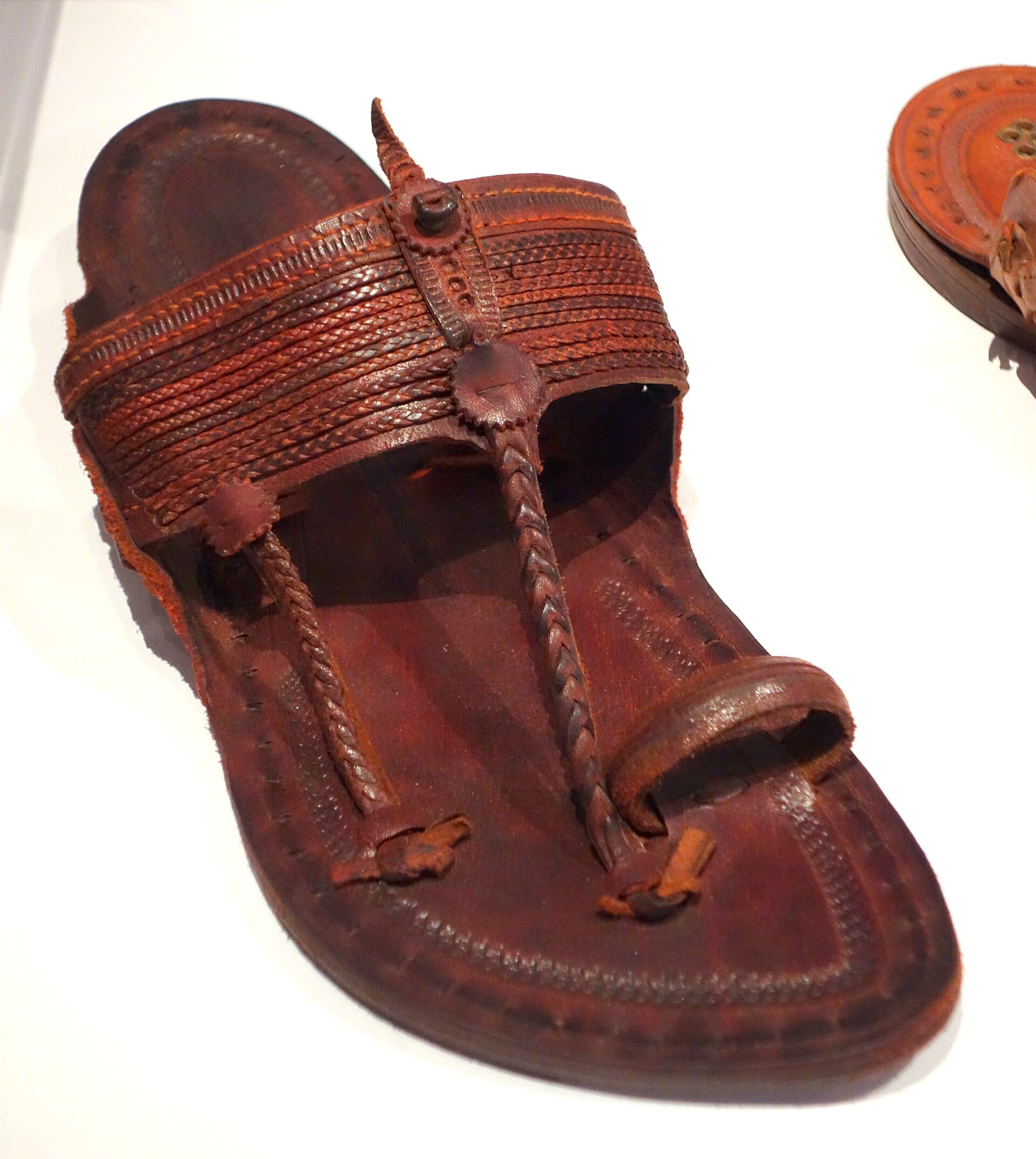
Kolhapur is famous for its food and its footwear; the old streets between temple and lake are where both are found.
Last verified: 2026. The Kirnotsav dates of 31 January to 2 February and 9 to 11 November with the feet-chest-figure progression, the west-facing single-stone idol about three feet high holding the matulinga, mace, shield and bowl, the circa 700 CE origin with later rebuilding, the ritual timetable, the Friday palanquin and Chaitra Pratipada chariot processions, free darshan, and the Navratri scale are documented. Exact aarti times differ slightly between published schedules and the temple's own is authoritative.
Questions
Mahalaxmi (Ambabai) Temple — FAQ
Who is Mahalaxmi (Ambabai) Temple dedicated to?
Mahalaxmi (Ambabai) Temple in Kolhapur is dedicated to Mahalakshmi as Ambabai.
Checked, not remembered
Sources
Every rule and timing above traces back to one of these.