
Photo spot in Kolkata
Dakshineswar Kali Temple
Kolkata, West Bengal
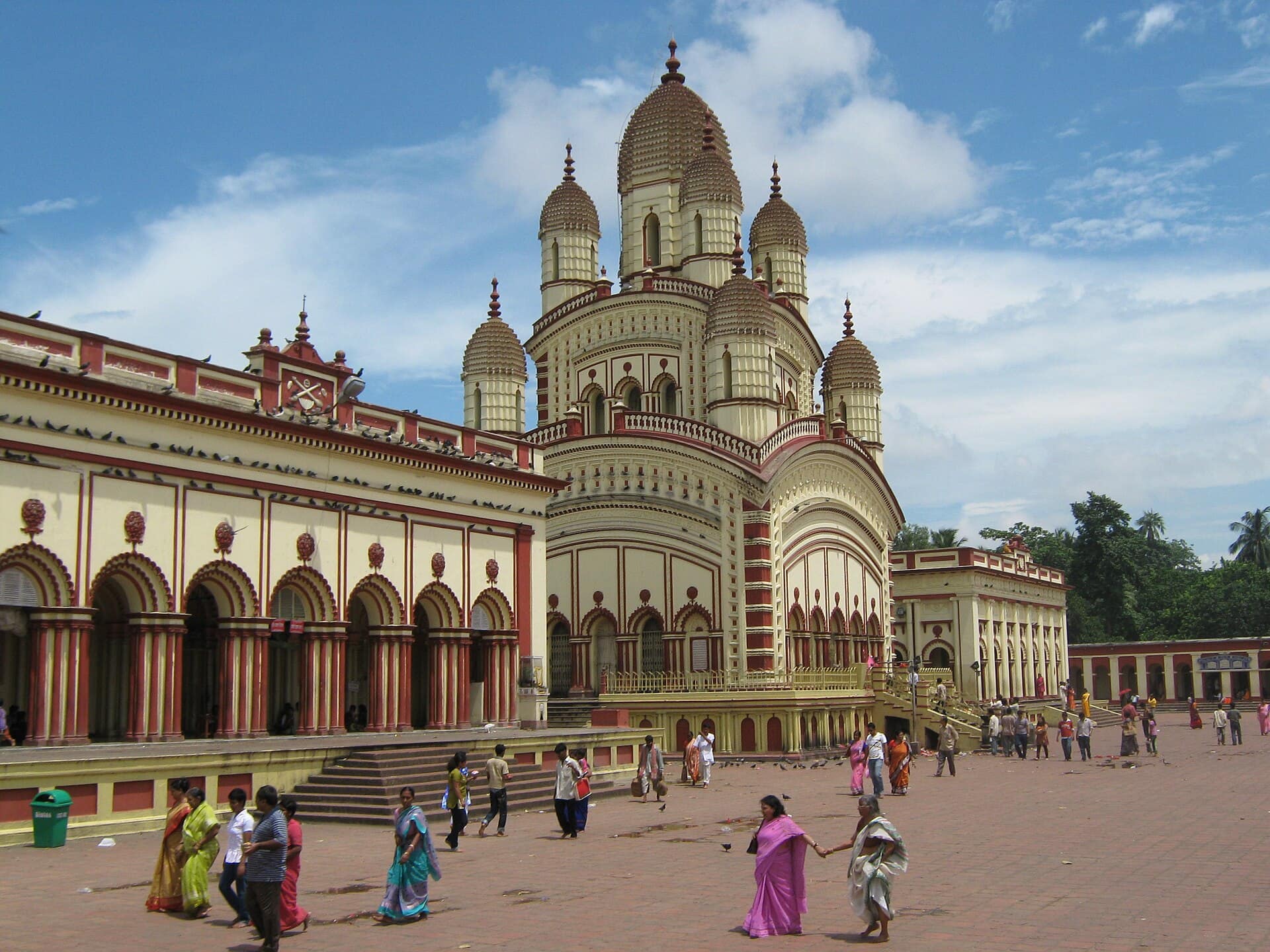
A grand riverside Kali temple with twelve Shiva shrines, linked to the saint Ramakrishna — spiritual and photogenic.
Best time
Early morning, when the river is calm and soft light falls on the nine spires; late afternoon for warm colour on the Shiva temples along the ghat.
Best angle
Take the ferry towards Belur Math and photograph the riverfront from the water, with the nine spires rising behind the row of Shiva temples.
Entry fee
Free
Opening hours
6:00 AM – 9:00 PM (varies)
Crowd level
High
Best outfit colors
Overview
Best time to visit Dakshineswar Kali Temple
Early morning, when the river is calm and soft light falls on the nine spires; late afternoon for warm colour on the Shiva temples along the ghat. Crowds here are typically high. Arrive a little early to claim your angle and catch the softest light before the day tips over.
Poses & angles
Photo tips for Dakshineswar Kali Temple
Take the ferry towards Belur Math and photograph the riverfront from the water, with the nine spires rising behind the row of Shiva temples. Work a few of the pose ideas below, shoot wide for context and tight for detail, and give yourself a couple of extra minutes to get the frame right.
Before the nine spires
On the riverfront steps
Outfit guide
What to wear at Dakshineswar Kali Temple
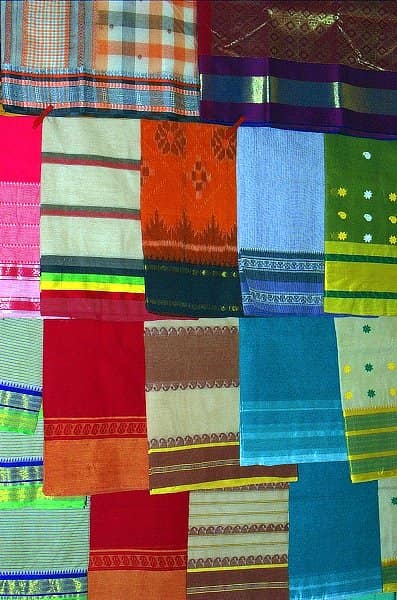
For photos at Dakshineswar Kali Temple, saffron, red and white work beautifully — they stand out against the setting without fighting it. Pick one hero colour and keep the rest of the look calm so you stay the subject of the frame.
Best outfit colors for photos
Trending wear for this spot
Popular modern looks travellers are wearing across Kolkata.

Traditional wear for this spot
Timeless, cultural looks that suit Dakshineswar Kali Temple.
Eat nearby
Food near Dakshineswar Kali Temple
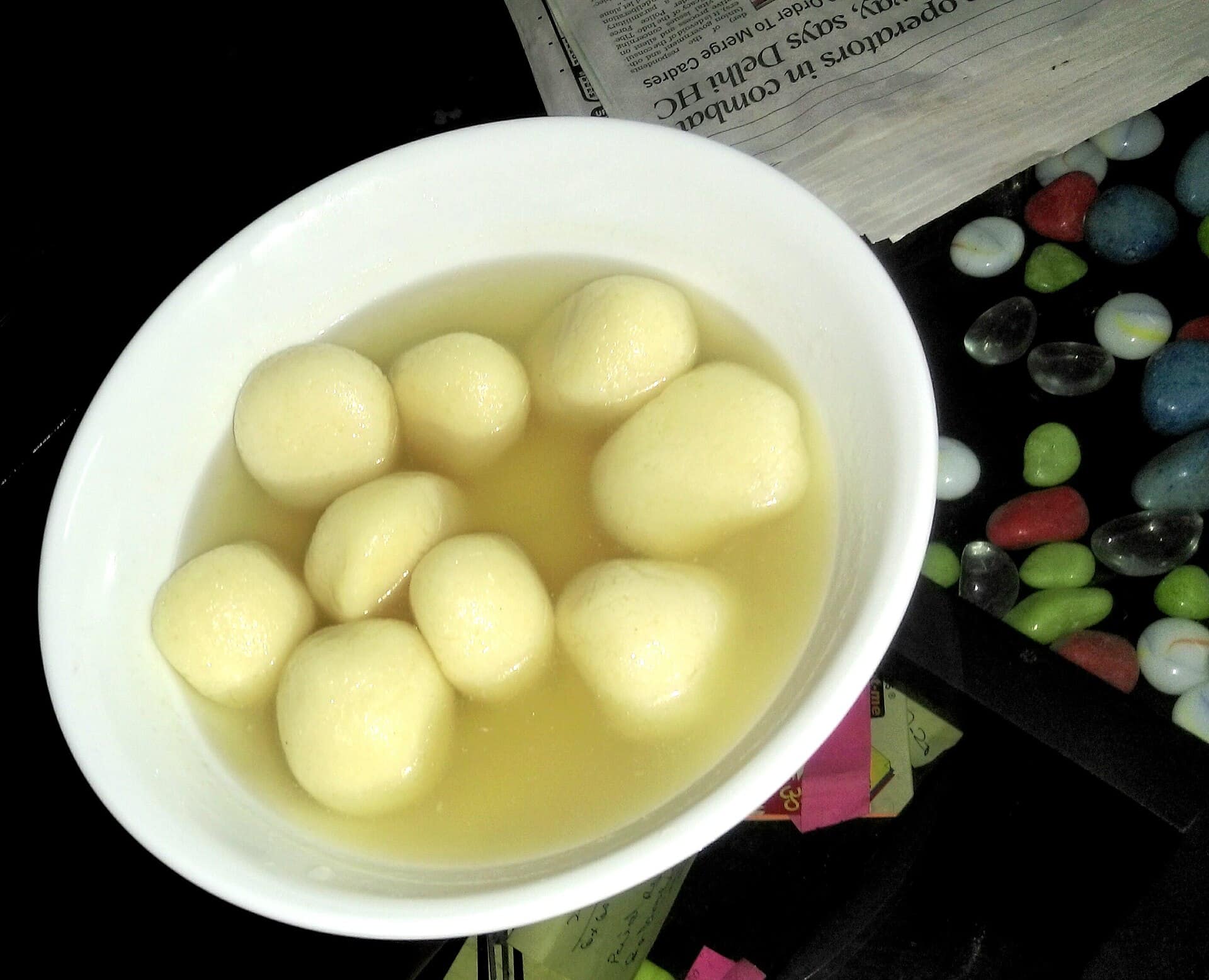
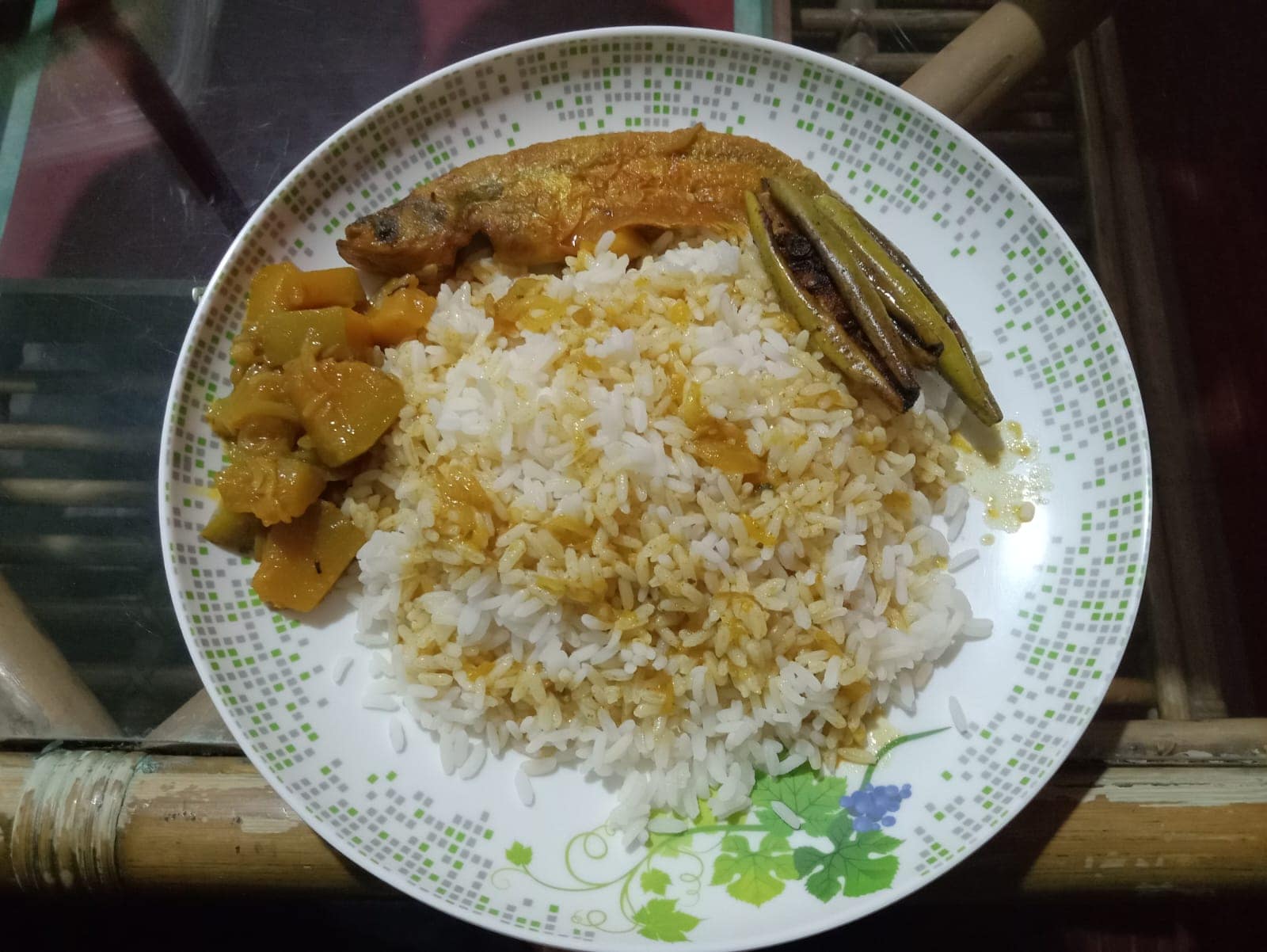
Round out the visit with something to eat. Look for rosogolla nearby, or settle in at one of the 1 restaurants close by.
Special dishes to try
Restaurants & food places nearby
Search food by craving
Good to know
Local tips
Arrive when darshan opens in the morning to beat the weekend queues.
Leave your phone, bag and shoes at the counters near the entrance before you join the queue.
Take the Blue Line Metro to Dakshineswar station instead of sitting in north Kolkata traffic.
Plan around the midday closure, when darshan stops for a few hours.
Catch the ferry from the temple ghat to Belur Math after your visit.
Take your photographs of the spires from the ghat or the ferry, since phones are not allowed in the main area.
Avoid Kali Puja night and new-moon days unless you want to be part of a very large crowd.
Rani Rashmoni's temple
Dakshineswar was built between 1847 and 1855 by Rani Rashmoni, a wealthy Kolkata landowner and devotee of Kali. Tradition says the goddess appeared to her in a dream and asked for a temple on the Ganga. The goddess was installed on 31 May 1855 as Bhavatarini, a form of Kali standing on Shiva, on a silver lotus throne. The main temple is built in the Bengal navaratna style, with nine spires, and rises more than 30 metres from a high platform.
Ramakrishna's temple
A year after the temple opened, the young Ramakrishna became its priest, and he lived here for most of his life. His room, in the north-west corner of the courtyard, is kept as a shrine. The Nahabat, a small music tower to the north, is where his wife Sarada Devi lived. Swami Vivekananda came here often as a young man to learn from him.
The complex
A row of twelve identical Shiva temples, in the aat-chala style, lines the river on the west side of the courtyard. There is also a Radha–Krishna temple and a bathing ghat on the Hooghly.
Visiting
Phones, cameras, bags and shoes are deposited at counters near the entrance before the main temple area. Darshan closes for a few hours from about midday and reopens in the afternoon, so check the timings. Weekends, festival days and new-moon nights bring long queues. Kali Puja night is the busiest of the year.
Getting there
The Blue Line Metro ends at Dakshineswar station, a short walk from the temple, and is the easiest route from the centre, about 15 km away. Ferries run across the river to Belur Math, which makes a natural pair. See the temples page for Kalighat and Belur Math.
Questions
Dakshineswar Kali Temple — FAQ
What is the best time to visit Dakshineswar Kali Temple?
Early morning, when the river is calm and soft light falls on the nine spires; late afternoon for warm colour on the Shiva temples along the ghat. Take the ferry towards Belur Math and photograph the riverfront from the water, with the nine spires rising behind the row of Shiva temples.
Is there an entry fee at Dakshineswar Kali Temple?
Entry to Dakshineswar Kali Temple is free.
What are the opening hours of Dakshineswar Kali Temple?
Dakshineswar Kali Temple is open 6:00 AM – 9:00 PM (varies).
What should I wear at Dakshineswar Kali Temple?
Saffron, red and white photograph especially well here. Explore the trending and traditional outfit ideas on this page for full looks.
How crowded does Dakshineswar Kali Temple get?
Crowd levels are typically high. To miss the busiest window: early morning, when the river is calm and soft light falls on the nine spires; late afternoon for warm colour on the Shiva temples along the ghat.
What food should I try near Dakshineswar Kali Temple?
Try rosogolla, available at nearby restaurants.
Who built the Dakshineswar Kali Temple?
Rani Rashmoni, a zamindar and devotee of Kali, built it between 1847 and 1855. She left property to a trust for its upkeep shortly before she died in 1861.
What is Dakshineswar's connection with Ramakrishna?
Ramakrishna became the temple's priest in 1856 and spent most of his life here. His room in the courtyard is kept as a shrine, and the young Swami Vivekananda came here often to learn from him.
What are the twelve small temples by the river?
They are twelve identical shrines to Shiva, Kali's consort, built in the Bengali aat-chala style with curved roofs. They stand in a row between the main courtyard and the ghat.
How do I get from Dakshineswar to Belur Math?
Take a ferry from the temple ghat across the Hooghly to the Belur Math jetty. The crossing is short and cheap. Belur Math is also reachable by road over the Vivekananda Setu and Nivedita Setu bridges.