
Temples in Kolkata
Kolkata's three great shrines are all linked to Kali or to the saint Ramakrishna. Each one closes for a few hours in the middle of the day, and each expects shoes off and modest clothes.

Kalighat Kali Temple
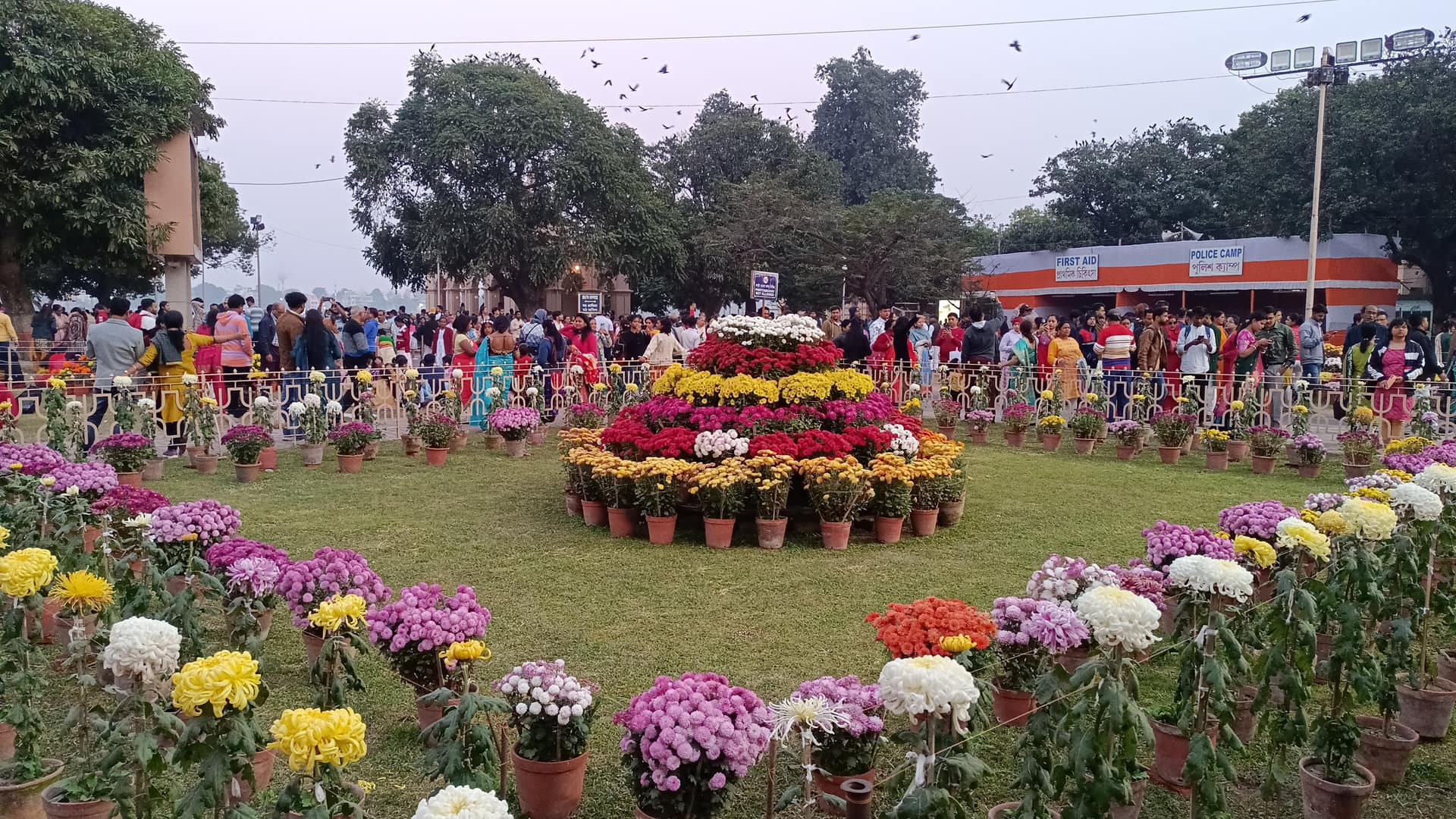
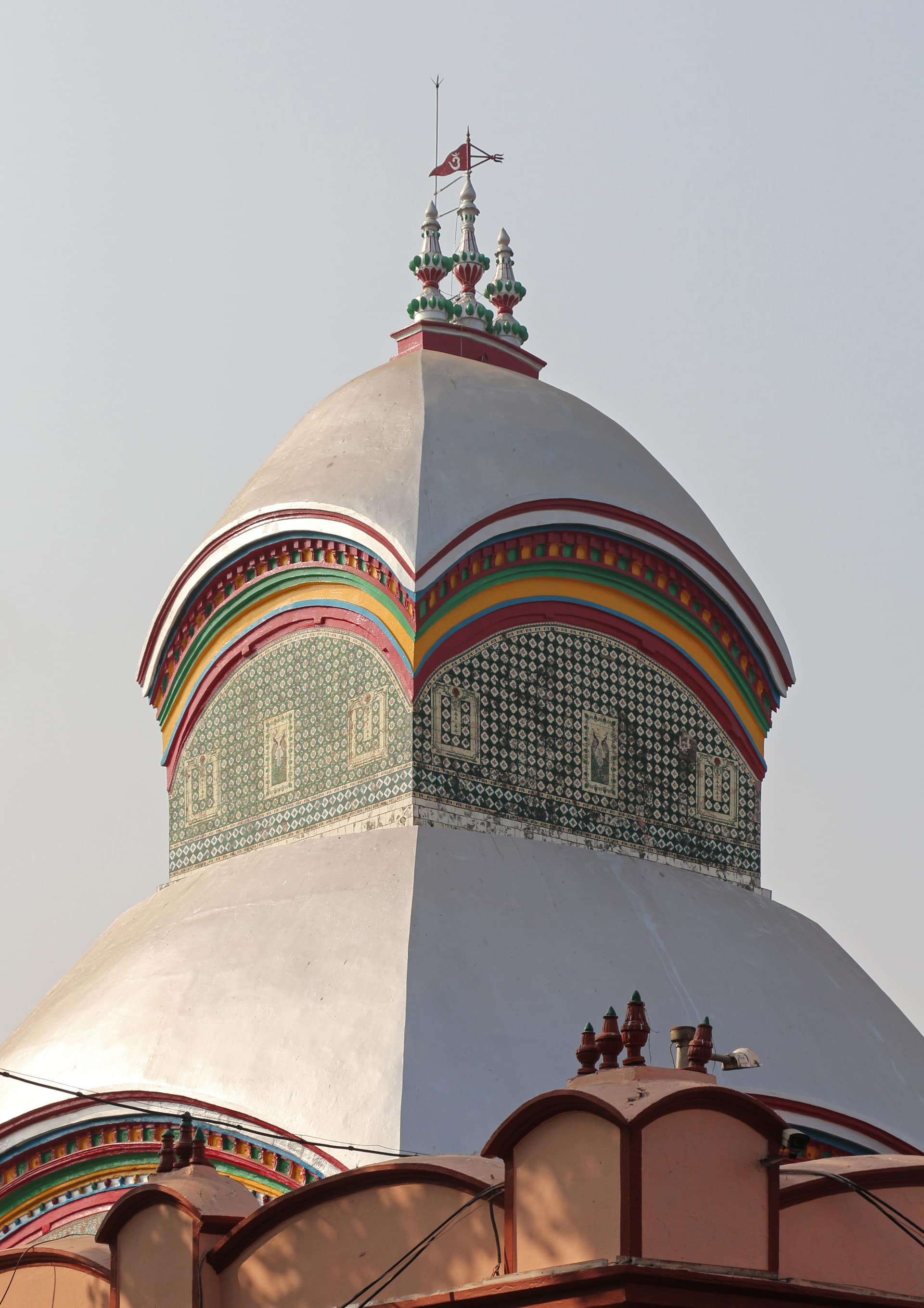
Kalighat, in south Kolkata, is one of the Shakti Peethas, where the toes of the goddess Sati are said to have fallen. The city's name is often traced to it. The present temple dates from 1809 and is built in the Bengal aat-chala style, with curved roofs like a village hut. It is small, busy and crowded, especially on Tuesdays, Saturdays and new-moon days. Priests may offer to take you to the front for a fee. You can say no politely and join the queue. Darshan usually pauses for a few hours in the afternoon, so check the timings before you go.
Dakshineswar Kali Temple
Dakshineswar stands on the east bank of the Hooghly, about 15 km north of the centre. Rani Rashmoni built it between 1847 and 1855, and Ramakrishna served as its priest. The nine-spired main temple faces a row of twelve Shiva shrines along the ghat. Phones, bags and shoes are left at counters before the main area. Darshan closes from about midday to mid-afternoon.
Belur Math
Belur Math, on the west bank opposite Dakshineswar, is the headquarters of the Ramakrishna Math and Mission, founded by Swami Vivekananda. The main temple was consecrated in 1938 and is designed to look like a temple, a mosque or a church depending on where you stand. It is open to people of any religion, closes in the middle of the day and is calm and quiet. A ferry links it to Dakshineswar.
Other faiths
Kolkata's centre has a long history of many faiths. St Paul's Cathedral stands beside the Victoria Memorial. The Nakhoda Masjid is the city's main mosque, in the old north. The old Armenian church and the Jewish synagogues are in the Burrabazar area. Visitors are welcome at most of them outside service or prayer times, in modest clothes.
Etiquette
- Remove your shoes where asked and cover your shoulders and knees.
- Do not photograph inside shrines. Photograph the outside and the approach.
- Kali Puja nights, in October or November, and Poila Baisakh bring very long queues.
- Go early in the morning for the calmest visit.
Questions
Kolkata — FAQ
Which is better to visit, Kalighat or Dakshineswar?
They are very different. Kalighat is older, smaller and more intense, in a crowded lane in south Kolkata. Dakshineswar is larger, greener and calmer, on the river, and pairs easily with Belur Math. With time for only one, most first-time visitors choose Dakshineswar.
Can non-Hindus visit Belur Math?
Yes. Belur Math welcomes visitors of every religion. Dress modestly, keep your voice down and follow the rules posted at the gate.
Are phones allowed inside Dakshineswar temple?
No. Phones, cameras and bags are deposited at counters near the entrance before you go into the main temple area. Take photos from the ghat or from the river instead.
What are the pandas at Kalighat?
They are temple priests and helpers who offer to guide pilgrims through the rituals, often for a fee. Agree on any payment before you accept help, or politely decline and join the ordinary queue.