
What to Wear in Kumbhalgarh
What you wear in Kumbhalgarh matters more than in most places, because the day is mostly spent climbing. The path from the gate up to Badal Mahal is steep, the ramparts have little shade, and the hills get properly cold after dark in winter.
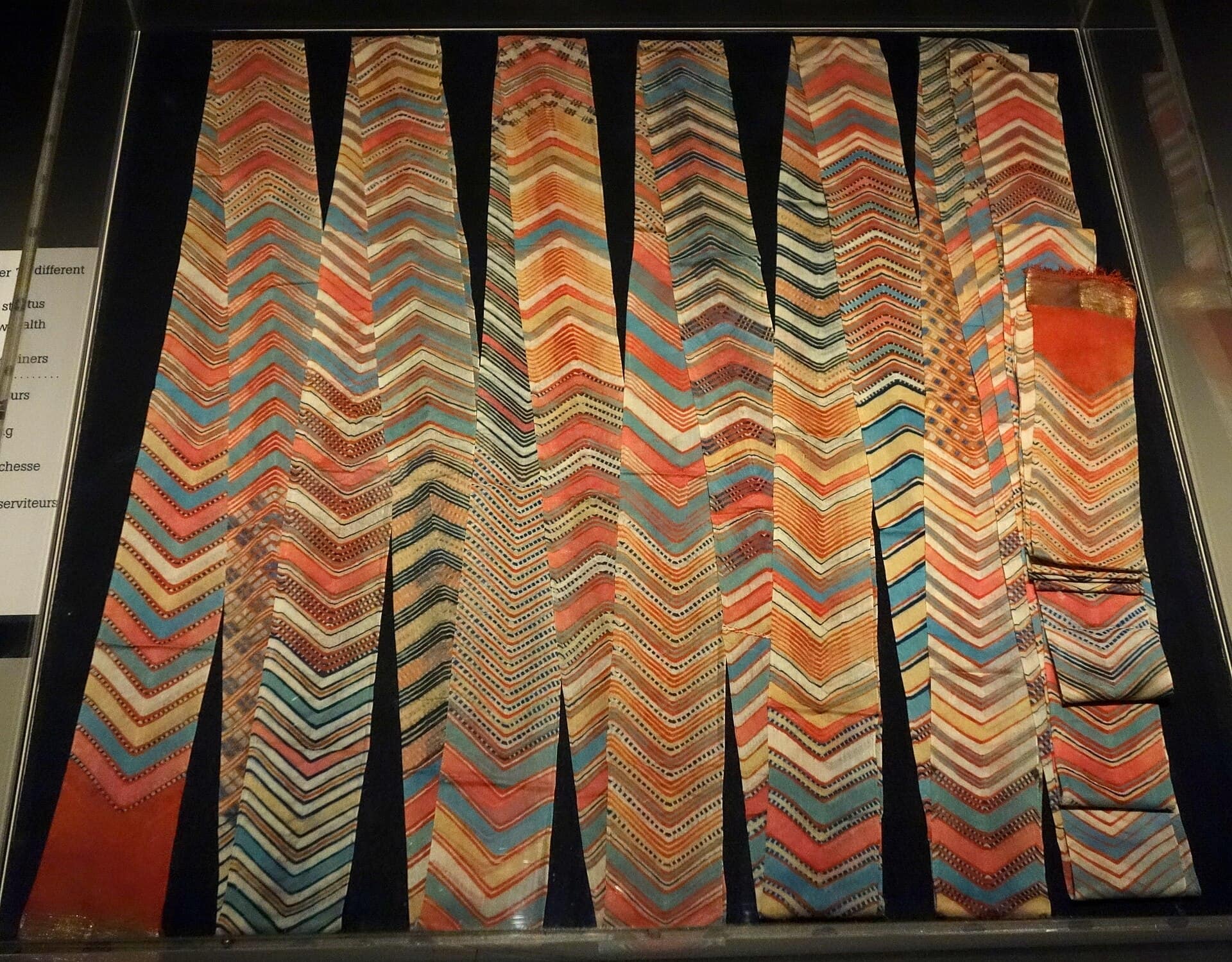
Light, loose clothing and good shoes are the basics. If you are visiting the Ranakpur Jain Temple, plan your outfit around its rules: covered shoulders and knees, and no leather at all. For photos, a leheriya dupatta or a bright safa stands out well against the brown stone of the fort.
Trending wear
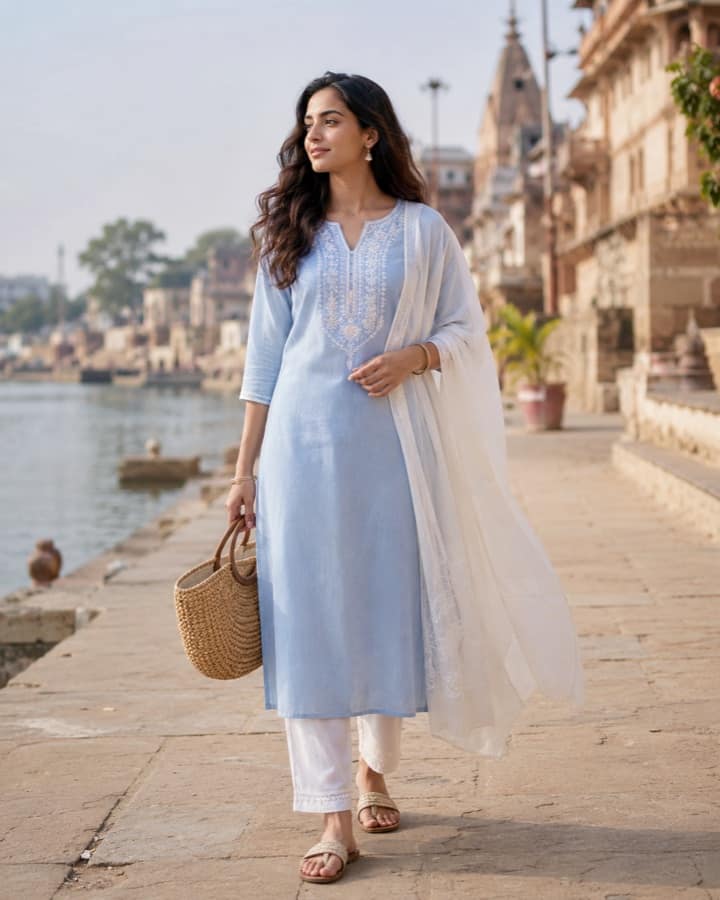
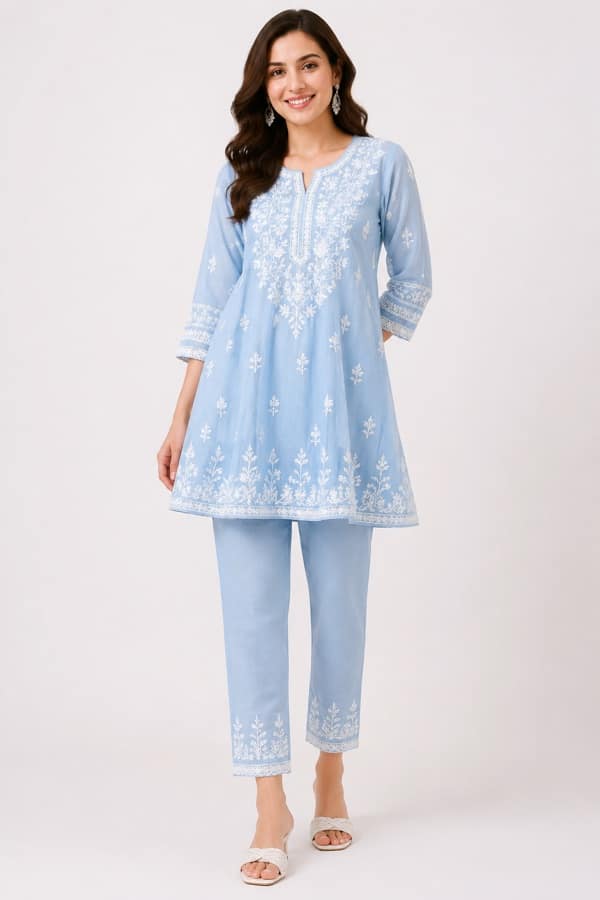
Modern, Instagram-friendly looks
Traditional wear
Local cultural outfits
What to Wear in Kumbhalgarh During Winter
Winter (October to March) is the main season. Days are pleasant and sunny, but early mornings and nights in the hills can be cold, especially from December to February. Dress in layers you can take off as the day warms up.
Best Winter Outfits for Kumbhalgarh
- Cotton kurtas or shirts with trousers or jeans
- A sweater, fleece or light jacket for mornings and evenings
- A warm shawl or stole for the evening show at the fort
- Full-length skirts or ethnic co-ords with a jacket
- Sunglasses and a cap for the midday sun on the ramparts
What to Wear in Kumbhalgarh During Summer
Summer (April to June) is very hot and dry, and the stone of the fort holds the heat. Wear the lightest clothing you have, but keep your skin covered from the sun.
Best Summer Outfits for Kumbhalgarh
- Loose cotton or linen kurtas and shirts
- Light, long trousers or palazzos
- A wide-brimmed hat or a scarf for your head
- Sunglasses and sunscreen
- Light colours that reflect the heat
What to Wear in Kumbhalgarh During the Monsoon
The monsoon (July to September) brings on-and-off showers, green hills and humid air. The stone paths and steps in the fort can get slippery.
Best Monsoon Outfits for Kumbhalgarh
- Quick-drying tops and trousers
- A light rain jacket or a compact umbrella
- A spare layer for cooler, cloudy evenings
- Shoes or sandals with a good grip
Dress Code for Ranakpur and the Temples
The Ranakpur Jain Temple does not allow shorts, sleeveless tops or short skirts, so cover your shoulders and knees. Leather is not allowed inside, including belts, wallets, bags and watch straps, so leave them in the car or at the counter. The shrines inside the fort also expect modest dress and bare feet.
Best Colours to Wear in Kumbhalgarh
The fort is built of brown and grey stone, set against dry hills for most of the year. Bright colours such as saffron, red, mustard and turquoise stand out best against it. At Ranakpur, where everything is white marble, deeper colours like maroon, indigo or rust work better than white or cream.
Footwear Tips for Kumbhalgarh
The climb to Badal Mahal is steep and uneven, and walking the wall means rough stone underfoot. Wear comfortable walking shoes or sneakers with a good grip. Carry socks for temple visits, as marble floors get hot in the afternoon sun and cold on winter mornings. Avoid heels and smooth-soled sandals.
Questions
Kumbhalgarh — FAQ
What should I wear to Kumbhalgarh Fort?
Wear loose, comfortable clothes and good walking shoes, as the climb to Badal Mahal is steep. Carry a hat and water for the sun, and a warm layer if you are staying for the evening show in winter.
What is the dress code for the Ranakpur Jain Temple?
Cover your shoulders and knees, as shorts, sleeveless tops and short skirts are not allowed. Leather items such as belts, wallets and bags are also not allowed inside, and you will remove your shoes at the entrance.
Is it cold in Kumbhalgarh in winter?
Days are usually pleasant, but nights and early mornings in the hills can be cold from December to February. Pack a sweater or jacket and a shawl for the evenings.
What shoes are best for Kumbhalgarh?
Comfortable walking shoes or sneakers with a good grip are best for the steep paths and uneven stone of the fort and the wall. Slip-ons are handy on days you visit temples.
What should I wear for photos in Kumbhalgarh?
A leheriya or bandhej dupatta, a bright safa or a kurta in saffron, red or turquoise looks great against the brown stone of the fort and the hills around it.