
Rajasthan · India
Kumbhalgarh
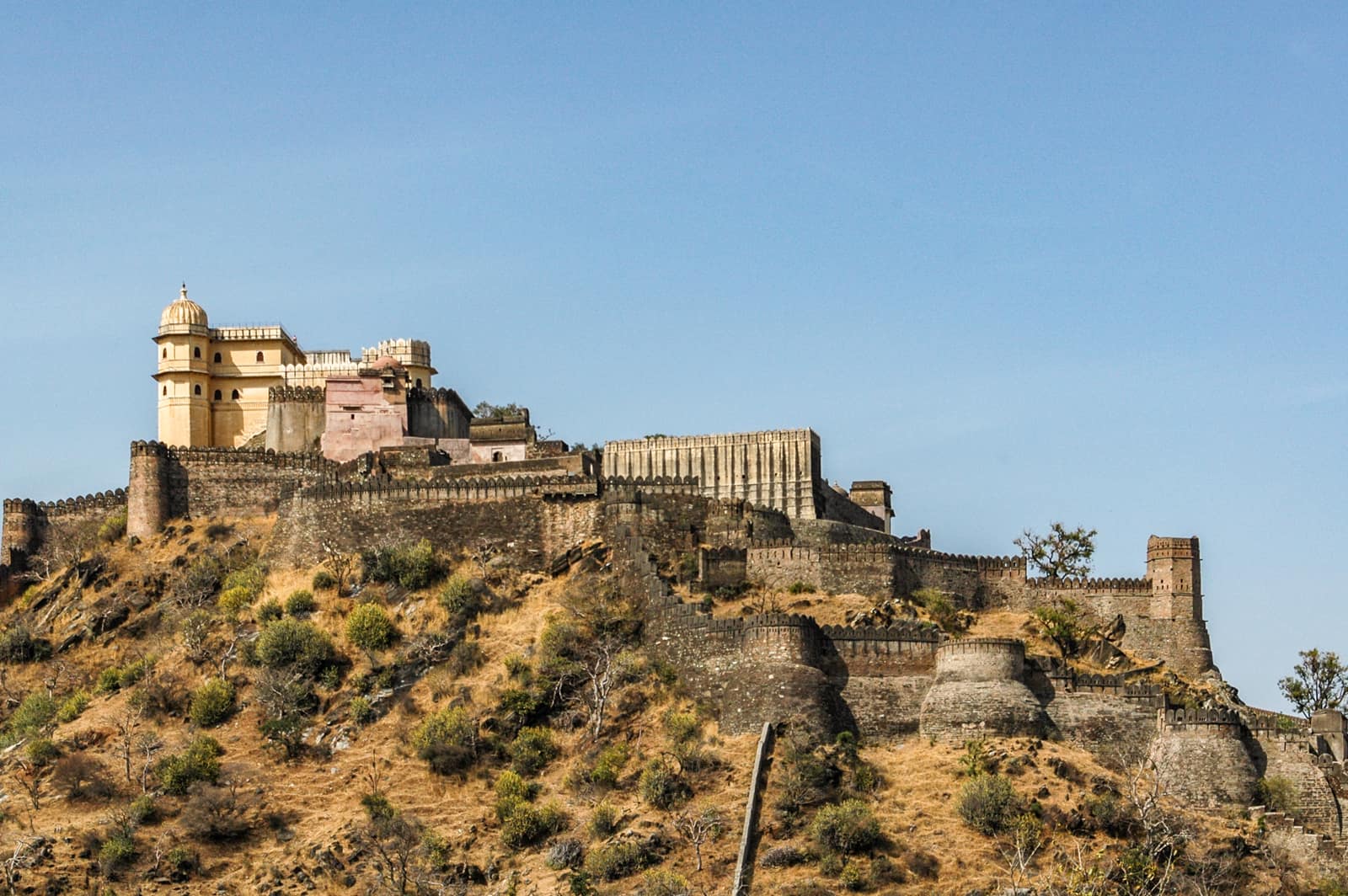
A mighty Mewar hill fort in the Aravallis, girded by the 'Great Wall of India' — the second-longest continuous wall in the world — near the exquisite Ranakpur Jain temple.
Kumbhalgarh is Rajput grandeur: the birthplace-fort of Maharana Pratap, its 36 km fortified wall, the Badal Mahal palace, a wildlife sanctuary, and Ranakpur's marble temple nearby.
Plan your trip
Kumbhalgarh Tour Itineraries
Timed, walkable day plans — plus the best season to go.
Where to shoot
Kumbhalgarh Photo Spots
 Medium crowd
Entry Included
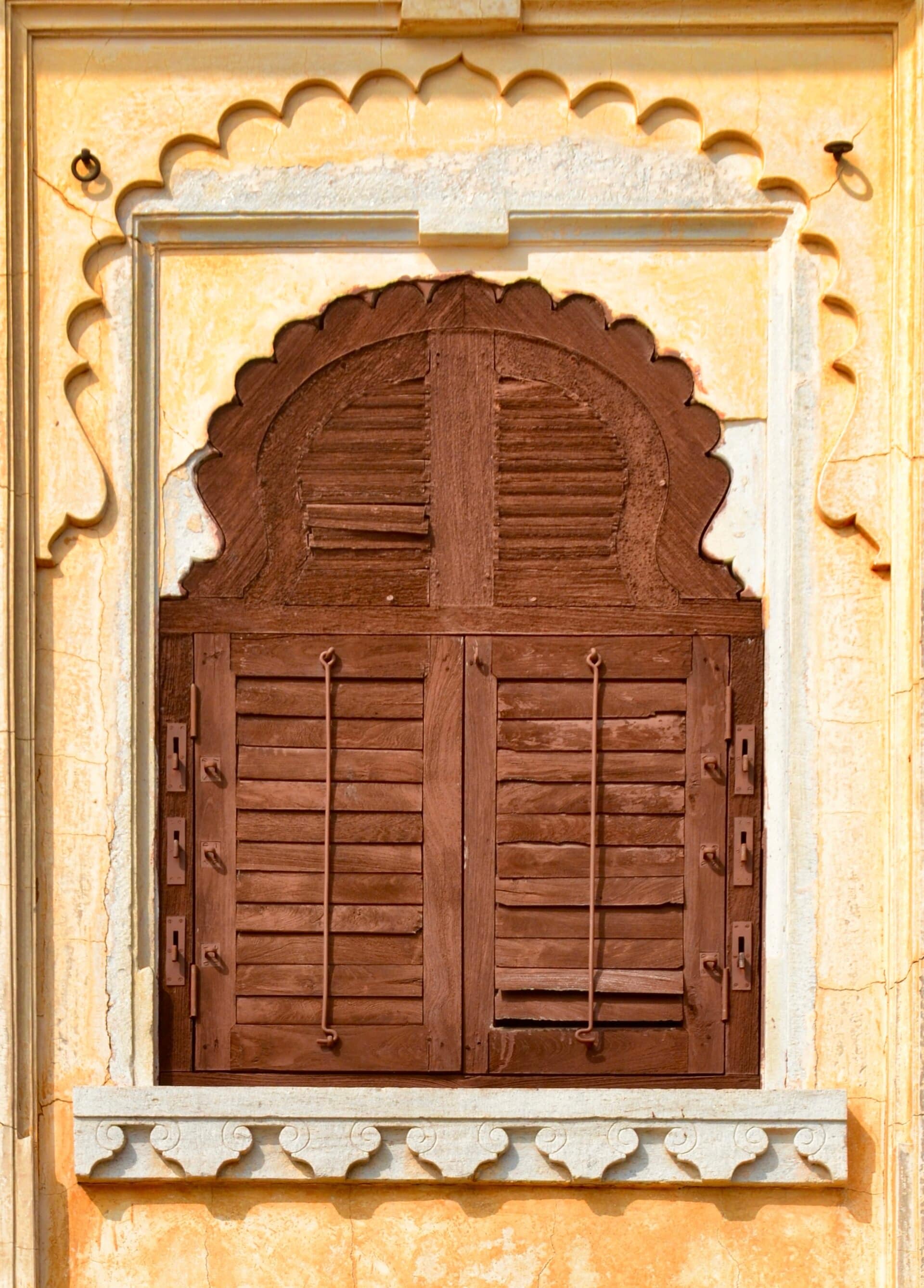
Badal Mahal
- Best timeEarly morning for clear views before the climb gets busy; late afternoon for warm light on the palace and the hills.
- ColorsPastel pinkTurquoiseCream
 Medium crowd
Entry Included
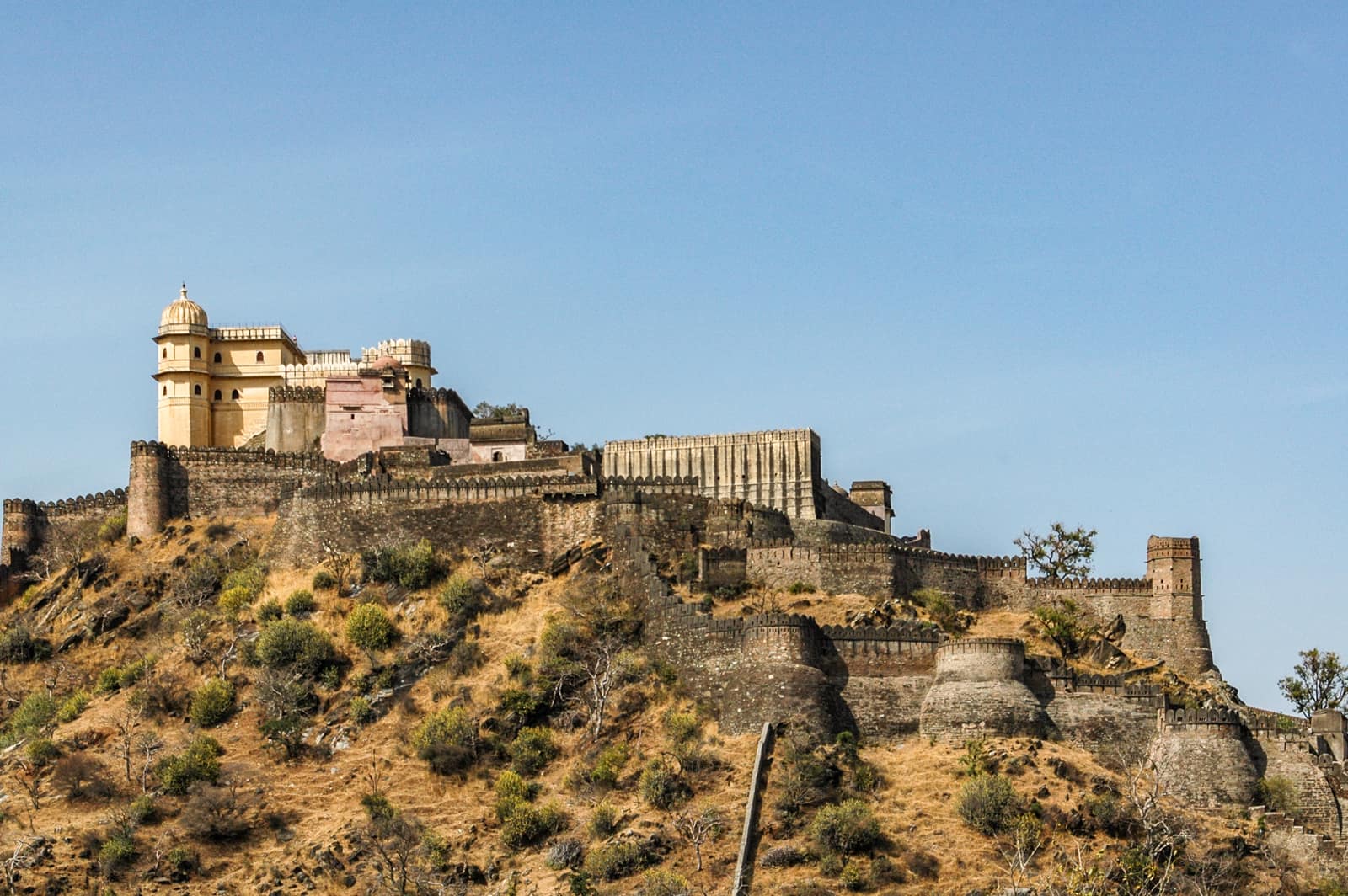
Great Wall of India
- Best timeLate afternoon into sunset, when low side light shows the wall snaking over the ridges.
- ColorsRustCreamIndigo
 Medium crowd
Entry Ticketed
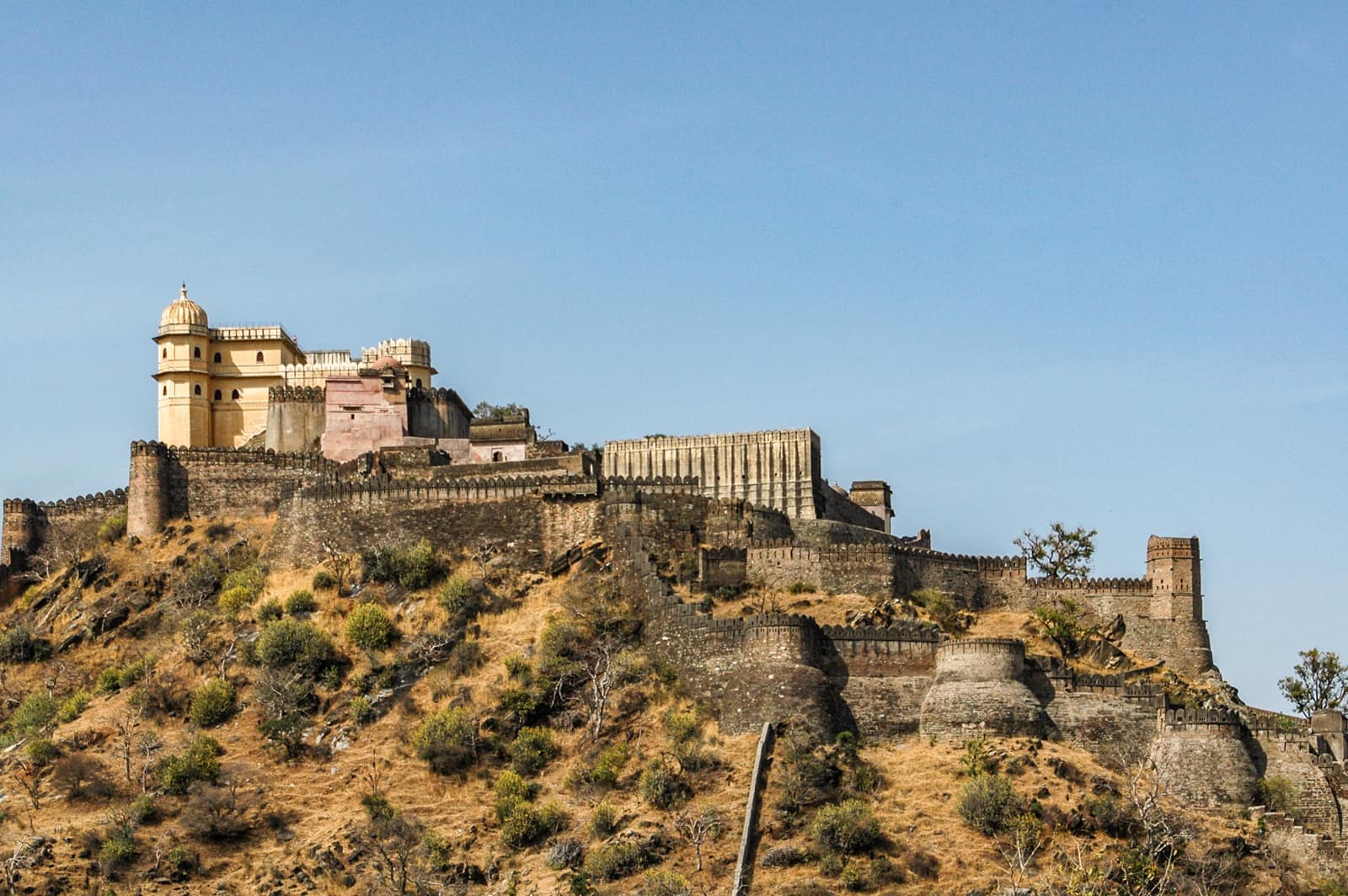
Kumbhalgarh Fort
- Best timeEarly morning for soft light and a quiet climb; evening for the fort walls lit up after sunset.
- ColorsSaffronRustCream
Entry Safari fee
Kumbhalgarh Wildlife Sanctuary
- Best timeEarly morning, when animals are most active and soft light lies over the forest; late afternoon for golden light on the hills.
- ColorsKhakiOliveRust
 Medium crowd
Entry Ticketed
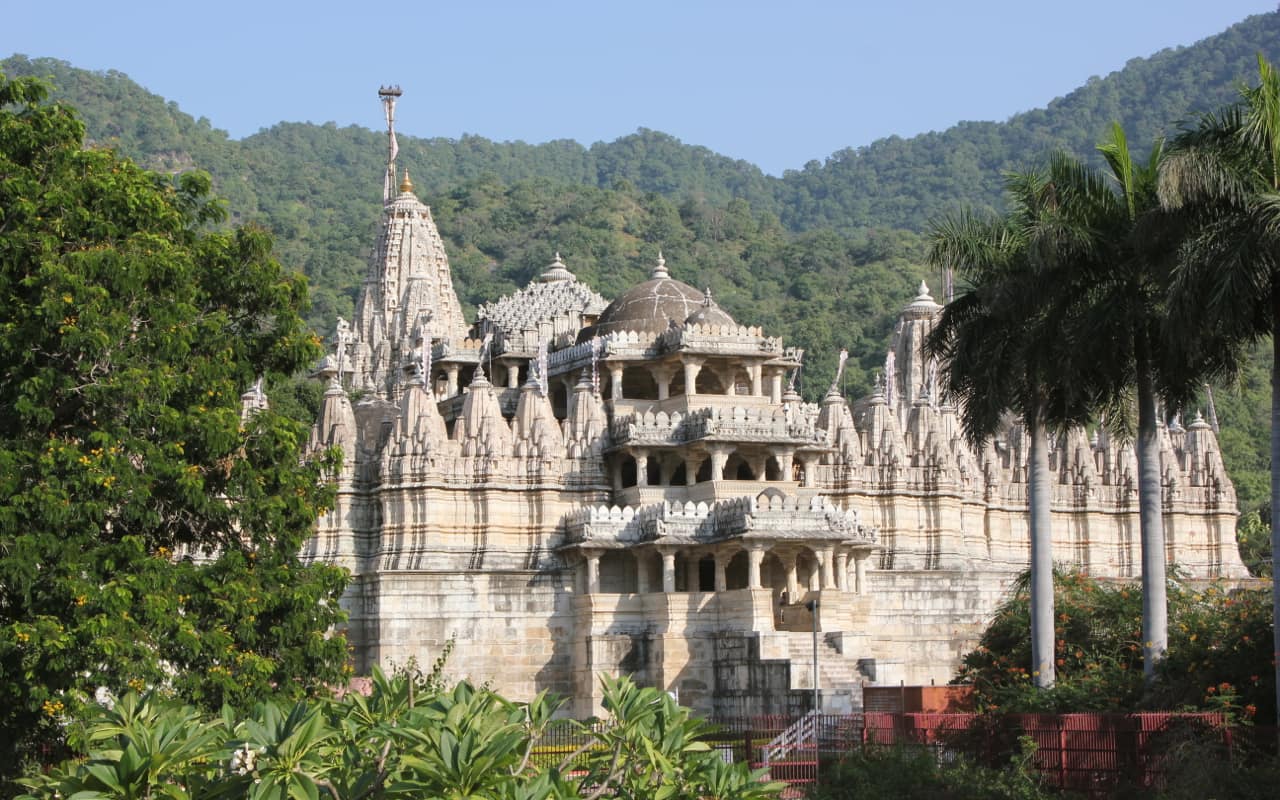
Ranakpur Jain Temple
- Best timeAround noon, as soon as visitors are let in, before tour groups arrive and while daylight fills the pillared halls.
- ColorsWhiteCreamSaffron
For the feed
Trending Wear in Kumbhalgarh
Modern, Instagram-friendly looks


Rooted in the city
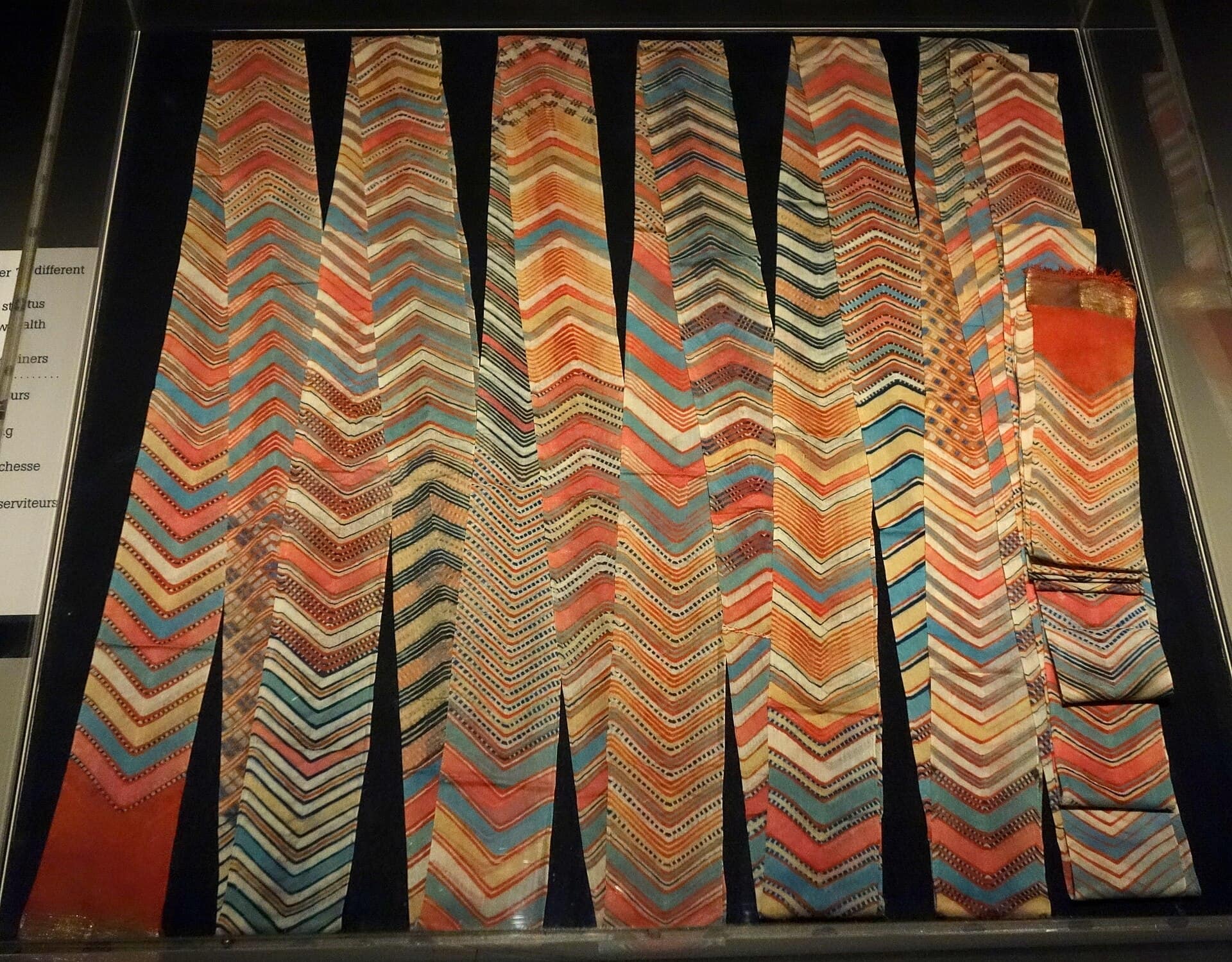
Kumbhalgarh Traditional Wear
Local, cultural, handcrafted outfits
Taste the city
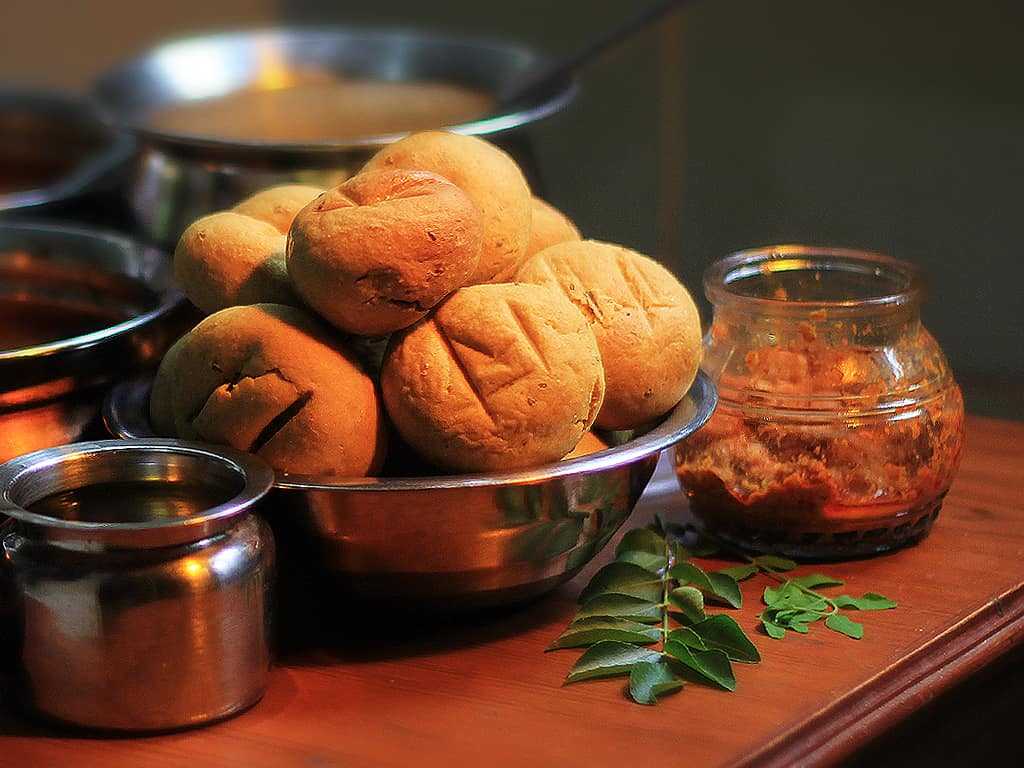
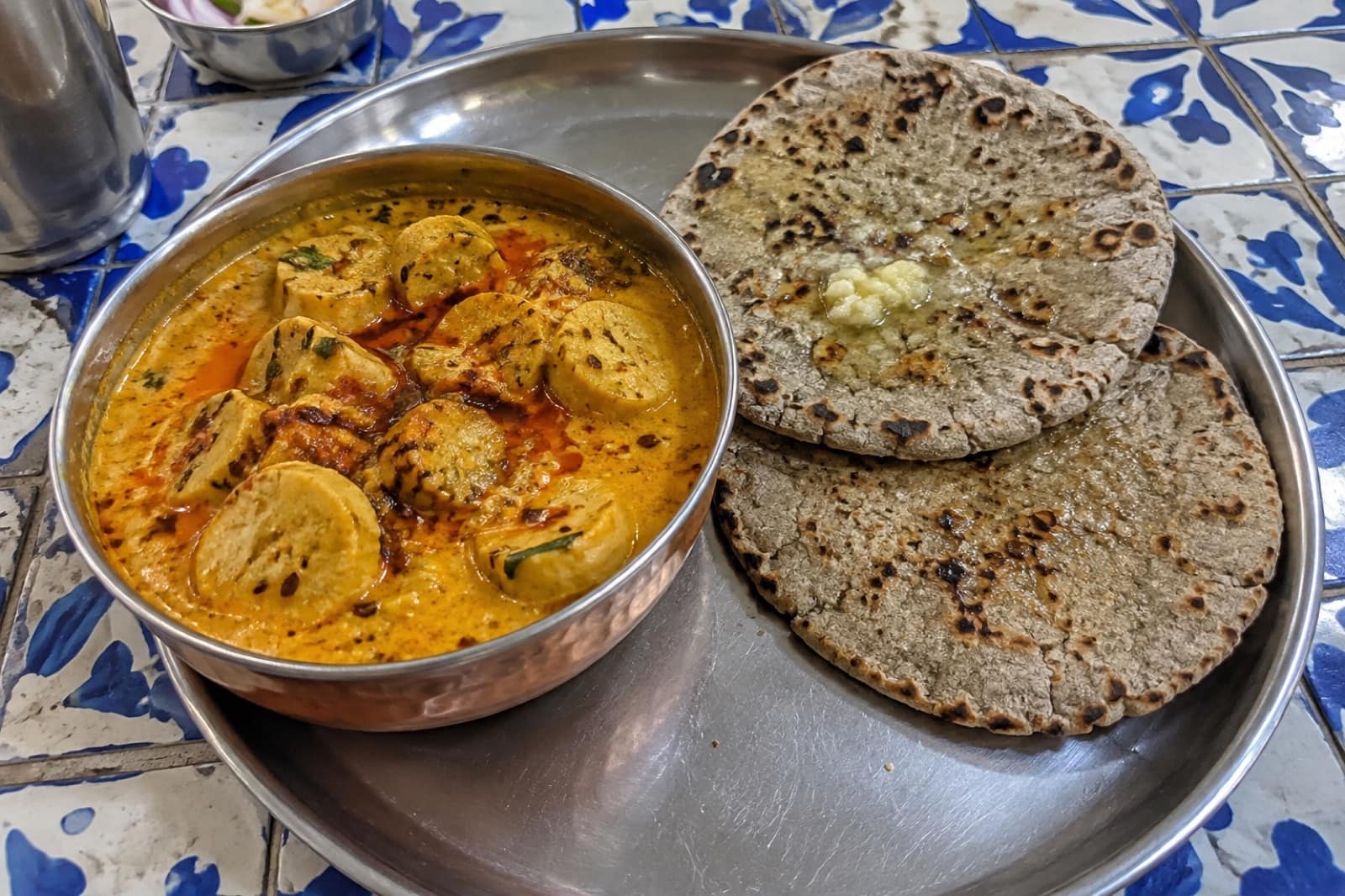
Food to Eat in Kumbhalgarh
Trusted tables
Where to Eat in Kumbhalgarh
 Representative photo
Kelwara Rajasthani Dhani
Kelwara
Representative photoKumbha Bagh Restaurant
Kumbhalgarh
Representative photoRanakpur Hill Resort Restaurant
Ranakpur
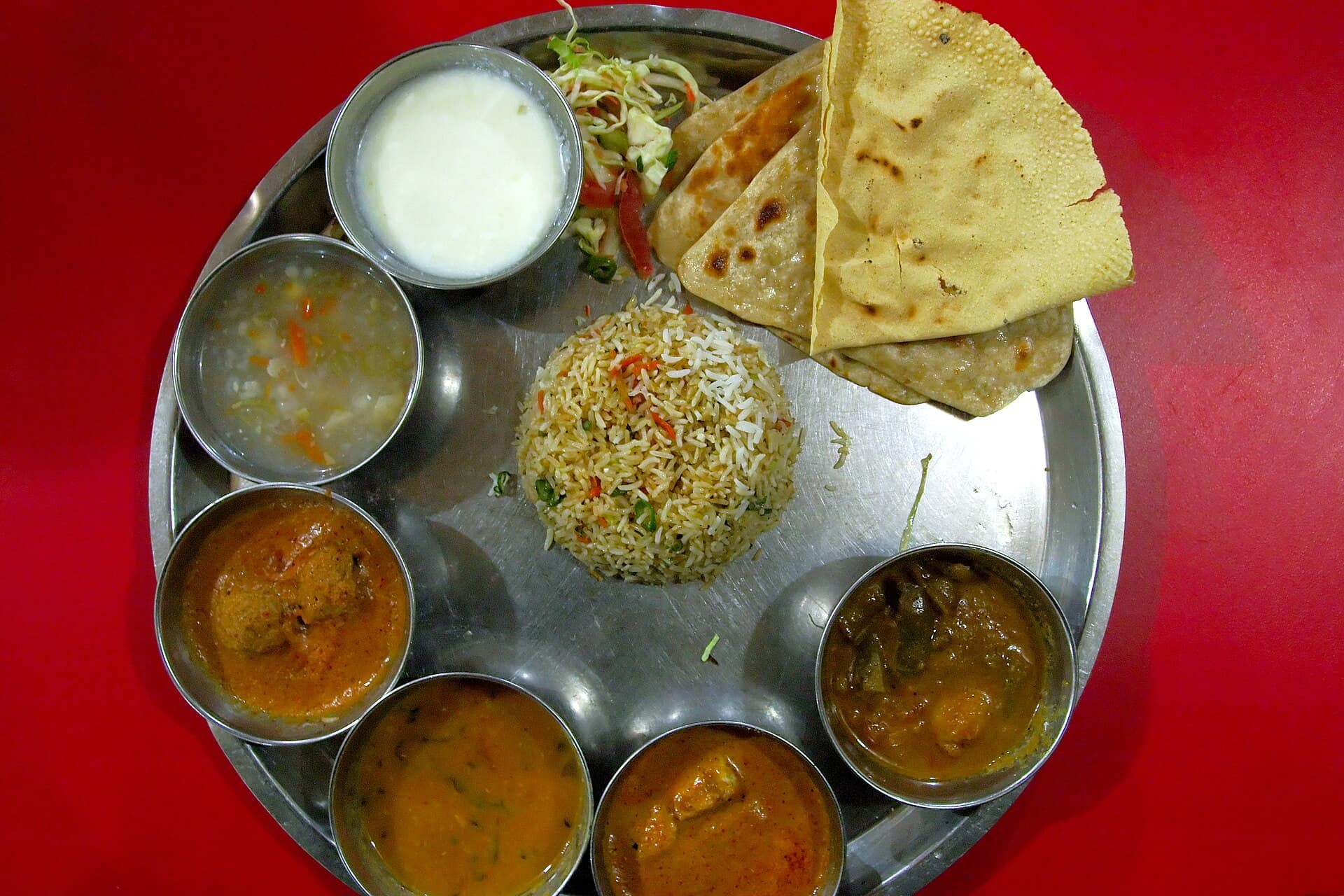 Representative photo
The Aodhi Restaurant
Kumbhalgarh
About Kumbhalgarh
Kumbhalgarh is a hill fort in the Aravalli range of Rajasthan, built in the 15th century by Rana Kumbha of Mewar. It sits at about 1,100 m, and its outer wall runs for about 36 km over the ridges, which is why it is often called the Great Wall of India. Maharana Pratap was born here, and the fort is one of the six Hill Forts of Rajasthan listed together as a UNESCO World Heritage Site.
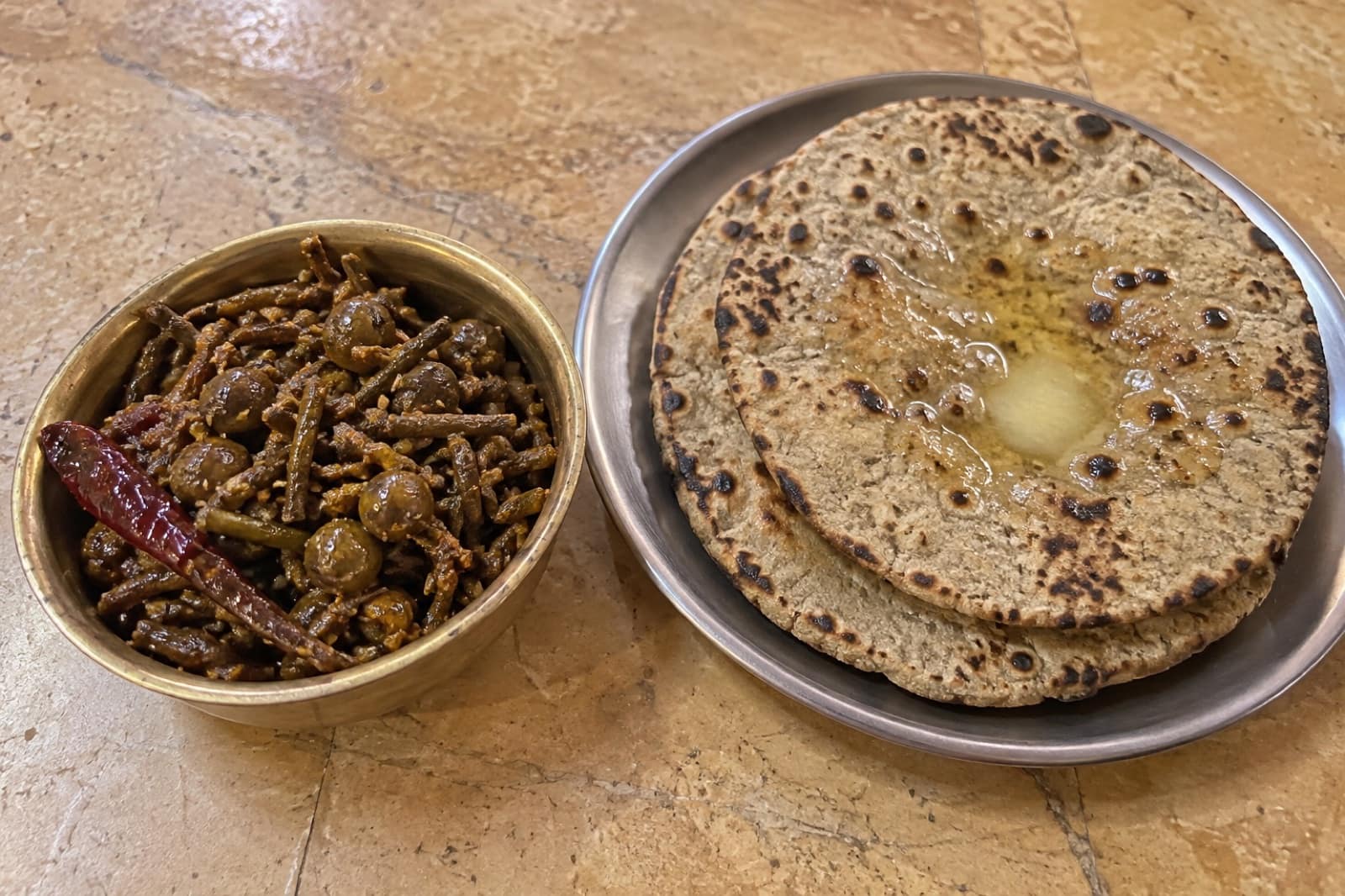
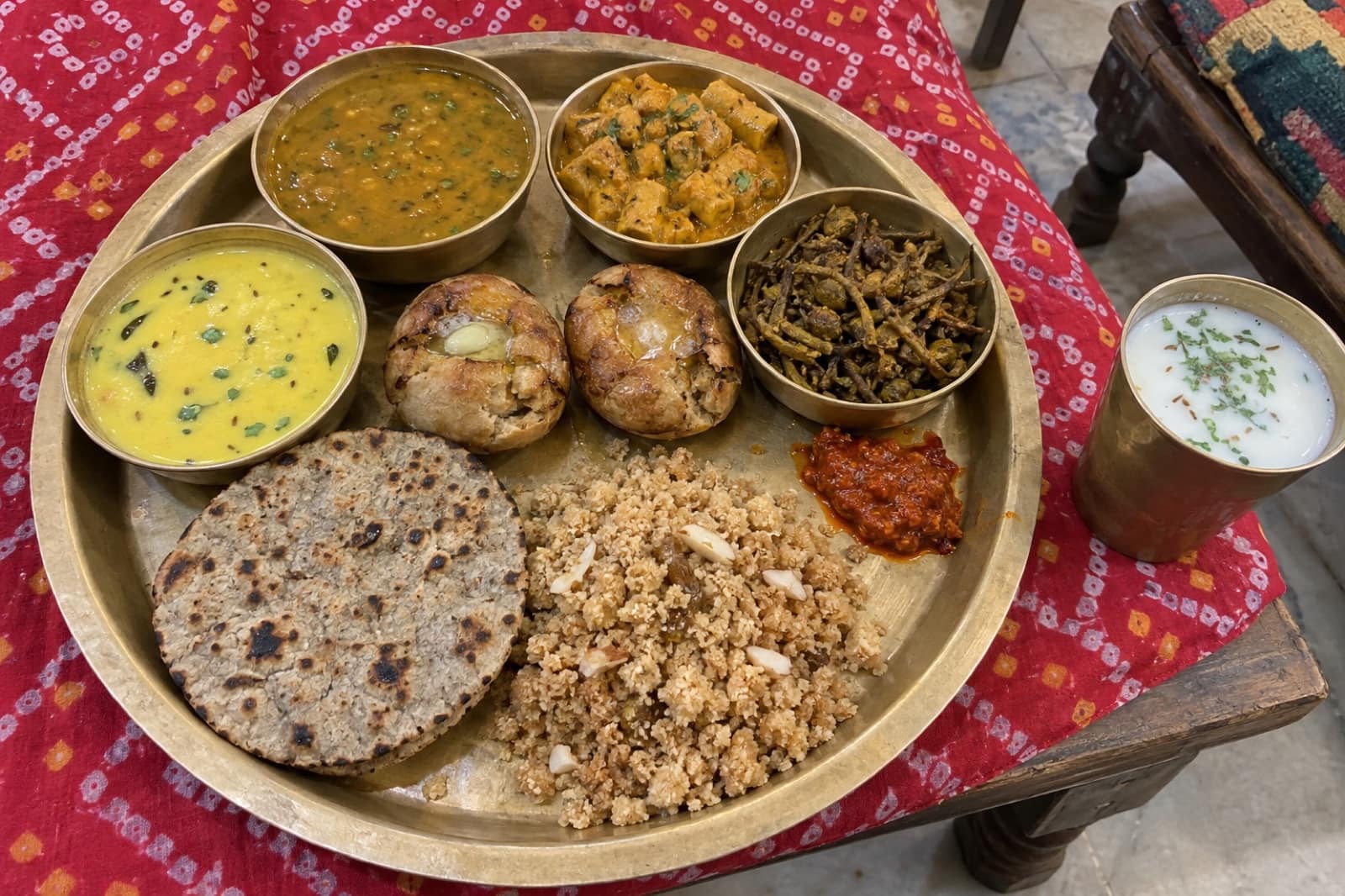
There is no big town here, only the fort, the village of Kelwara below it and a scattering of places to stay in the hills. Spend a morning climbing up through the gates to Badal Mahal, walk a stretch of the wall in the late afternoon and stay for the evening light-and-sound show. Add a jeep safari in Kumbhalgarh Wildlife Sanctuary and a trip to the marble Ranakpur Jain Temple, and eat Mewar food such as dal baati churma, gatte ki sabzi and ker sangri.
Questions
Kumbhalgarh — FAQ
What is Kumbhalgarh famous for?
Kumbhalgarh is famous for its 15th-century hill fort and the wall around it, about 36 km long and often described as one of the longest continuous walls in the world. It is also known as the birthplace of Maharana Pratap, for Badal Mahal at the top of the fort, and for the Ranakpur Jain Temple nearby.
How many days are enough for Kumbhalgarh?
1–2 days is enough. One day covers the fort, Badal Mahal, a walk on the wall and the evening show. A second day gives you time for Ranakpur and a safari in the wildlife sanctuary.
What is the best time to visit Kumbhalgarh?
October to March is the most comfortable time, with cool mornings and pleasant days for climbing the fort. April to June is very hot, and July to September brings some rain and green hills. See the best time to visit Kumbhalgarh for a season-by-season guide.
How do I reach Kumbhalgarh?
Most visitors come from Udaipur, about 85 km away by road, where the nearest airport and a main railway station are. From there, a taxi is the easiest option, as public transport to the fort is limited. Many people visit Ranakpur on the same trip.
Can I visit Kumbhalgarh and Ranakpur in one day?
Yes. Many visitors do both in a day from Udaipur. Plan Ranakpur for the afternoon, as non-Jain visitors are usually let in only from around noon, and reach Kumbhalgarh in the late afternoon for the wall at sunset and the evening show.