
Best Photo Spots in Lepakshi
Lepakshi is a small place, and every good photo here is within a 200 m walk. The temple rewards patience with detail, and the Nandi rewards an early start with clean light and no crowd.
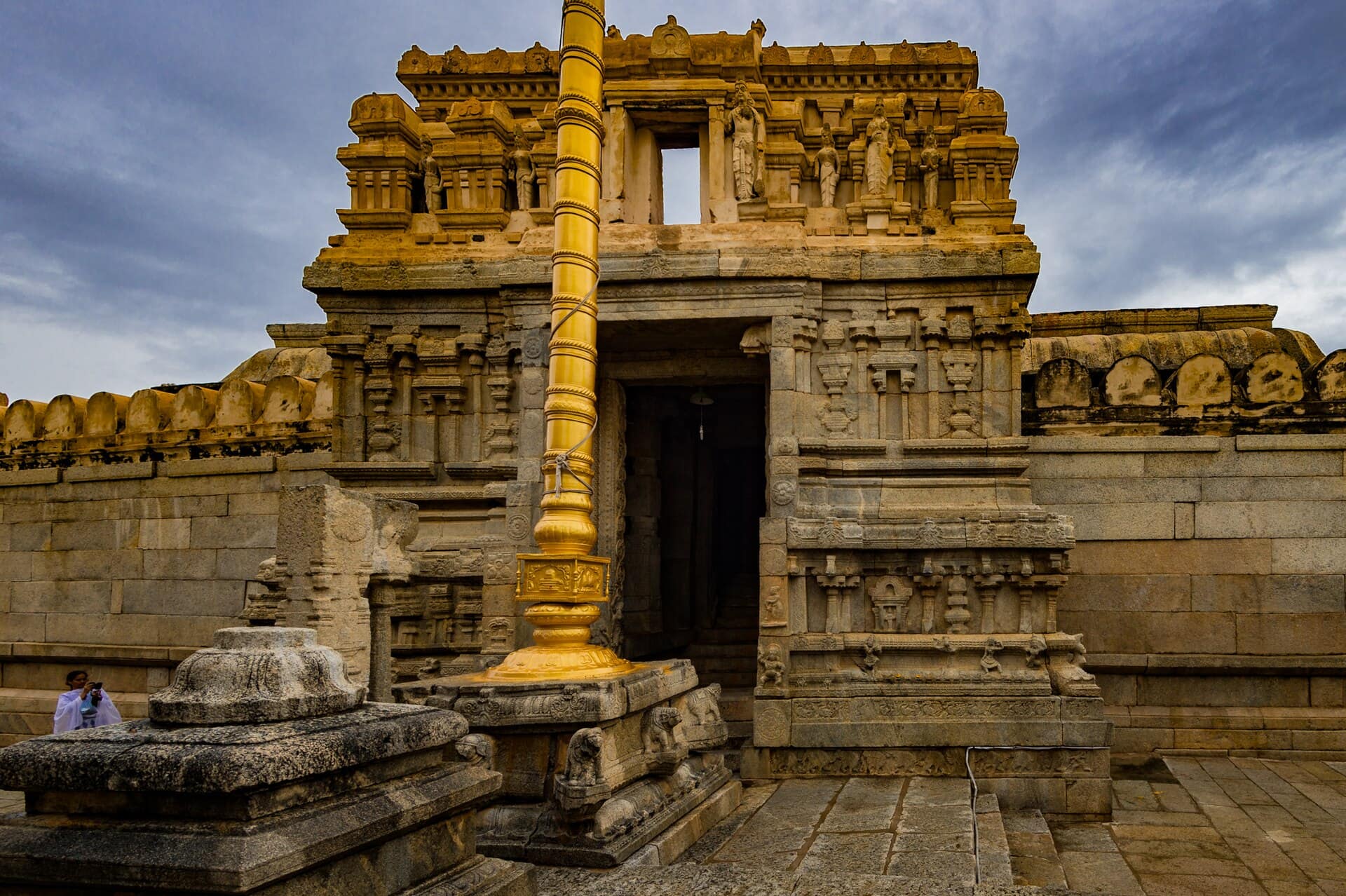 Medium crowd
Entry Temple entry
Hanging Pillar
- Best timeEarly morning, before the queue forms, when you can crouch at the base without people in the frame; midday also works because the hall is shaded.
- ColorsSaffronCreamMaroon
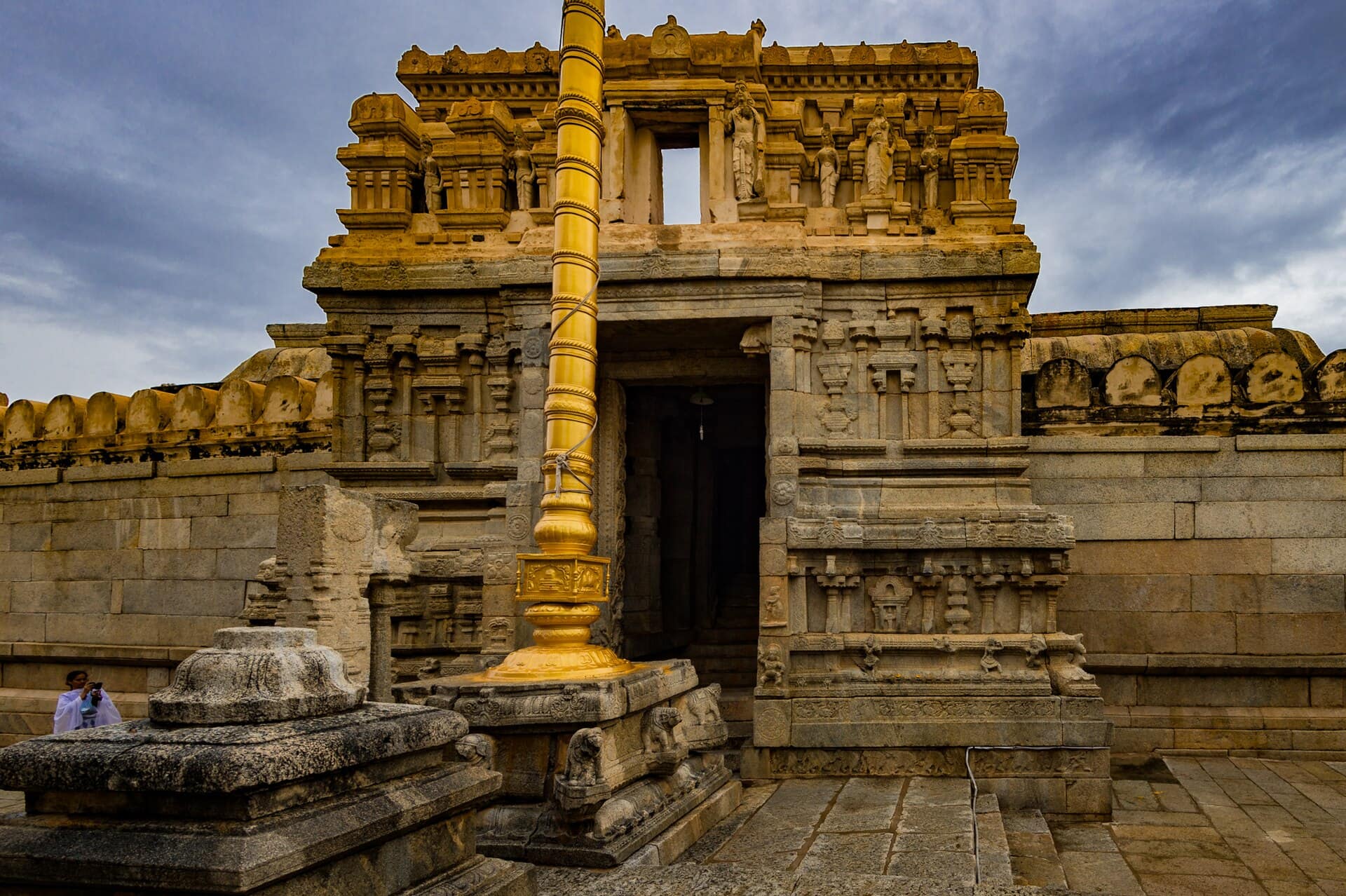 Low crowd
Entry Temple entry
Kalyana Mandapa
- Best timeEarly morning, when low side light brings out the depth of the carving and the stone is cool; late afternoon for warm light on the pillars.
- ColorsCreamSaffronRust
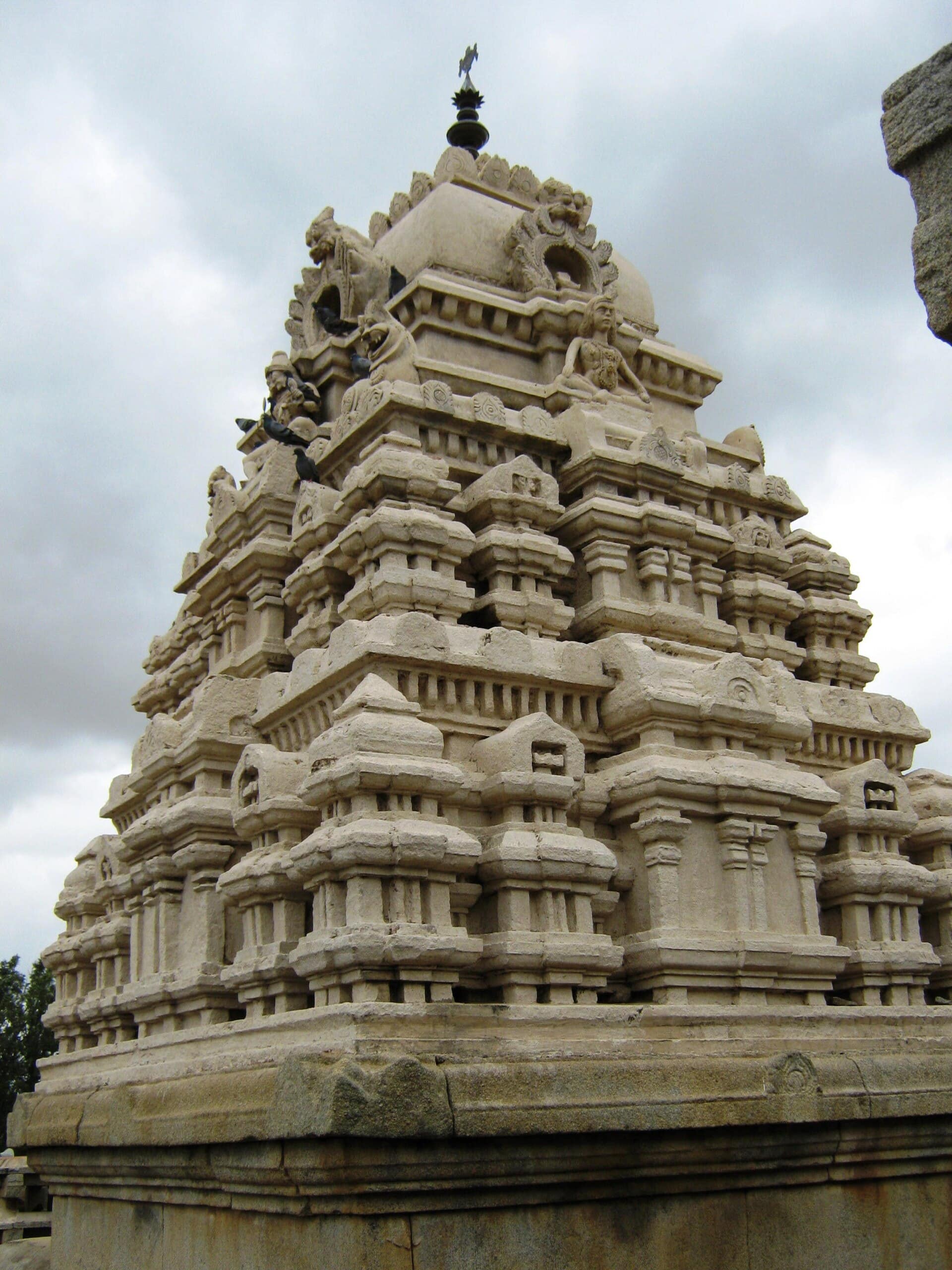 Medium crowd
Entry Temple entry
Lepakshi Ceiling Murals
- Best timeLate morning to early afternoon, when the most daylight reaches into the halls; any hour works because the ceilings are always in shade.
- ColorsSaffronCreamMaroon
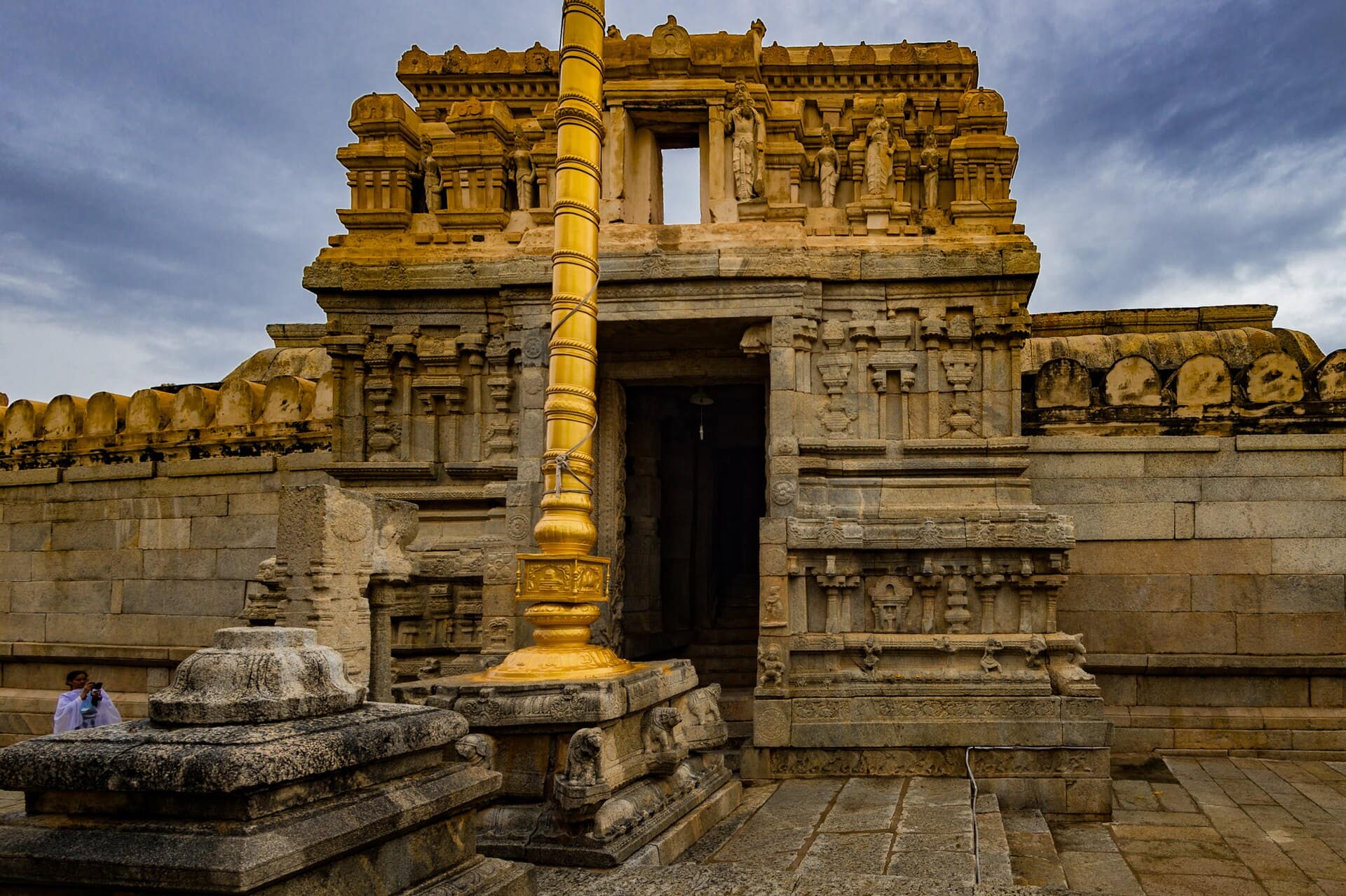 Medium crowd
Entry Free
Lepakshi Nandi
- Best timeEarly morning, when low sun lights the carved bells and the garden is empty; late afternoon for warm light on the granite.
- ColorsSaffronCreamRust
 Medium crowd
Entry Nominal
Veerabhadra Temple
- Best timeEarly morning, when the granite and the gateway are in soft gold light and the halls are quiet; late afternoon for warm side light on the outer walls.
- ColorsSaffronCreamMaroon
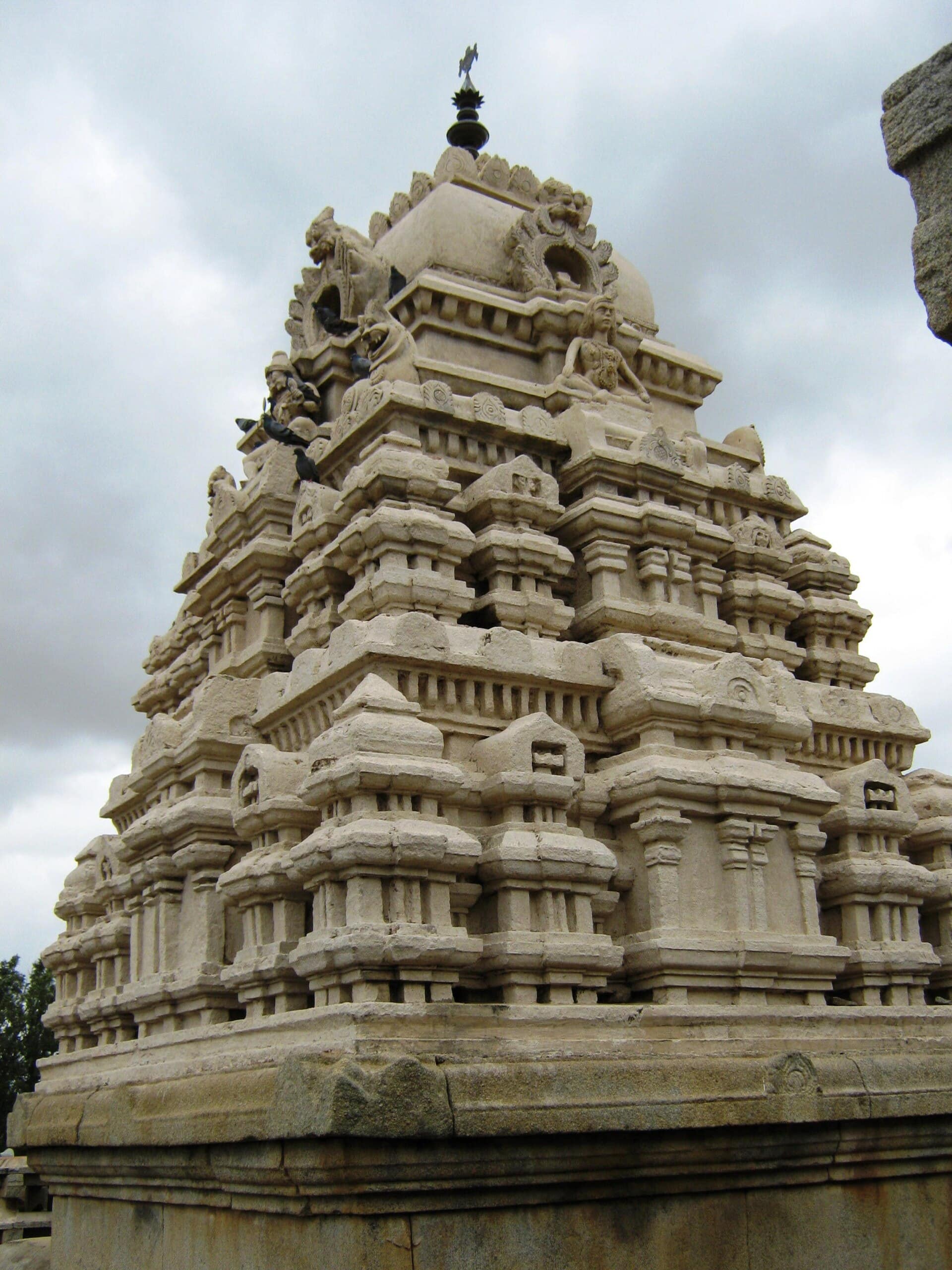
The temple from outside
The Veerabhadra Temple sits on a bare granite hump, and its outer walls and gateway look best from the open rock around it. In early morning the stone turns a soft gold. By noon it goes flat and white, and the heat off the rock makes a long session hard work.
The dance hall
Inside, the pillared natya mandapa is dense with carving: musicians, dancers, a three-legged sage and Shiva as the cosmic dancer. Light enters from the open sides, so the outer pillars are well lit and the inner ones fall into shade. Shoot the carvings on the edge of the hall with side light, and step back for a row of columns receding into the dark.
The hanging pillar
Queues form at the hanging pillar as people slide cloth underneath it. The shot everyone wants is low and close, showing the gap at the base. Wait for a gap in the queue and crouch to floor level.
The painted ceilings
The murals are overhead, which means shooting straight up. A phone's wide lens helps here. Keep the flash off: it flattens the colours and bright light is hard on old paint.
Behind the shrine
The unfinished Kalyana Mandapa is roofless, so it has the best light in the complex for carved pillars against sky. The seven-hooded serpent over the linga, carved on a boulder nearby, is best in late afternoon.
The Nandi
The Nandi sits in a small garden 200 m away. Shoot it from the front three-quarter angle to show both the face and the ornaments along its body.
Rules to know
Photography is generally allowed in the halls and courtyards. It is not allowed inside the sanctum. Tripods and professional shoots may need permission, and drones should not fly over a protected monument without it. Ask before photographing people at worship.
Questions
Lepakshi — FAQ
Can I take photos inside the Lepakshi temple?
Yes, in the halls, corridors and courtyards. Photography is not allowed inside the sanctum. Keep the flash off near the painted ceilings.
Which photo spot in Lepakshi is quietest?
The unfinished Kalyana Mandapa behind the main shrine. Most groups stop at the hanging pillar and the murals, so the wedding hall is often empty early in the day.
How do I photograph the ceiling murals well?
Stand directly under a panel and point your phone straight up, using the wide lens. Let your eyes adjust first, and brace the phone against a pillar if the light is low.
Can I fly a drone at Lepakshi?
Not without permission. The temple is a protected monument, and drone flights over such sites need prior approval.