
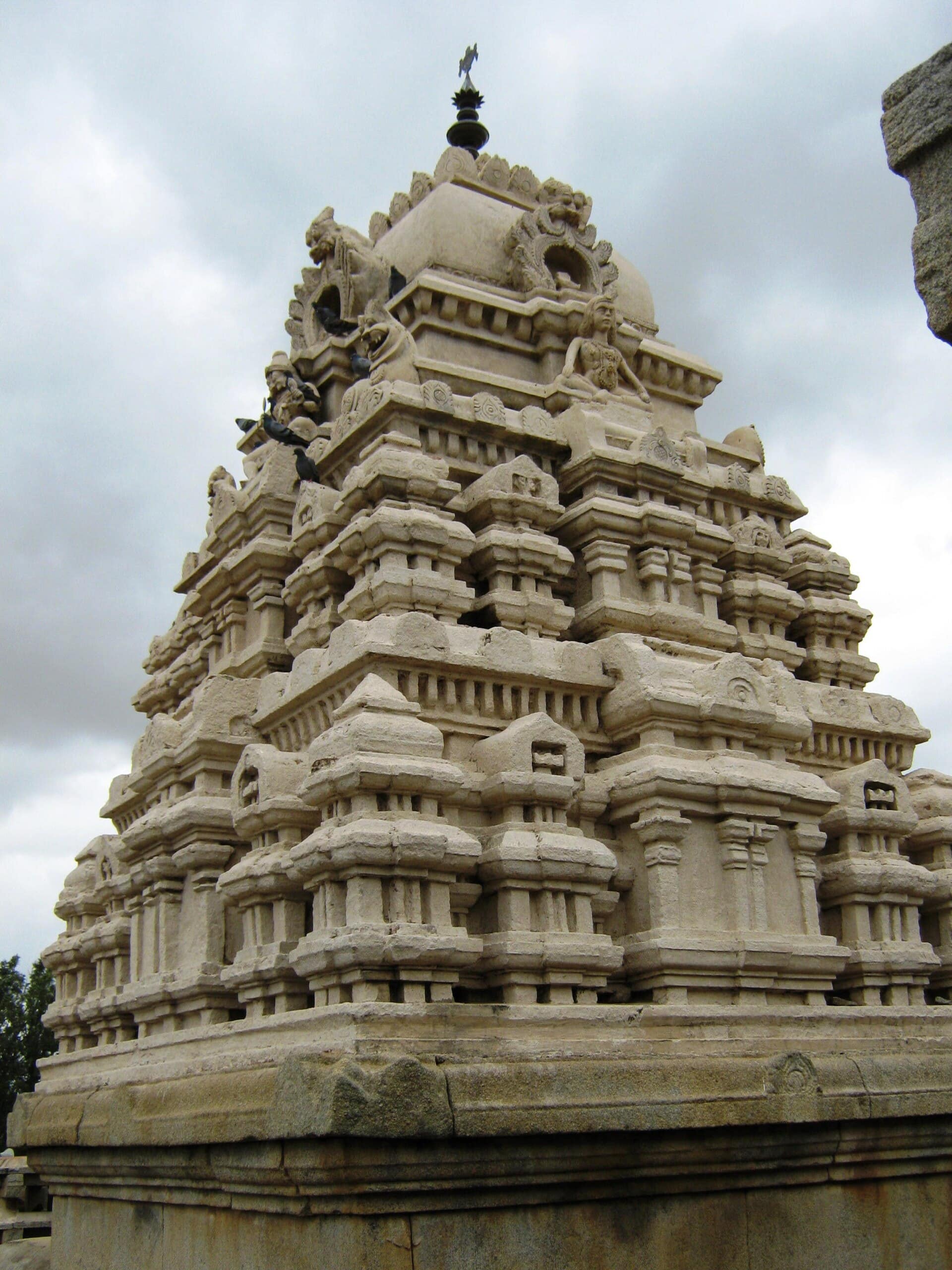
Photo spot in Lepakshi
Lepakshi Ceiling Murals
Lepakshi, Andhra Pradesh
The temple's celebrated Vijayanagara-era frescoes covering the mandapa ceilings — vivid natural-pigment paintings of deities, processions and the epics, among the finest surviving Indian murals.
Best time
Late morning to early afternoon, when the most daylight reaches into the halls; any hour works because the ceilings are always in shade.
Best angle
Stand directly under a painted bay and take a straight-up photo with your phone's wide lens, keeping the pillars at the edges of the frame.
Entry fee
Temple entry
Opening hours
6:00 AM – 6:00 PM
Crowd level
Medium
Best outfit colors
Overview
Best time to visit Lepakshi Ceiling Murals
Late morning to early afternoon, when the most daylight reaches into the halls; any hour works because the ceilings are always in shade. Crowds here are typically medium. Arrive a little early to claim your angle and catch the softest light before the day tips over.
Poses & angles
Photo tips for Lepakshi Ceiling Murals
Stand directly under a painted bay and take a straight-up photo with your phone's wide lens, keeping the pillars at the edges of the frame. Work a few of the pose ideas below, shoot wide for context and tight for detail, and give yourself a couple of extra minutes to get the frame right.
Looking up at the frescoes
Under the painted ceiling
Outfit guide
What to wear at Lepakshi Ceiling Murals
For photos at Lepakshi Ceiling Murals, saffron, cream and maroon work beautifully — they stand out against the setting without fighting it. Pick one hero colour and keep the rest of the look calm so you stay the subject of the frame.
Best outfit colors for photos
Trending wear for this spot
Popular modern looks travellers are wearing across Lepakshi.
Traditional wear for this spot
Timeless, cultural looks that suit Lepakshi Ceiling Murals.
Eat nearby
Food near Lepakshi Ceiling Murals
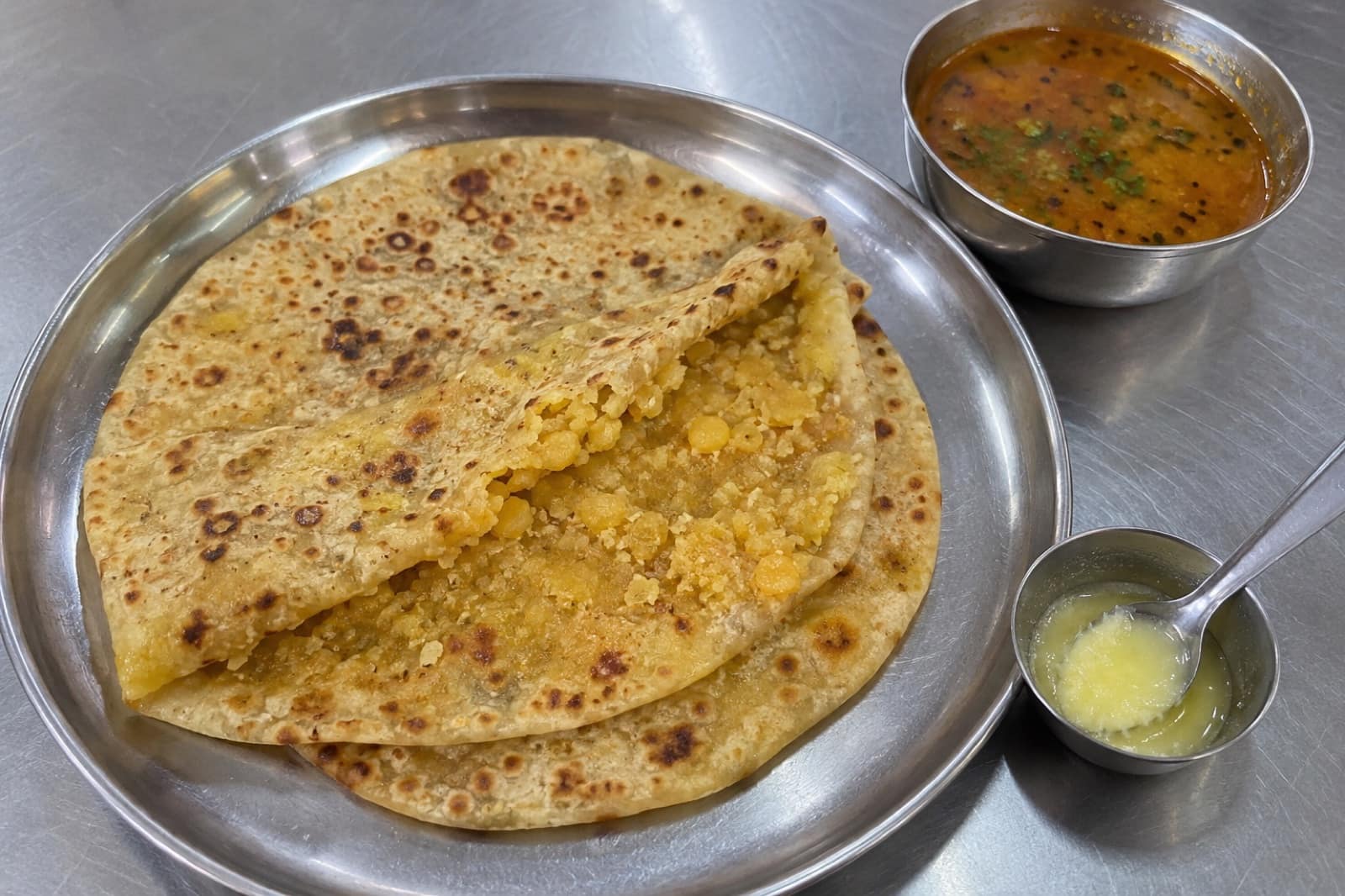
Round out the visit with something to eat. Look for bobbatlu nearby.
Special dishes to try
Search food by craving
Good to know
Local tips
Give your eyes a minute to adjust before you look up, as the hall is darker than the courtyard.
Ask a guide to find the Shiva–Parvati wedding and the Kailash panel for you.
Look for the painted Veerabhadra in front of the sanctum, the largest single figure here.
Keep your flash off, since strong light is hard on old paint and ruins the colours.
Use your phone's wide lens pointed straight up to fit a whole ceiling bay in one frame.
Watch your step while you look up, as the floor is uneven old stone.
Visit the murals in the middle of the day, when the outdoor sights are too hot.
Paintings on the ceilings
The ceilings of the Veerabhadra Temple hold one of the largest surviving sets of Vijayanagara wall paintings. They were painted in the 16th century on lime plaster laid over the stone. The painters used mineral and vegetable colours: ochre, black, white, grey and a little blue-green, almost always on a red background.
What to look for
The dance hall ceiling tells stories from the Ramayana, the Mahabharata and the Puranas. Look for the wedding of Shiva and Parvati, Ravana lifting Mount Kailash, Draupadi's swayamvara, and Arjuna fighting Shiva disguised as a hunter. In the antechamber, a large ceiling panel shows fourteen forms of Shiva. The biggest single figure is Veerabhadra himself, painted on the ceiling in front of the sanctum. It measures about 7 m by 4 m and is often called the largest single-figure fresco in Asia.
Faces and clothes
Look closely at the people. The figures have long almond eyes and wear pleated dhotis, sarees, tall caps and heavy jewellery. Historians use the murals as a record of how the Vijayanagara court dressed. The bird, animal and plant borders are said to have influenced the Kalamkari textile designs still made in Andhra.
Seeing them well
The paintings are overhead and the halls are dim, so give your eyes a minute to adjust. Some panels have faded or been retouched over the centuries. Soot from lamps used in worship has also darkened parts. Do not use flash, and do not touch the walls below.
Questions
Lepakshi Ceiling Murals — FAQ
What is the best time to visit Lepakshi Ceiling Murals?
Late morning to early afternoon, when the most daylight reaches into the halls; any hour works because the ceilings are always in shade. Stand directly under a painted bay and take a straight-up photo with your phone's wide lens, keeping the pillars at the edges of the frame.
Is there an entry fee at Lepakshi Ceiling Murals?
Entry to Lepakshi Ceiling Murals is by temple entry.
What are the opening hours of Lepakshi Ceiling Murals?
Lepakshi Ceiling Murals is open 6:00 AM – 6:00 PM.
What should I wear at Lepakshi Ceiling Murals?
Saffron, cream and maroon photograph especially well here. Explore the trending and traditional outfit ideas on this page for full looks.
How crowded does Lepakshi Ceiling Murals get?
Crowd levels are typically medium. To miss the busiest window: late morning to early afternoon, when the most daylight reaches into the halls; any hour works because the ceilings are always in shade.
What food should I try near Lepakshi Ceiling Murals?
Try bobbatlu at spots close by.
How old are the Lepakshi murals?
They date from the 16th century, when the temple was built under the Vijayanagara empire. Some panels were retouched later.
What stories do the Lepakshi murals show?
Scenes from the Ramayana, the Mahabharata and the Puranas, many forms of Shiva, and the temple's builders at prayer.
Which is the largest mural at Lepakshi?
The painting of Veerabhadra on the ceiling in front of the sanctum, about 7 m by 4 m. It is often called the largest single-figure fresco in Asia.
Can I photograph the Lepakshi murals?
Yes, in the halls, but without flash. Photography is not allowed inside the sanctum itself.