
Photo spot in Lucknow
Bara Imambara
Lucknow, Uttar Pradesh
A colossal 1784 Nawabi complex famed for its pillarless central hall and the Bhulbhulaiya — a maze of 1,000 interlocking passages.
Best time
Right at opening, when the courtyard is nearly empty and the soft morning light falls on the cream front; the roof is best in the clear light of late morning.
Best angle
Stand at the far end of the forecourt and take a straight, symmetrical photo of the arched front, then climb to the roof and shoot west towards Rumi Darwaza.
Entry fee
₹50 (Indian) / ₹500 (foreign, combined)
Opening hours
6:00 AM – 5:00 PM
Crowd level
High
Best outfit colors
Overview
Best time to visit Bara Imambara
Right at opening, when the courtyard is nearly empty and the soft morning light falls on the cream front; the roof is best in the clear light of late morning. Crowds here are typically high. Arrive a little early to claim your angle and catch the softest light before the day tips over.
Poses & angles
Photo tips for Bara Imambara
Stand at the far end of the forecourt and take a straight, symmetrical photo of the arched front, then climb to the roof and shoot west towards Rumi Darwaza. Work a few of the pose ideas below, shoot wide for context and tight for detail, and give yourself a couple of extra minutes to get the frame right.
Framed in a grand arch
In the labyrinth passages
Outfit guide
What to wear at Bara Imambara
For photos at Bara Imambara, cream, maroon and gold work beautifully — they stand out against the setting without fighting it. Pick one hero colour and keep the rest of the look calm so you stay the subject of the frame.
Best outfit colors for photos
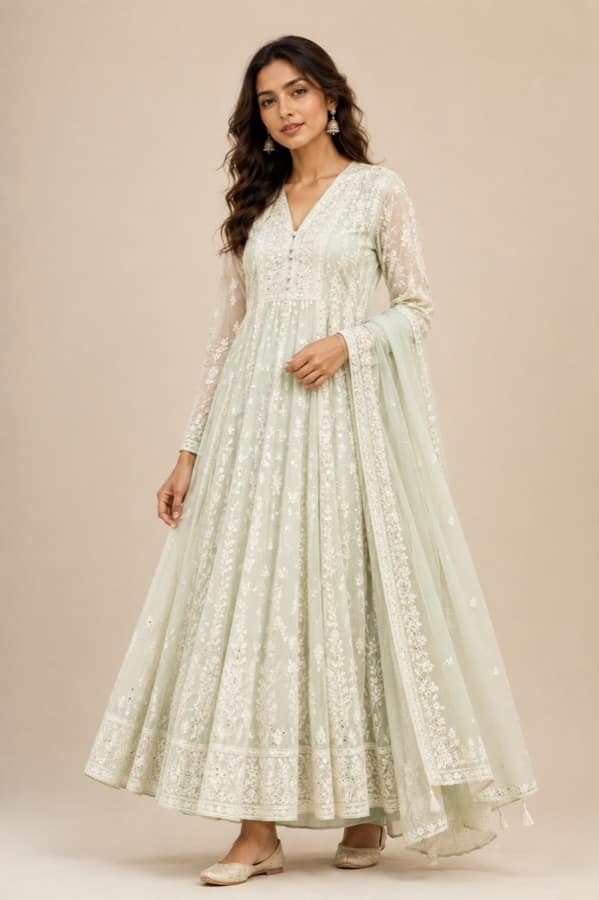
Trending wear for this spot
Modern, camera-ready looks picked for Bara Imambara.
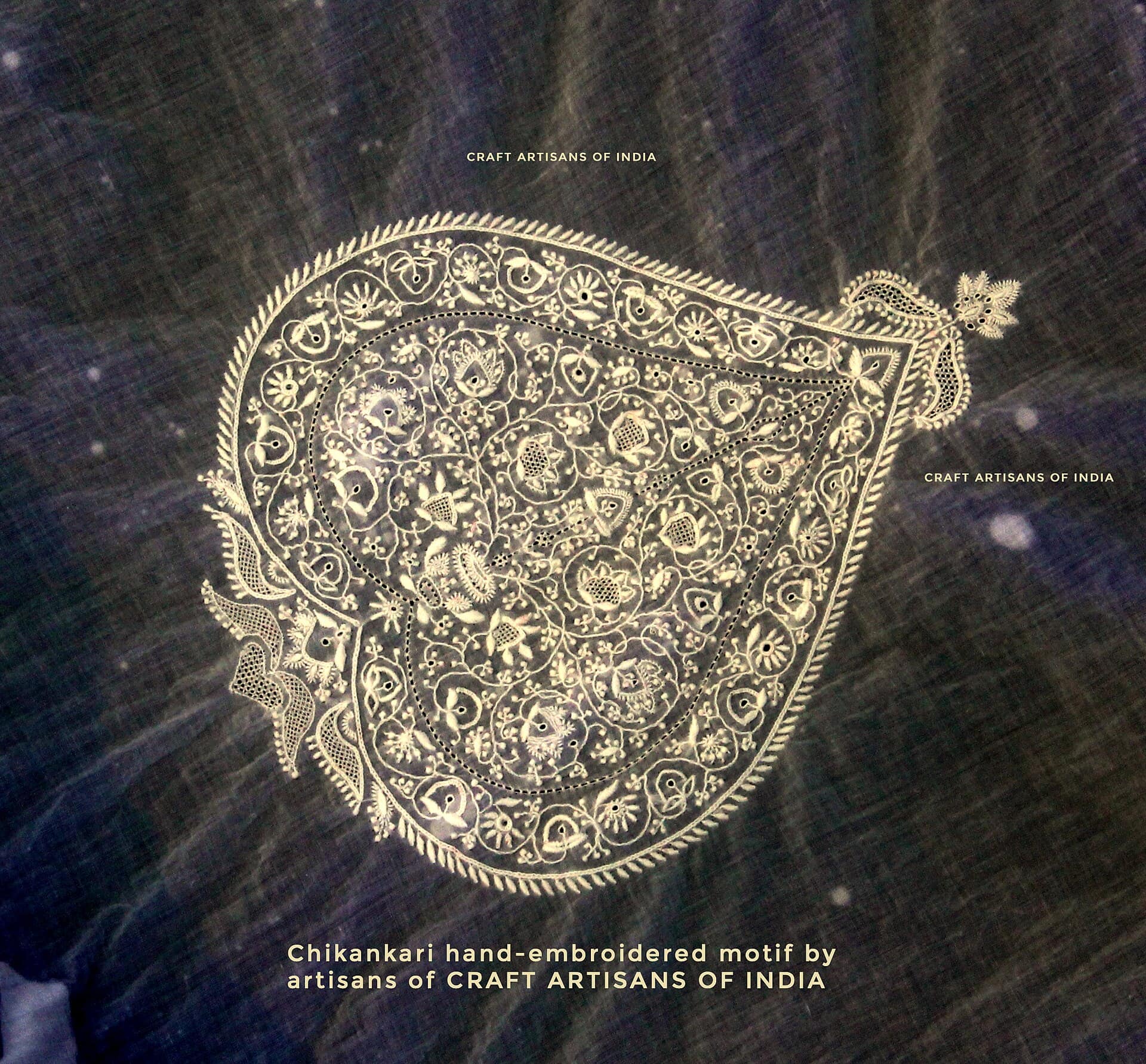
Traditional wear for this spot
Timeless, cultural outfits worn across Lucknow.
Eat nearby
Food near Bara Imambara
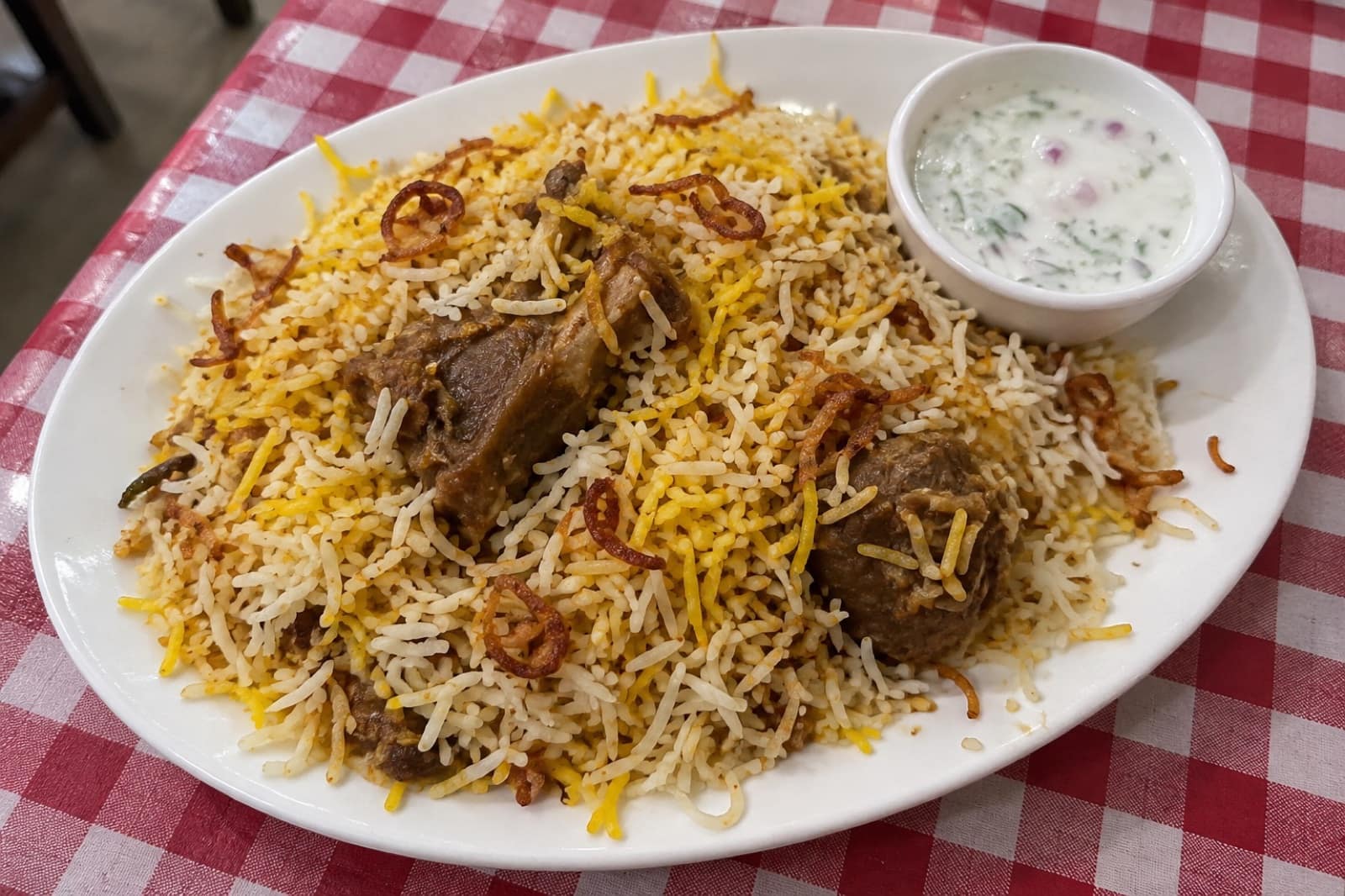
Round out the visit with something to eat. Look for lucknawi biryani nearby.
Special dishes to try
Search food by craving
Good to know
Local tips
Keep your combined ticket for the day, because it also covers the Chota Imambara, the Picture Gallery and the Shahi Hammam.
Hire a licensed guide at the entrance for the Bhool Bhulaiya rather than trying the maze alone.
Visit in the morning from Saturday to Thursday, as the complex usually opens only in the afternoon on Fridays.
Carry a scarf, because women are asked to cover their heads before entering.
Wear shoes that slip off easily, as you remove them before the main hall.
Take water and go slowly on the maze stairs, which are steep, narrow and dim in places.
Leave time for the Shahi Baoli stepwell, which many visitors miss on their way out.
A building to feed the city
Nawab Asaf-ud-Daula began the Bara Imambara in 1780, a year of severe famine, partly to give work to thousands of people. It was finished in 1784. A popular story says ordinary people built it by day while nobles, too proud to be seen working, were paid to knock down part of it by night, so the work would last longer. The architect, Kifayatullah, is buried in the main hall beside the Nawab.
The great hall and the maze
The central hall is about 50 metres long and more than 15 metres high, with an arched roof and no beams holding it up. It is one of the largest halls of its kind in the world. Above the side rooms is the Bhool Bhulaiya, a maze of narrow passages with 489 near-identical doorways. It was built to spread the roof's weight on marshy ground, not as a game. Licensed guides wait at the entrance, and taking one is sensible. The route ends on the roof, with a view over Rumi Darwaza and the old city.
The stepwell and the mosque
The Shahi Baoli, a stepwell of several levels on one side of the complex, was built with the imambara and still holds water in its lower floors. The Asfi Mosque on the other side of the courtyard is an active mosque and is closed to non-Muslim visitors; you can see it from outside.
Before you go
The complex is run by the Hussainabad Trust. A combined ticket covers the Bara Imambara, the Chota Imambara, the Picture Gallery and the Shahi Hammam, so keep it for the day. Shoes come off before the hall. The trust expects modest clothes and head covering for women, and has turned away visitors in shorts. On Fridays the complex usually opens to visitors only in the afternoon, after prayers.
Nearby
Rumi Darwaza is next to the west gate, and the Chota Imambara is a short walk beyond it. Chowk, with Idris Biryani and the chikan shops, is close by.
Questions
Bara Imambara — FAQ
What is the best time to visit Bara Imambara?
Right at opening, when the courtyard is nearly empty and the soft morning light falls on the cream front; the roof is best in the clear light of late morning. Stand at the far end of the forecourt and take a straight, symmetrical photo of the arched front, then climb to the roof and shoot west towards Rumi Darwaza.
Is there an entry fee at Bara Imambara?
Entry to Bara Imambara costs ₹50 (Indian) / ₹500 (foreign, combined). Prices change, so treat that as a guide and confirm at the counter.
What are the opening hours of Bara Imambara?
Bara Imambara is open 6:00 AM – 5:00 PM.
What should I wear at Bara Imambara?
Cream, maroon and gold photograph especially well here. Explore the trending and traditional outfit ideas on this page for full looks.
How crowded does Bara Imambara get?
Crowd levels are typically high. To miss the busiest window: right at opening, when the courtyard is nearly empty and the soft morning light falls on the cream front; the roof is best in the clear light of late morning.
What food should I try near Bara Imambara?
Try lucknawi biryani at spots close by.
Why was the Bara Imambara built?
Nawab Asaf-ud-Daula started it in 1780, during a severe famine, partly as a relief project to give people paid work. It was completed in 1784 and is used as a hall for Shia mourning gatherings.
Do I need a guide for the Bhool Bhulaiya?
It is strongly advised. The maze has hundreds of near-identical doorways and passages, and people do get lost. Licensed guides wait at the entrance and charge a small fee.
Can non-Muslims enter the Asfi Mosque?
No. The Asfi Mosque is an active mosque in the imambara complex and is closed to non-Muslim visitors. You can see and photograph its outside from the courtyard.
Is the Bara Imambara open on Fridays?
Usually only in the afternoon, after Friday prayers. Hours can also change during Muharram, so check at the gate or with the Hussainabad Trust before you plan a Friday visit.