
Uttar Pradesh · India
Lucknow
The City of Nawabs — a city of refined Awadhi tehzeeb, grand imambaras and Rumi Darwaza, and a legendary kebab-and-biryani cuisine.
Lucknow is famed for its Chikankari embroidery, Nawabi courtesy (tehzeeb), and Awadhi food — galouti kebabs, biryani and sheermal.
Plan your trip
Lucknow Tour Itineraries
Timed, walkable day plans — plus the best season to go.
Where to shoot
Lucknow Photo Spots
Entry ₹50 (Indian) / ₹500 (foreign, combined)
Bara Imambara
- Best timeRight at opening, when the courtyard is nearly empty and the soft morning light falls on the cream front; the roof is best in the clear light of late morning.
- ColorsCreamMaroonGold
 Medium crowd
Entry Covered by combined ticket
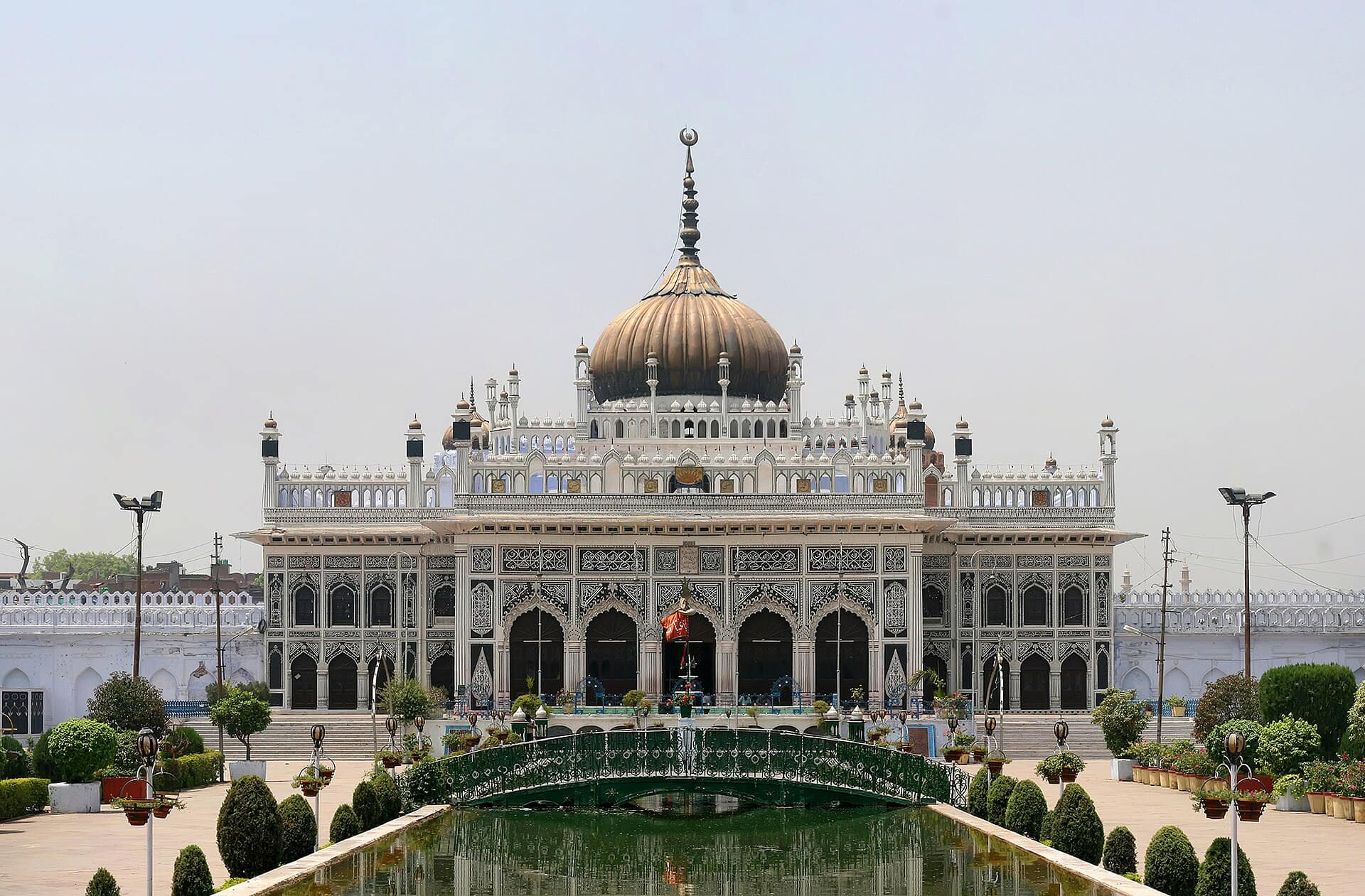
Chota Imambara
- Best timeLate afternoon, when warm light falls on the gilded dome and the tank is calm enough for a reflection; during Muharram evenings for the lit chandeliers, if access allows.
- ColorsGoldMaroonWhite
 High crowd
Entry Free
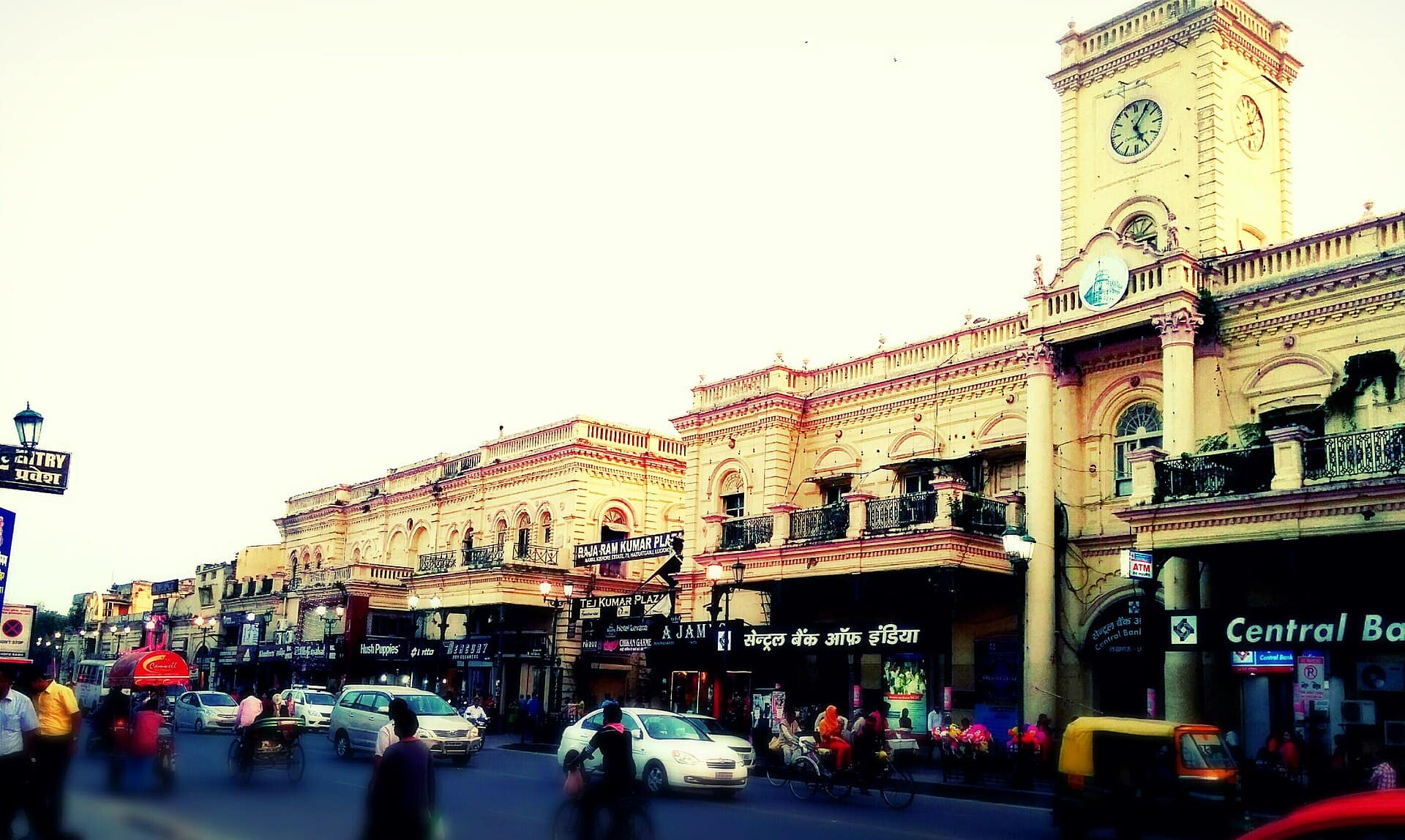
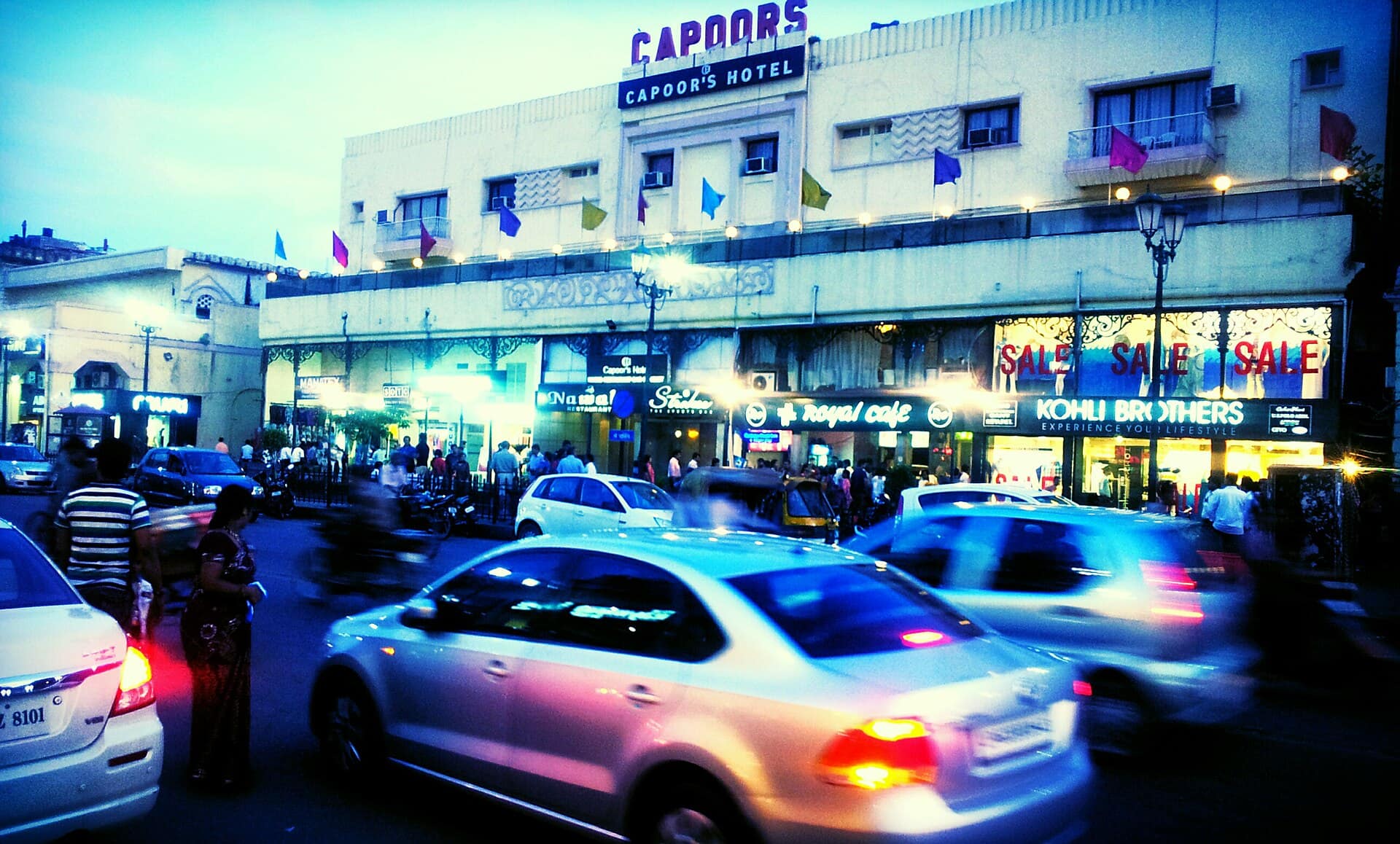
Hazratganj
- Best timeEarly evening, when the lamps come on and the cream-and-pink fronts glow against a blue sky; early morning for an empty street with no traffic.
- ColorsPastelWhiteMaroon
 High crowd
Entry Free
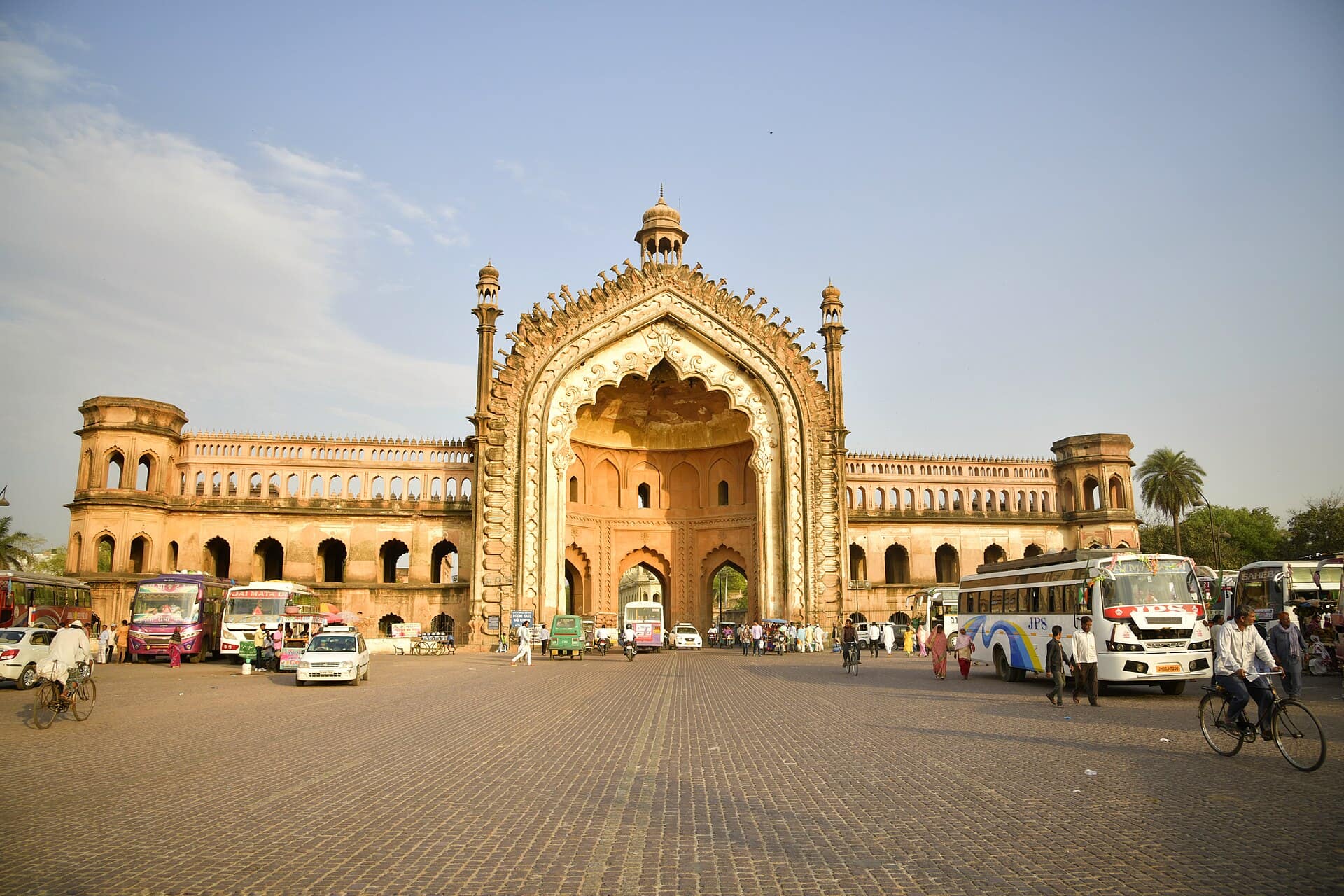
Rumi Darwaza
- Best timeJust after sunset, when the gate is lit and the sky is still deep blue; early morning for soft light and a clear road under the arch.
- ColorsCreamMaroonWhite
 Low crowd
Entry ₹25 (Indian) / ₹300 (foreign)
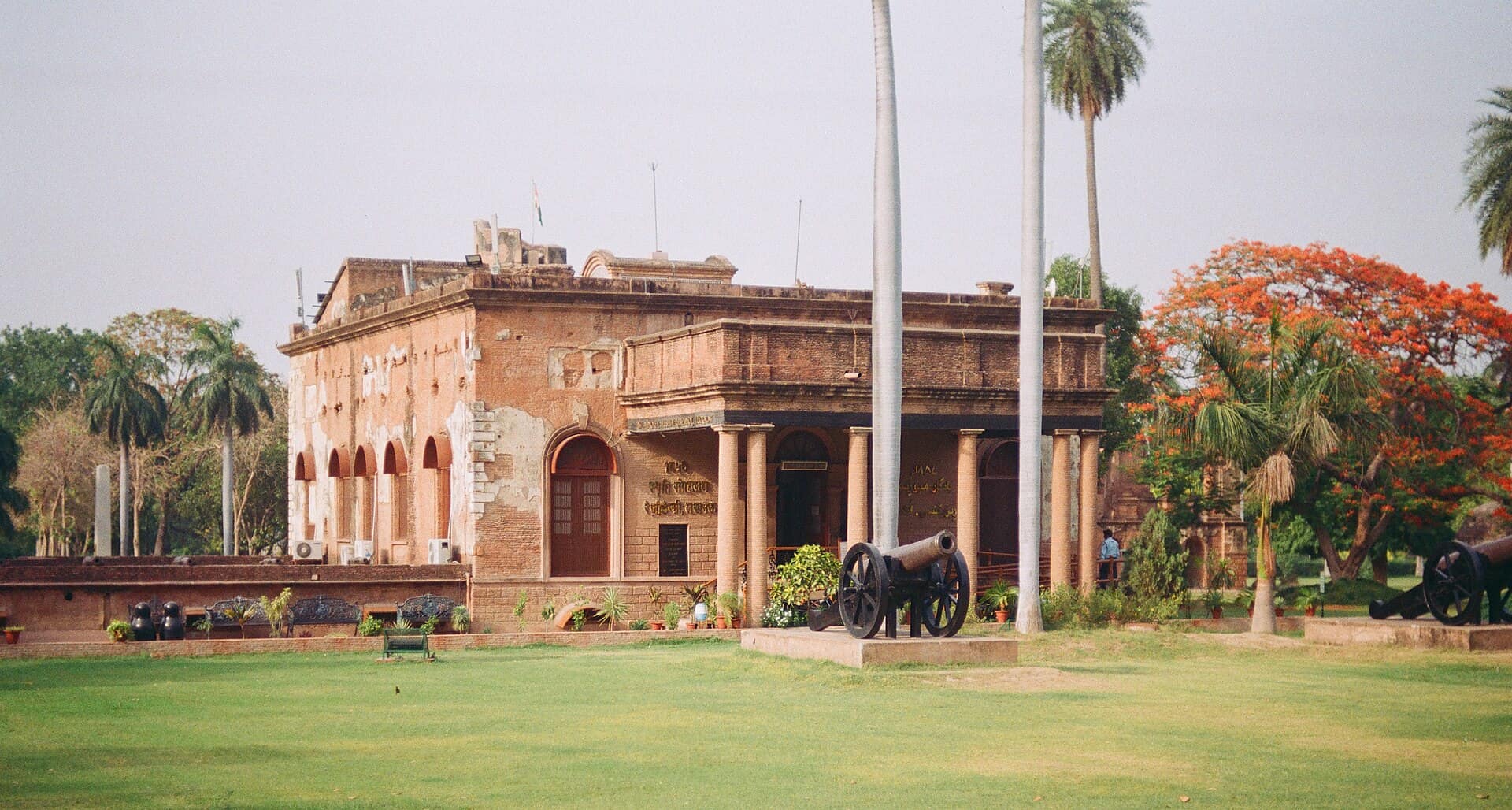
The Residency
- Best timeLate afternoon, when low golden light brings out the cannon-scarred brick; early morning for dew on the lawns and an empty site.
- ColorsCreamOliveMaroon
For the feed
Trending Wear in Lucknow
Modern, Instagram-friendly looks

Rooted in the city
Lucknow Traditional Wear
Local, cultural, handcrafted outfits
Taste the city
Food to Eat in Lucknow
Trusted tables
Where to Eat in Lucknow
A city built by the Nawabs of Awadh
Lucknow became the capital of Awadh in 1775, when Nawab Asaf-ud-Daula moved his court here from Faizabad. The next eighty years gave the city most of what visitors come to see: the Bara Imambara, the Rumi Darwaza, the Chota Imambara and a long list of palaces and gardens along the Gomti. Many of these buildings are imambaras, halls where Shia Muslims gather to mourn Imam Husain, and several are still in use. That shapes the visit more than people expect: shoes come off, heads are covered and some doors close for prayers.
Old city and new city
Think of Lucknow in two halves. The old city, around Hussainabad, Chowk and Aminabad, holds the Nawabi monuments, the kebab shops and the chikan workshops. The newer centre grew around Hazratganj, the colonial shopping street, with the ruined Residency a short ride north. The metro's north–south line stops at Hazratganj and at Charbagh railway station and runs out to the airport, but it does not reach the imambaras. Use an auto-rickshaw or an app cab for the old city, about 4–5 km from Hazratganj by road.
Food is half the reason
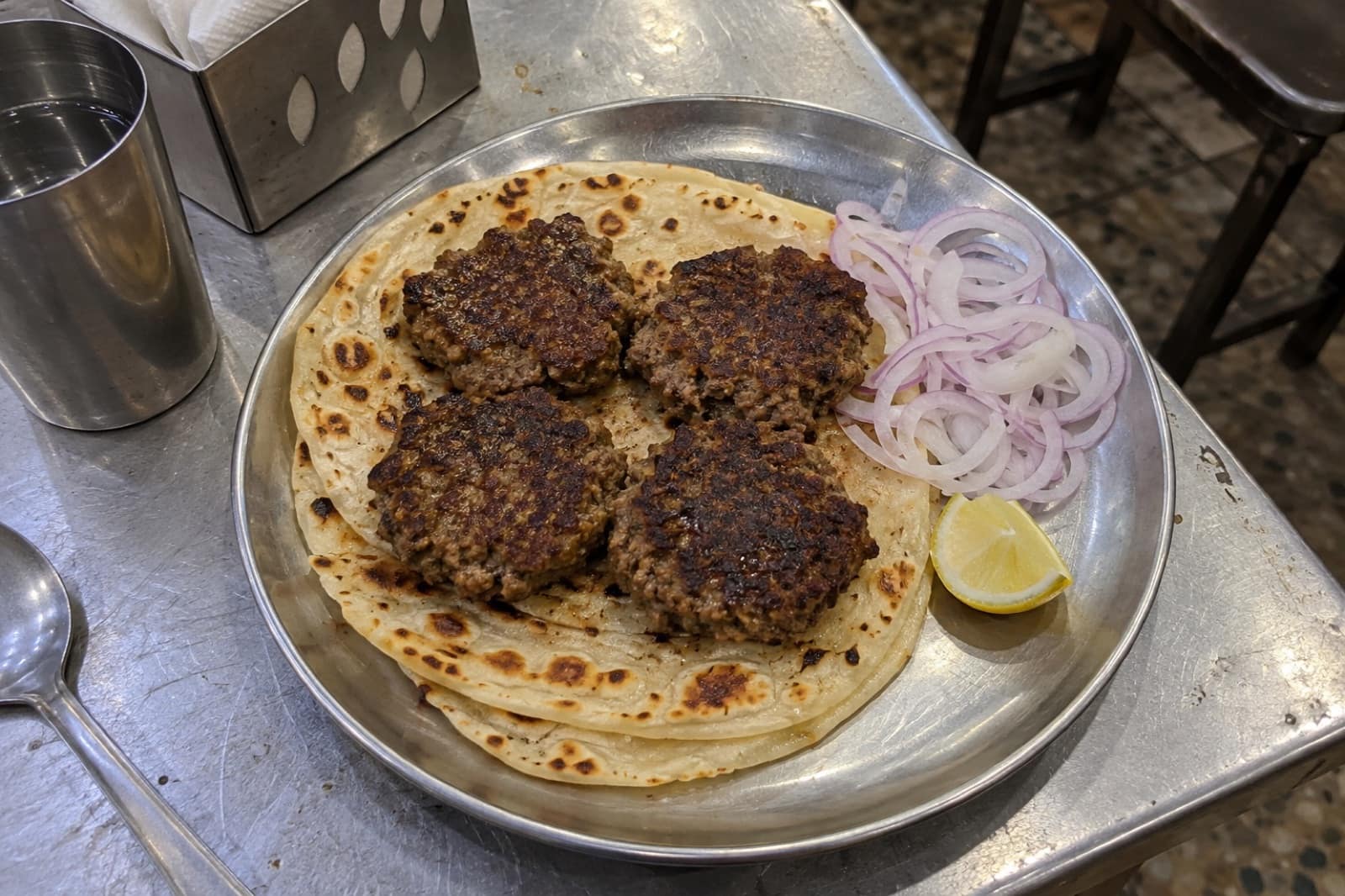
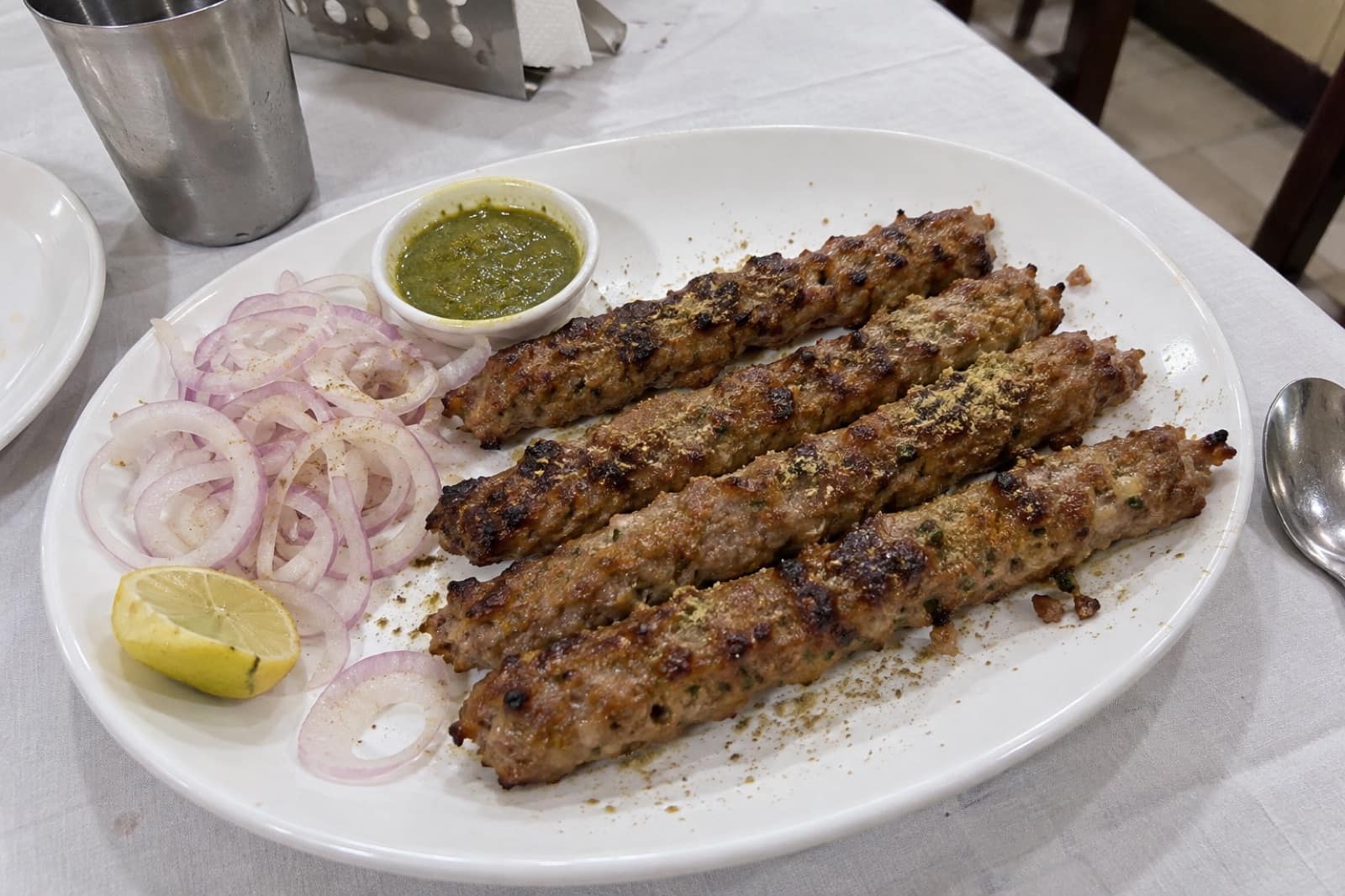
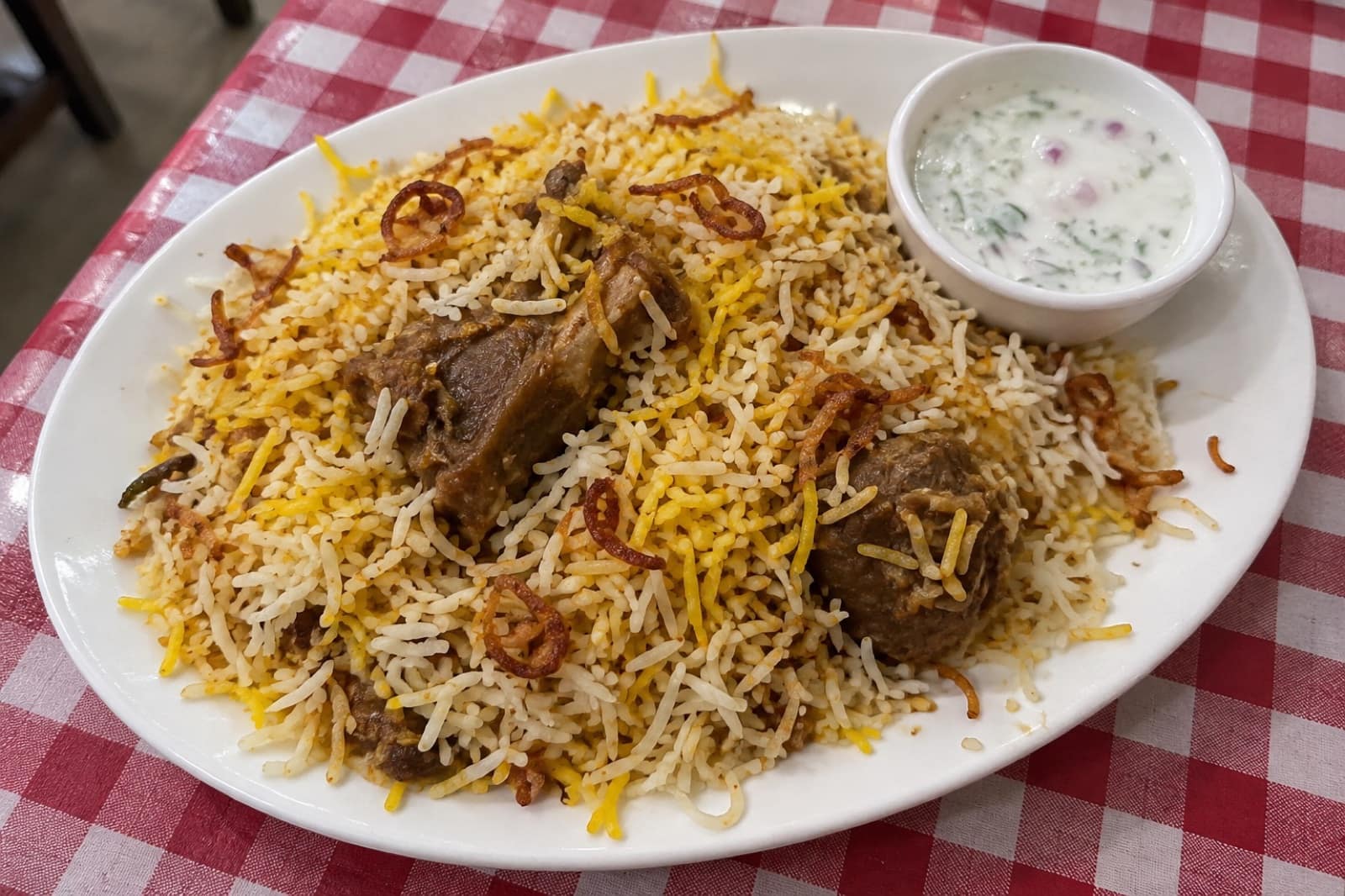
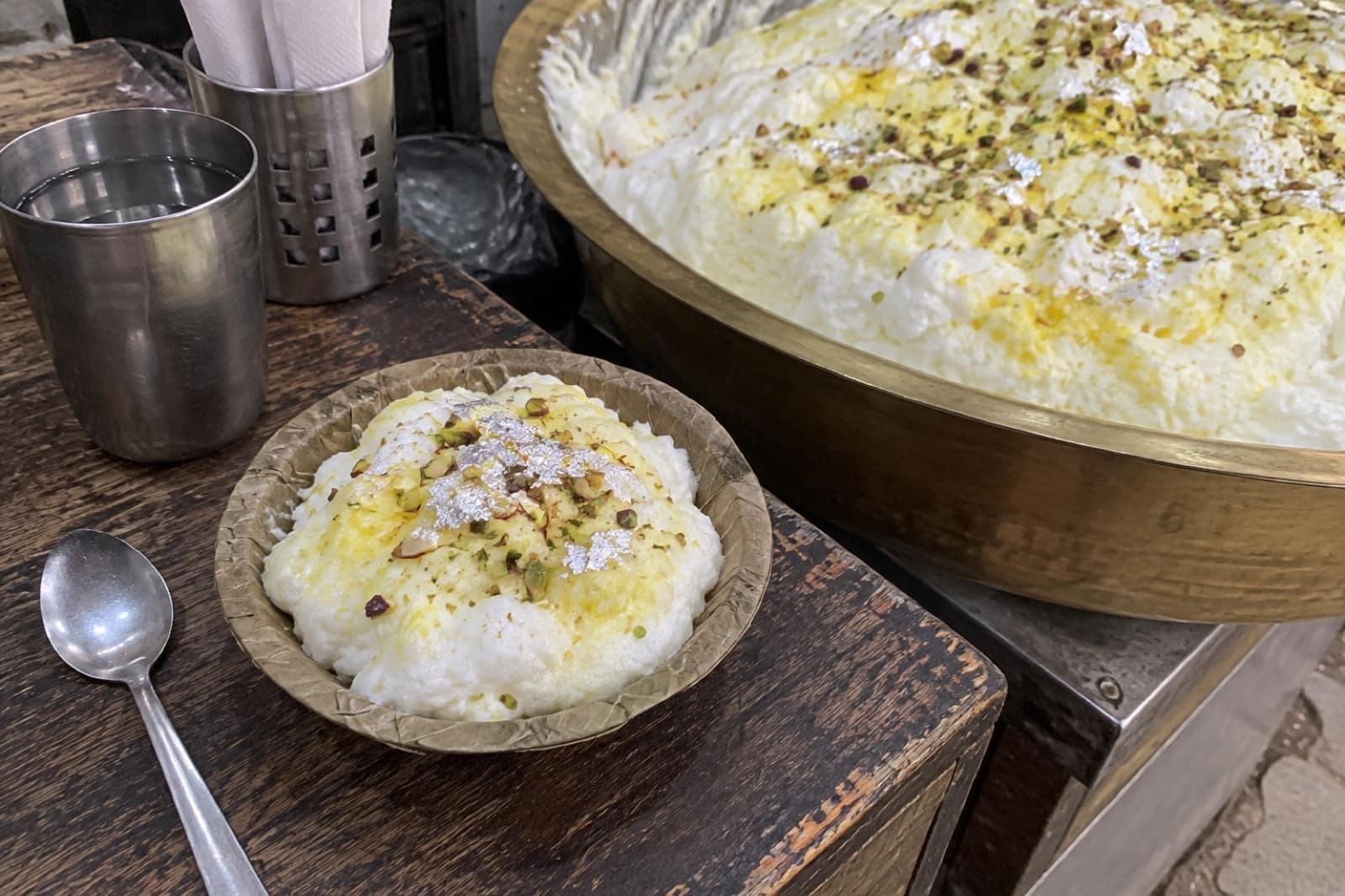
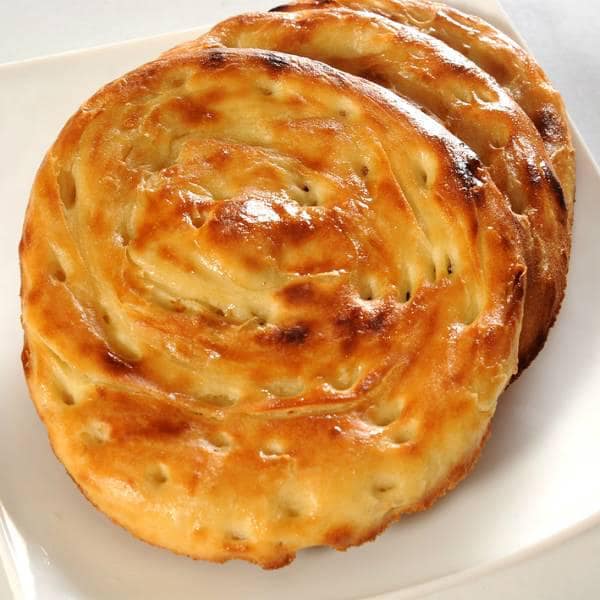
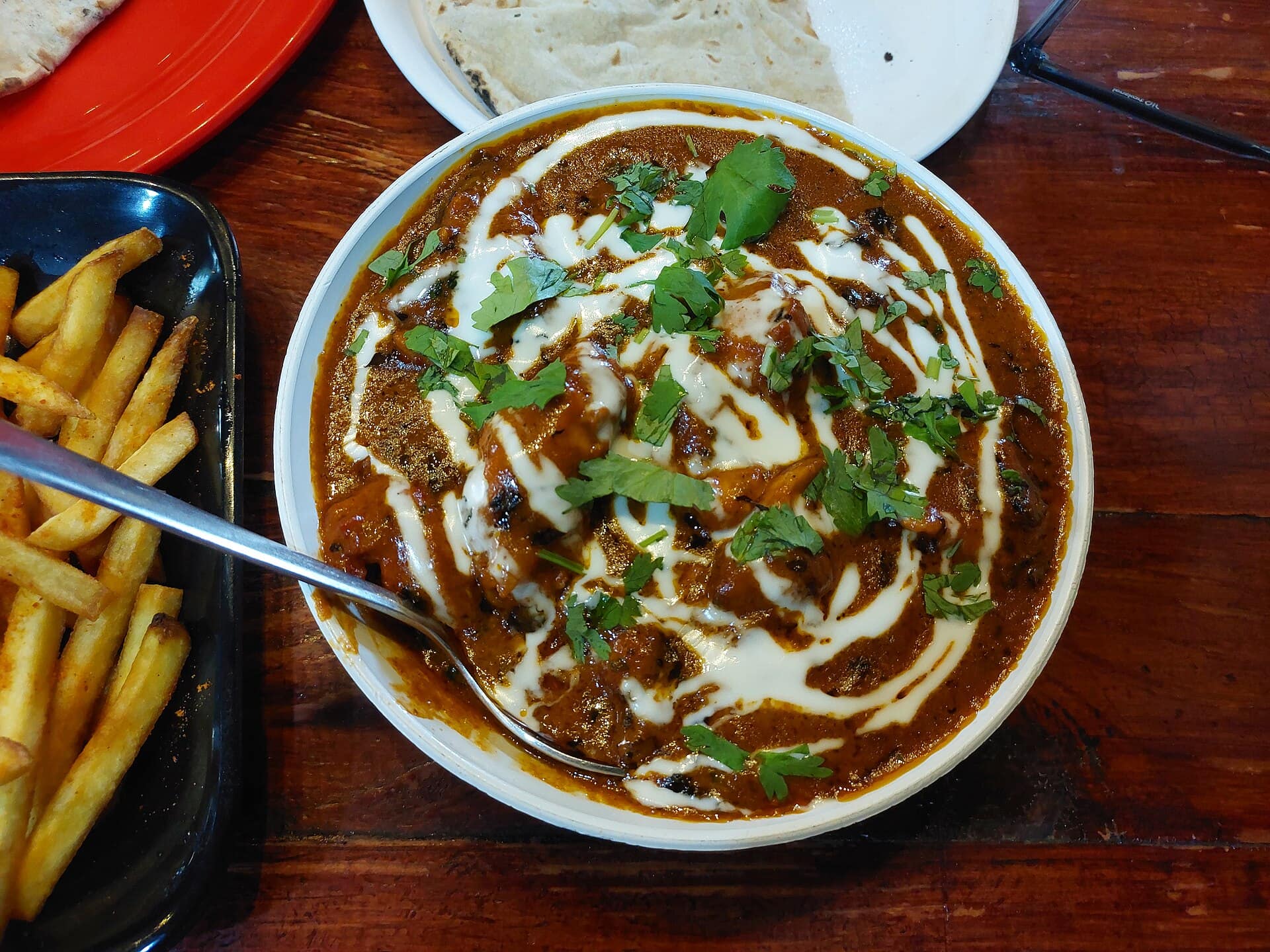
Lucknow's cooking comes from the Nawabs' kitchens: slow-cooked dum biryani, very soft kebabs and breads such as sheermal. The famous names are old and small. Tunday Kababi has been making galouti kebabs since 1905, Idris sells biryani from a tiny shop in Chowk, and Ram Asrey in Chowk has been making sweets for more than two centuries. In winter, look for makkhan malai, a sweet milk froth sold on cold mornings. See what to eat and where to eat.
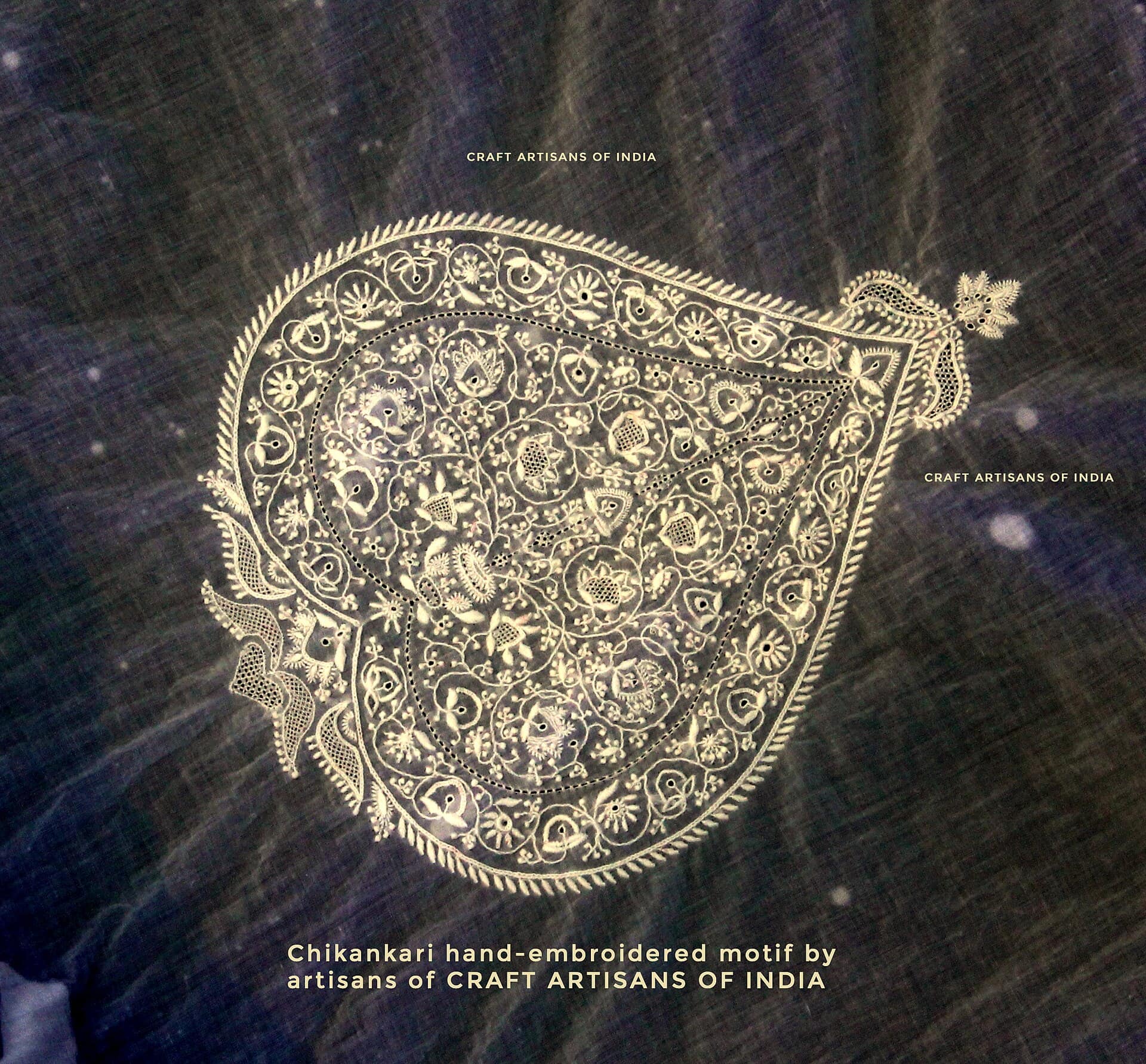
Chikankari and tehzeeb
Chikankari is Lucknow's fine white-thread embroidery, now made in every colour. Chowk and Aminabad have the most shops; Hazratganj has the fixed-price showrooms. Lucknow is also known for tehzeeb, a polite, unhurried way of speaking. People will say "aap" rather than "tum", and a little of the same courtesy goes a long way in the bazaars.
When to come and how long to stay
October to March is the comfortable season. Mid-December to late January brings dense fog and cold nights, which can delay trains and flights. From April the heat builds to 40 °C and more, and the monsoon usually arrives at the end of June. Two full days are enough for the monuments, Hazratganj and a food trail; add a third for the Residency's museum, a Gomti evening and a slow shopping day. Check the best time to visit and what's on before you book, because Muharram and Bada Mangal change the city completely.
Questions
Lucknow — FAQ
Is Lucknow worth a visit if I don't eat meat?
Yes. The monuments, Hazratganj and the chikan bazaars need no appetite for kebabs. For food, Ram Asrey in Chowk is pure vegetarian, and chaat, kulfi, sheermal and winter makkhan malai are all meat-free.
How far is the old city from Hazratganj?
About 4–5 km by road. An auto-rickshaw or app cab takes 15 to 30 minutes depending on traffic. The metro does not go there, so plan to finish the old-city monuments before the evening rush.
Can I see the main monuments in one day?
Yes, if you start early. The Bara Imambara, Rumi Darwaza, Chota Imambara and the clock tower are all within about a kilometre of each other. Do the Residency another morning, or late in the afternoon of the same day.
What should I buy in Lucknow?
Chikankari kurtas, sarees and dupattas are the obvious buy. Ask whether the work is hand-embroidered or machine-made, because the price should differ a lot. Attar (perfume oil) shops in Chowk are also worth a look.
Is Lucknow crowded during Muharram?
The old city is very busy in the first ten days of Muharram, especially around the imambaras, and tourist access to them can be limited. It is a time of mourning, not a festival, so dress plainly and keep a respectful distance from processions.