
Photo spot in Lucknow
The Residency
Lucknow, Uttar Pradesh
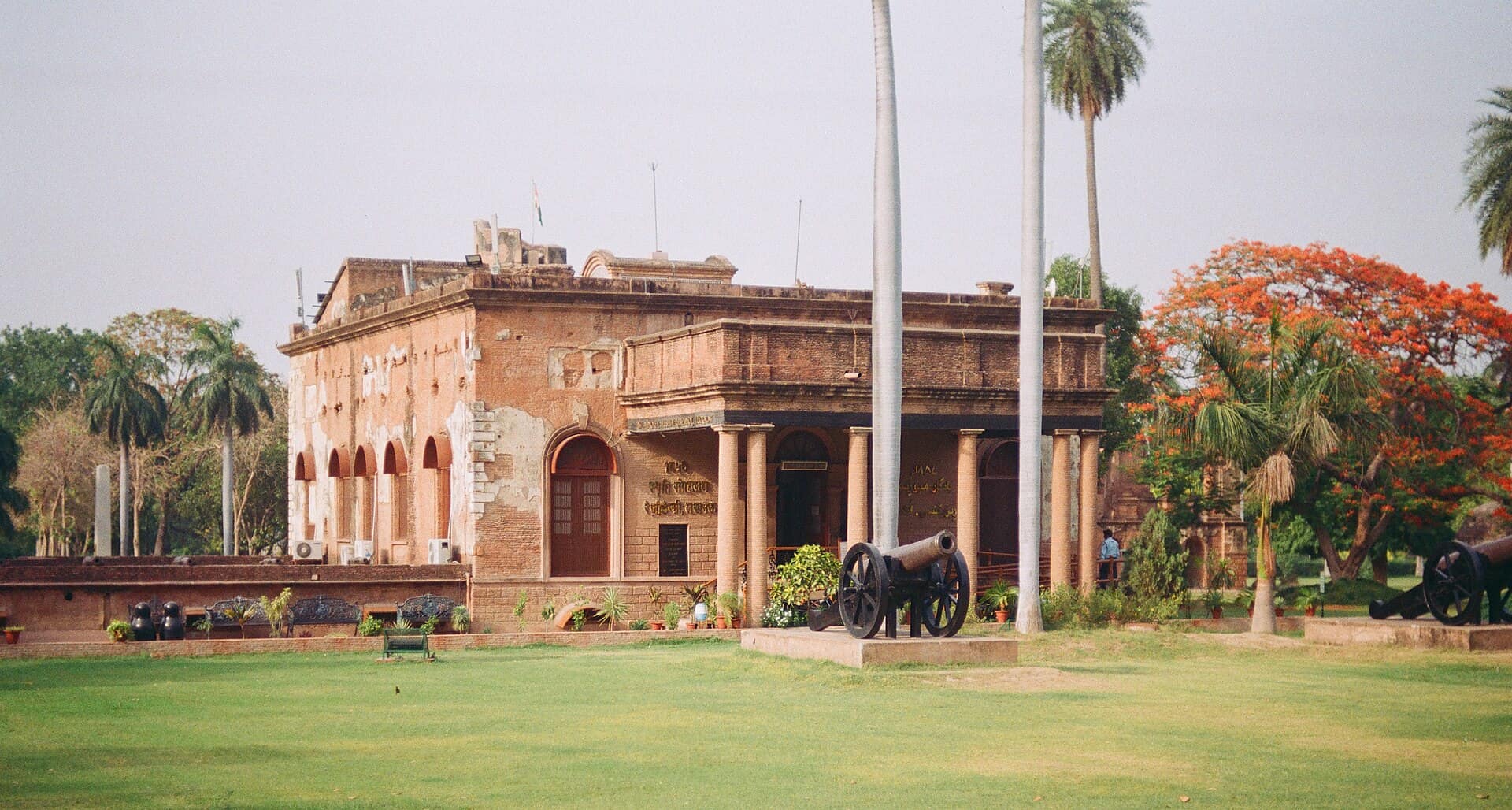
The atmospheric ruins of the British Residency, scarred by cannon fire from the 1857 siege, set in quiet gardens.
Best time
Late afternoon, when low golden light brings out the cannon-scarred brick; early morning for dew on the lawns and an empty site.
Best angle
Stand on the lawn a little way back from the main ruin and take a wide photo of the broken arches, with the trees and sky framing the walls.
Entry fee
₹25 (Indian) / ₹300 (foreign)
Opening hours
9:00 AM – 5:00 PM
Crowd level
Low
Best outfit colors
Overview
Best time to visit The Residency
Late afternoon, when low golden light brings out the cannon-scarred brick; early morning for dew on the lawns and an empty site. Crowds here are typically low. Arrive a little early to claim your angle and catch the softest light before the day tips over.
Poses & angles
Photo tips for The Residency
Stand on the lawn a little way back from the main ruin and take a wide photo of the broken arches, with the trees and sky framing the walls. Work a few of the pose ideas below, shoot wide for context and tight for detail, and give yourself a couple of extra minutes to get the frame right.
Among the ruined arches
On the garden lawns
Outfit guide
What to wear at The Residency
For photos at The Residency, cream, olive and maroon work beautifully — they stand out against the setting without fighting it. Pick one hero colour and keep the rest of the look calm so you stay the subject of the frame.
Best outfit colors for photos
Trending wear for this spot
Popular modern looks travellers are wearing across Lucknow.

Traditional wear for this spot
Timeless, cultural outfits worn across Lucknow.
Eat nearby
Food near The Residency
Hungry after the shoot? Search the Lucknow food guide by craving to find something good nearby.
Search food by craving
Good to know
Local tips
Avoid Mondays, when the 1857 Memorial Museum is closed.
Go in the late afternoon for warm light on the ruins and cooler walking.
Start at the museum's model of the complex, which helps the ruins make sense.
Bring water and a hat from April to September, because shade is limited on the lawns.
Walk the cemetery quietly and do not sit or climb on the graves.
Stay on the paths around the ruins, as some walls are fragile.
Take an auto from Hazratganj, which is only a short ride away.
Home of the British Resident
The Residency was built between about 1780 and 1800 as the home of the British Resident, the East India Company's representative at the Nawab's court. It grew into a group of buildings set in large grounds on high land near the Gomti.
The siege of 1857
During the uprising of 1857, British residents, soldiers and loyal Indian troops sheltered here. They were besieged from 1 July to 17 November 1857, and many died, including Sir Henry Lawrence, the chief commissioner. The buildings were badly damaged in the fighting and were never rebuilt. They have been kept as ruins ever since, and the brick walls are still pitted by cannon shot. The site has been protected since 1920.
What you will see
Lawns and flower beds now surround the broken brick buildings. The ruined church has a cemetery with around 2,000 graves from the siege, including Lawrence's. The 1857 Memorial Museum, run by the Archaeological Survey of India, has galleries on the uprising, with models, weapons and old prints. A light and sound show has been run in the evenings; check locally whether it is on.
Visiting
The Residency is ticketed, with a separate small fee for the museum. The museum is closed on Mondays; reports differ on whether the grounds open on Mondays, so check before you go. Opening hours are listed differently by different sources, so arrive by early afternoon to be safe. Shade is patchy, so bring water from April to September. Allow two to three hours if you want the ruins, museum and cemetery.
Getting there
It is about 2 km north-west of Hazratganj, a short auto ride, and about 2 km south-east of the Bara Imambara. It is the quietest of Lucknow's main sights, which makes it a good break from the old city crowds.
Questions
The Residency — FAQ
What is the best time to visit The Residency?
Late afternoon, when low golden light brings out the cannon-scarred brick; early morning for dew on the lawns and an empty site. Stand on the lawn a little way back from the main ruin and take a wide photo of the broken arches, with the trees and sky framing the walls.
Is there an entry fee at The Residency?
Entry to The Residency costs ₹25 (Indian) / ₹300 (foreign). Prices change, so treat that as a guide and confirm at the counter.
What are the opening hours of The Residency?
The Residency is open 9:00 AM – 5:00 PM.
What should I wear at The Residency?
Cream, olive and maroon photograph especially well here. Explore the trending and traditional outfit ideas on this page for full looks.
How crowded does The Residency get?
Crowd levels are typically low. To miss the busiest window: late afternoon, when low golden light brings out the cannon-scarred brick; early morning for dew on the lawns and an empty site.
What happened at the Residency in 1857?
It was besieged from 1 July to 17 November 1857 during the Indian uprising. The British and Indian troops inside held out until relief arrived, but the buildings were badly damaged and many people died.
Is there a museum at the Residency?
Yes. The 1857 Memorial Museum, run by the Archaeological Survey of India, has galleries on the uprising and the siege. It has a small separate fee and is closed on Mondays.
How long should I spend at the Residency?
Allow one hour for a walk around the ruins, or two to three hours if you also visit the museum and the cemetery.
Who is buried in the Residency cemetery?
Around 2,000 people who died during the siege, including soldiers, women and children. The best-known grave is that of Sir Henry Lawrence, the chief commissioner.