
What to Wear in Lucknow
Dress for two things in Lucknow: the weather, which swings from foggy winters to 40 °C summers, and the imambaras, which ask for modest clothes and a covered head. Loose cotton and a scarf handle most days.
Trending wear
Modern, Instagram-friendly looks
Traditional wear
Local cultural outfits
At the imambaras
The Bara Imambara and the Chota Imambara are working Shia religious buildings, run by the Hussainabad Trust. In 2021 the trust began turning away women in shorts and short skirts and handing out headscarves at the gate. Wear trousers, a long skirt or a salwar, cover your shoulders, and carry a dupatta or scarf. Men should avoid shorts too. You take your shoes off before the main halls, so slip-on sandals or loafers save time; socks help on stone that has been in the sun.
Winter: October to March
October and March are warm by day. From December to January, nights can drop to 3–7 °C and fog often sits over the city until late morning. Bring a proper jacket or a thick shawl, a warm layer for the early start at the monuments, and closed shoes. Evenings in Hazratganj and the old city food streets are cold, and many kebab counters are open to the street.
Summer: April to June
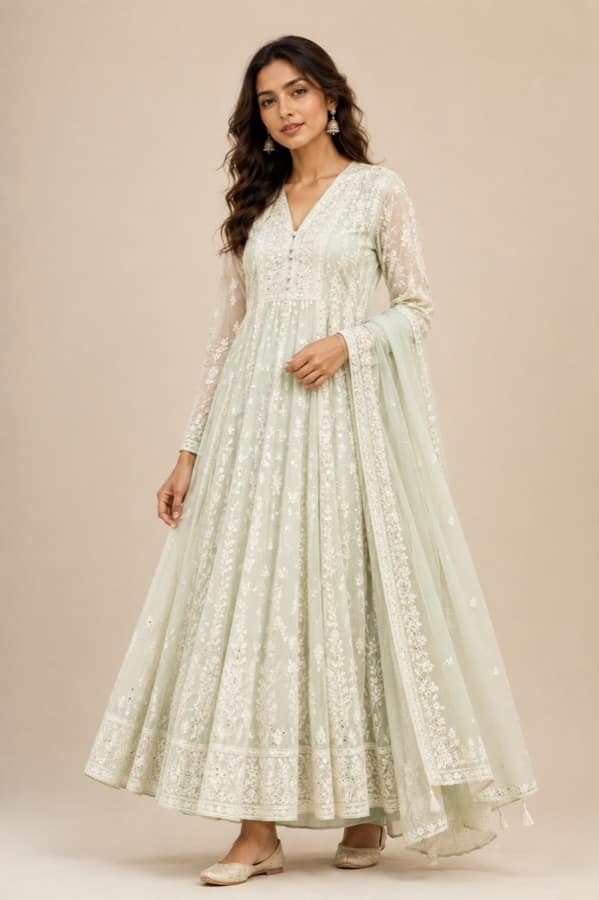
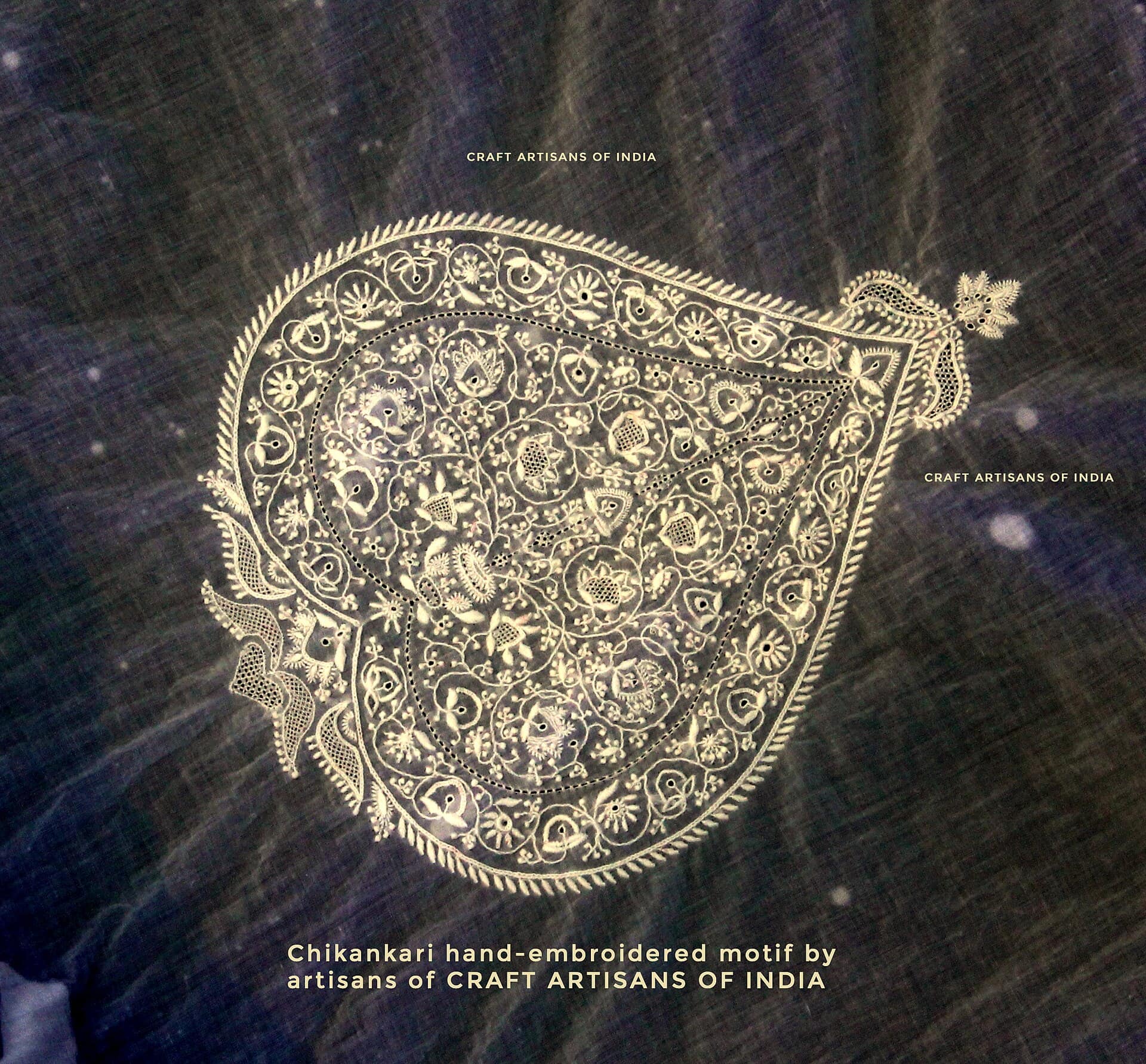
Days reach 40–45 °C, with hot, dry winds in May and early June. Wear loose, light-coloured cotton that covers your arms, a hat or cap, and sunglasses. Chikankari kurtas are made for this weather: the fabric is thin and breathable, and you will find them in every market. Carry water; there is little shade in the imambara courtyards.
Monsoon: late June to September
The rains usually arrive at the end of June. It stays hot and becomes humid, and the old city's lanes can flood after heavy showers. Quick-dry clothes, a small umbrella and sandals with grip are more useful than a raincoat.
Buying chikankari
Chowk, close to the Bara Imambara, and Aminabad are the busiest places to buy, from street stalls to family workshops. Hazratganj has fixed-price showrooms. Hand-embroidered pieces cost far more than machine work, and the back of a hand-stitched piece shows small, uneven knots. A chikan kurta also makes a good outfit for photos at the monuments, since white and pastel colours stand out against the cream stone.
A note on the gharara
Lucknow is also known for the gharara, a pleated, flared trouser worn with a kurta and dupatta, traditionally for weddings. It is heavy and formal, so keep it for a portrait rather than a day of walking.
Questions
Lucknow — FAQ
Do women have to cover their heads at the Bara Imambara?
Yes, you will be asked to. Carry your own scarf or dupatta; volunteers have handed them out at the gate, but do not count on it. Shorts and short skirts have been turned away.
How cold does Lucknow get in winter?
Days are mild, around 20–25 °C, but nights in December and January can fall to 3–7 °C, and fog is common in the mornings. Pack a warm jacket, not just a light layer.
Is chikankari good to wear in the Lucknow heat?
Yes. Most chikan work is done on light cotton or georgette, which is cool and dries quickly. Choose cotton for summer days and keep georgette for evenings.