
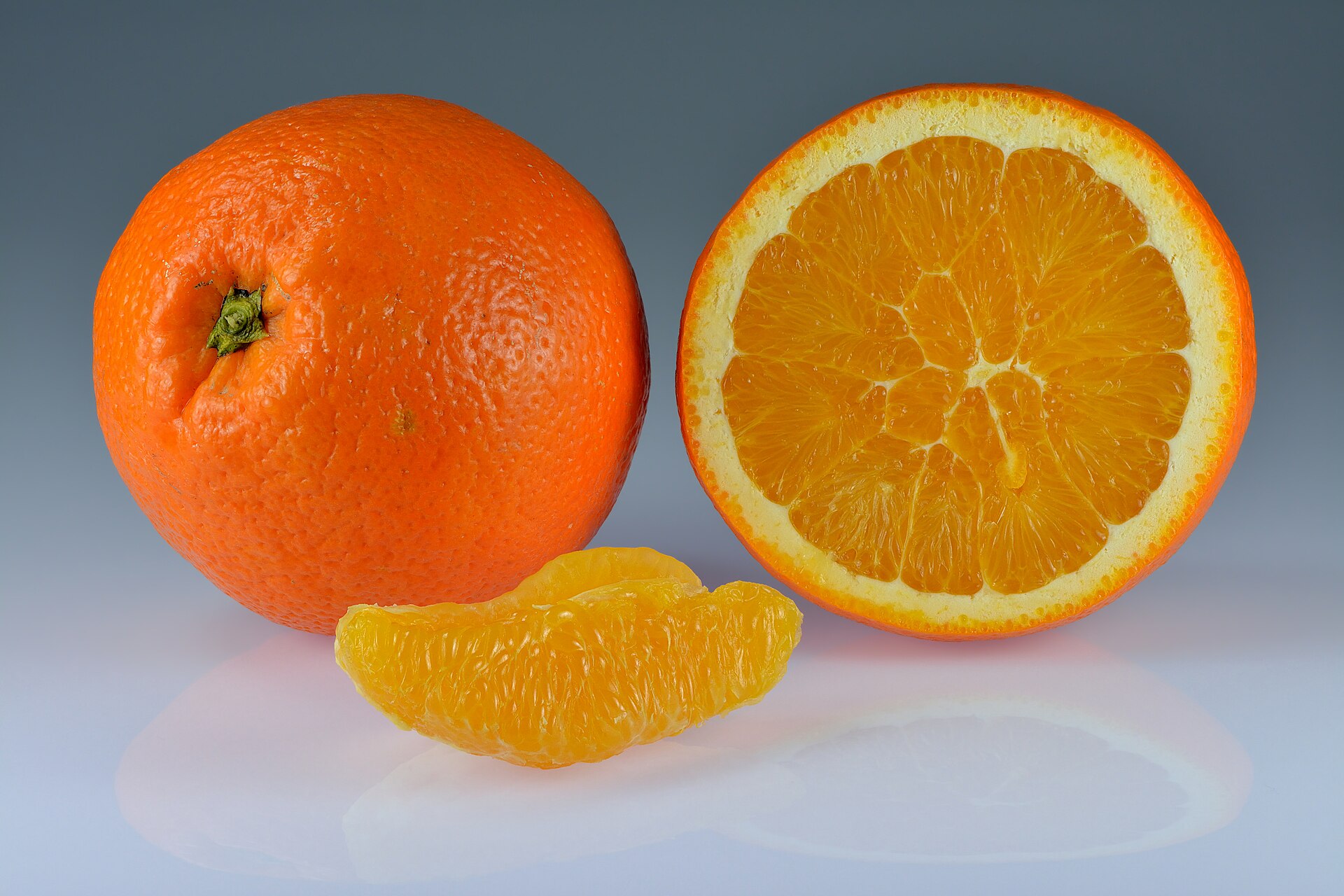
Orange Barfi
VegA milky khoya barfi flavoured with Nagpur's famous oranges — the Orange City's signature sweet (santra barfi).
₹250–500 / kg
Best around: Sitabuldi
Eat in Nagpur
Search Nagpur dishes by craving — orange barfi, patodi rassa, saoji chicken and more.
Vidarbha food is hotter and drier than the coastal Maharashtrian cooking most people know. Start with poha in the morning, save Saoji for dinner, and keep a sweet for the end.
Popular cravings
Diet
Best for
5 Nagpur dishes found
A milky khoya barfi flavoured with Nagpur's famous oranges — the Orange City's signature sweet (santra barfi).
₹250–500 / kg
Best around: Sitabuldi
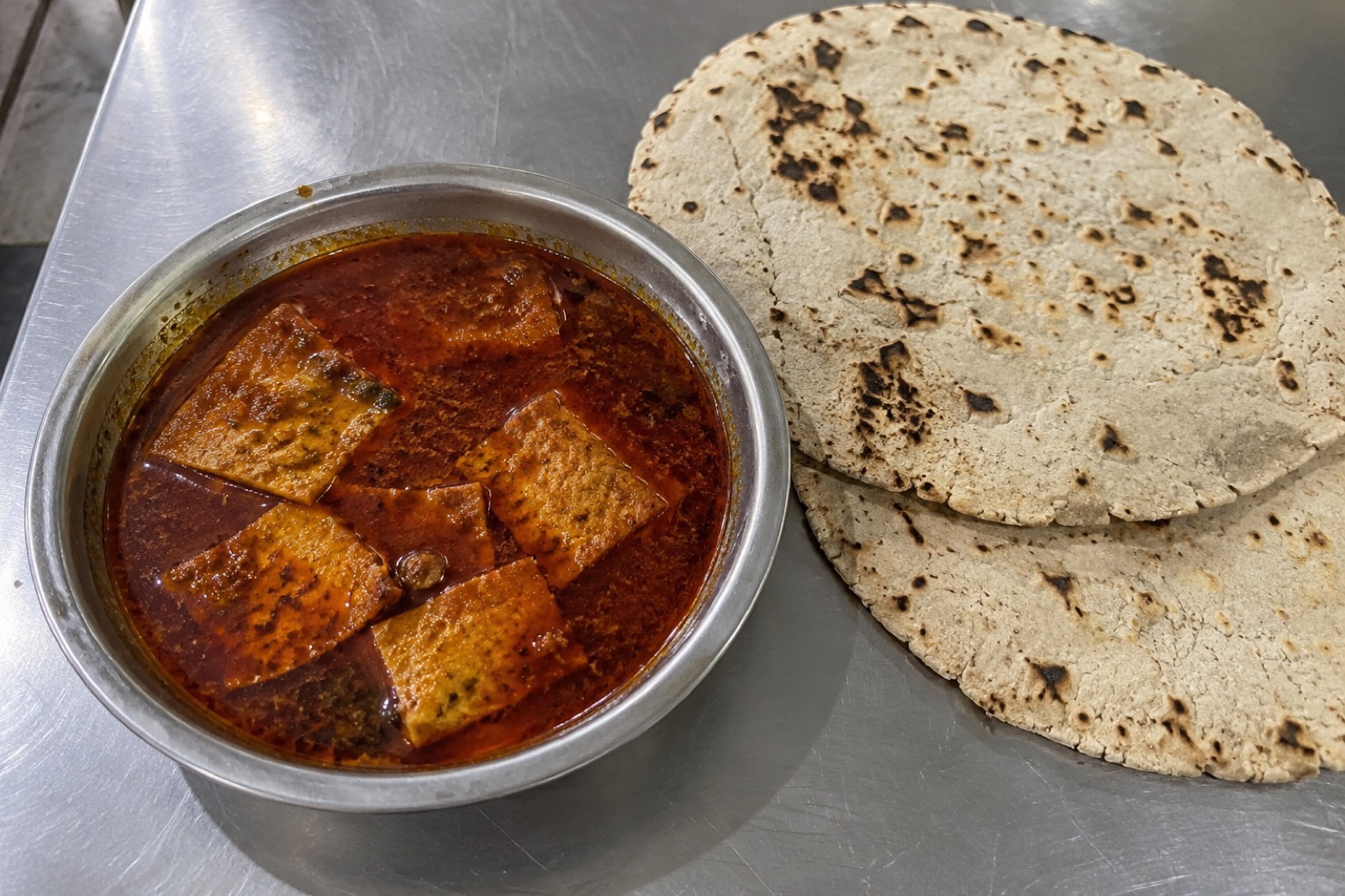 Hot
Steamed spiced gram-flour rolls (patodi) in a fiery Saoji-style gravy — a Vidarbha vegetarian speciality.
₹100–250
Best around: Sitabuldi
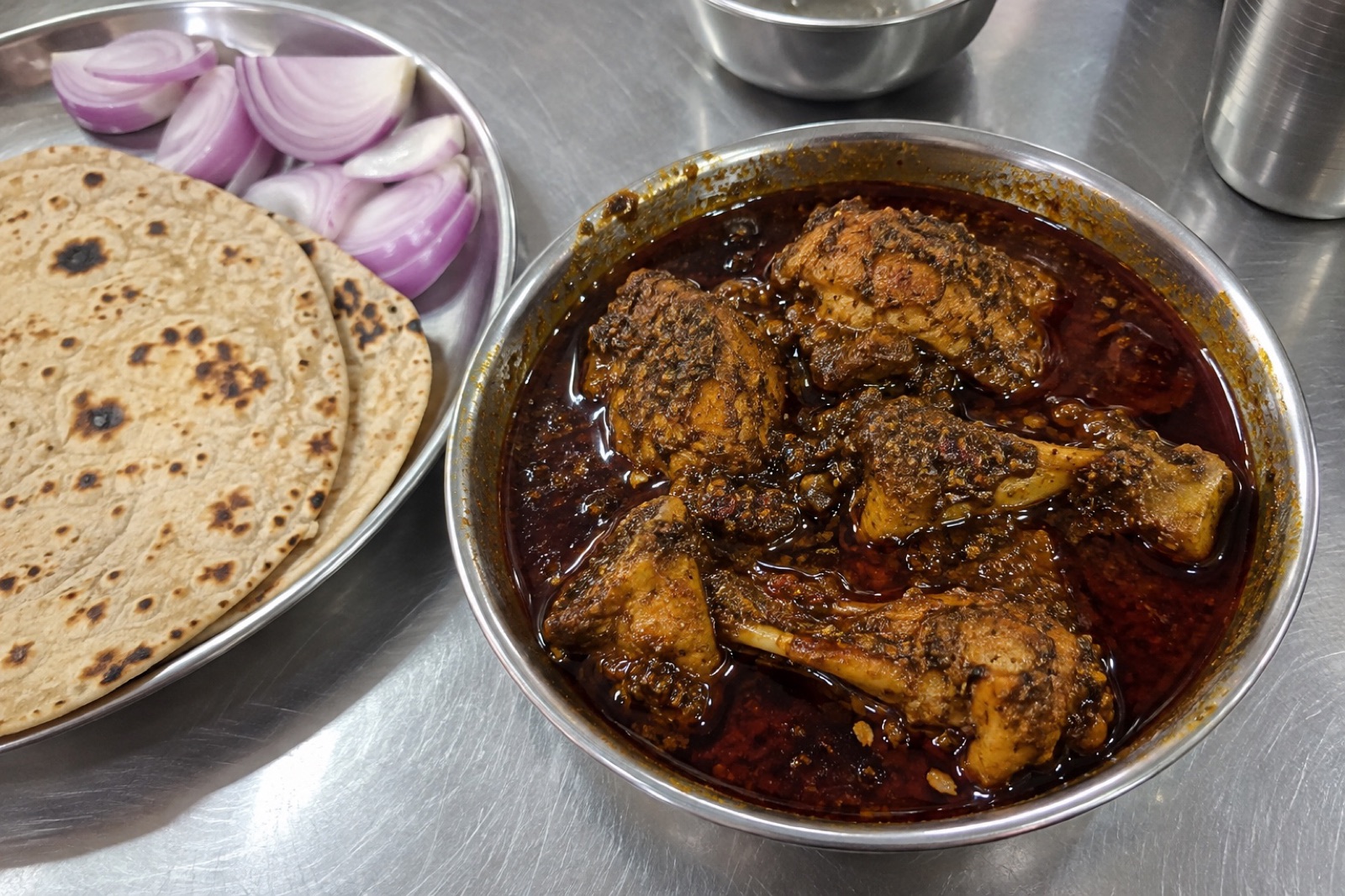 Hot
A blisteringly spicy, dark chicken curry from the Saoji community, built on a secret mix of roasted spices — Nagpur's most famous dish.
₹200–450
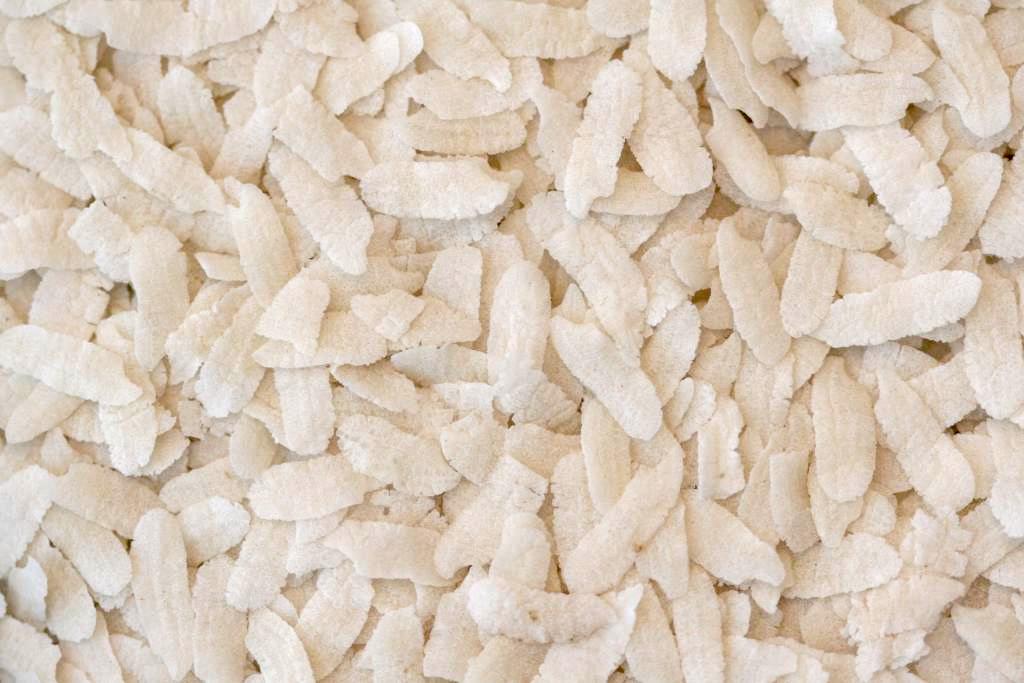 Medium spice
Soft flattened-rice poha topped with a fiery chickpea-curry 'tarri', onion, sev and lemon — Nagpur's beloved breakfast.
₹20–70
 Hot
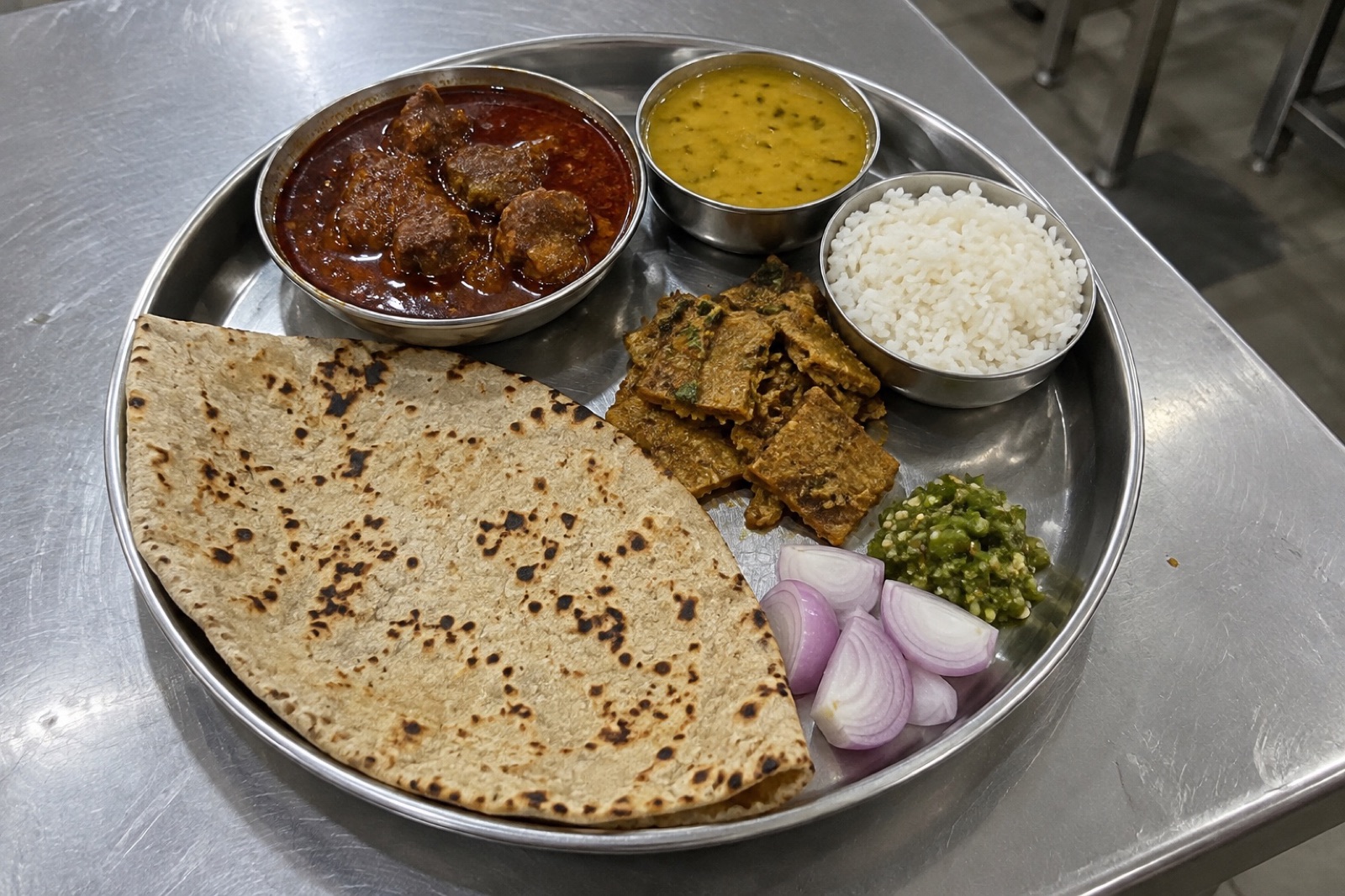
A spicy Vidarbha thali with jowar bhakri, savji-style curry, patodi, thecha and rice — bolder and hotter than coastal Maharashtra.
₹150–350
Poha is eaten all over Maharashtra, but Nagpur adds tarri: a thin, oily, red gravy of black chickpeas poured over the flattened rice. It comes topped with raw onion, sev and a squeeze of lemon. Stalls start early and many close by late morning, so go before ten. Ask for less tarri if you want it milder.
Saoji cooking is Nagpur's own. The name comes from the community that developed it, and it is built on a dark masala of dry-roasted spices, dried coconut and poppy seeds. Chicken and mutton are the classics, and both are hot in a way that catches out even people who like chilli. Eat it with rotis or bhakri and rice, and order a glass of buttermilk. There is a vegetarian side too.
Patodi are steamed, spiced gram-flour rolls, cut into pieces and served in a spicy gravy. It is a Vidarbha vegetarian dish that shows up in thalis and at lunch counters.
A full thali is the easiest way to taste a lot at once. Expect jowar bhakri (a flatbread of sorghum), a spicy curry, patodi, thecha (a coarse chilli and garlic relish), dal and rice. It is heavier on chilli than a Pune or Mumbai thali.
The Nagpur orange is a loose-skinned mandarin. One crop reaches the markets around November and December, and a sweeter one around February and March. Orange barfi, made with khoya (reduced milk) and orange, is sold all year and travels well in a box. Santra juice and orange sweets are easy to find near the station and in Sitabuldi.
The spice level here is real, so say "kam teekha" (less spicy) if you need to. Saoji places are mostly non-vegetarian, while poha stalls and sweet shops are vegetarian. In summer, eat your main meal in the evening, when the heat has dropped. See where to eat for places that serve each dish.
Questions
Flattened rice topped with tarri, a thin, oily chickpea gravy, plus onion, sev and lemon. It is Nagpur's everyday breakfast, and most stalls sell out by late morning.
Very. Saoji curries use a dark mix of roasted spices and a lot of chilli. Ask for it less spicy, and keep buttermilk or curd on the table.
Roughly from November to March, in two crops. The November–December fruit is a little sourer, and the February–March crop is sweeter.
Yes. Tarri poha, patodi rassa, the Vidarbha thali and the sweets are all vegetarian. Saoji restaurants are mostly meat-focused, so check before you sit down.