
Maharashtra · India
Nagpur
The 'Orange City' at India's geographic centre — a green, orderly city of lakes and gardens, the Deekshabhoomi stupa and fiery Saoji cuisine.
Nagpur is oranges, the Zero Mile marker, the great Deekshabhoomi Buddhist stupa, tarri-poha breakfasts, and the famously fiery Saoji meat curries.
Plan your trip
Nagpur Tour Itineraries
Timed, walkable day plans — plus the best season to go.
Where to shoot
Nagpur Photo Spots
 Medium crowd
Entry Nominal (garden)
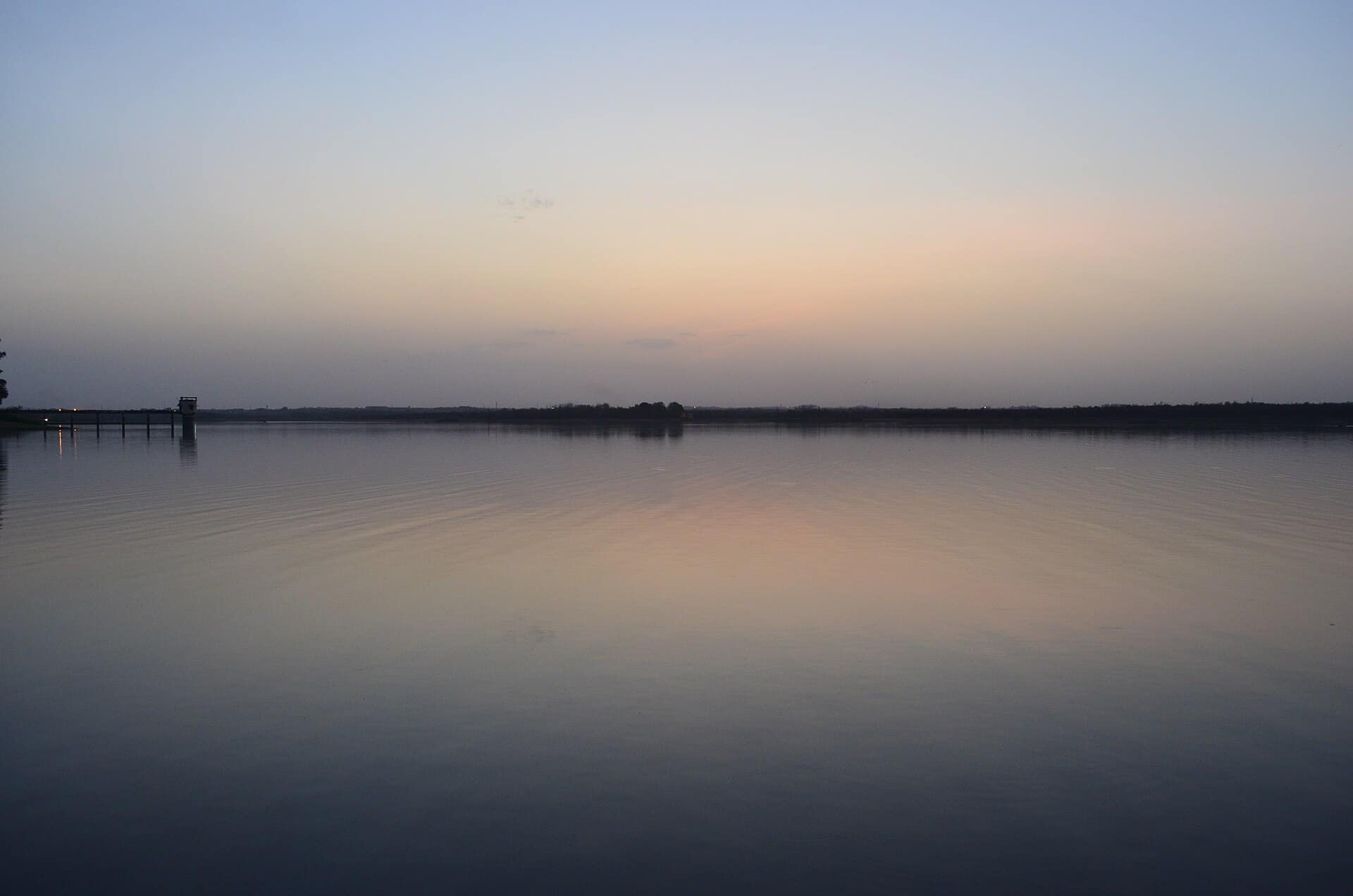
Ambazari Lake
- Best timeEvening, when the sun sets across the water and turns it orange; early morning for calm water and soft light.
- ColorsWhiteCoralTeal
 High crowd
Entry Free
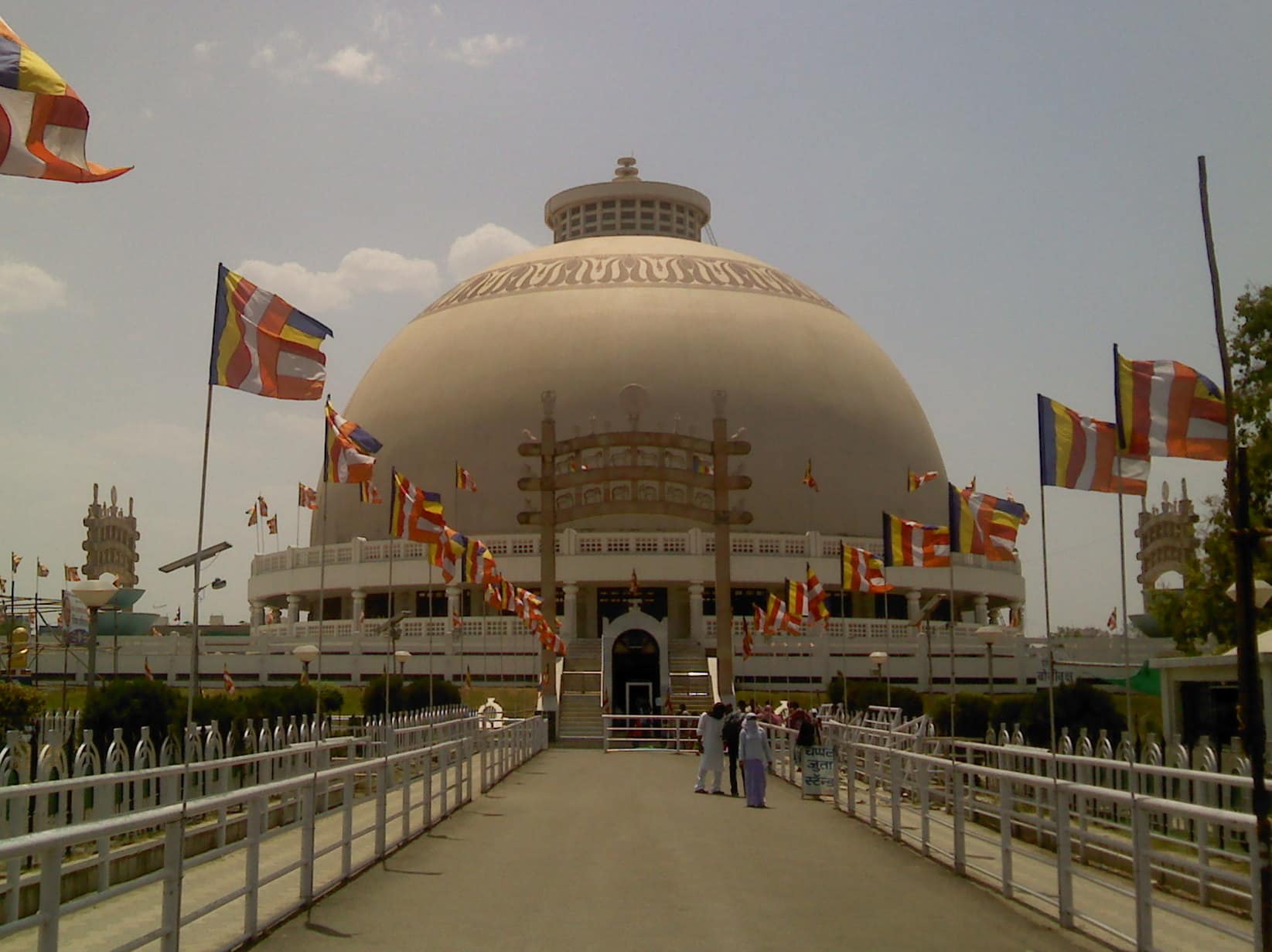
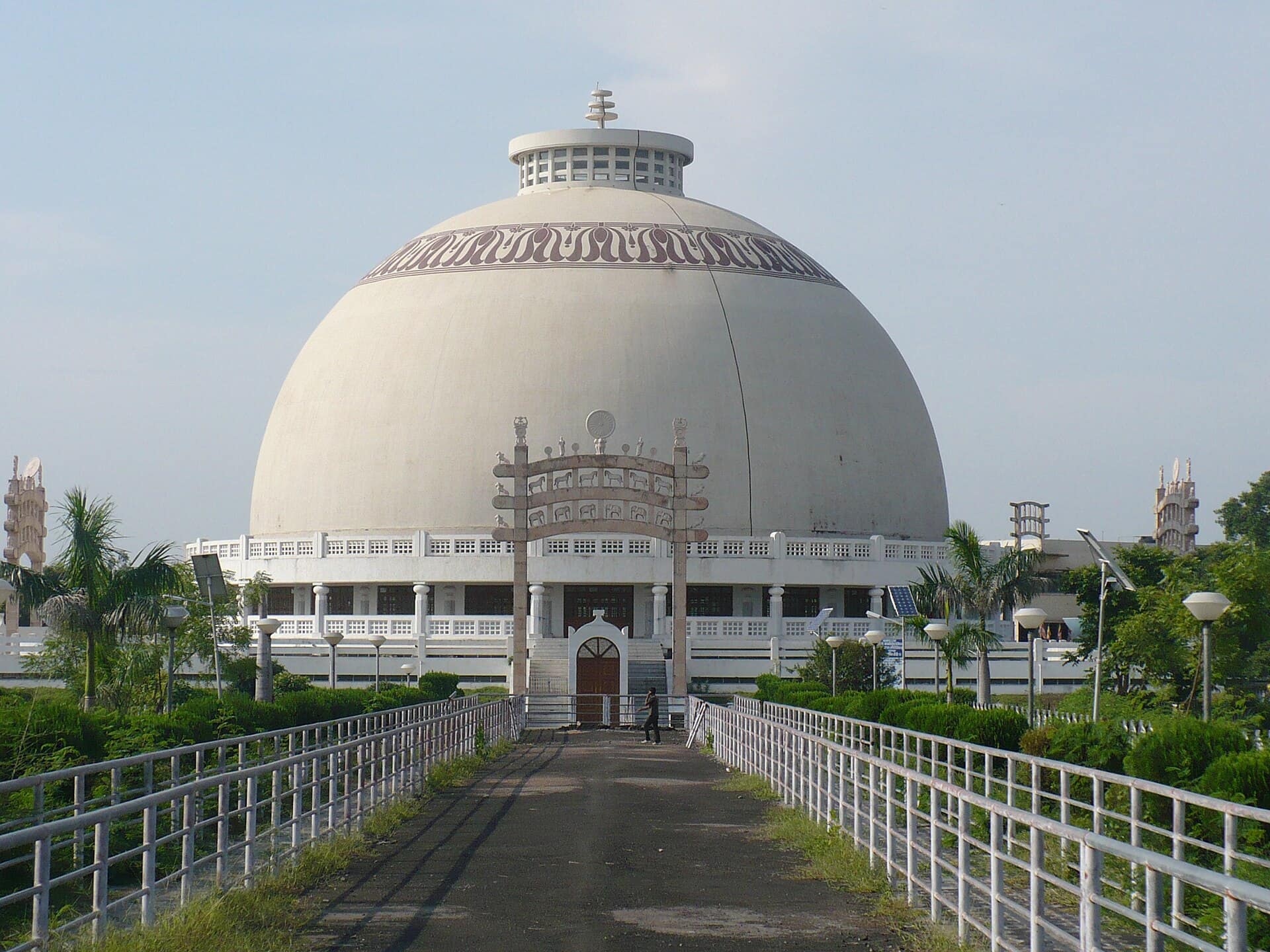
Deekshabhoomi
- Best timeEarly morning, when the white dome is softly lit and the grounds are almost empty; late afternoon for a warmer tone on the stone.
- ColorsWhiteBlueCream
 High crowd
Entry Free
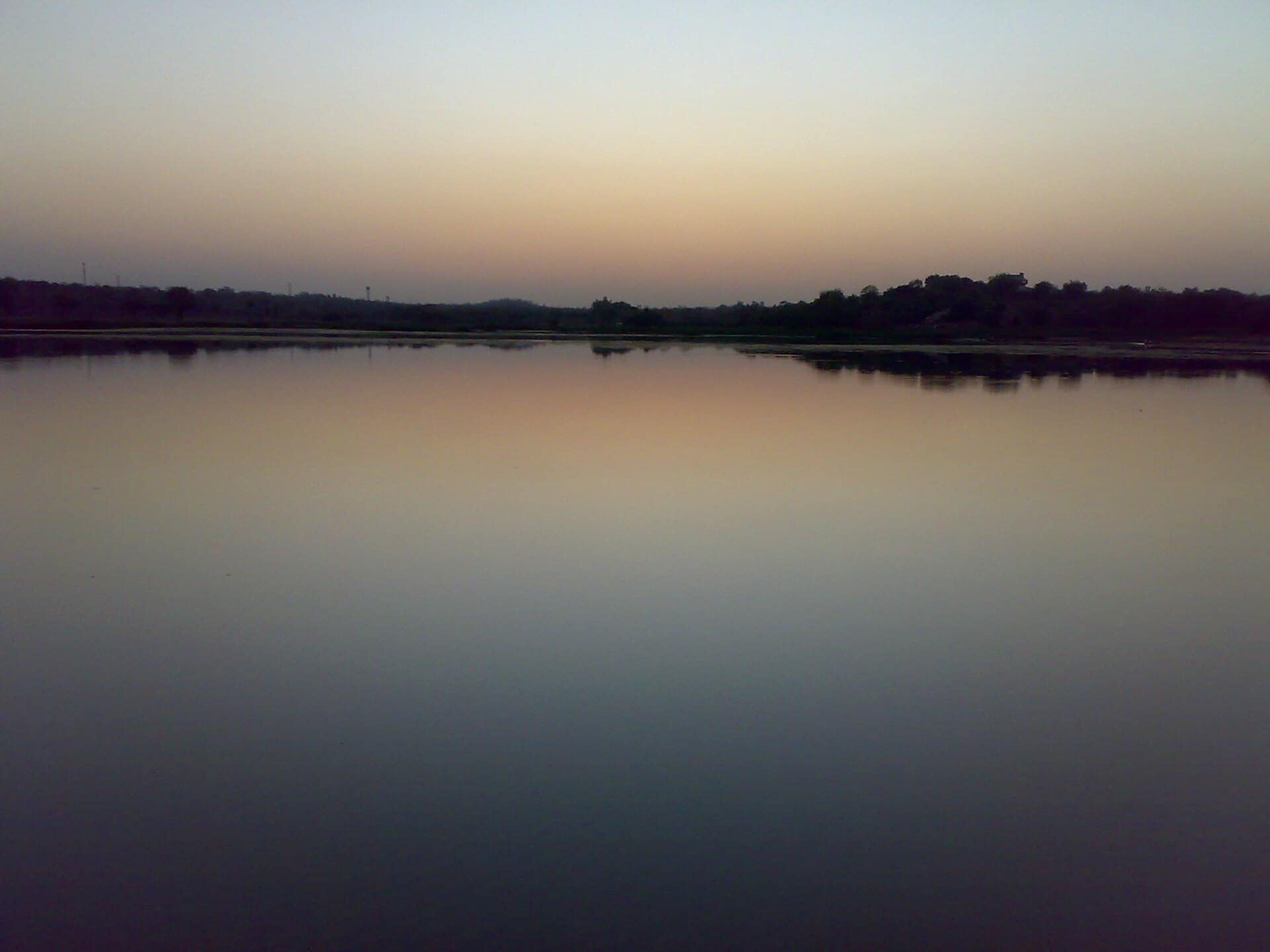
Futala Lake
- Best timeSunset, when the sky over the water turns orange behind the wooded hills; after dark for the lights along the promenade.
- ColorsWhiteYellowCobalt
 Low crowd
Entry Free
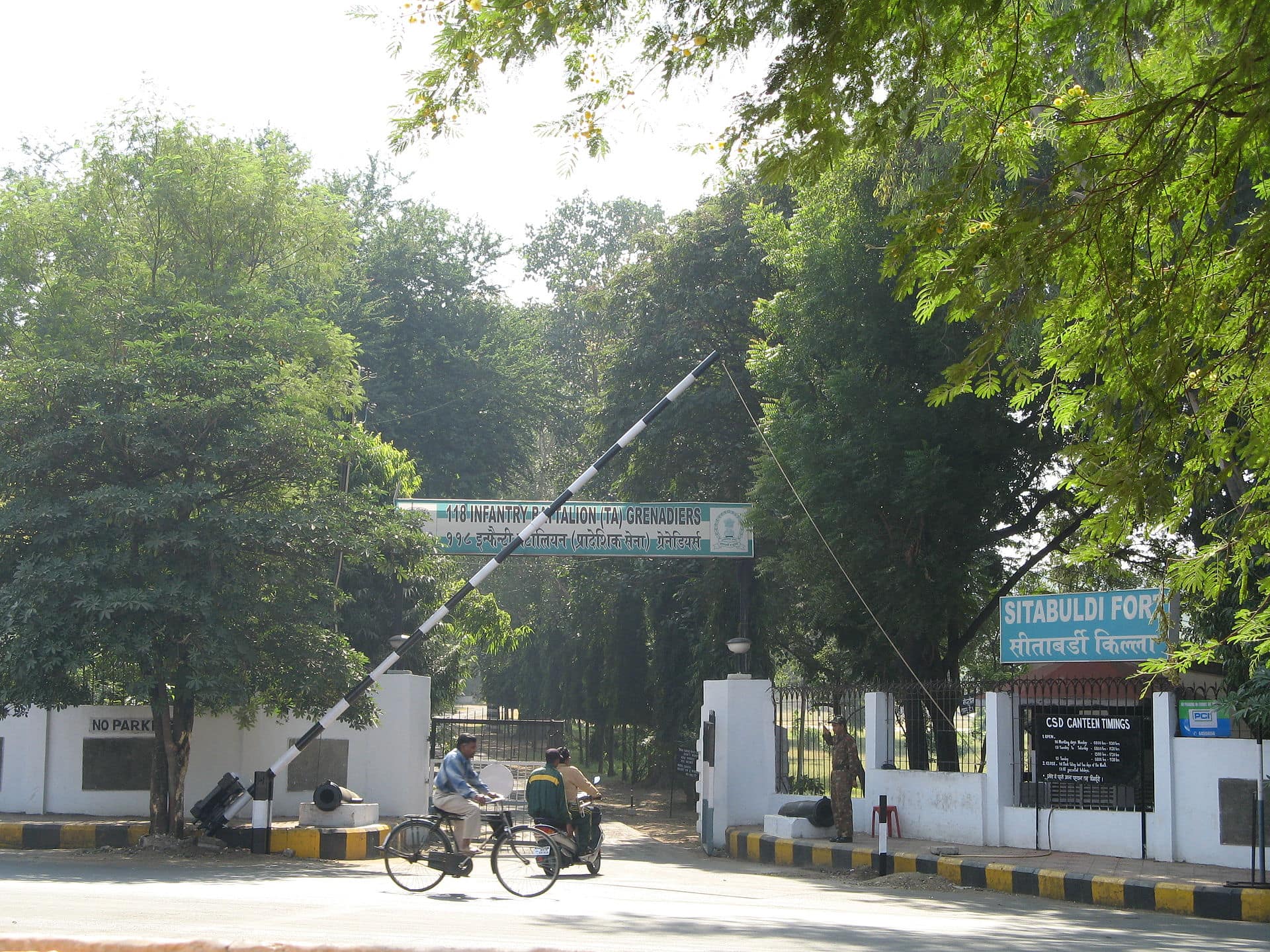
Sitabuldi Fort
- Best timeMorning on the open days, when the light is soft and the crowd is still thin; late afternoon for a warm view over the city from the ramparts.
- ColorsKhakiWhiteMaroon
Entry Free
Zero Mile Stone
- Best timeEarly morning, before traffic fills the junction and while the light is soft on the sandstone; late afternoon for warmer colour on the horses.
- ColorsWhiteRustNavy
For the feed
Trending Wear in Nagpur
Modern, Instagram-friendly looks


Rooted in the city
Nagpur Traditional Wear
Local, cultural, handcrafted outfits
Taste the city
Food to Eat in Nagpur

Trusted tables
Where to Eat in Nagpur
The city at the centre of the map
Nagpur sits close to the middle of India, and it has a stone to prove it. The Zero Mile pillar was put up in 1907 during the Great Trigonometrical Survey, and the city has leaned on the idea of being the centre ever since. It is the winter capital of Maharashtra, the main city of the Vidarbha region, and the heart of the country's best-known orange belt. Many travellers only change trains here or pass through on the way to a tiger reserve. The city deserves a slower look than that.
What to see
Start at Deekshabhoomi, where Dr B.R. Ambedkar and hundreds of thousands of his followers became Buddhists on 14 October 1956. Its white stupa is hollow, free to enter and quiet on most days. Sitabuldi Fort, on a hill in the city centre, grew out of the 1817 battle that broke the power of the Bhonsle rulers. The Army holds it, and it opens to the public only three days a year. The Zero Mile Stone takes ten minutes. In the evening, people head to Futala Lake for snacks and the breeze off the water.
Getting around
Dr Babasaheb Ambedkar International Airport is on the southern side of the city, and Nagpur Junction railway station is next to Sitabuldi. The two metro lines cross at Sitabuldi, which is handy for the fort, Zero Mile and the main market. App cabs and auto-rickshaws cover the rest. Distances are short, and the roads are wide by Indian standards.
When to come
October to February is the easy season. By April the city is baking. Average highs in May are above 43 °C, and 47 °C was recorded on 30 May 2024. Most of the year's rain falls from late June to September, and heavy bursts can flood low parts of the city, as they did in September 2023. The Winter Session of the state legislature usually sits in Nagpur in December, which fills hotels and slows traffic around Civil Lines.
Eating
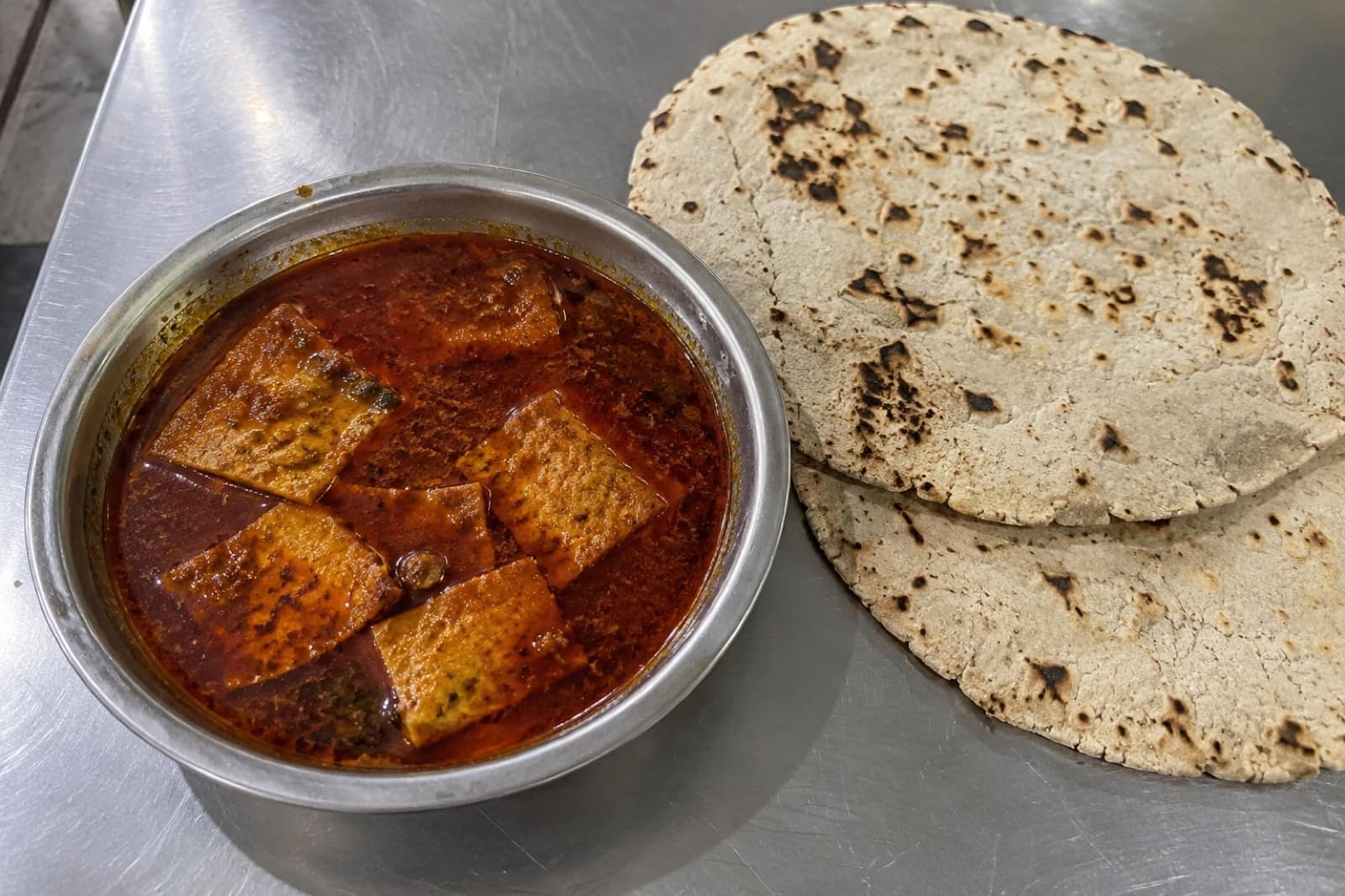
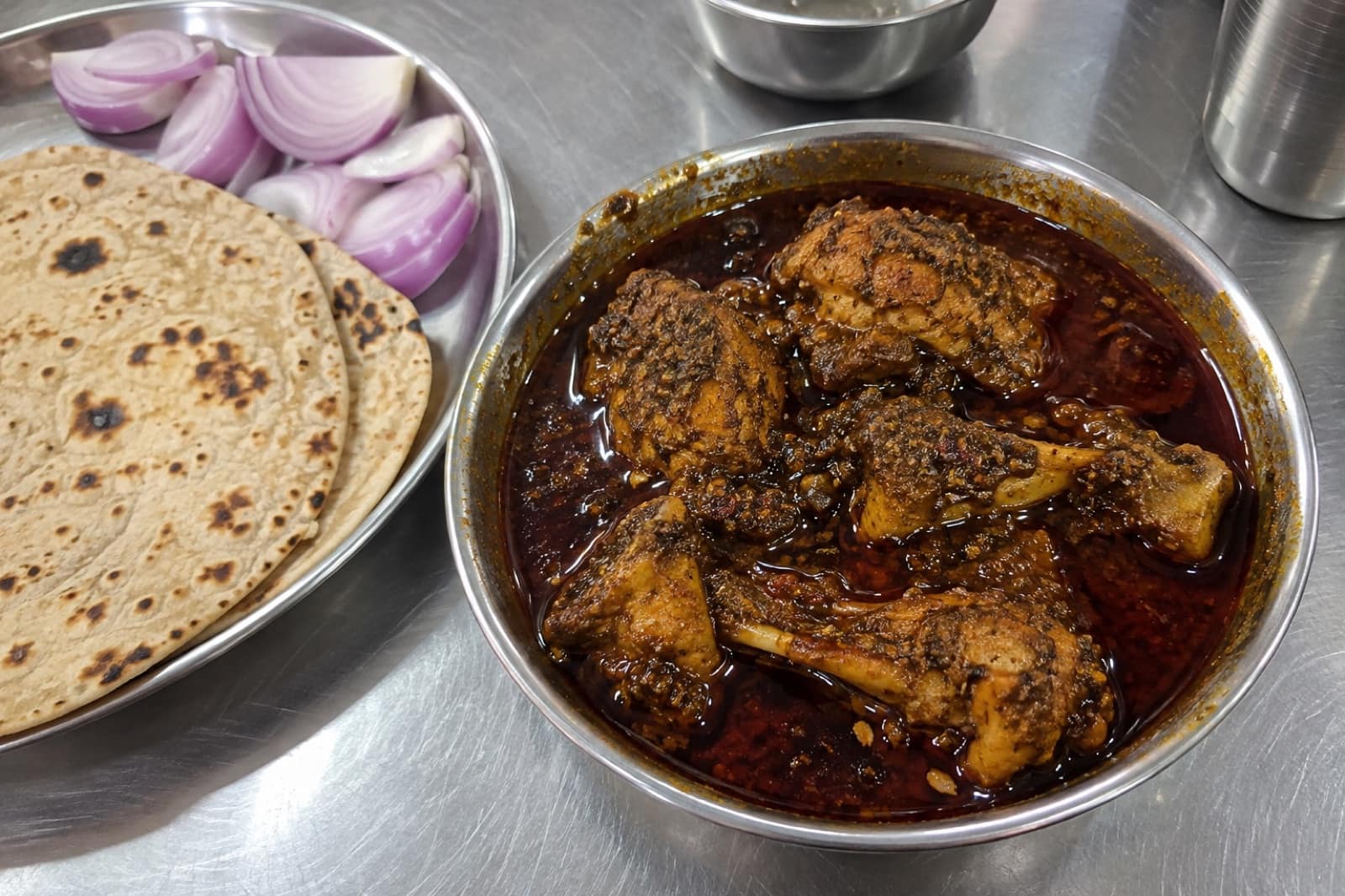
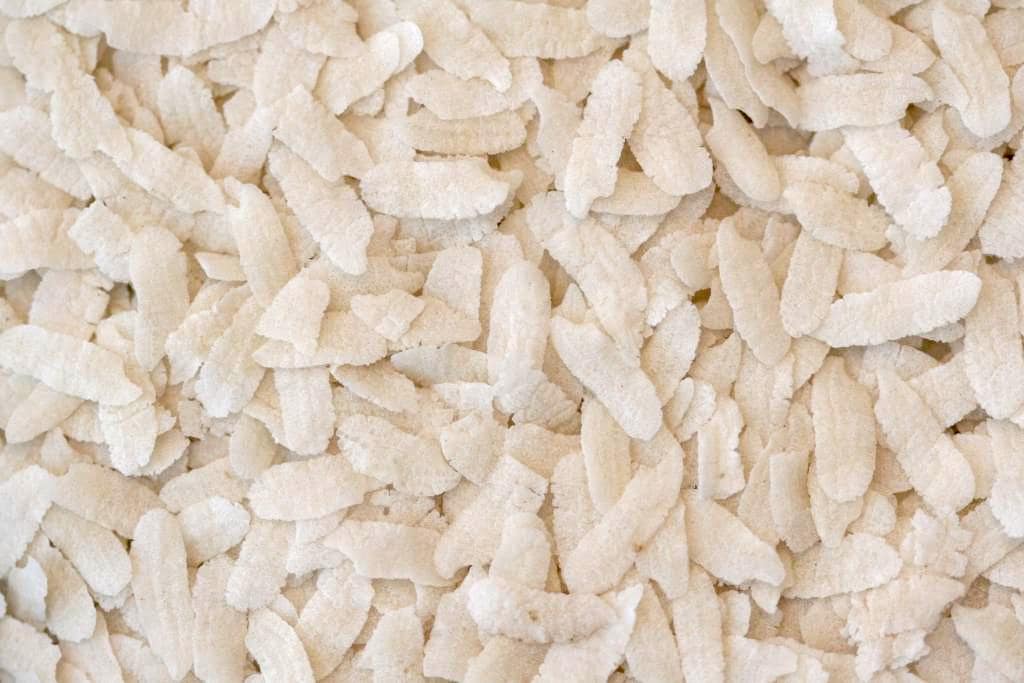
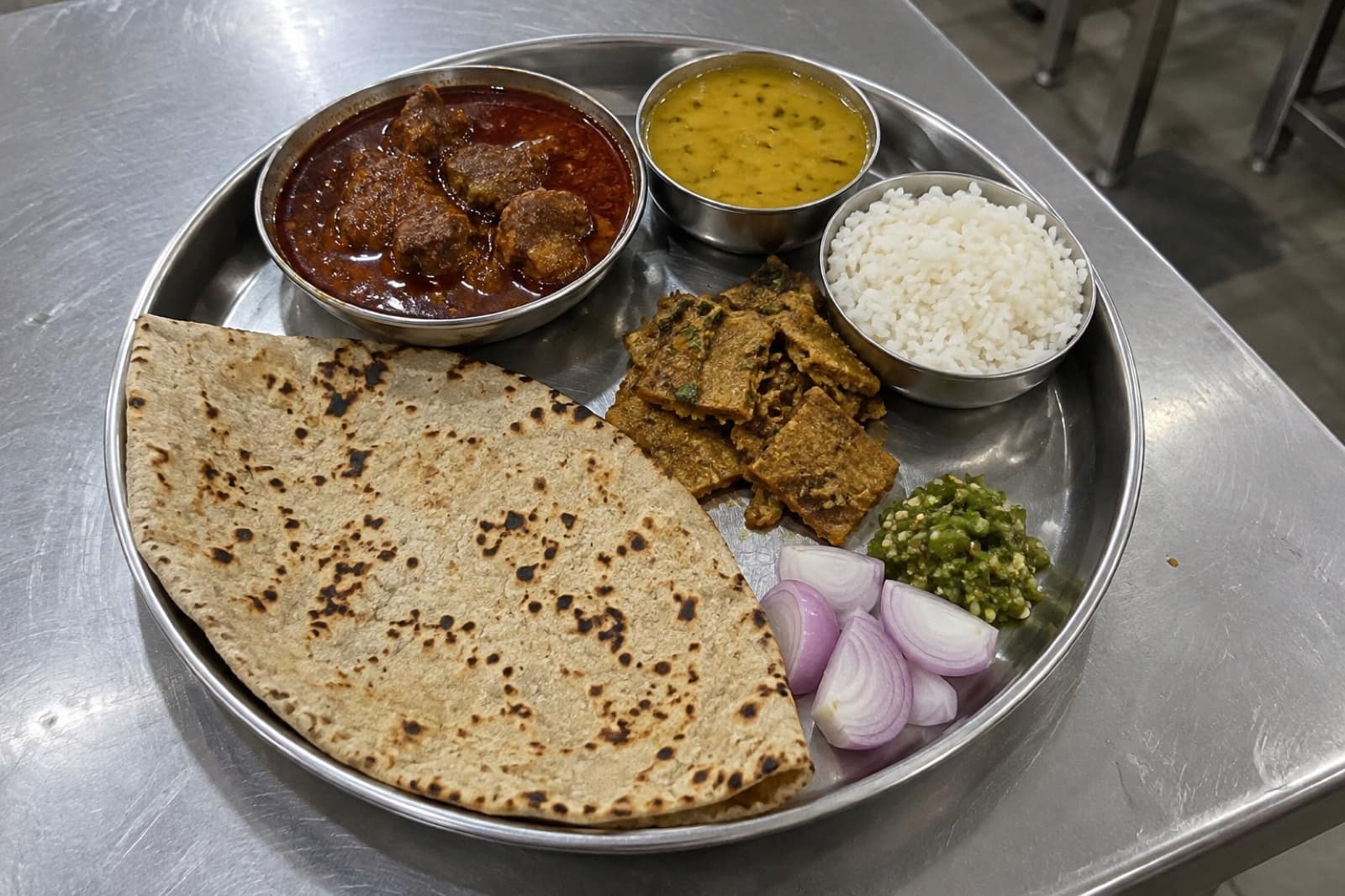
Breakfast is tarri poha: soft flattened rice under a hot, oily chickpea gravy. Dinner, if you eat meat, is Saoji chicken or mutton, dark with roasted spices and very hot. Nagpur oranges are in the markets roughly from November to March, and orange barfi is the sweet to take home. The food page has the details.
Beyond the city
Tadoba-Andhari Tiger Reserve is about 120 to 180 km away, depending on the gate, and its core zones close from 1 July to 30 September. Ramtek, about 45 km north-east, has hilltop temples to Rama and a memorial to the poet Kalidasa.
Questions
Nagpur — FAQ
Why is Nagpur called the Orange City?
Because the district around it is one of India's main orange-growing areas. The Nagpur orange is a loose-skinned mandarin, and the city's markets are full of it from about November to March.
Is Nagpur really the centre of India?
Roughly. The Zero Mile Stone was a survey reference point set up by the British in 1907. It was never an exact geographic centre, and a couple of villages in Madhya Pradesh make the same claim.
How many days do I need in Nagpur?
One full day covers Deekshabhoomi, Zero Mile, Sitabuldi and an evening at Futala Lake. Add a second day for Ramtek, the Dragon Palace Temple at Kamptee or Koradi, or a night near Tadoba for a safari.
Can I visit Tadoba as a day trip from Nagpur?
It is possible but tiring. The nearest gates are about 120 km away, and safaris start at dawn. Most people stay a night near the gate. Core zones are closed from 1 July to 30 September.
How hot does Nagpur get?
Very hot. Average May highs are above 43 °C, and 47 °C was recorded in May 2024. If you must come in summer, sightsee early and late, and stay indoors in the afternoon.