
What to Wear in Nagpur
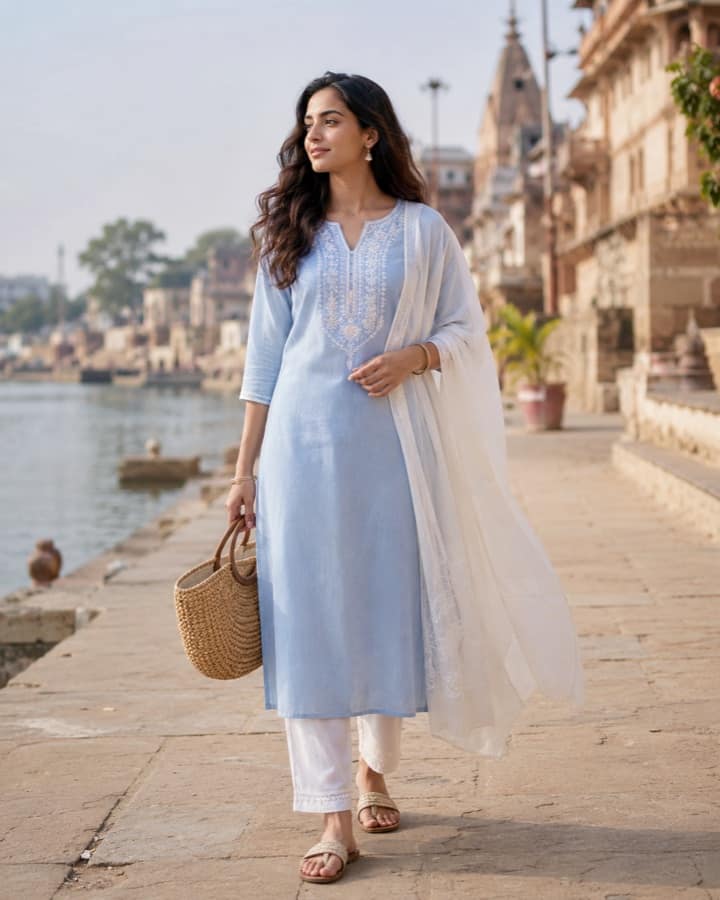
Dress for the heat for most of the year, and for a cool evening from December to January. Deekshabhoomi and the temples ask for covered shoulders and knees, and shoes off at the door.
Trending wear
Modern, Instagram-friendly looks
Traditional wear
Local cultural outfits
Summer: cover up rather than strip down
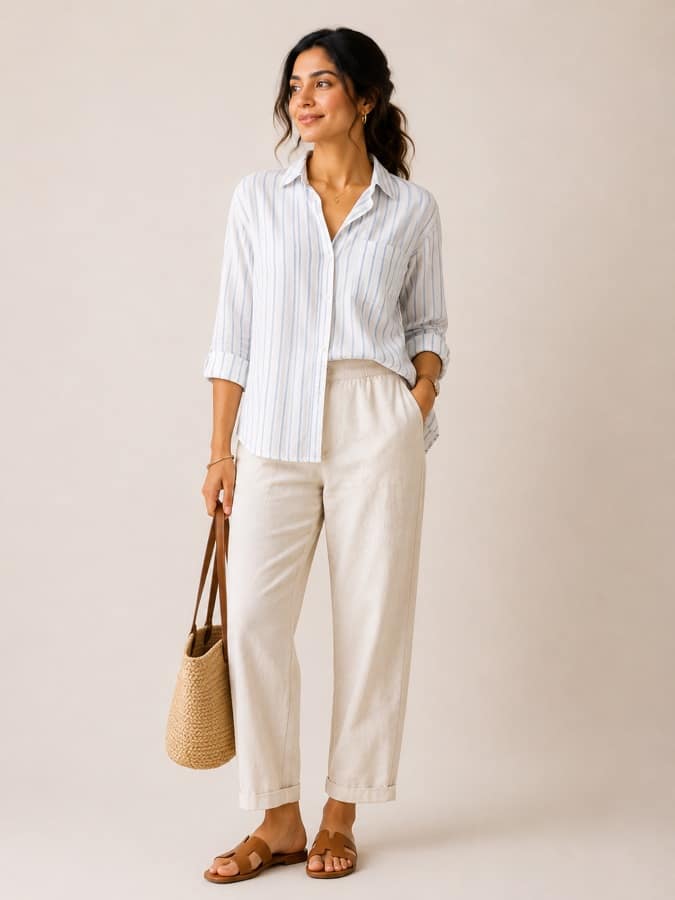
From April to June, Nagpur is one of the hottest cities in India, with average May highs above 43 °C. Loose, full-length cotton or linen keeps the sun off better than shorts and a vest. Add a wide hat, sunglasses and a light scarf or dupatta for your neck. Light colours help. Carry water, and plan to be indoors between noon and about four.
Monsoon
The rain usually arrives in the second half of June and lasts to September. Downpours are heavy but often short, and the roads flood quickly. Quick-dry clothes, a compact umbrella and sandals with grip are more useful than a raincoat in the humid heat.
Winter
December and January mornings and nights are cool, with average lows around 13 °C. Days are warm and sunny. A light jacket or shawl for early starts is enough; you will not need heavy woollens. October, February and March are warm, and March can already feel like summer.
Visiting Deekshabhoomi and the temples
Shoes come off before the stupa at Deekshabhoomi and at Hindu temples such as Tekdi Ganesh and Koradi. Slip-on sandals save time. Cover your shoulders and knees. White is common at Deekshabhoomi, especially around 14 October, but no dress colour is required of visitors.
Traditional dress
The nauvari, a nine-yard saree draped between the legs in a dhoti style, is Maharashtra's festive drape for women. It is usually worn with a nath (nose ring) and green glass bangles for weddings and festivals. Men wear a dhoti or kurta with a pheta, the tied Maharashtrian turban, often in saffron. Sitabuldi's saree shops and the Sadar market sell both. You can also have a nauvari stitched ready to wear, which is easier than draping it yourself.
What to leave at home
Heavy denim in summer, dark clothes in the midday sun, and shoes that take a long time to take off. In the old markets of Itwari and Mahal most people dress conservatively, and very short or revealing clothes draw stares.
Questions
Nagpur — FAQ
What should I wear to Deekshabhoomi?
Modest clothes that cover your shoulders and knees, and shoes you can slip off easily. Many pilgrims wear white, but visitors are not required to.
Do I need warm clothes in Nagpur?
Only a light jacket or shawl for December and January mornings and nights, when it drops to around 13 °C. Days stay warm all year.
What is a nauvari saree?
A nine-yard saree draped in a dhoti style, with one end tucked at the back. It is the traditional Maharashtrian festive drape, worn at weddings and festivals.
Where can I buy traditional Maharashtrian clothes in Nagpur?
Try the saree shops of Sitabuldi and the Sadar market for nauvaris, dhotis and phetas. Ready-stitched nauvaris are widely sold.