
Photo spot in Nagpur
Deekshabhoomi
Nagpur, Maharashtra
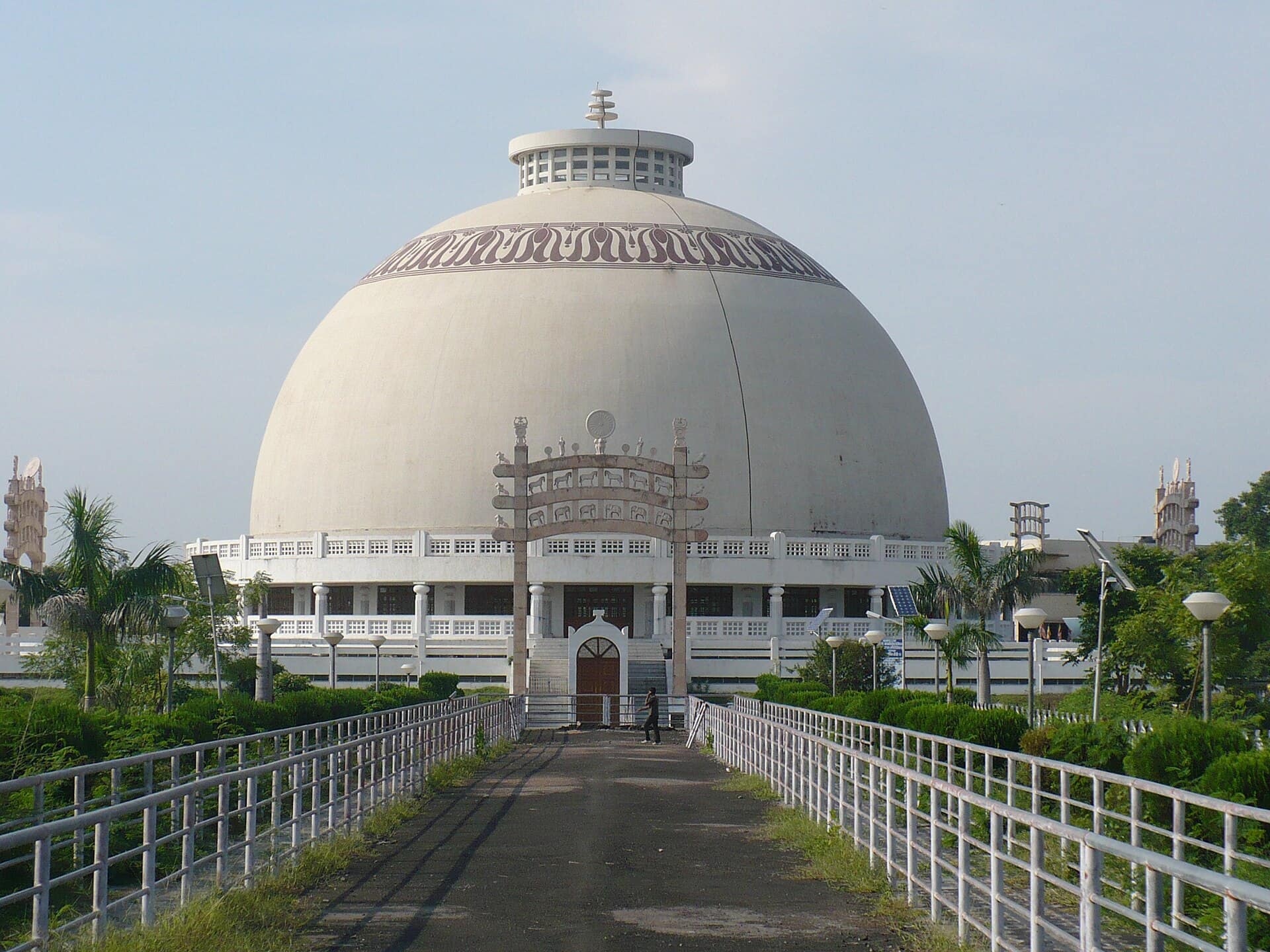
The sacred site where Dr B.R. Ambedkar embraced Buddhism in 1956, crowned by a vast white domed stupa — a major pilgrimage centre.
Best time
Early morning, when the white dome is softly lit and the grounds are almost empty; late afternoon for a warmer tone on the stone.
Best angle
Stand well back on the open ground in front of the stupa and take a wide, straight-on photo with the full dome and its railings in the frame.
Entry fee
Free
Opening hours
6:00 AM – 8:00 PM
Crowd level
High
Best outfit colors
Overview
Best time to visit Deekshabhoomi
Early morning, when the white dome is softly lit and the grounds are almost empty; late afternoon for a warmer tone on the stone. Crowds here are typically high. Arrive a little early to claim your angle and catch the softest light before the day tips over.
Poses & angles
Photo tips for Deekshabhoomi
Stand well back on the open ground in front of the stupa and take a wide, straight-on photo with the full dome and its railings in the frame. Work a few of the pose ideas below, shoot wide for context and tight for detail, and give yourself a couple of extra minutes to get the frame right.
Before the white stupa
In the plaza
Outfit guide
What to wear at Deekshabhoomi
For photos at Deekshabhoomi, white, blue and cream work beautifully — they stand out against the setting without fighting it. Pick one hero colour and keep the rest of the look calm so you stay the subject of the frame.
Best outfit colors for photos
Trending wear for this spot
Modern, camera-ready looks picked for Deekshabhoomi.

Traditional wear for this spot
Timeless, cultural outfits worn across Nagpur.
Eat nearby
Food near Deekshabhoomi
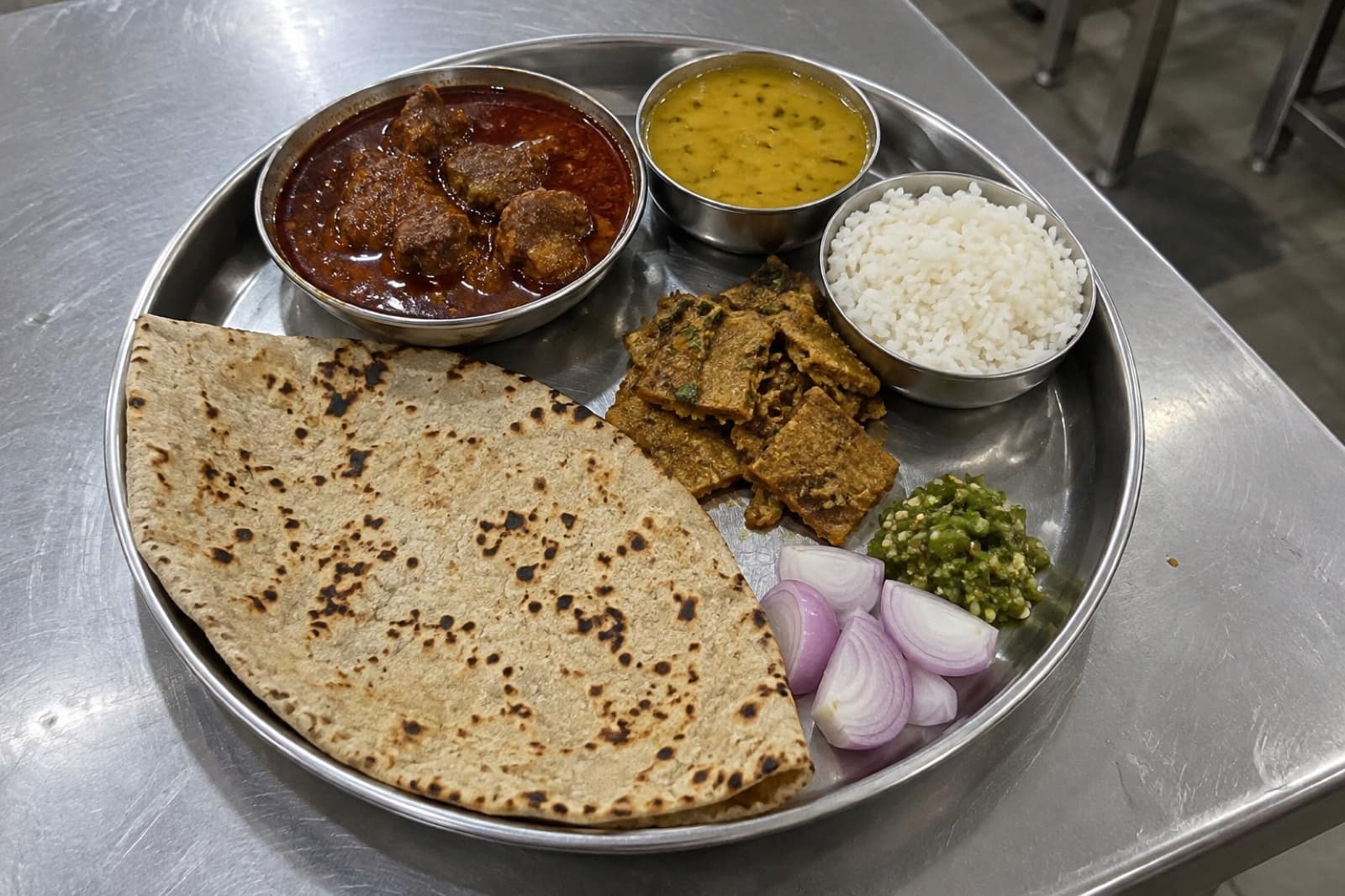
Round out the visit with something to eat. Look for vidarbha thali nearby.
Special dishes to try
Search food by craving
Good to know
Local tips
Wear sandals you can slip off quickly, because shoes stay outside the stupa.
Carry socks in summer, as the stone around the stupa gets very hot by midday.
Keep your phone in your pocket inside the hall, where photography is usually not allowed.
Look for the urn of Ambedkar's ashes in the glass case before the Buddha image.
Browse the book stalls outside for writings by and about Ambedkar in English and Marathi.
Avoid the week around 14 October and Dussehra if you want a quiet visit.
Combine the visit with Ambazari Lake, which is a short ride to the west.
Where a movement began
On 14 October 1956, Dr B.R. Ambedkar, the architect of India's Constitution, took up Buddhism on this ground in Nagpur. Hundreds of thousands of his followers, most of them from communities treated as untouchable, converted with him that day. He died less than two months later. Deekshabhoomi is a living place of pilgrimage for the Ambedkarite Buddhist movement, not only a memorial.
The stupa
The white stupa was designed by the architect Sheo Dan Mal and opened in December 2001. Its shape follows the great stupa at Sanchi. Unlike Sanchi, which is solid, it is hollow, with a large circular hall inside. An urn holding some of Ambedkar's ashes rests in a glass case before a Buddha image. The ground floor also has a library and a photo exhibition on the lives of the Buddha and Ambedkar.
The Bodhi tree
A Bodhi tree in the grounds was grown from branches of the sacred tree at Anuradhapura in Sri Lanka, which is itself descended from the tree at Bodh Gaya. Pilgrims often sit beneath it.
Visiting
The site lies in the south-west of the city, between Dhantoli and Ambazari. Entry is free. Take off your shoes before the steps and keep your voice low inside. Photography is usually not allowed in the main hall; photograph the stupa from outside instead.
October
Dhammachakra Pravartan Din, on 14 October and on Ashoka Vijayadashami (Dussehra), brings hundreds of thousands of people, many in white. Stalls selling books, portraits and Buddhist images line the roads. It is moving to see, but it is a religious event: keep your camera down during ceremonies. For a quiet visit, avoid that week.
Questions
Deekshabhoomi — FAQ
What is the best time to visit Deekshabhoomi?
Early morning, when the white dome is softly lit and the grounds are almost empty; late afternoon for a warmer tone on the stone. Stand well back on the open ground in front of the stupa and take a wide, straight-on photo with the full dome and its railings in the frame.
Is there an entry fee at Deekshabhoomi?
Entry to Deekshabhoomi is free.
What are the opening hours of Deekshabhoomi?
Deekshabhoomi is open 6:00 AM – 8:00 PM.
What should I wear at Deekshabhoomi?
White, blue and cream photograph especially well here. Explore the trending and traditional outfit ideas on this page for full looks.
How crowded does Deekshabhoomi get?
Crowd levels are typically high. To miss the busiest window: early morning, when the white dome is softly lit and the grounds are almost empty; late afternoon for a warmer tone on the stone.
What food should I try near Deekshabhoomi?
Try vidarbha thali at spots close by.
Why is Deekshabhoomi important?
Dr B.R. Ambedkar converted to Buddhism here on 14 October 1956, with hundreds of thousands of followers. It is the most important site of the Ambedkarite Buddhist movement.
Can I take photos inside Deekshabhoomi?
Photography is usually not allowed inside the main hall of the stupa. You can photograph the outside and the grounds, but ask before photographing people.
Who designed the Deekshabhoomi stupa?
The architect Sheo Dan Mal. Work began in 1978, and the stupa was opened in December 2001. Its shape is modelled on the great stupa at Sanchi.
What is inside the Deekshabhoomi stupa?
A large circular hall with a Buddha image and an urn holding some of Ambedkar's ashes. The ground floor also has a library and a photo exhibition.