
Photo spot in Nubra Valley
Turtuk Village
Nubra Valley, Ladakh
A lush Balti village near the Line of Control, opened to visitors only in 2010 — apricot orchards, stone-and-wood houses, a Muslim Balti culture and a fascinating frontier history.
Best time
Morning, when the sun lights the orchards and the stone lanes are quiet; late afternoon for warm light on the cliffs above the Shyok.
Best angle
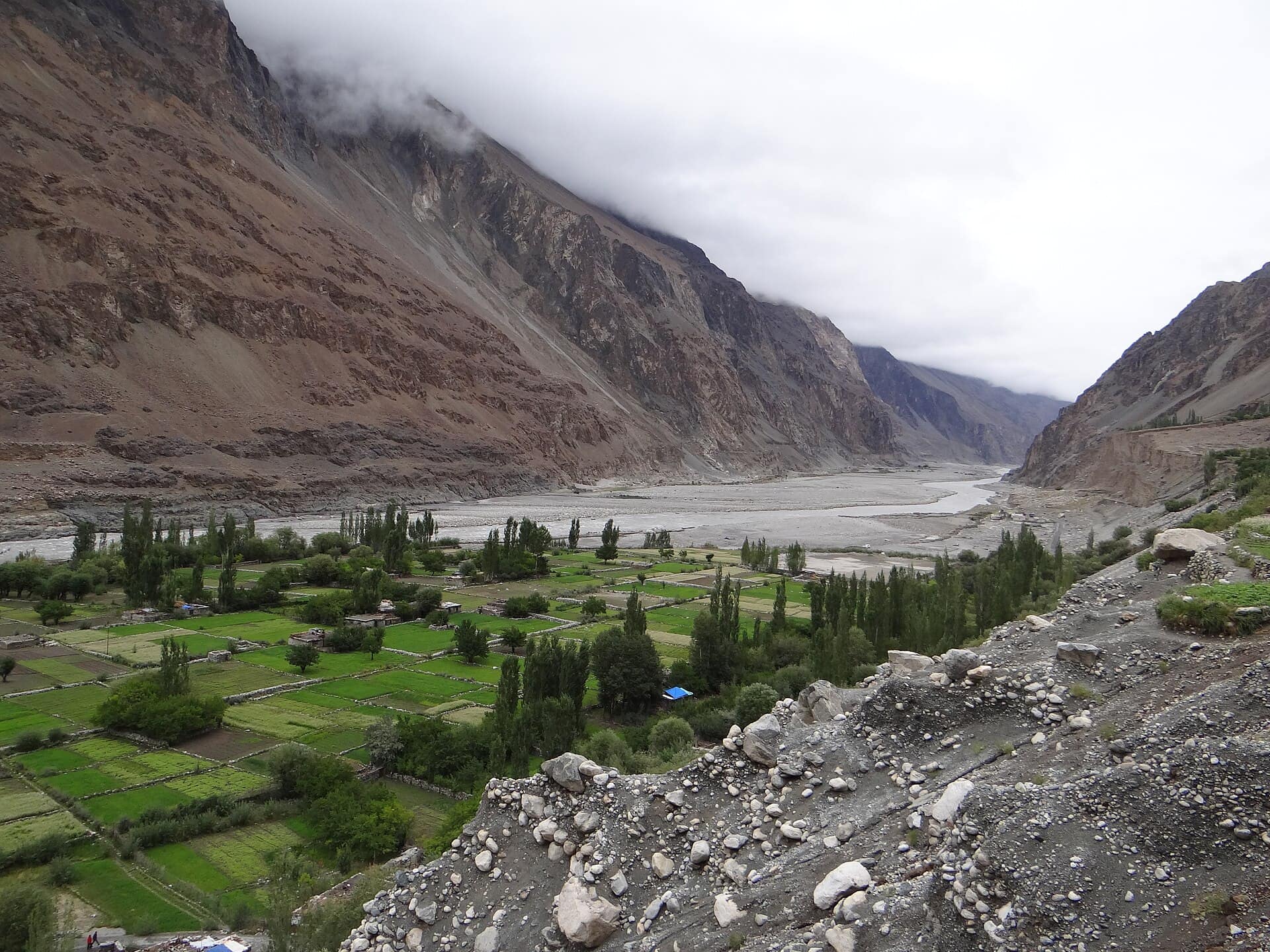
Climb to the upper part of the village and take a wide photo of the green fields and flat-roofed houses, with the bare mountains rising behind.
Entry fee
Free
Opening hours
Daylight hours
Crowd level
Low
Best outfit colors
Overview
Best time to visit Turtuk Village
Morning, when the sun lights the orchards and the stone lanes are quiet; late afternoon for warm light on the cliffs above the Shyok. Crowds here are typically low. Arrive a little early to claim your angle and catch the softest light before the day tips over.
Poses & angles
Photo tips for Turtuk Village
Climb to the upper part of the village and take a wide photo of the green fields and flat-roofed houses, with the bare mountains rising behind. Work a few of the pose ideas below, shoot wide for context and tight for detail, and give yourself a couple of extra minutes to get the frame right.
In the apricot orchards
On the village lanes
Outfit guide
What to wear at Turtuk Village
For photos at Turtuk Village, rust, cream and forest green work beautifully — they stand out against the setting without fighting it. Pick one hero colour and keep the rest of the look calm so you stay the subject of the frame.
Best outfit colors for photos
Trending wear for this spot
Popular modern looks travellers are wearing across Nubra Valley.
Traditional wear for this spot
Timeless, cultural looks that suit Turtuk Village.
Eat nearby
Food near Turtuk Village
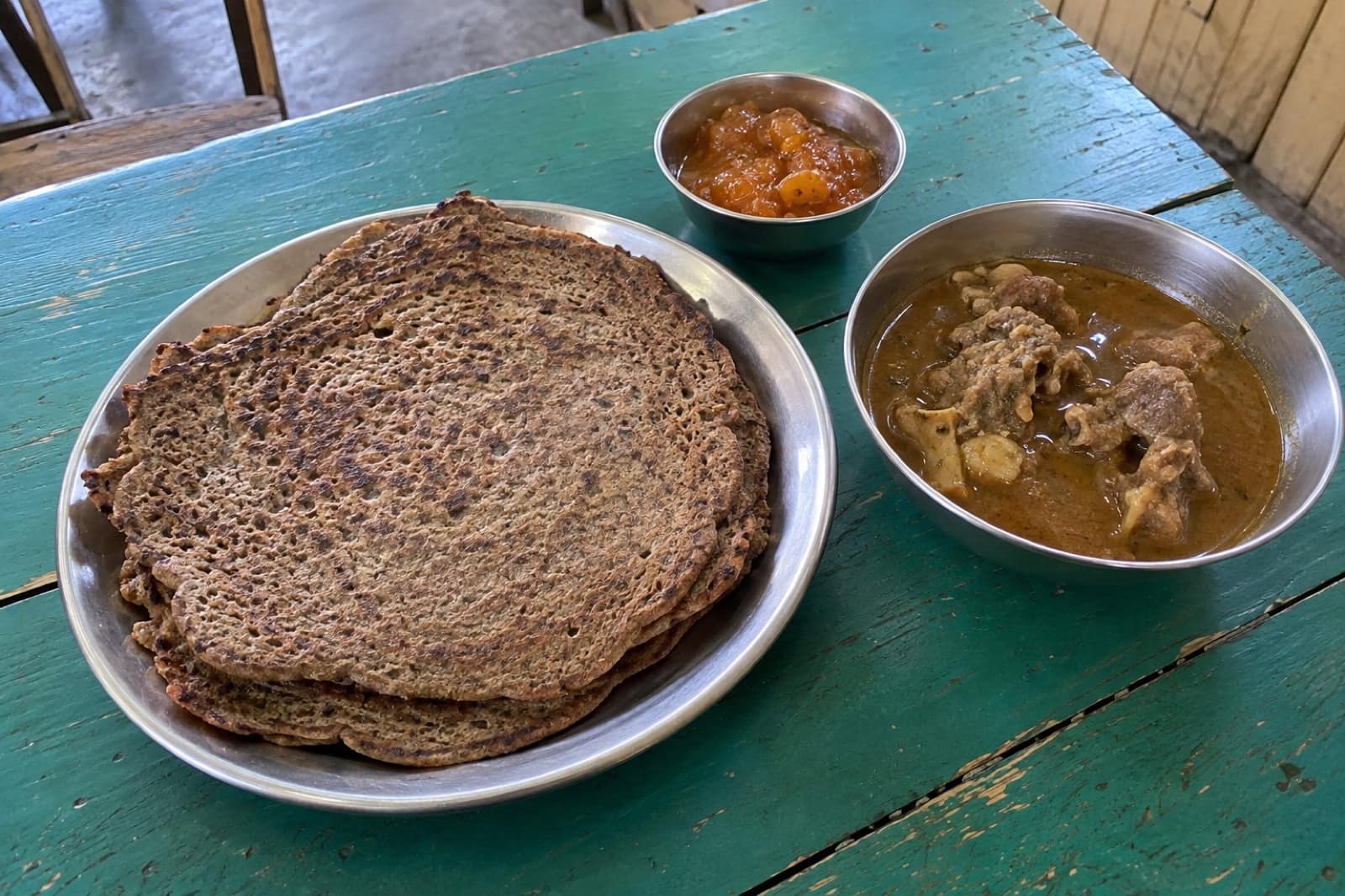
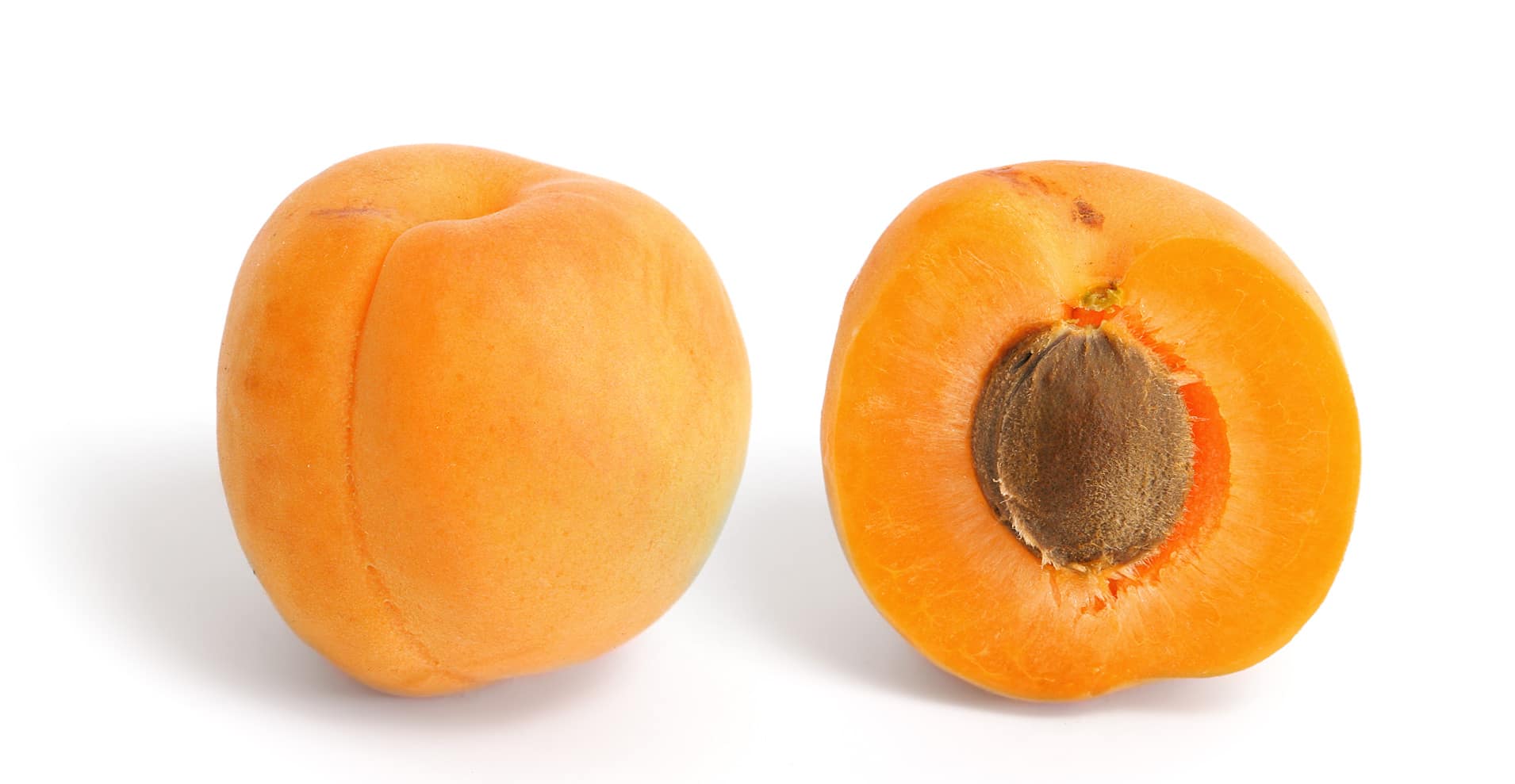
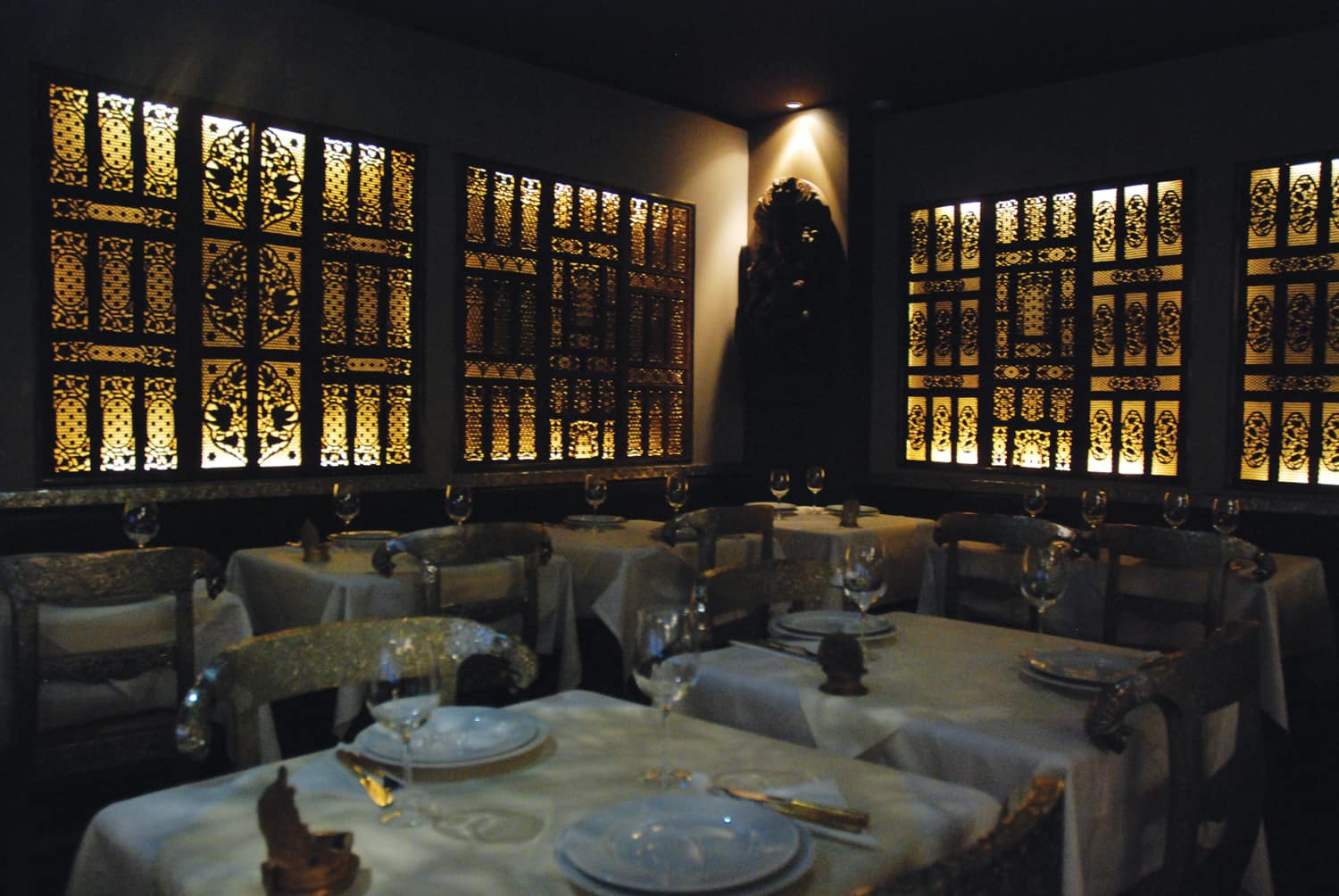
Round out the visit with something to eat. Look for balti cuisine and ladakhi apricots nearby, or settle in at one of the 1 restaurants close by.
Special dishes to try
Restaurants & food places nearby
Search food by craving
Good to know
Local tips
Stay one night if you can, because the day trip from Hunder leaves little time in the village.
Leave Hunder early, as the last stretch of road into Turtuk is rough and slow.
Cover your arms and legs out of respect for this conservative Muslim village.
Ask before photographing anyone, and do not photograph women without clear permission.
Buy dried apricots or apricot kernel oil from villagers rather than from roadside stalls in Leh.
Keep printouts of your permit papers with you, since checks are common near the Line of Control.
Do not walk into orchards or courtyards unless someone invites you in.
A Balti village on the Shyok
Turtuk sits on the Shyok about 80 km west of Hunder, where the valley narrows between high cliffs. The people are Balti. They speak Balti, Ladakhi and Urdu, and most are Noorbakhshi or Sunni Muslims. Turtuk and a few neighbouring villages are the only Balti region in India. The village was part of Pakistan until the 1971 war and opened to visitors only in 2010.
What to see
The village is the sight. Stone and wooden houses stand among barley fields and apricot orchards, with water channels running alongside the lanes. Look for the polo ground, the old royal house, and the mosque with its carved wooden ceiling and pillars. A path climbs to the plateau above, where there is an old gompa and wide views up the valley. Turtuk is known for its apricots, which ripen around July and August.
Thang
About 7 to 8 km beyond Turtuk is Thang, one of India's northernmost villages. A viewpoint there looks across the Line of Control towards Baltistan. Follow the army's instructions, and do not photograph military posts.
Getting there and staying
The drive from Hunder takes about three hours, and the last stretch before Turtuk is rough, narrow and gravelly. A day trip is possible but rushed. Staying a night in a homestay lets you see the village in the quiet morning. Carry your permit papers.
Being a good guest
This is a conservative village. Cover your arms and legs, ask before you photograph anyone, and accept no gracefully. Many women prefer not to be photographed. Do not walk into orchards or courtyards uninvited. For Balti food, see where to eat.
Questions
Turtuk Village — FAQ
What is the best time to visit Turtuk Village?
Morning, when the sun lights the orchards and the stone lanes are quiet; late afternoon for warm light on the cliffs above the Shyok. Climb to the upper part of the village and take a wide photo of the green fields and flat-roofed houses, with the bare mountains rising behind.
Is there an entry fee at Turtuk Village?
Entry to Turtuk Village is free.
What are the opening hours of Turtuk Village?
Turtuk Village keeps daylight hours.
What should I wear at Turtuk Village?
Rust, cream and forest green photograph especially well here. Explore the trending and traditional outfit ideas on this page for full looks.
How crowded does Turtuk Village get?
Crowd levels are typically low. To miss the busiest window: morning, when the sun lights the orchards and the stone lanes are quiet; late afternoon for warm light on the cliffs above the Shyok.
What food should I try near Turtuk Village?
Try balti cuisine and ladakhi apricots, available at nearby restaurants.
When did Turtuk become part of India?
In the 1971 war between India and Pakistan. Before that it was on the Pakistani side. It opened to tourists in 2010.
Can tourists visit Thang village near Turtuk?
Yes, Thang is about 7 to 8 km beyond Turtuk, and there is a viewpoint looking towards Baltistan. Follow the army's rules there and do not photograph military posts.
Is Turtuk worth an overnight stay?
Yes. The drive from Hunder takes about three hours each way, so a night lets you walk the village in the morning without rushing back.
What language do people speak in Turtuk?
Balti, along with Ladakhi and Urdu. Many people also speak some Hindi and English, especially those who run homestays.