
What to Wear in Orchha
What you wear in Orchha depends mostly on the season. Winter days are mild and sunny but the nights get cold, summer is very hot and dry, and the monsoon brings humid days and heavy showers.
You will also spend much of your time in temples and old palaces, so pack clothes that cover your shoulders and knees and shoes that are easy to take off. Leather belts and wallets are not allowed inside Ram Raja Temple, so leave them at your hotel on the day you visit. For photos, simple cotton in white, indigo or deep red stands out well against the golden-brown stone.
Trending wear
Modern, Instagram-friendly looks
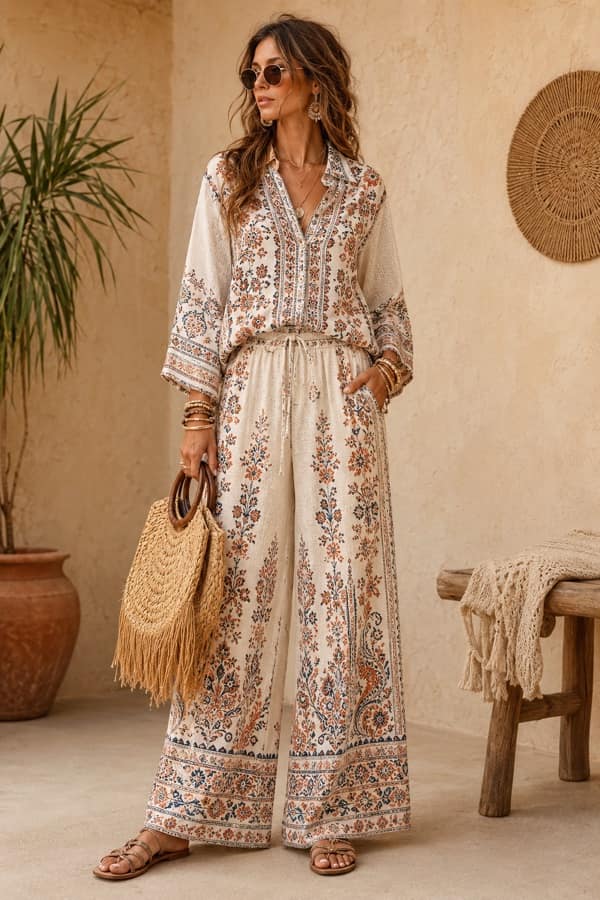
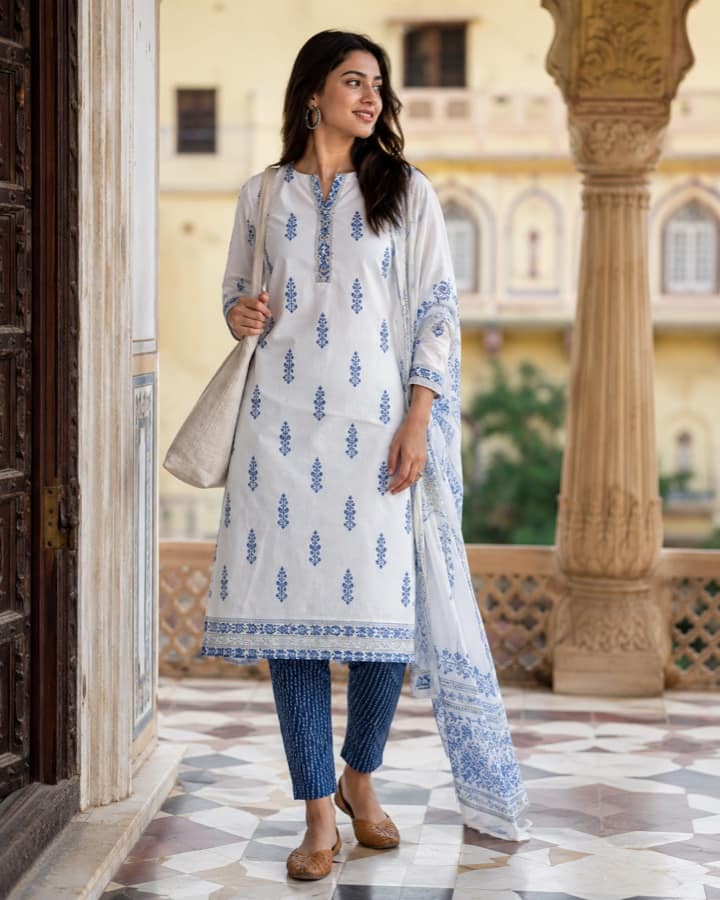
Traditional wear
Local cultural outfits
What to Wear in Orchha During Winter
Winter (October to March) is the main travel season. Days are sunny and mild, but nights in December and January are cold, often below 10 °C. October and March are warmer, with afternoons around 34 °C, so pack lighter clothes for those months.
Best Winter Outfits for Orchha
- Cotton kurtas, shirts or long-sleeved tops
- Jeans, trousers or long skirts
- A sweater, fleece or light jacket for early mornings and evenings
- A warm shawl for evening prayers at the temple and the sound-and-light show
- Warm socks for cold mornings
What to Wear in Orchha During Summer
Summer (April to June) is very hot and dry, with daytime temperatures often above 40 °C. Wear loose, light clothing that keeps the sun off your skin, and plan your sightseeing for early morning and evening.
Best Summer Outfits for Orchha
- Loose cotton or linen kurtas and shirts
- Light, full-length trousers or long skirts
- A cotton scarf or dupatta to cover your head and neck
- A wide-brimmed hat and sunglasses
- Breathable sandals for walking between the sights
What to Wear in Orchha During the Monsoon
The monsoon (July to September) brings heavy showers, especially in July and August, with warm, humid days in between. Choose light clothes that dry quickly.
Best Monsoon Outfits for Orchha
- Quick-drying tops and trousers
- A light rain jacket or a compact umbrella
- Sandals or shoes with a good grip for wet stone and riverbanks
- A waterproof pouch for your phone
Best Colours to Wear in Orchha
Orchha's palaces and chhatris are built of golden-brown stone, so white, indigo, emerald and deep red stand out well in photos. For a softer look that matches the stone at golden hour, try rust, mustard or ochre. Near Ram Raja Temple, saffron and red look festive against its pink-and-yellow front.
Footwear Tips for Orchha
Most sightseeing in Orchha is on foot, over uneven stone paths and steep, narrow palace stairs. Wear comfortable walking shoes or sturdy sandals with a good grip, and carry slip-ons that are easy to remove at temples. Avoid heels and smooth soles on the stairs of the Jahangir Mahal and Chaturbhuj Temple. In summer, visit temples early, before the stone floors get hot underfoot.
Questions
Orchha — FAQ
What should I wear in Orchha?
Light cotton clothes that cover your shoulders and knees work for most of the year. Add a sweater or jacket for winter evenings, and wear comfortable shoes with a good grip for the stone paths and steep palace stairs.
What should I wear to Ram Raja Temple?
Wear modest clothes that cover your shoulders and knees, and shoes you can take off easily. Leather items such as belts and wallets are not allowed inside, and neither are phones or cameras, so leave them at your hotel.
Is Orchha cold in winter?
Days are mild and sunny, but nights in December and January are cold, often below 10 °C. Pack a sweater or light jacket and a shawl for early mornings and evenings.
What should I wear in Orchha in summer?
Wear loose cotton or linen that covers your arms and legs, with a hat, sunglasses and a scarf. Temperatures often pass 40 °C, so plan to stay indoors in the middle of the day.
What should I wear for photos in Orchha?
White, indigo and deep red stand out against the golden-brown stone of the palaces and chhatris. For a traditional look, a Bundeli cotton saree or a dhoti kurta with a safa (turban) suits the old palaces.