
Photo spot in Pelling
Kanchenjunga Viewpoint
Pelling, Sikkim
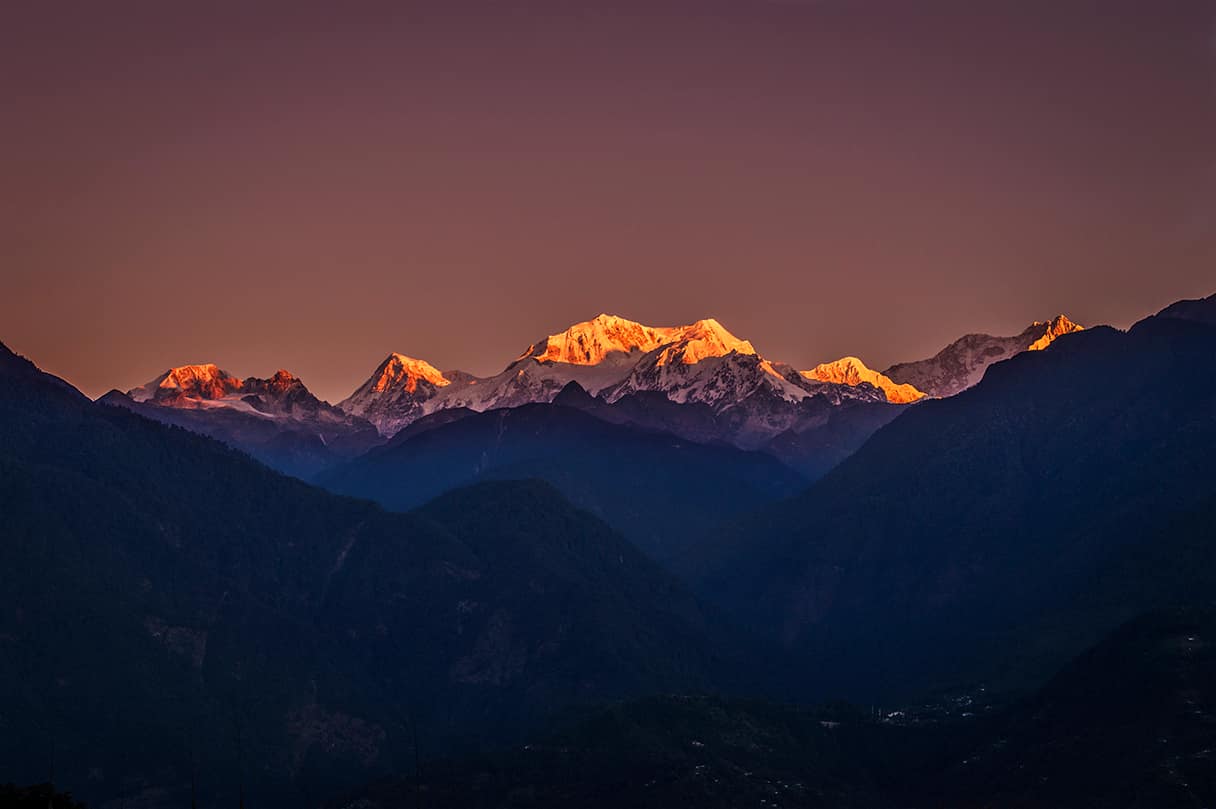
Pelling's front-row seat to the world's third-highest peak — the Kanchenjunga massif glowing at sunrise, seen from the town's viewpoints and hotel terraces.
Best time
Sunrise, when the first light turns the snow pink and then gold over a dark valley; the first hour after sunrise for sharp, white peaks.
Best angle
Stand at the edge of the helipad ground or a hotel rooftop in Upper Pelling and take a wide photo of the range, then zoom in on the main summit as it catches the light.
Entry fee
Free
Opening hours
Open access
Crowd level
Medium
Best outfit colors
Overview
Best time to visit Kanchenjunga Viewpoint
Sunrise, when the first light turns the snow pink and then gold over a dark valley; the first hour after sunrise for sharp, white peaks. Crowds here are typically medium. Arrive a little early to claim your angle and catch the softest light before the day tips over.
Poses & angles
Photo tips for Kanchenjunga Viewpoint
Stand at the edge of the helipad ground or a hotel rooftop in Upper Pelling and take a wide photo of the range, then zoom in on the main summit as it catches the light. Work a few of the pose ideas below, shoot wide for context and tight for detail, and give yourself a couple of extra minutes to get the frame right.
At the sunrise viewpoint
With the peak panorama
Outfit guide
What to wear at Kanchenjunga Viewpoint
For photos at Kanchenjunga Viewpoint, red, cream and charcoal work beautifully — they stand out against the setting without fighting it. Pick one hero colour and keep the rest of the look calm so you stay the subject of the frame.
Best outfit colors for photos
Trending wear for this spot
Modern, camera-ready looks picked for Kanchenjunga Viewpoint.
Traditional wear for this spot
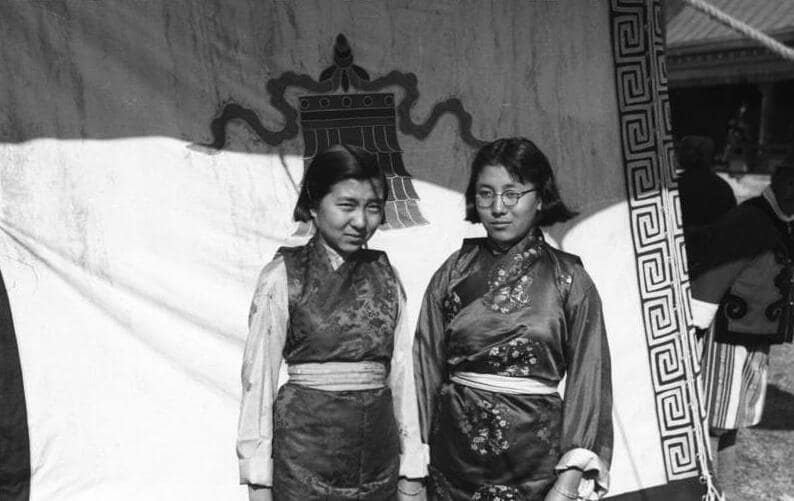
Timeless, cultural outfits worn across Pelling.
Eat nearby
Food near Kanchenjunga Viewpoint
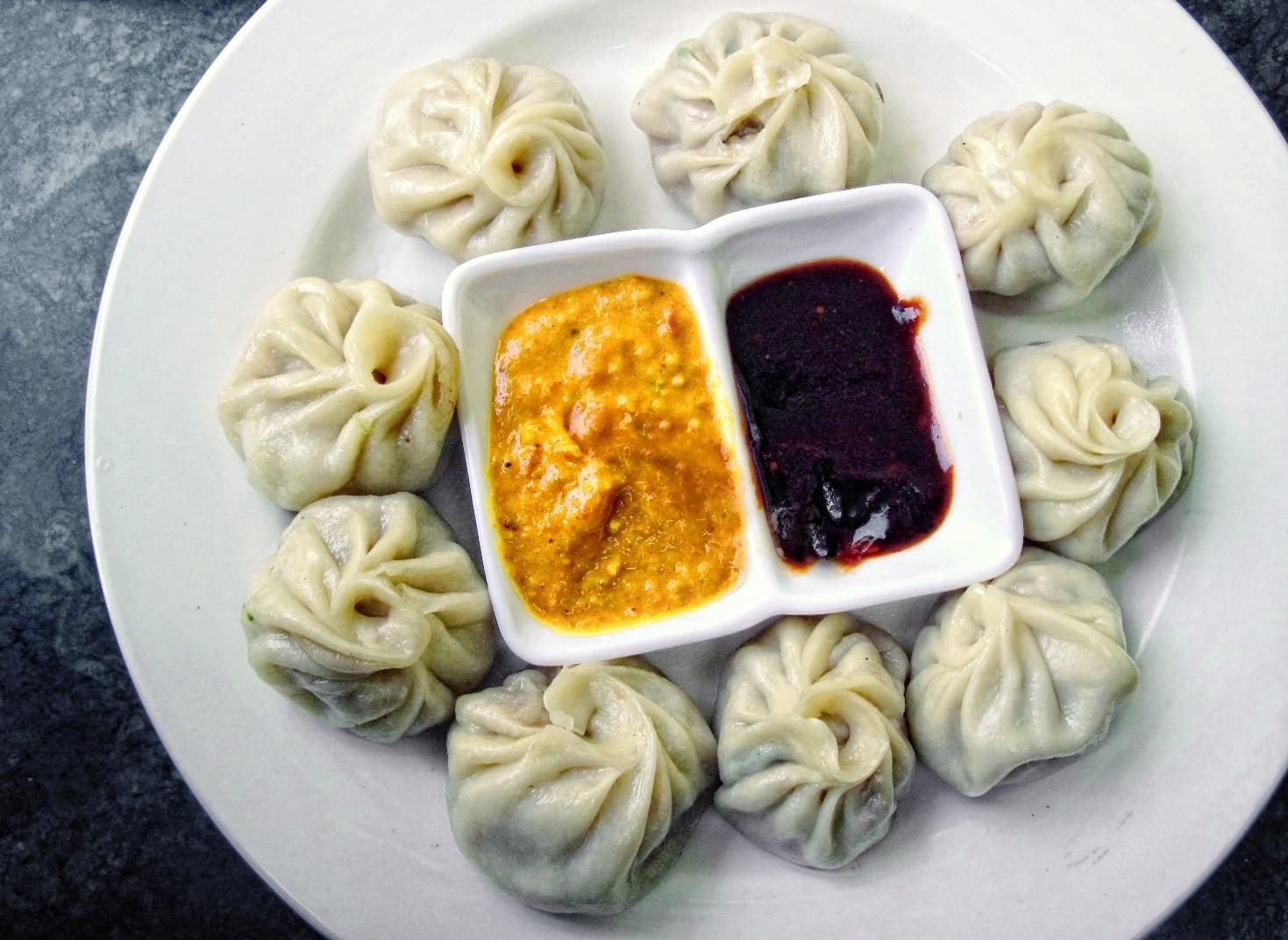
Round out the visit with something to eat. Look for momos nearby.
Special dishes to try
Search food by craving
Good to know
Local tips
Check the sky from your window before you go out, as a cloudy horizon usually stays cloudy.
Book a north-facing room in Upper Pelling if the view matters most to you.
Dress for freezing air, as you will stand still in the open for half an hour.
Look to the highest summit first, as it catches the light a few minutes before the rest.
Stay after sunrise, because the peaks are often sharpest in the first hour of full daylight.
Plan two nights so you get a second chance if the first morning is cloudy.
Keep your voice low on shared terraces, as many people come here for a quiet moment.
The view across the valley
From Pelling's ridge, the Kanchenjunga range fills the northern sky. The main summit, at 8,586 metres, is the third-highest mountain on earth, and on a clear morning you also see the peaks around it, including Kabru and Pandim. The mountain is not across a border here. It stands inside Sikkim, and it is close enough that the ridges and glaciers show without a zoom.
A sacred mountain
In Sikkim, Kanchenjunga is the guardian deity of the land. The Pang Lhabsol festival honours it every year. Since the first ascent in 1955, climbers have by tradition stopped just short of the summit out of respect.
Where to watch from
There is no single fenced viewpoint. Upper Pelling is the best area, and the open helipad ground there is a favourite spot at dawn. Many hotel terraces and rooftops face the range directly, which is often the easiest option. The view is also good from Pemayangtse, the Rabdentse ruins and the skywalk area below Sanga Choeling.
How the morning goes
Be outside about half an hour before sunrise. The highest summit catches the light first and turns pink, then orange, then gold, while the valley is still dark. The show lasts about 20 minutes. After that the peaks turn white and cloud often rises from the valleys by mid-morning.
When you will see it
October to December gives the best odds. January and February are cold but often clear. From March haze builds, and by May the peaks may hide for days. From June to September cloud covers them almost every day. Keep a spare morning if you can: one cloudy dawn is common, two in a row less so.
Questions
Kanchenjunga Viewpoint — FAQ
What is the best time to visit Kanchenjunga Viewpoint?
Sunrise, when the first light turns the snow pink and then gold over a dark valley; the first hour after sunrise for sharp, white peaks. Stand at the edge of the helipad ground or a hotel rooftop in Upper Pelling and take a wide photo of the range, then zoom in on the main summit as it catches the light.
Is there an entry fee at Kanchenjunga Viewpoint?
Entry to Kanchenjunga Viewpoint is free.
What are the opening hours of Kanchenjunga Viewpoint?
Kanchenjunga Viewpoint is open access.
What should I wear at Kanchenjunga Viewpoint?
Red, cream and charcoal photograph especially well here. Explore the trending and traditional outfit ideas on this page for full looks.
How crowded does Kanchenjunga Viewpoint get?
Crowd levels are typically medium. To miss the busiest window: sunrise, when the first light turns the snow pink and then gold over a dark valley; the first hour after sunrise for sharp, white peaks.
What food should I try near Kanchenjunga Viewpoint?
Try momos at spots close by.
How high is Kanchenjunga?
The main summit is 8,586 metres, making it the third-highest mountain in the world. From Pelling you see it together with neighbouring peaks such as Kabru and Pandim.
Do I need to go to a special viewpoint?
No. Many hotel terraces in Upper Pelling face the range. The open helipad ground in Upper Pelling is a popular free spot if your room has no view.
Why do climbers stop short of the summit?
The mountain is sacred in Sikkim. Since the first ascent in 1955, climbers have by tradition stopped just below the top out of respect.
Can I see Kanchenjunga in the afternoon?
Sometimes, on very clear days in autumn and winter. More often cloud builds by mid-morning, so the early hours are the safest bet.