
Photo spot in Rajgir
Vishwa Shanti Stupa
Rajgir, Bihar
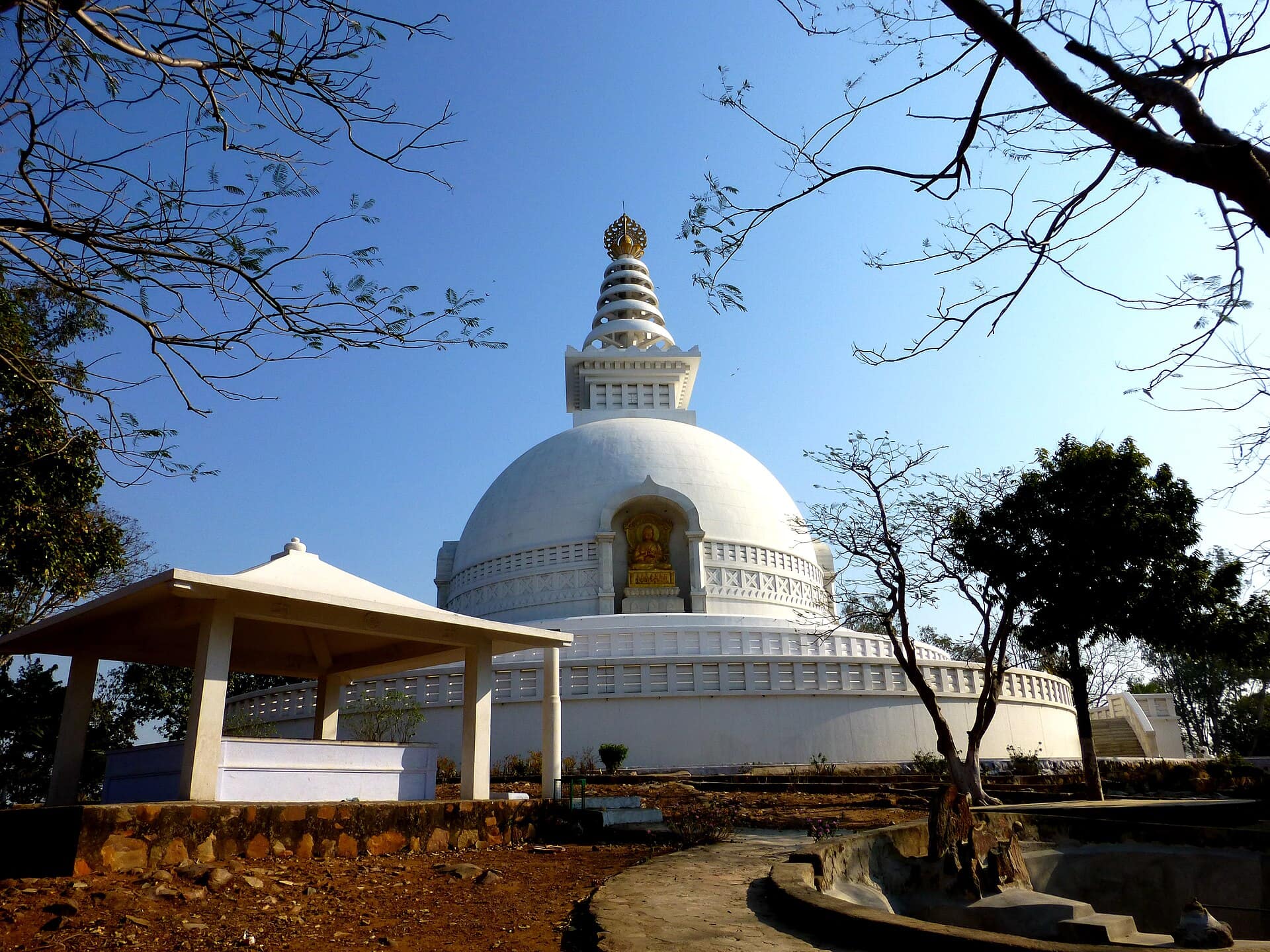
A gleaming white marble 'World Peace Pagoda' atop Ratnagiri hill, with golden Buddha statues on its four faces, reached by a single-seat chairlift ropeway.
Best time
Late morning, when the sun lights all four golden Buddhas and the white dome; late afternoon for warm light on the valley below.
Best angle
Stand at the edge of the terrace and take the dome at an angle with the green hills behind it, rather than straight on from the crowded front steps.
Entry fee
Ropeway fee
Opening hours
8:00 AM – 5:00 PM (ropeway)
Crowd level
High
Best outfit colors
Overview
Best time to visit Vishwa Shanti Stupa
Late morning, when the sun lights all four golden Buddhas and the white dome; late afternoon for warm light on the valley below. Crowds here are typically high. Arrive a little early to claim your angle and catch the softest light before the day tips over.
Poses & angles
Photo tips for Vishwa Shanti Stupa
Stand at the edge of the terrace and take the dome at an angle with the green hills behind it, rather than straight on from the crowded front steps. Work a few of the pose ideas below, shoot wide for context and tight for detail, and give yourself a couple of extra minutes to get the frame right.
Before the white stupa
On the ropeway chairlift
Outfit guide
What to wear at Vishwa Shanti Stupa
For photos at Vishwa Shanti Stupa, white, saffron and gold work beautifully — they stand out against the setting without fighting it. Pick one hero colour and keep the rest of the look calm so you stay the subject of the frame.
Best outfit colors for photos
Trending wear for this spot
Modern, camera-ready looks picked for Vishwa Shanti Stupa.

Traditional wear for this spot
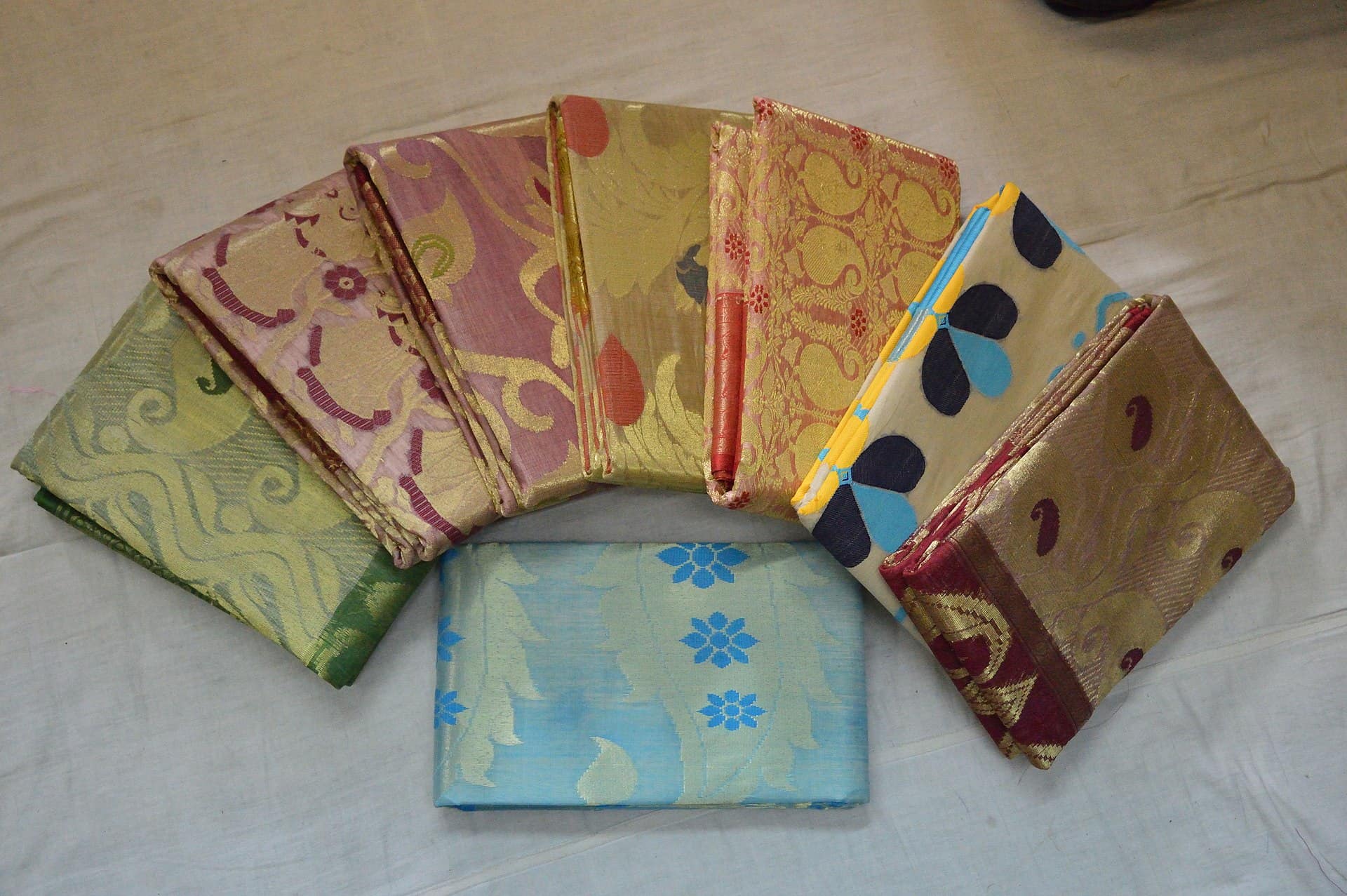
Timeless, cultural outfits worn across Rajgir.
Eat nearby
Food near Vishwa Shanti Stupa
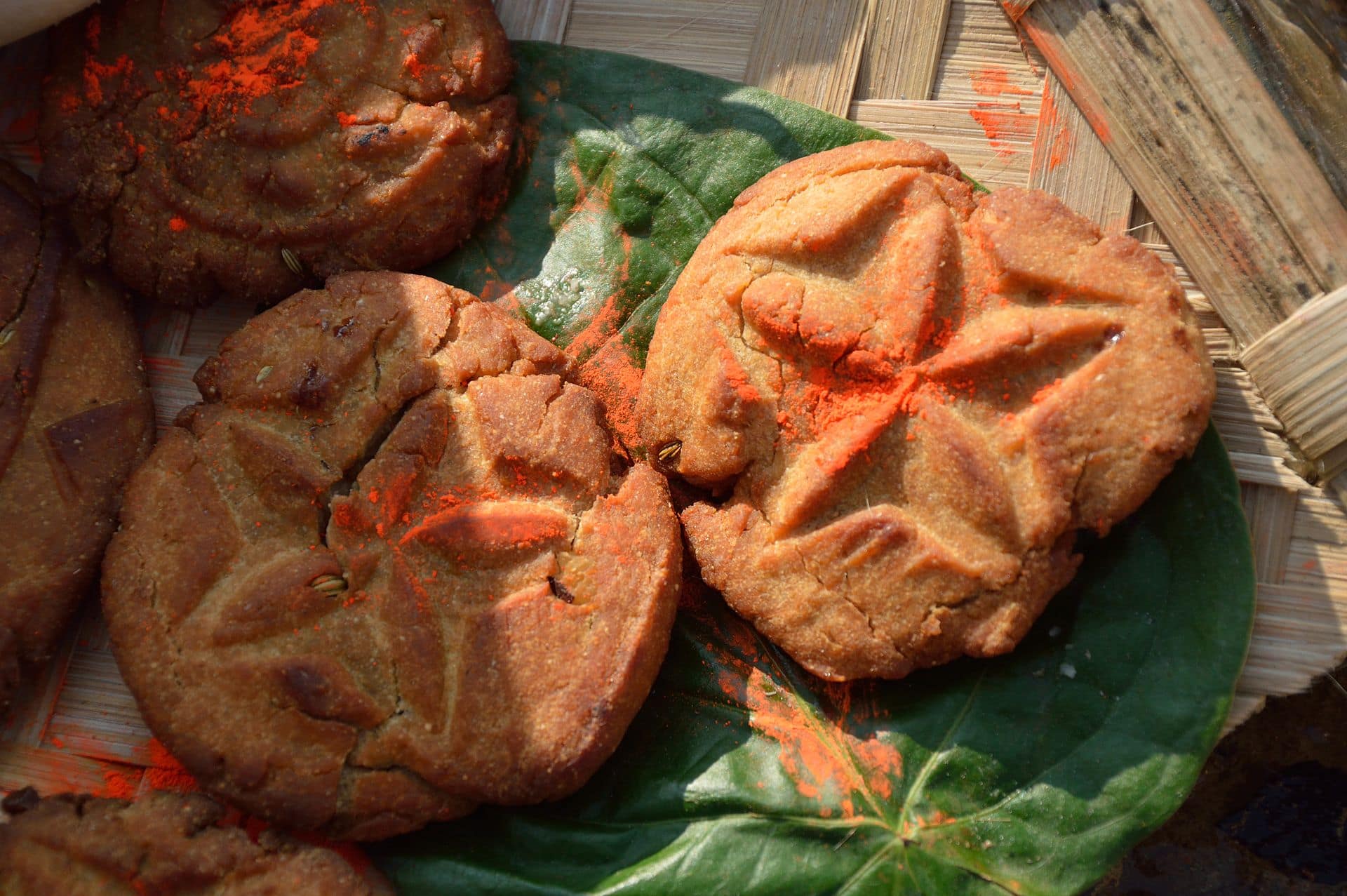
Round out the visit with something to eat. Look for thekua nearby, or settle in at one of the 1 restaurants close by.
Special dishes to try
Restaurants & food places nearby
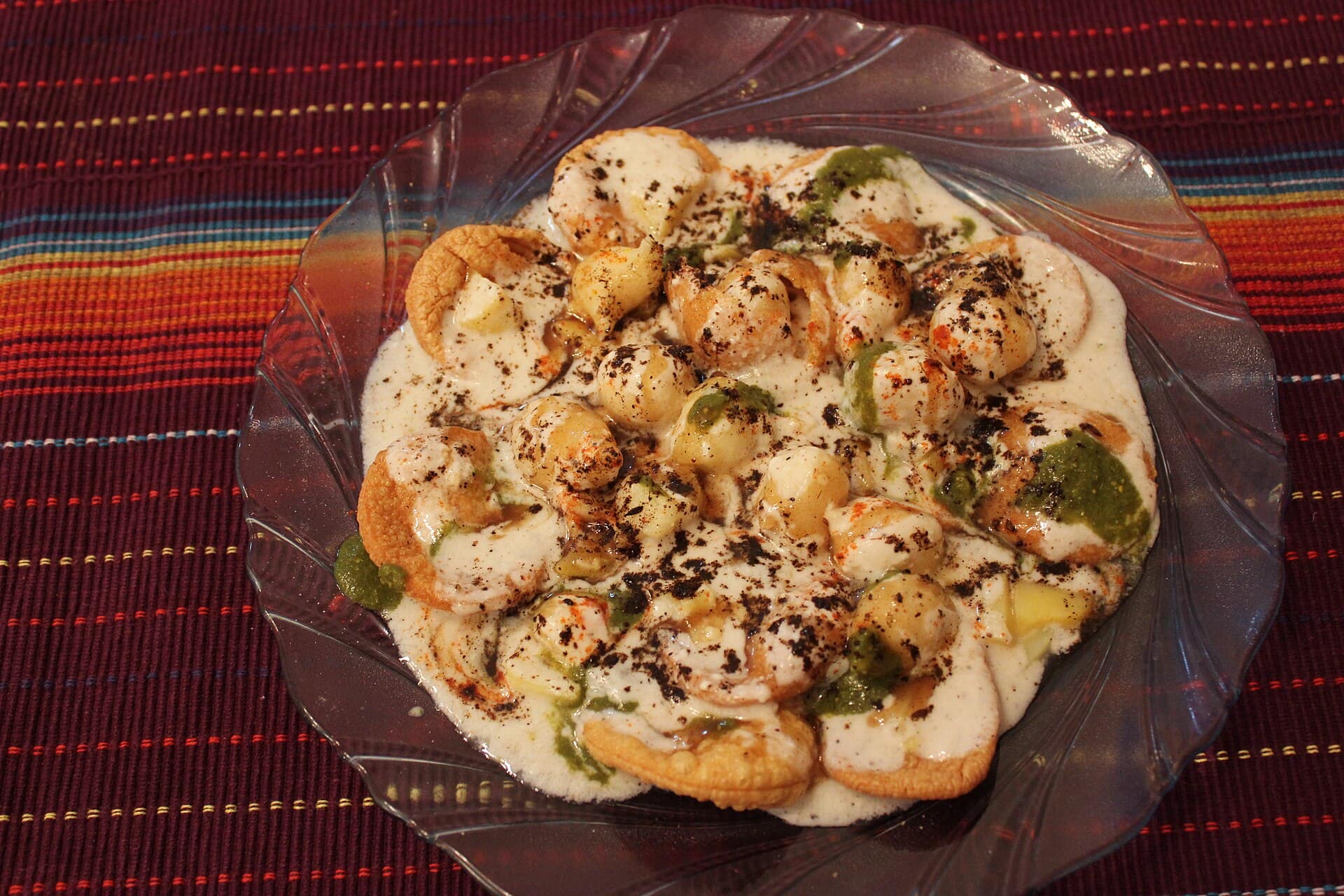
Search food by craving
Good to know
Local tips
Go up in the morning, before the tour buses from Bodh Gaya and Patna arrive.
Walk clockwise around the stupa, as Buddhist custom asks.
Leave your shoes at the stand before the stupa platform; the marble gets hot by noon, so socks help.
Sit for a few minutes in the Japanese temple next to the pagoda during the drum chanting.
Check the time of the ropeway's last run down before you set off.
Carry water, as there is little to buy at the top.
Look across from the terrace to pick out Vulture Peak on the neighbouring ridge.
A peace pagoda on an old hill
The Vishwa Shanti Stupa, or World Peace Pagoda, stands on top of Ratnagiri, one of the five hills around Rajgir. It was built by Nipponzan Myohoji, a Japanese Buddhist order founded by Nichidatsu Fujii, who was moved by Gandhi and by the atomic bombing of Japan to build peace pagodas around the world. Rajgir's was completed in 1969. The white dome is about 120 feet high, with a gilded statue of the Buddha on each of its four sides, showing birth, enlightenment, teaching and death.
Getting up
Most people ride up. There are two ropeways from the base: the old single-seat chairlift and a newer enclosed cabin ropeway. See Rajgir Ropeway for how they work. Fit walkers can also climb the steps, which take roughly half an hour to 45 minutes. At the top a short path leads from the ropeway station to the pagoda terrace.
What to see at the top
Walk around the terrace clockwise and stop at each of the four Buddha statues. Beside the pagoda is a small Japanese temple where monks beat drums and chant for peace, and visitors can sit quietly at the back. From the edge of the terrace you look over forested hills in every direction, and across to the ridge of Vulture Peak.
Practical notes
There is no ticket for the pagoda itself; you pay for the ropeway. Shoes come off before you step onto the stupa's platform. Water and snacks are limited at the top, so carry a bottle. The ropeways close for a lunch break around midday and stop in the late afternoon, so don't start up too late if you are relying on them to come down.
Questions
Vishwa Shanti Stupa — FAQ
What is the best time to visit Vishwa Shanti Stupa?
Late morning, when the sun lights all four golden Buddhas and the white dome; late afternoon for warm light on the valley below. Stand at the edge of the terrace and take the dome at an angle with the green hills behind it, rather than straight on from the crowded front steps.
Is there an entry fee at Vishwa Shanti Stupa?
Entry to Vishwa Shanti Stupa is by ropeway fee.
What are the opening hours of Vishwa Shanti Stupa?
Vishwa Shanti Stupa is open 8:00 AM – 5:00 PM (ropeway).
What should I wear at Vishwa Shanti Stupa?
White, saffron and gold photograph especially well here. Explore the trending and traditional outfit ideas on this page for full looks.
How crowded does Vishwa Shanti Stupa get?
Crowd levels are typically high. To miss the busiest window: late morning, when the sun lights all four golden Buddhas and the white dome; late afternoon for warm light on the valley below.
What food should I try near Vishwa Shanti Stupa?
Try thekua, available at nearby restaurants.
Who built the Vishwa Shanti Stupa?
The Japanese Buddhist order Nipponzan Myohoji, founded by Nichidatsu Fujii. It was completed in 1969 and is one of many peace pagodas the order has built worldwide.
Can I walk up instead of taking the ropeway?
Yes. Steps lead up Ratnagiri hill, and most people take between half an hour and 45 minutes. Start early in hot weather.
What do the four golden statues show?
Four key moments in the Buddha's life: his birth, his enlightenment, his first teaching and his death.
Is the Vishwa Shanti Stupa the same as Vulture Peak?
No. The stupa is on Ratnagiri hill. Vulture Peak is on a separate ridge nearby, reached by its own stone path.